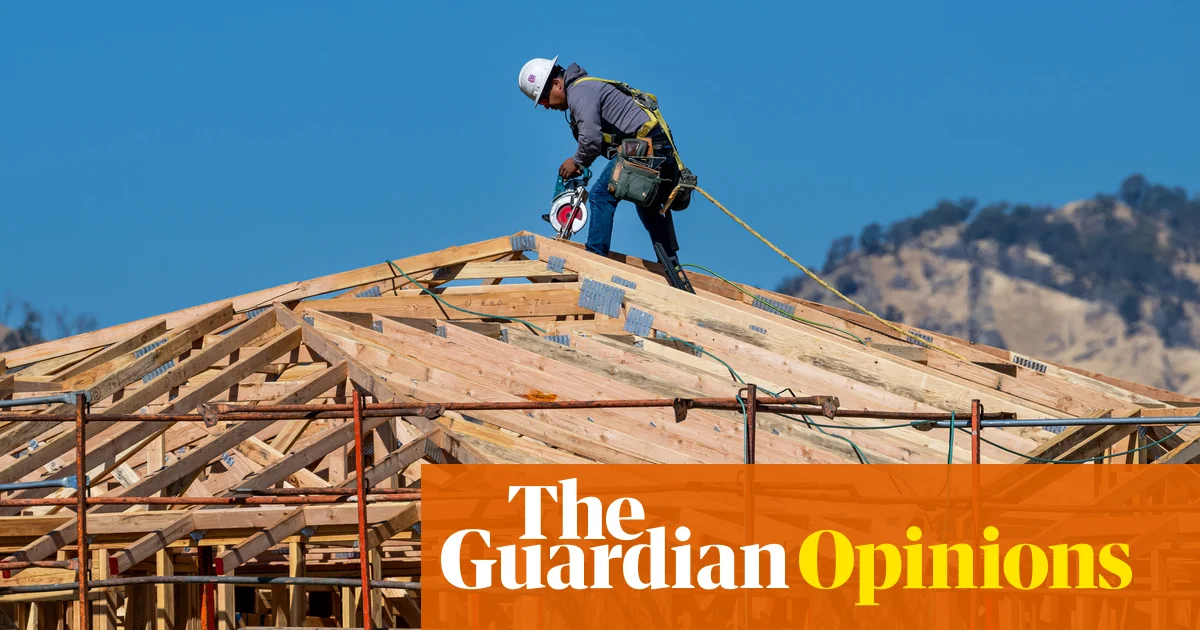
U.S. Rep. Monica De La Cruz is advocating for new legal protections and a specialized visa program for migrant workers in the construction industry in South Texas, aiming to address industry challenges and ICE raid impacts, while exploring legislative solutions similar to the H-2A program.
The construction industry faces a significant labor shortage due to aging workers and declining interest from young people, but AI may shift the job landscape by eliminating entry-level and white-collar jobs, encouraging more youth to pursue trades, which are seeing increased enrollment and could benefit from future industry growth.
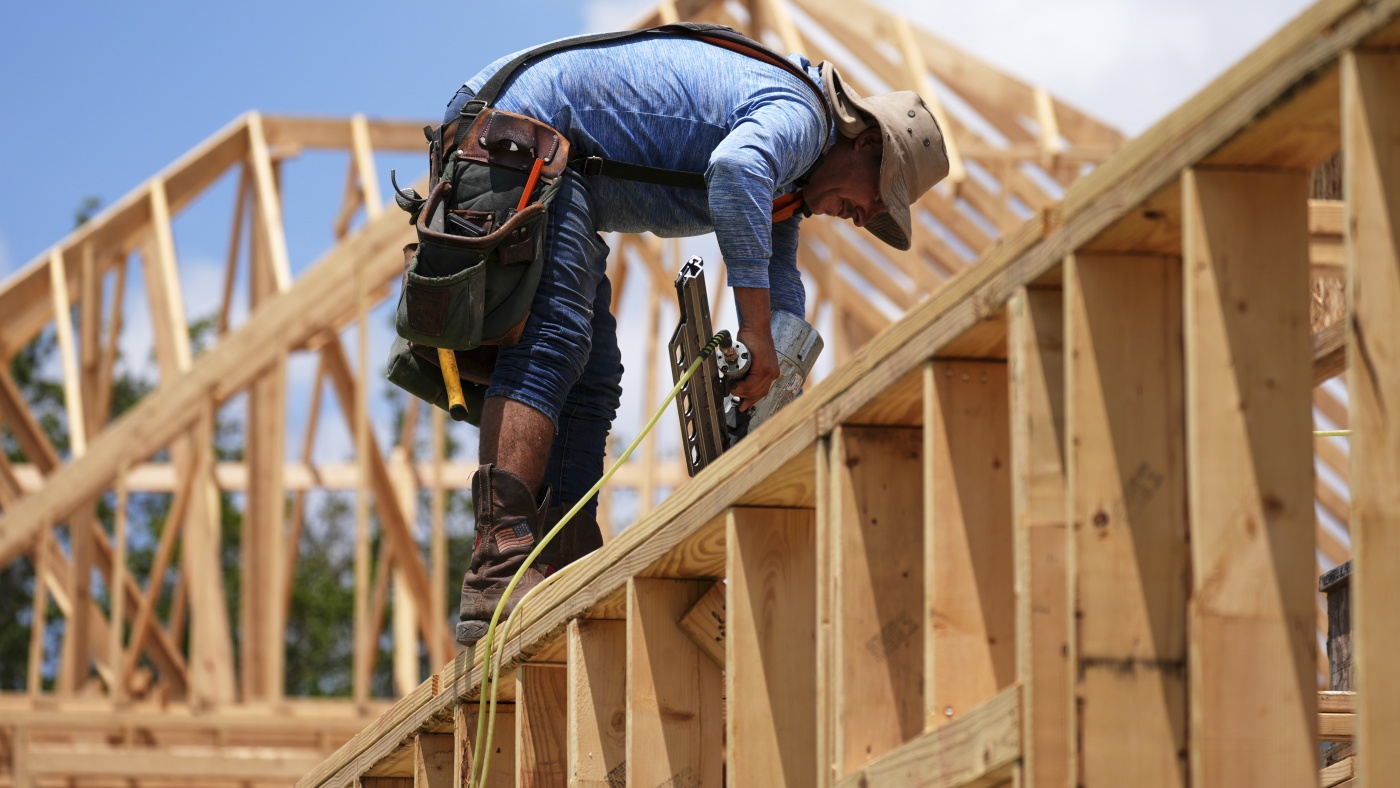
ICE arrests in South Texas have severely impacted the construction industry by causing worker shortages and delays, leading to economic ripple effects and potential increases in housing costs, as industry leaders and workers express concern and call for action.
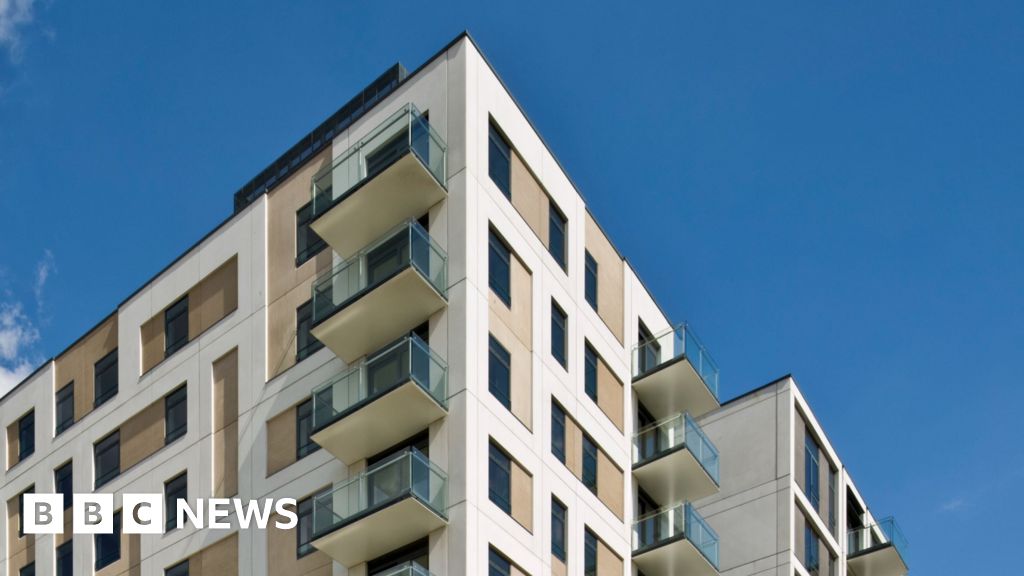
A construction industry leader criticizes the government's plan to turn fire safety guidance into law, arguing it is too lenient and allows risky materials, potentially compromising fire safety in buildings, despite government claims of clarity and safety improvements. The consultation on the new law ends in December, with legislation expected in 2026.
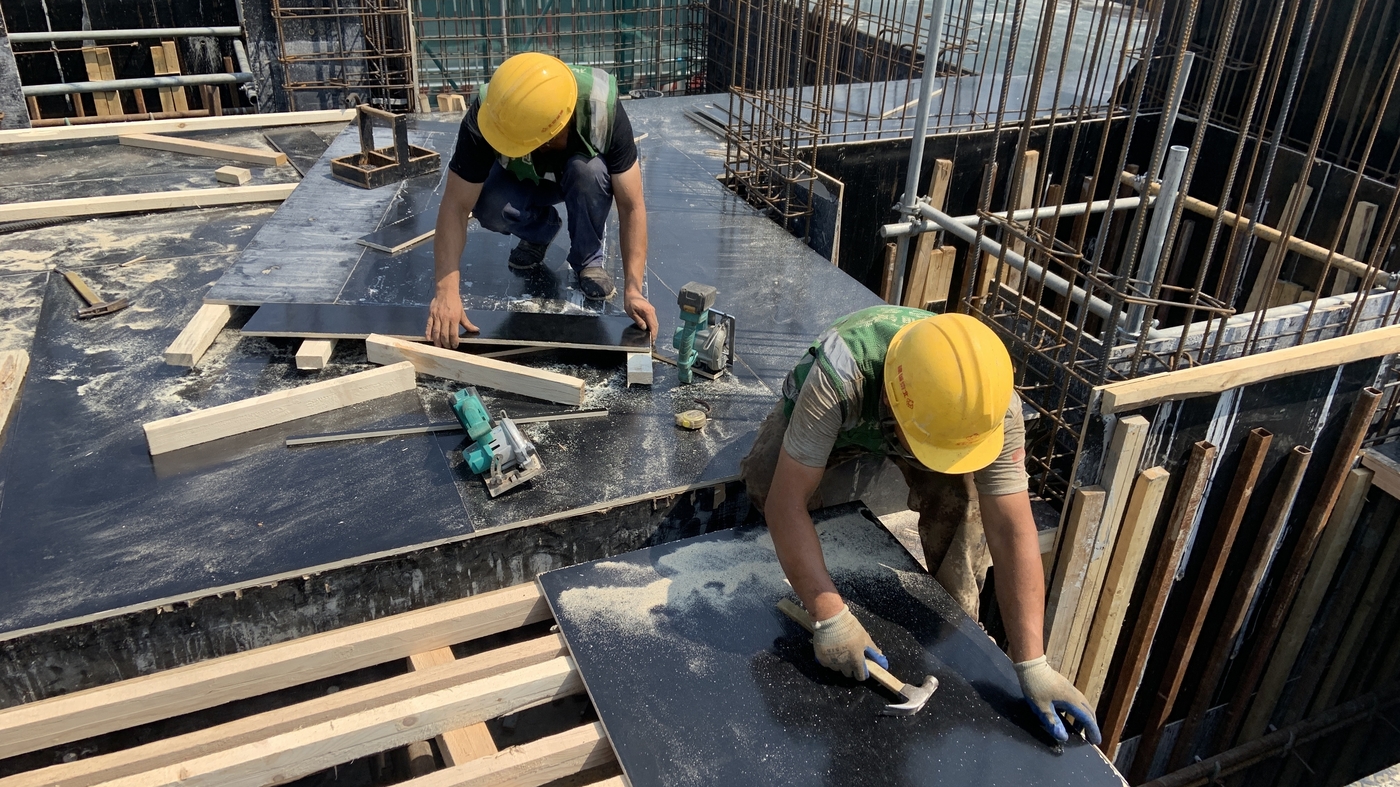
The construction industry in the U.S. is facing a severe labor shortage worsened by ICE enforcement actions targeting immigrant workers, leading to project delays, increased costs, and industry concerns about the future workforce, with many industry leaders advocating for immigration reform and legal pathways for workers.
Donald Trump's proposed immigration policies, including mass deportations and high tariffs on imported goods, could significantly impact the U.S. housing market. Deporting undocumented workers, who make up a substantial portion of the construction workforce, could increase home construction costs due to labor shortages. Additionally, tariffs on building materials could raise costs, although they might also encourage domestic production. Trump's tax policies could boost housing demand, but the combined effect of tariffs and tax cuts might lead to inflation, affecting Federal Reserve interest rate decisions and keeping borrowing costs high.
Silicosis, a severe lung disease caused by inhaling silica dust, is increasingly affecting American stone and construction workers, leading to a surge in lawsuits against stone manufacturers. The disease, once thought to primarily affect miners, is now recognized as a significant risk for workers cutting quartz and granite countertops. Many affected workers, like Gustavo Reyes Gonzalez, face dire health consequences, including the need for lung transplants. The situation highlights the urgent need for better safety protocols and awareness in the industry.
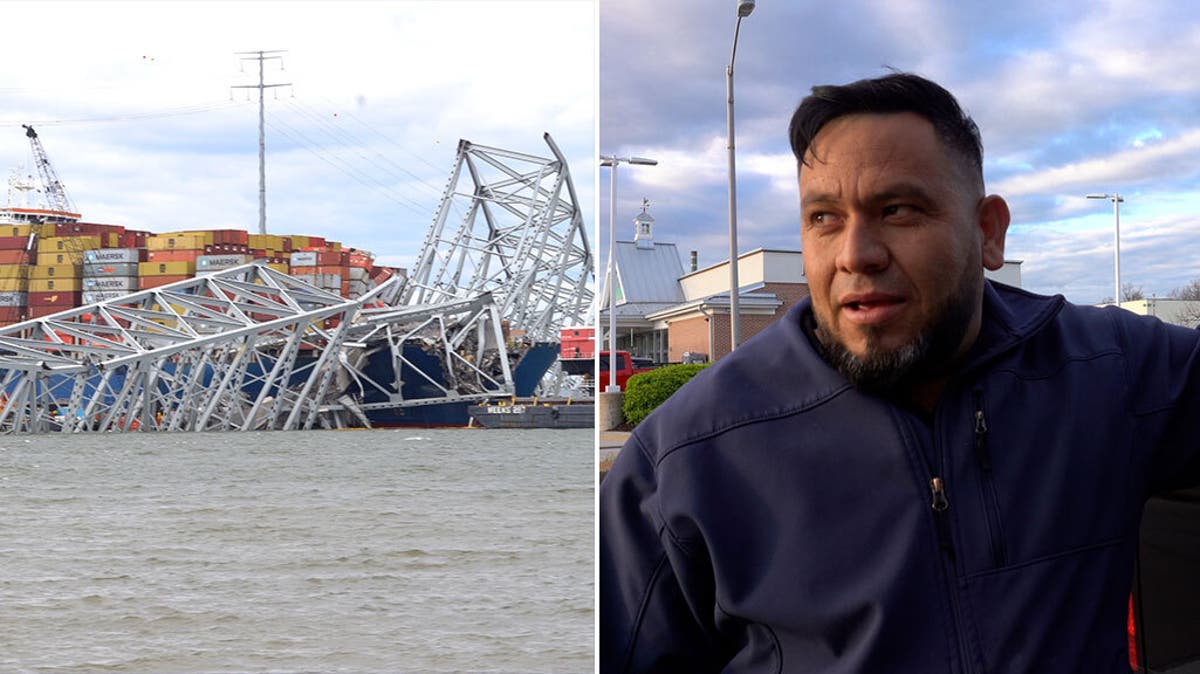
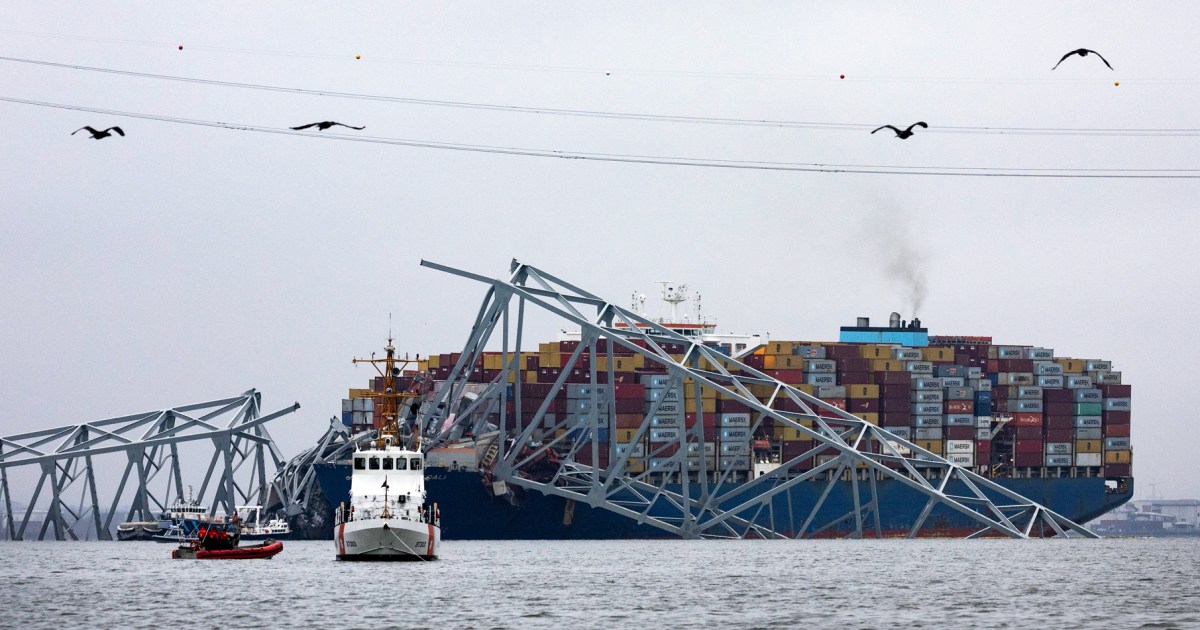
Latino workers in Baltimore are too afraid to take on jobs rebuilding the Francis Scott Key Bridge after six migrants died in its collapse last month. The incident has raised concerns about the safety of construction workers, particularly migrant workers, and has put a spotlight on their treatment and the need for better safety provisions. Labor experts point out that it will likely be migrant workers who rebuild the bridge, and there are calls for better salaries and protections for these workers. Organizations are advocating for work permits and visas for the families of the victims, as well as a full investigation into the bridge collapse.
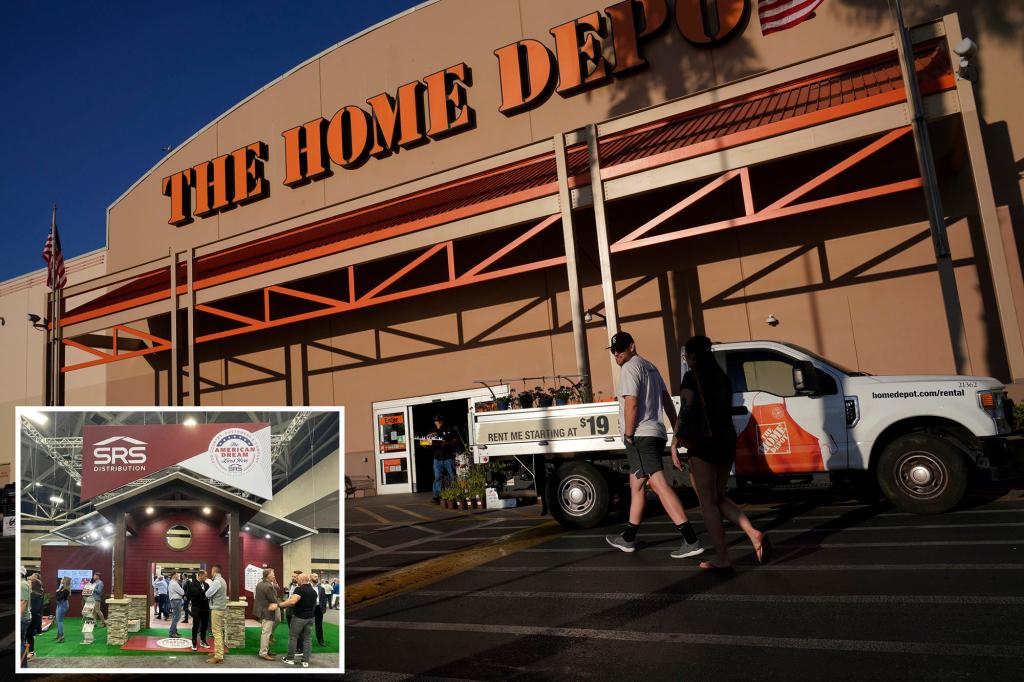
Home Depot is set to acquire building supply distributor SRS Distribution in an $18.25 billion deal, marking its largest acquisition to date. The acquisition is expected to close in Home Depot's 2024 fiscal year and is aimed at expanding its reach to major contractors and construction firms. The deal will also see the opening of four new distribution centers to cater to home professionals handling larger projects. Despite expecting slower sales trends, Home Depot remains confident in the deal's approval by federal regulators and anticipates continued growth in the coming years.
The recent Baltimore bridge collapse, which resulted in the deaths of several construction workers, has drawn attention to the risks faced by Latino workers in the construction industry. Many of the victims were originally from Honduras, Guatemala, El Salvador, and Mexico, highlighting the overrepresentation of Hispanic workers in this high-hazard industry. The tragedy has sparked concerns about workplace safety and the dangers faced by immigrant workers, with similar incidents involving Hispanic construction workers occurring in other parts of the country. The impact of the collapse has deeply affected Latino and immigrant communities, emphasizing the vital role these workers play in building and maintaining infrastructure.
China's aging construction workforce, consisting of an estimated 300 million migrant workers who helped propel the country's growth, now faces retirement with little savings or formal pensions. With rules preventing men over 60 from working on construction sites and a fast-aging population, the country is grappling with the costs of supporting this vulnerable workforce. Many workers lack social benefits due to residency rules and informal employment, and the real estate slowdown has resulted in fewer projects and less work. As a result, many aging construction workers are left with little financial security and are forced to continue working despite their age.
The ongoing conflict between Israel and Hamas has led to the suspension of work permits for Palestinians, causing disruptions in the construction industry and impacting both Israeli employers and Palestinian workers. With the absence of Palestinian workers, the construction industry in Israel is operating at only 15% of its prewar capacity. This has resulted in financial hardships for Palestinian workers who are unable to provide for their families, while Israeli employers are facing significant economic challenges. The permit cutoff has also affected the West Bank's economy, with businesses experiencing a rise in credit purchases and a decline in income due to the lack of workers. The situation remains uncertain, with no clear timeline for the workers' return.
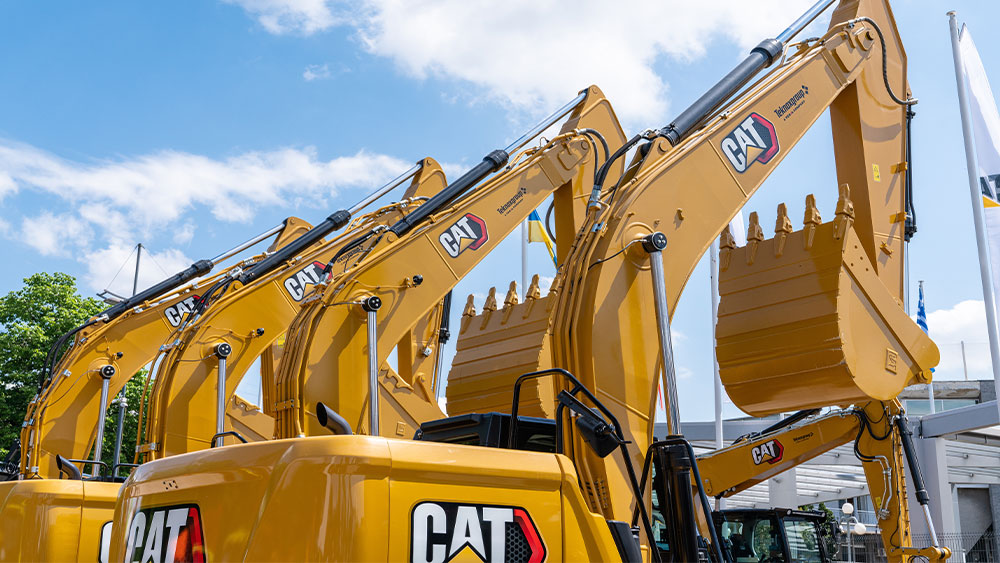
Caterpillar (CAT) reported strong Q3 earnings that exceeded expectations, with revenue growing 12% to $16.81 billion. However, the company's order backlog fell sharply, causing CAT stock to slide. Wall Street is concerned about the declining backlog, as well as the potential impact of inflation and rising mortgage rates on Caterpillar's construction business. Despite the positive earnings, Caterpillar expects a lower operating margin in Q4 and anticipates only slight sales growth. CAT stock has fallen 16% this year, underperforming the Dow Jones Industrial Average.
Riley Construction, a Madison-based construction firm, is working to combat the ongoing worker shortage in the industry by expanding outreach to the newest generation of workers. With a boom in construction projects in Wisconsin, the demand for labor is high, but the number of workers is insufficient. One of the main causes of the shortage is the aging workforce, with a significant number of older workers leaving or nearing retirement age. Riley Construction is actively recruiting and providing information to dispel misconceptions about the industry, offering apprenticeships, internship programs, and hosting a Building Careers Camp for middle school students to gain hands-on experience. Madison ranks 10th among midsize U.S. metros for best-paying construction jobs.
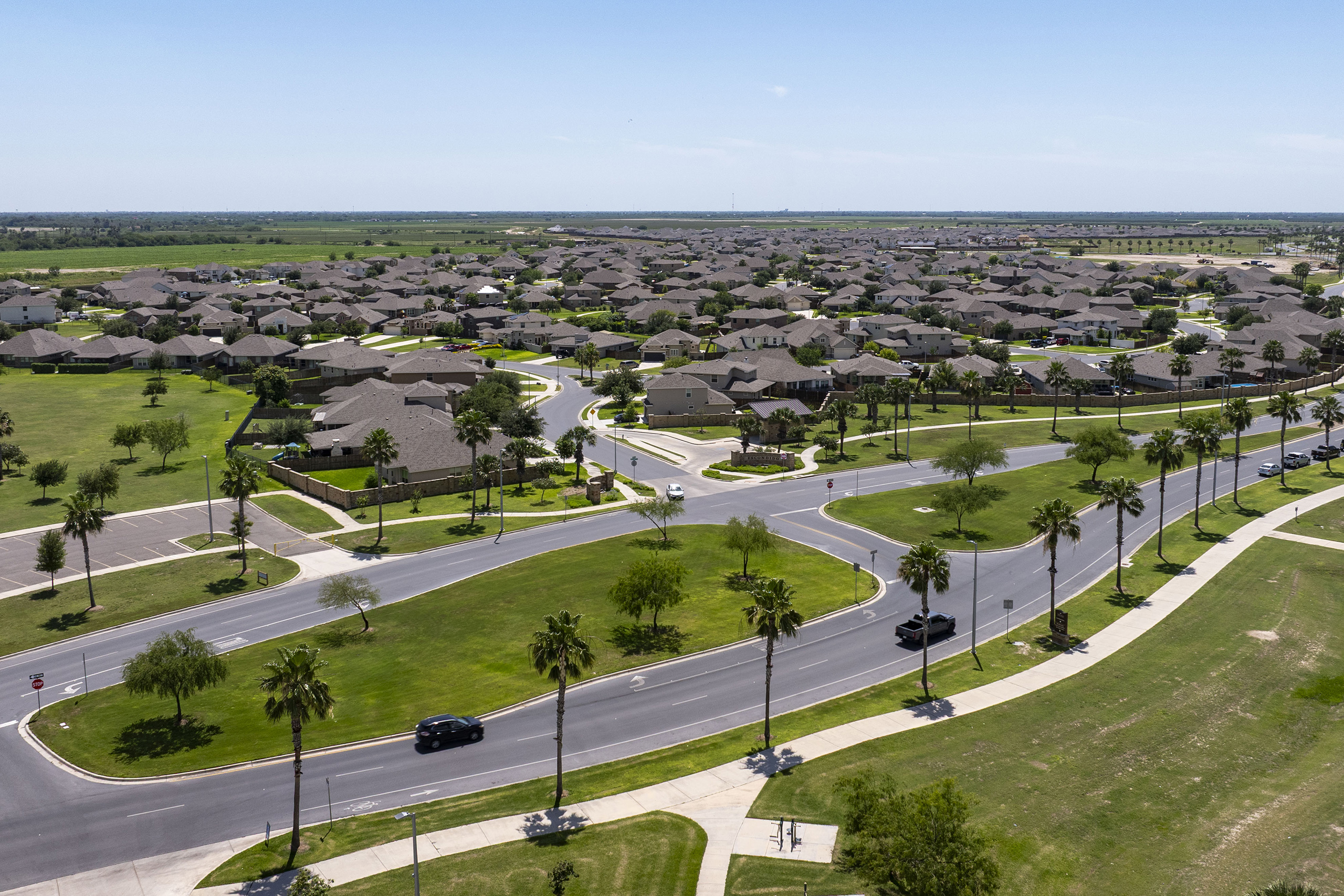
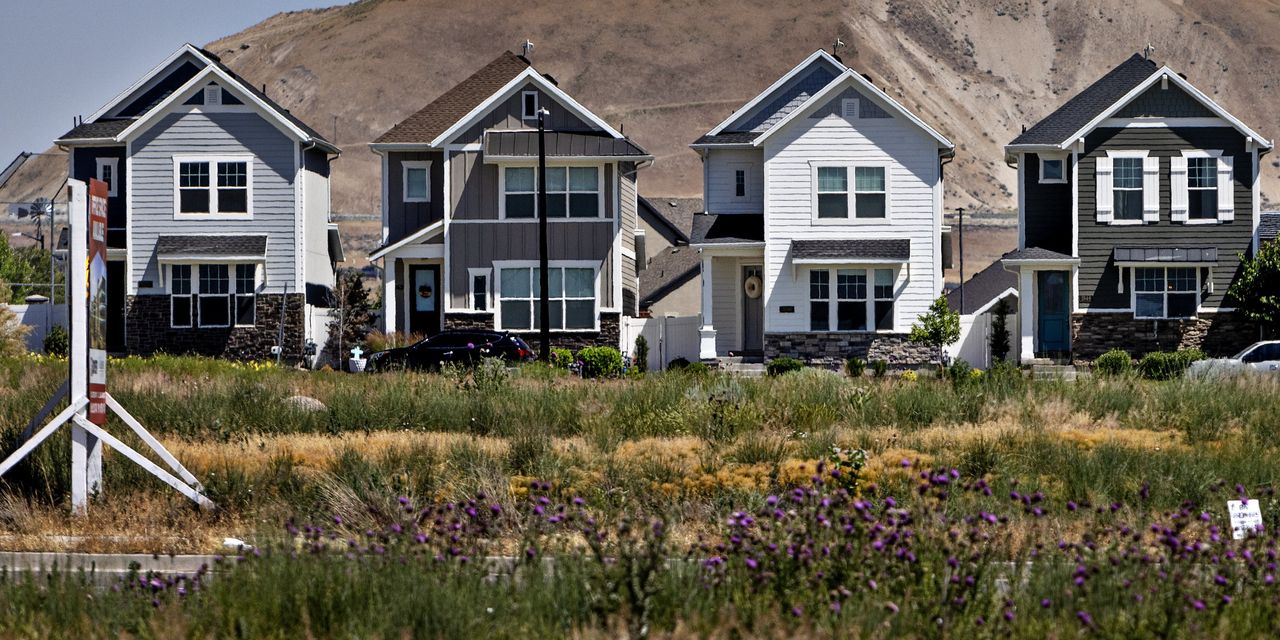
Home builders, such as Ivory Homes in Utah, are experiencing a boom in business as homeowners are choosing not to sell their homes due to high mortgage rates. This has resulted in a decrease in buyers for new homes, leading builders to lay off staff and reduce construction.