Despite campaign promises to lower costs, Trump's tariffs and policies have led to increased prices for groceries, electricity, and other essentials in the US, disproportionately affecting low- and middle-income families and contradicting his promise to make America affordable again.
A recent study by the Ludwig Institute reveals that most Americans, especially the bottom 60% of households, can no longer afford a minimal quality of life due to rising costs in housing, healthcare, and other essentials, making the American dream increasingly out of reach for many.
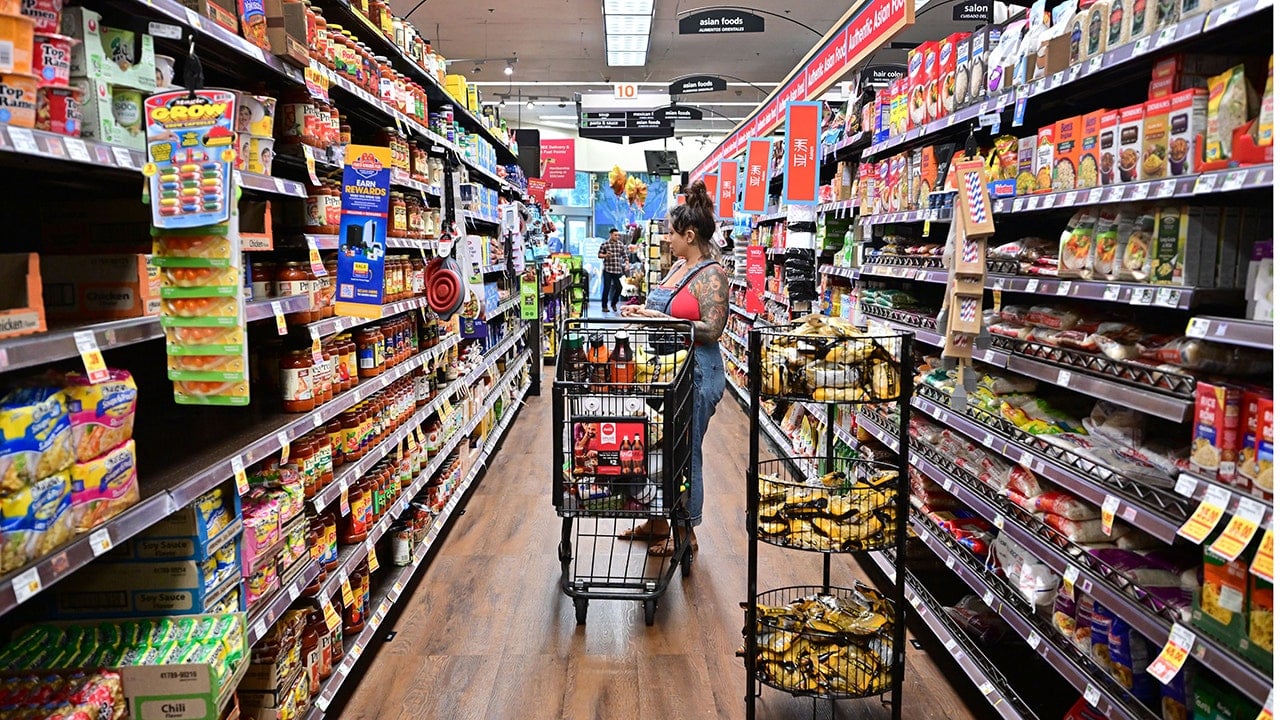
Americans are feeling the impact of high inflation, with grocery prices surging 21% in the last three years, surpassing the overall 18% pace of inflation during the same period. The typical U.S. household needed to pay $227 more a month in March to purchase the same goods and services as one year ago, and on average $1,069 more compared with three years ago. Inflation has created severe financial pressures for most U.S. households, disproportionately affecting low-income Americans, who are increasingly turning to credit cards to cover basic expenses as they burn through their savings.
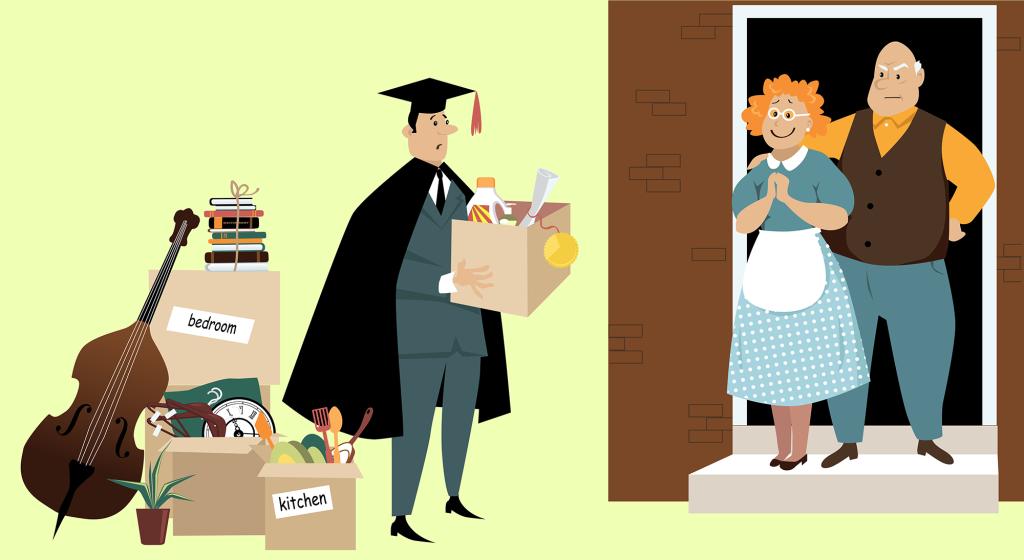
A Pew Research Center study reveals that over half of adults aged 18 to 34 rely on financial support from their parents, with Gen Zers 18 to 24 being the most dependent. Factors such as student debt and increased mortgage debt have contributed to these generations struggling to achieve financial independence. Additionally, experts note that financial and cultural changes are causing young adults to delay key milestones such as marriage, homeownership, and starting a family.
Many parents are still financially supporting their adult children well into their late 20s and early 30s, with a significant portion of young adults living with their parents and contributing financially to the household. The Pew Research Center's report highlights the impact of student loan debt and the various forms of financial assistance provided by parents, as well as the mixed impact on parents' own finances. Additionally, it reveals that a notable number of young adults are also financially supporting their parents, particularly those with lower incomes.
Americans need an extra $11,434 per year to maintain the same quality of life as in 2021, according to analysis from the US Senate Joint Economic Committee. Colorado residents face the highest additional expenditures of $14,995 annually, followed by Utah and Arizona. Arkansas has the lowest extra expenses at $8,528 per year. Inflation rates have fallen but remain above the Federal Reserve's target, with a 17% increase in inflation since January 2021 compared to a 13.6% rise in average hourly pay. The variation among states is due to differences in the prices of basic living essentials.
A new poll reveals that many Americans are facing financial challenges as their household expenses continue to outpace their incomes. About two-thirds of respondents reported an increase in expenses over the past year, while only a quarter reported an increase in income. Despite this, consumer spending remains strong, driven by still-elevated inflation and rising interest rates. Rising debt is also a concern, with 8 in 10 Americans reporting higher or the same levels of household debt compared to a year ago. Confidence in meeting unexpected medical expenses and saving for retirement is low, and many Americans have had to forgo major purchases due to higher interest rates. Inflation is a major concern for retirees living on fixed incomes, and there is a general dissatisfaction with the handling of the economy and student debt.
A new poll from the AP-NORC Center for Public Affairs Research reveals that about two-thirds of Americans say their household expenses have increased over the past year, while only about one-fourth report an increase in income. Many Americans are concerned about their financial futures as household debt remains high and savings have not increased significantly. Rising expenses, including medical costs and inflation, have led to financial strain for many, with few feeling confident about their ability to handle unexpected expenses or save for retirement. Despite these concerns, Americans have continued spending, contributing to strong economic growth. The poll also highlights a lack of trust in both political parties to address inflation.
Early data from the Census Bureau's household pulse survey shows that the restart of student loan payments is already causing financial strain for borrowers, with 41.2% of adults reporting difficulties paying household expenses. The highest share on record since the survey began in August 2020, the data suggests that restarting student loan payments is the source of increased financial stress for consumers, particularly among households with a college degree and income between $50,000 and $150,000. The impact of these repayments on both households and the economy is a concern, as many borrowers have become accustomed to using the money for other necessities and have little savings to absorb rising costs or financial shocks.
A new report from Bankrate reveals that 81% of Americans did not contribute to their emergency savings in 2023, with 60% feeling behind in building a cash cushion. Rising prices and high household expenses have made it difficult for households to save, putting them in a bind. The injection of stimulus money in 2020 provided a temporary safety net, but those savings have now largely been depleted. Soaring inflation and rising interest rates have further exacerbated the situation. Financial experts recommend finding alternative sources of income, such as side hustles or freelance work, to boost savings in the face of increasing expenses.
US inflation has increased for the first time in a year, resulting in families spending an average of $709 more per month compared to two years ago. The rising cost of living and inflation rate have contributed to higher household expenses for American families.
According to a report by doxo, Hawaii is the most expensive U.S. state to live in based on monthly expenses, with residents spending $3,070 per month on average. California follows as the second most expensive state, with an average monthly bill cost of $2,838. On the other hand, West Virginia is ranked as the least expensive state, with an average monthly bill cost of $1,530.
Dwyane Wade clarified that he and his wife, Gabrielle Union, only split about three things "50/50," including their house and shared expenses for their 4-year-old daughter. They pay "100% of that" separately when it comes to other expenses such as their family members. Wade also explained why they both signed prenuptial agreements, saying, "You get insurance, don't you?"
The Cut asked young New Yorkers about their dream futures and calculated exactly how much each would cost. They spoke to nine people, each reasonably en route to the upper-middle- (and, in two instances, just plain upper-) class life they picture in their heads. The purpose of presenting these receipts isn’t to shock or horrify, but to help younger New Yorkers wrestling with questions like, What would my family income have to be to support my vision of tomorrow?