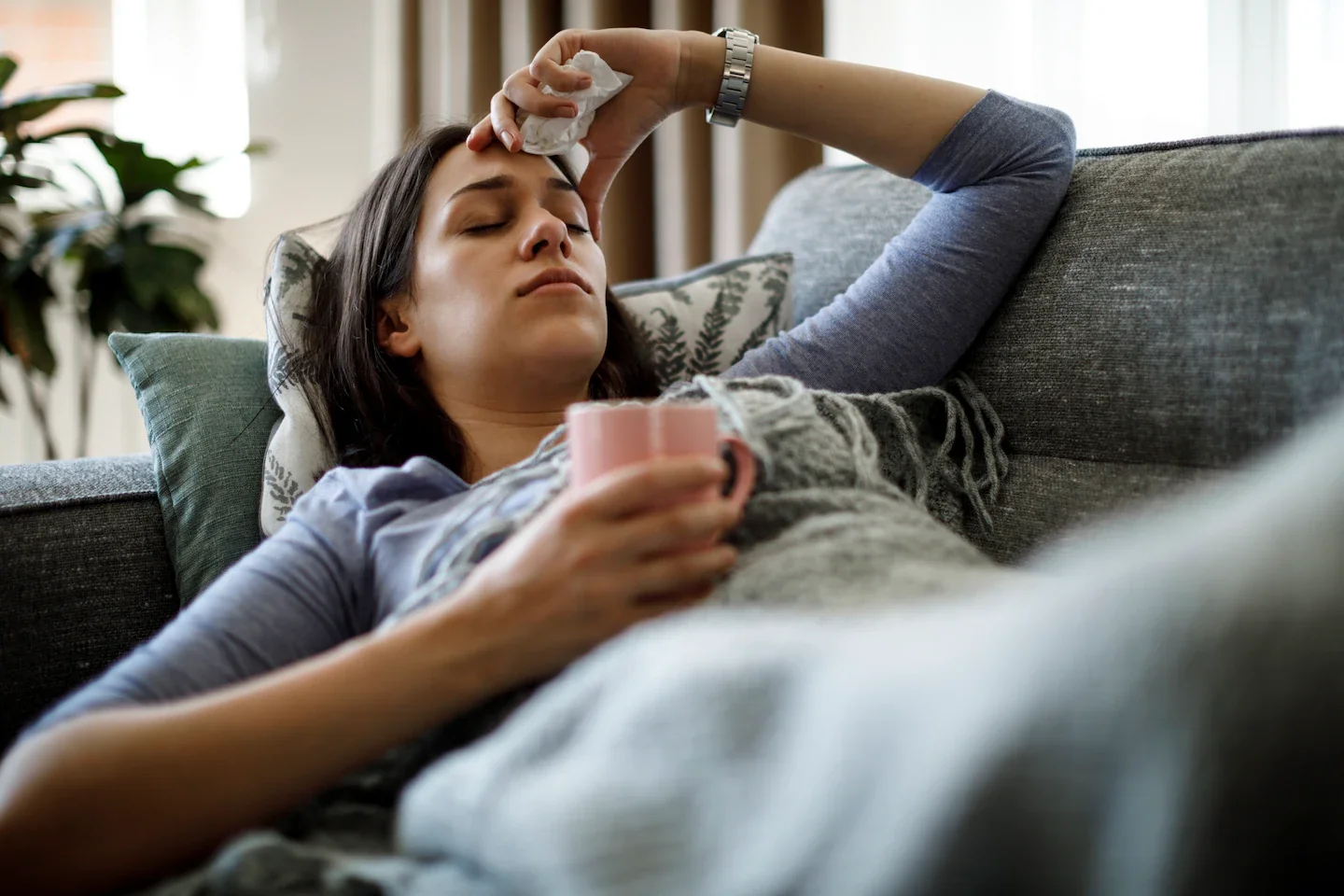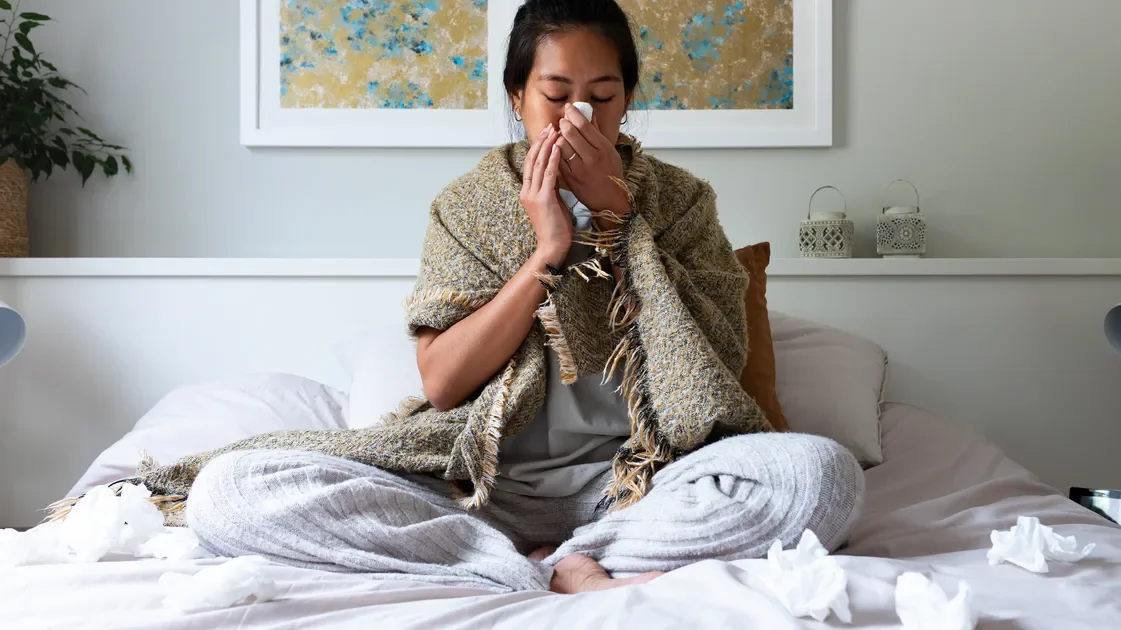
During winter, the most common viruses doctors are seeing include the flu, COVID-19, RSV, and the common cold, with flu being the most prevalent. Vaccinations, good hygiene, and staying home when sick are key to prevention.
Britain is experiencing a surge in respiratory illnesses like colds, flu, and Covid due to seasonal factors, increased indoor activity, and waning immunity, with Rhinovirus being most common. While symptoms overlap, most illnesses are mild, and vaccination along with good hygiene can help protect vulnerable populations. The pattern of virus circulation is returning to normal after pandemic disruptions.
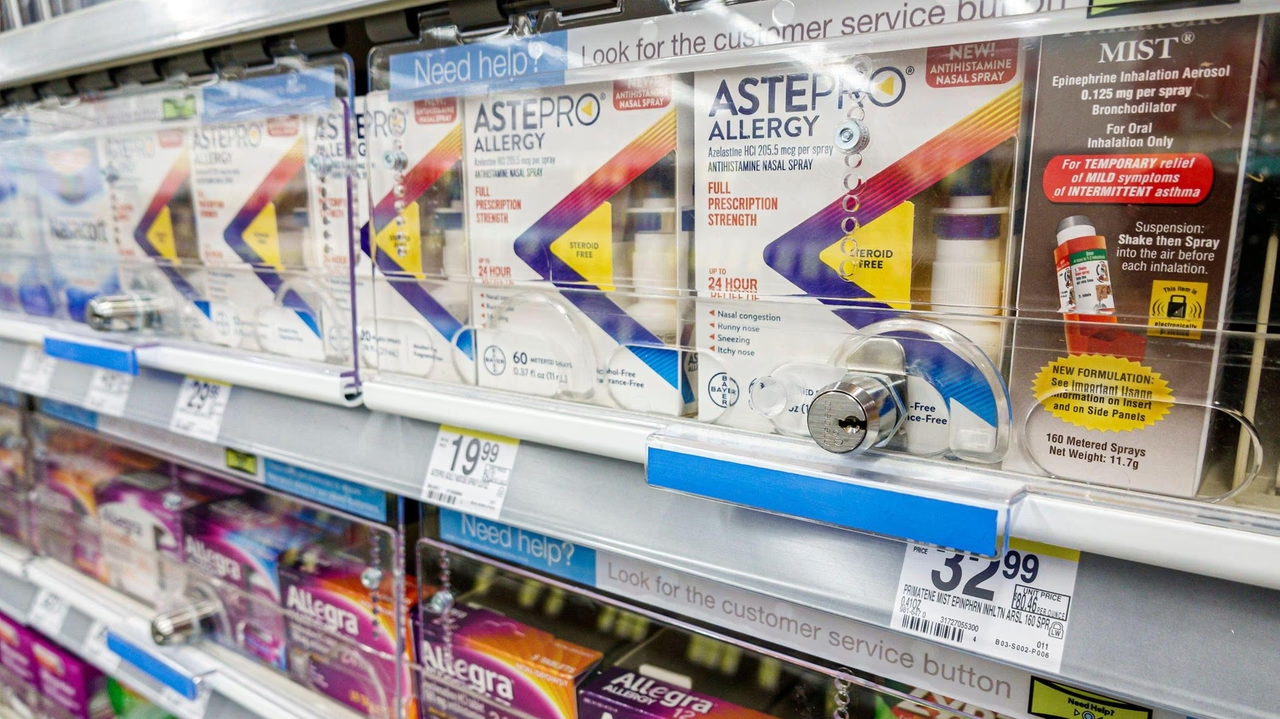
A recent study suggests that nasal sprays, particularly those containing the antihistamine azelastine, may significantly reduce the risk of contracting COVID-19 and the common cold by blocking viruses at the entry point in the nose, though larger studies are needed to confirm these findings.
New research suggests that having a cold, particularly caused by rhinovirus, may reduce the risk of contracting COVID-19 by 48%, possibly due to immune system priming, especially in children who naturally have higher interferon levels. However, experts caution against intentionally catching colds as a prevention strategy.
Research indicates that recent rhinovirus infections, which cause the common cold, may temporarily protect individuals, especially children, from COVID-19 by boosting the immune system through interferons, potentially explaining why children often experience milder COVID-19 symptoms.
Research suggests that having a recent cold, caused by rhinoviruses, may reduce the likelihood of contracting COVID-19 and lead to milder symptoms, possibly due to immune system activation, though it is not a foolproof protection and other precautions are recommended.
A study suggests that recent rhinovirus infections, which cause the common cold, may reduce the risk and severity of COVID-19, especially in children, by triggering antiviral gene expression. Additionally, COVID-19 vaccines significantly reduce hospitalizations and deaths among kidney transplant and dialysis patients, while antibiotic use remains a major risk factor for C. difficile infections in hospitals. The UK reports a rise in H5N1 avian flu in poultry, and health authorities investigate travel-related measles cases in the US and Canada. Prasad resumes his role at the FDA, and the USDA deploys new measures to prevent screwworm spread.
A California pharmacist, Ariana Medizade, claims that consuming two cloves of garlic can cure a common cold in 24 hours due to allicin, a compound that boosts the immune system. She also suggests leaving chopped onions in a room to purify the air, though this lacks scientific backing. While garlic has some proven health benefits, including immune support and antiviral properties, the NHS and Cleveland Clinic note limited evidence for its effectiveness in preventing or curing colds.
As summer approaches, distinguishing between symptoms of spring allergies, Covid-19, and the common cold can be challenging. Experts suggest taking a Covid test for clarity, though these tests are harder to obtain since the public health emergency ended. Generally, allergies rarely cause high fevers, which are more indicative of Covid or another viral infection.
As global temperatures rise, distinguishing between seasonal allergies and the common cold becomes increasingly important. Seasonal allergies, triggered by pollen, cause symptoms like nasal stuffiness and sneezing, while colds, typically caused by viruses, may result in sore throat and fatigue. Allergies are not infectious and can last throughout the season, while colds are contagious and usually resolve within a week. Treatments for allergies include saline rinses, antihistamines, and corticosteroid sprays, while rest, hydration, and staying home are recommended for colds.
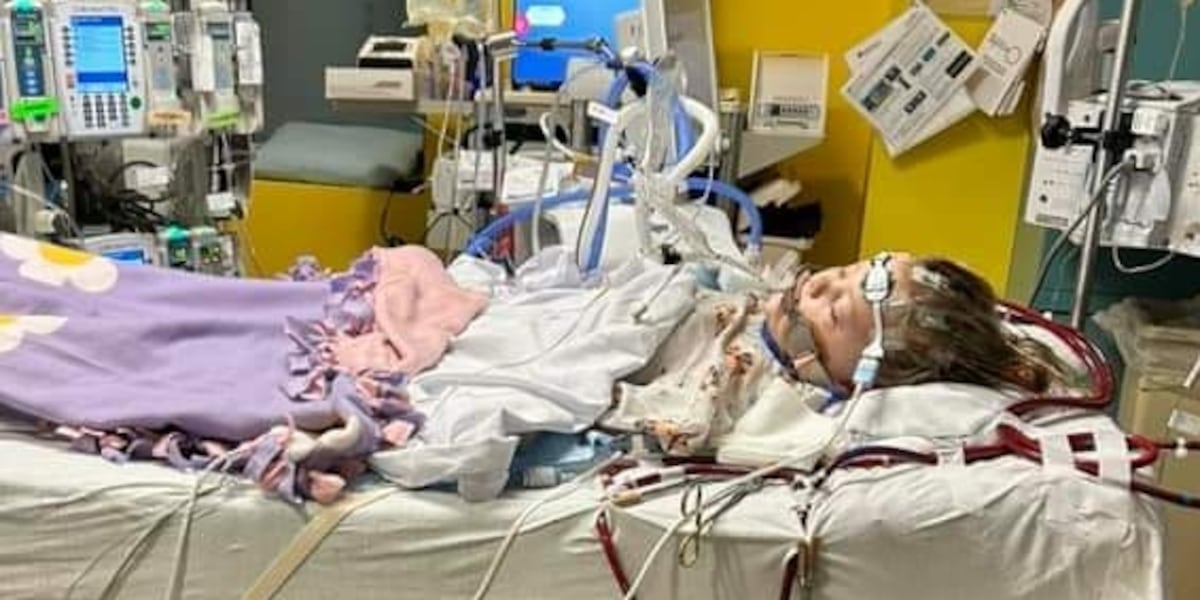
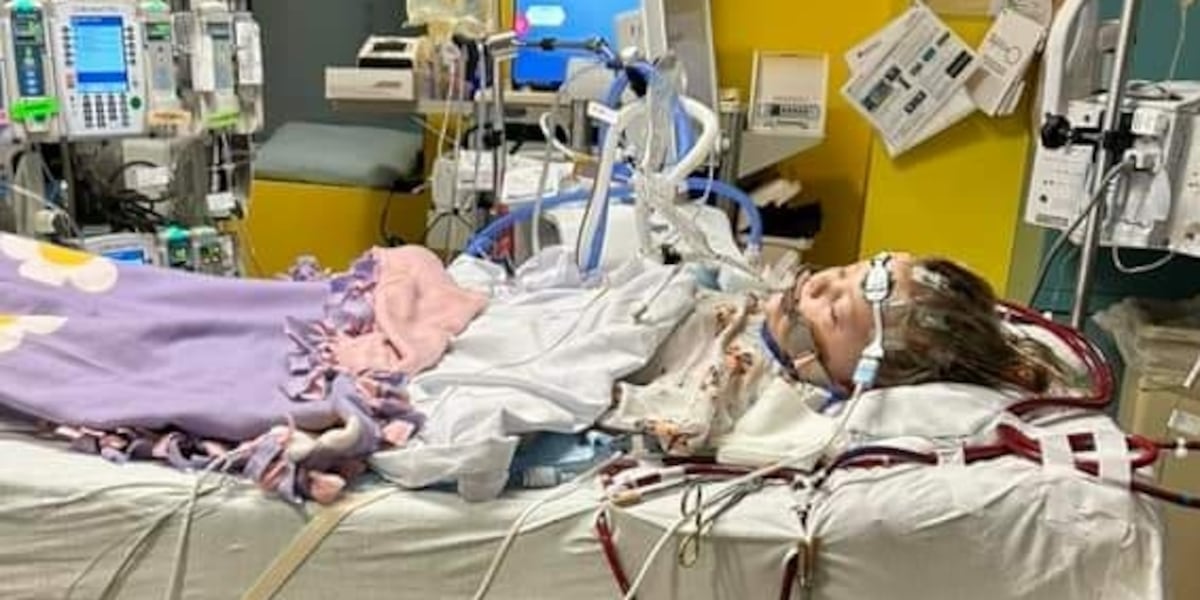
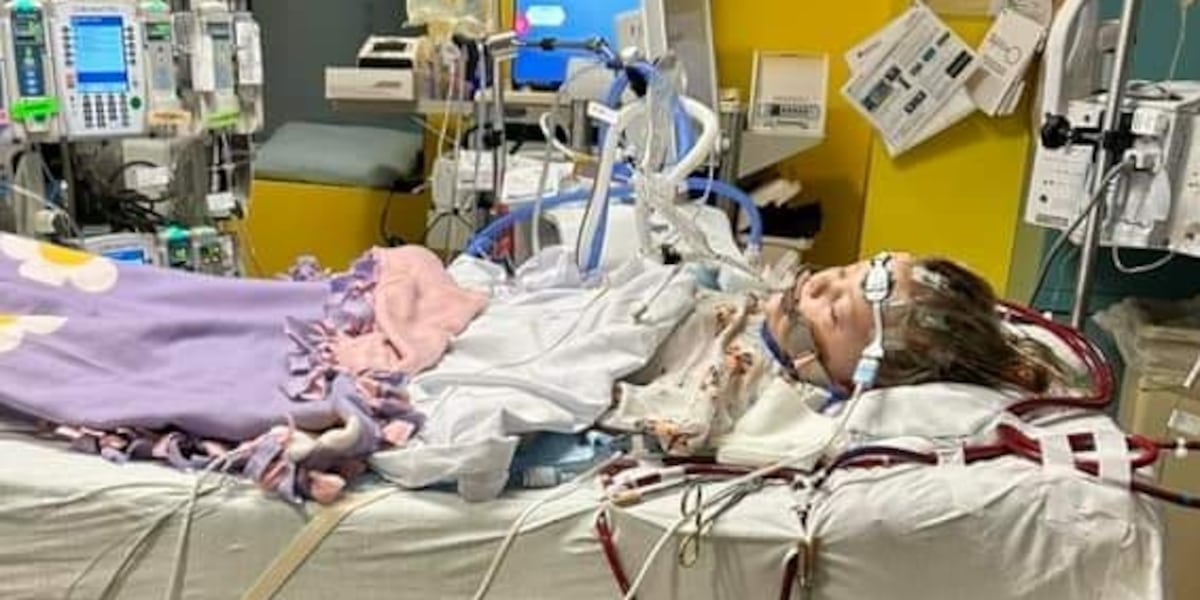
A 4-year-old girl was taken off life support after her common cold symptoms quickly worsened, leading to a stroke and brain surgery. Despite the doctors' expectations of a lengthy recovery, her family made the difficult decision to remove her from life support. Her parents have set up a GoFundMe to support them during this challenging time.
A 4-year-old girl was taken off life support after her common cold symptoms quickly worsened, leading to a stroke and brain surgery. Despite the doctors' expectations of a lengthy recovery, her family made the difficult decision to remove her from life support. The family has set up a GoFundMe to support the parents during this challenging time.
A 4-year-old girl was taken off life support after her common cold symptoms quickly worsened, leading to a stroke and brain surgery. Despite the doctors' expectations of a lengthy recovery, her family made the difficult decision to remove her from life support. The family has set up a GoFundMe to support them during this challenging time.
A 4-year-old girl was taken off life support after her common cold symptoms quickly worsened, leading to a stroke and brain surgery. Despite the doctors' expectations of a lengthy recovery, the decision was made to remove her from life support as there was nothing more that could be done. Her family has set up a GoFundMe to support her parents during this difficult time.
4-year-old Maisie from Strongsville, Ohio, is fighting for her life after a common cold quickly escalated, leading to a stroke and brain surgery. Her parents initially took her to urgent care for cold symptoms, but her condition worsened, requiring emergency care and a medically induced coma. Doctors expect her recovery to take several months, and her family has set up a GoFundMe to support them during this difficult time.