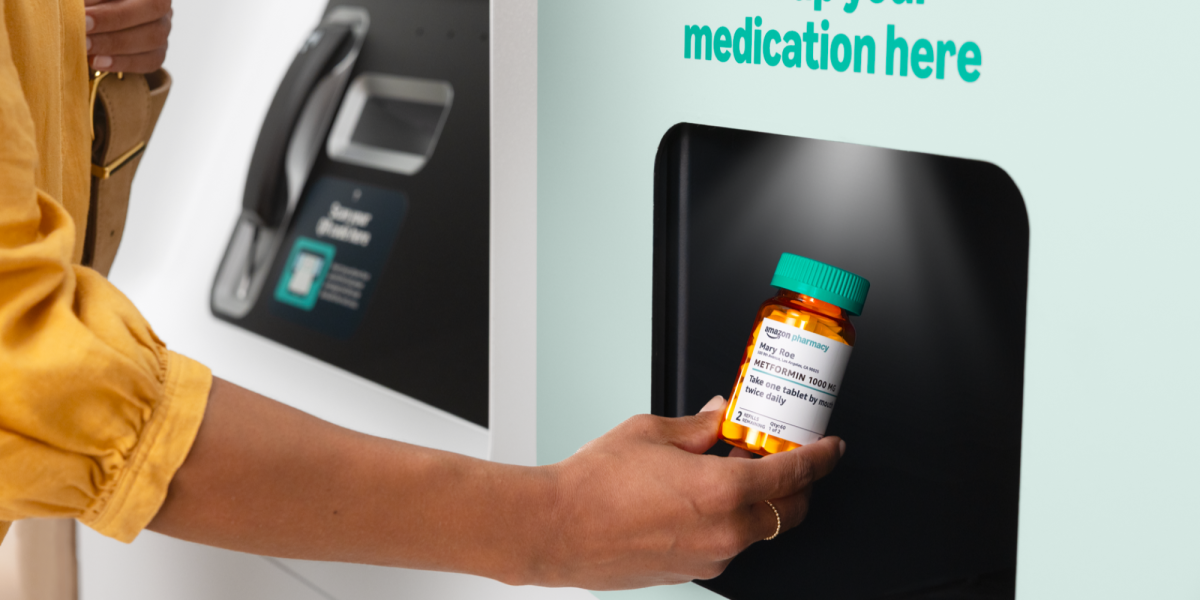
Amazon Pharmacy has introduced in-office kiosks at One Medical locations to allow patients to pick up prescriptions immediately after appointments, improving access and adherence to medication, especially in underserved areas, with plans to expand in the Los Angeles area by December 2025.
Mayo Clinic is leading the healthcare industry in AI adoption, with nearly 100 AI algorithms in use and hundreds more in development, aiming to enhance diagnosis, research, and patient care through advanced technology and extensive data utilization.
OpenEvidence, a rapidly growing medical AI platform used by over 40% of U.S. physicians, announced a $210 million Series B funding round at a $3.5 billion valuation, and launched OpenEvidence DeepConsult™, an AI agent designed to assist physicians with advanced medical research, aiming to improve clinical decision-making and patient outcomes.
Microsoft has developed an AI system that outperforms human doctors in diagnosing complex health conditions, solving over 80% of selected case studies compared to 20% by physicians, and aims to complement rather than replace medical professionals, though further testing is needed before clinical use.
Researchers from the University of Texas at Austin and UCLA have developed printable, temporary 'e-tattoos' as a more convenient alternative to traditional EEG caps for measuring brain activity. These e-tattoos use biocompatible ink and can be applied in about 15 minutes, offering improved comfort and usability for over 24 hours. While they provide signal quality comparable to wet gel electrodes, challenges remain for use on individuals with longer hair and for sleep monitoring. The technology represents a significant advancement in neurotechnology, though commercialization details are yet to be confirmed.
The Forbes 30 Under 30 Healthcare 2025 list highlights young entrepreneurs and researchers tackling major healthcare challenges through AI and innovative solutions. Notable figures include Anirudh Joshi of Valar Labs, which uses AI to analyze cancer tumors, and Rob Baldoni of Dannce.ai, applying deep learning to neurological conditions. The list features innovators in both software and hardware, such as FluxWear's neuromodulation device and MEDU Protection's reusable hospital gowns, showcasing advancements in drug development, medical devices, and care accessibility.
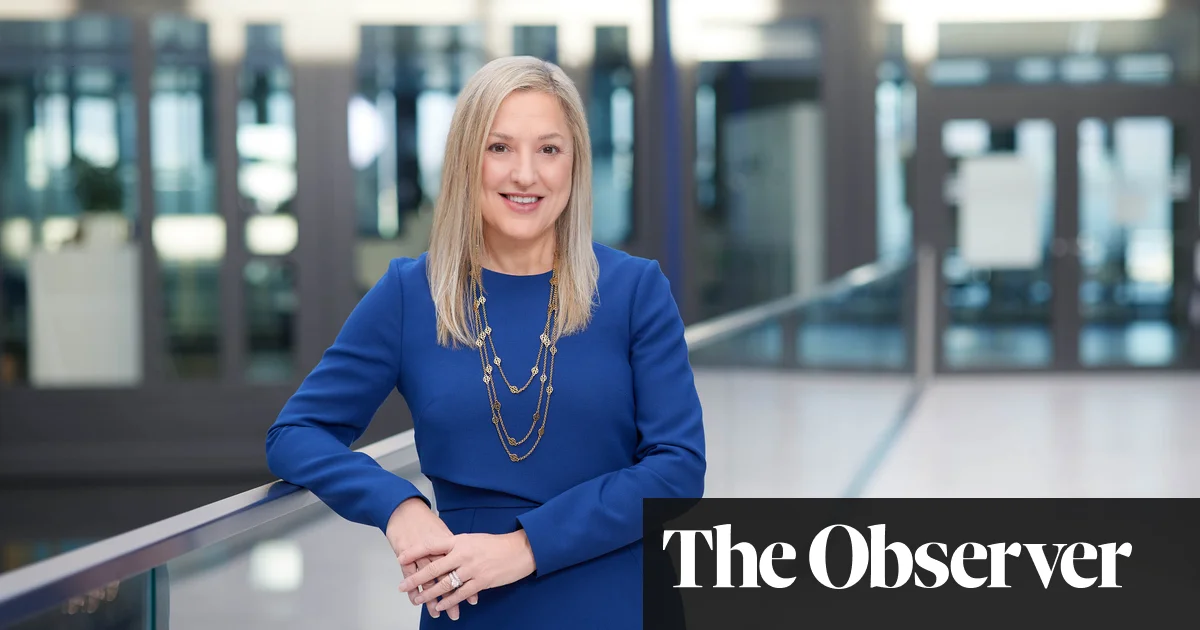
Helen Giza, CEO of Fresenius Medical Care, highlights the potential of new weight-loss drugs like Wegovy and Ozempic to extend the lives of chronic kidney disease patients. These drugs, known as GLP-1s, offer cardiovascular benefits that could delay the progression to end-stage renal disease. Fresenius is also launching an advanced dialysis machine in the US, which mimics natural kidney function and improves survival rates. Despite challenges like staff shortages and legal issues, Fresenius continues to innovate in dialysis and renal care globally.
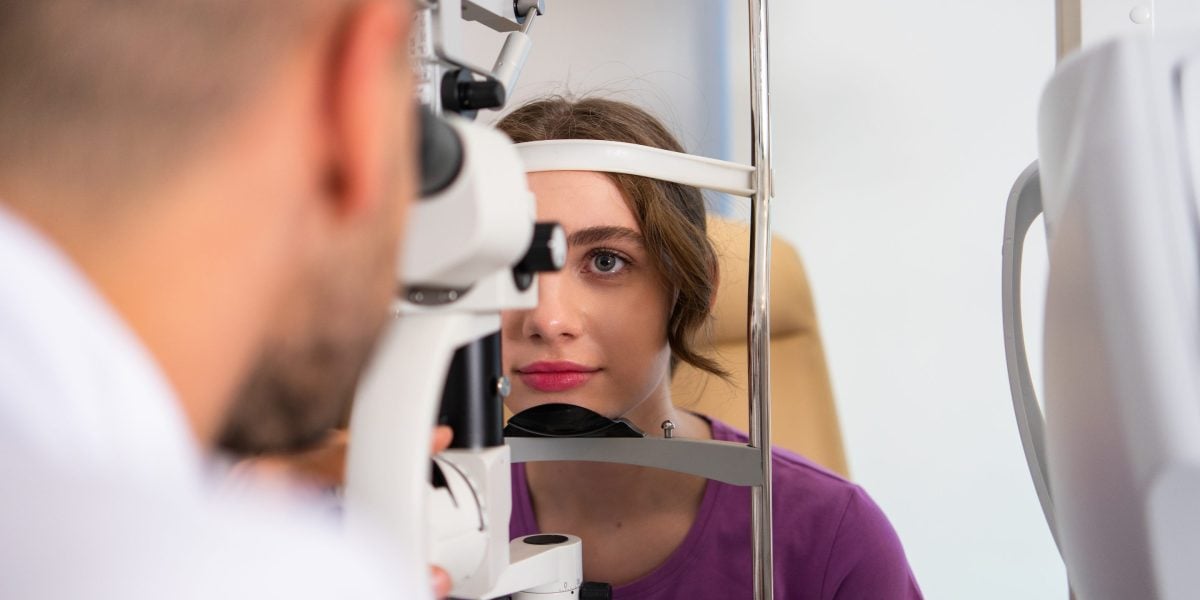
Artificial intelligence algorithms are revolutionizing eye exams for diabetic retinopathy, offering quick diagnoses without the need for a doctor's presence. This technology has shown significant benefits for both patients and providers, providing immediate results, cost savings, and convenience. Despite some concerns about potential downsides, such as missing other diseases and over-referring patients, the AI system has proven to increase follow-up rates after positive results. With FDA-approved AI eye exams being adopted by hundreds of practices nationwide, the technology is expanding to include additional cameras and other eye diseases, positioning ophthalmology as a field where AI innovation is rapidly advancing.
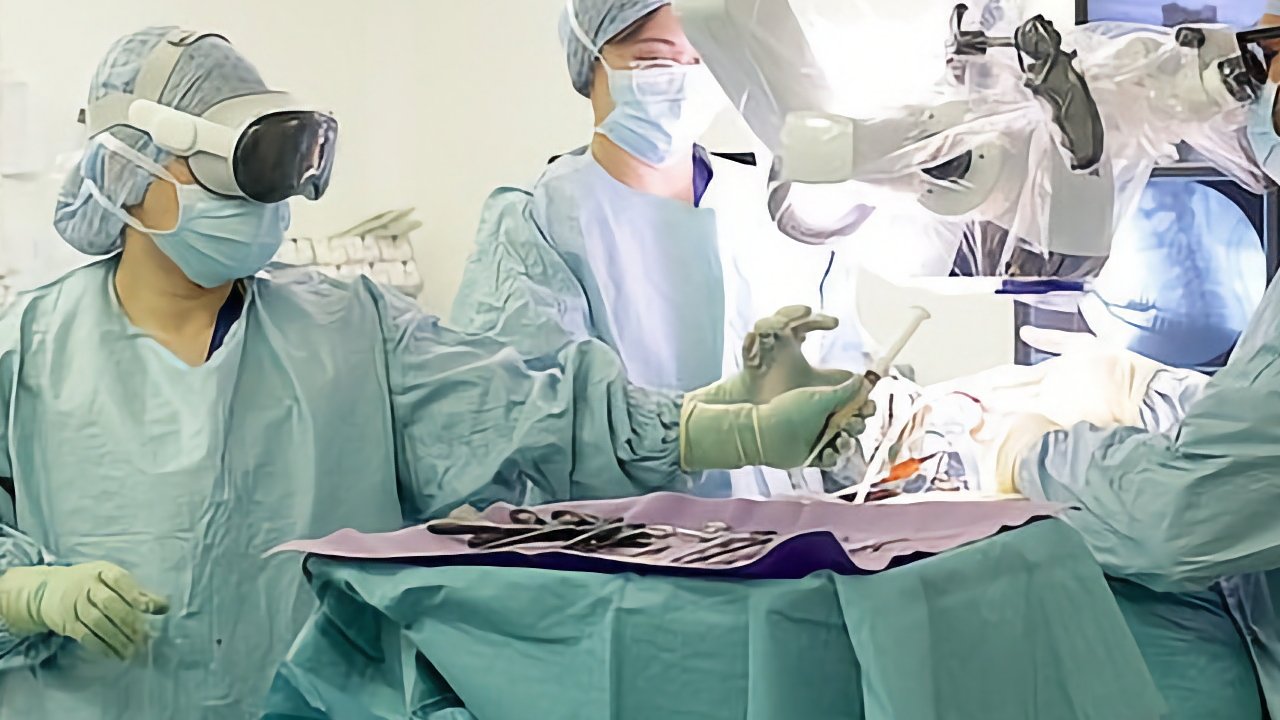
Surgical assistant in London's Cromwell Hospital used Apple Vision Pro for a spinal operation, praising its benefits in eliminating human error and providing confidence in surgery. The headset, worn by the assistant, allowed for better preparation and tool management during the procedure. Surgeons hailed it as a "gamechanger" and a tool for transferring experience to new staff, despite previous positive experiences with HoloLens 2.
Venture capital firm General Catalyst plans to buy nonprofit hospital system Summa Health, aiming to introduce new tech-enabled solutions to make care more accessible and affordable. The move has sparked concerns in the Ohio community, with some fearing the impact of the for-profit transition and potential changes to the hospital's operations. General Catalyst's CEO, Dr. Marc Harrison, emphasizes that the objective isn't to cut costs but to bring sustainable innovation to Summa, transitioning it to a value-based care model. The deal is still pending regulatory approval, and stakeholders are closely watching this unprecedented venture into the healthcare sector.
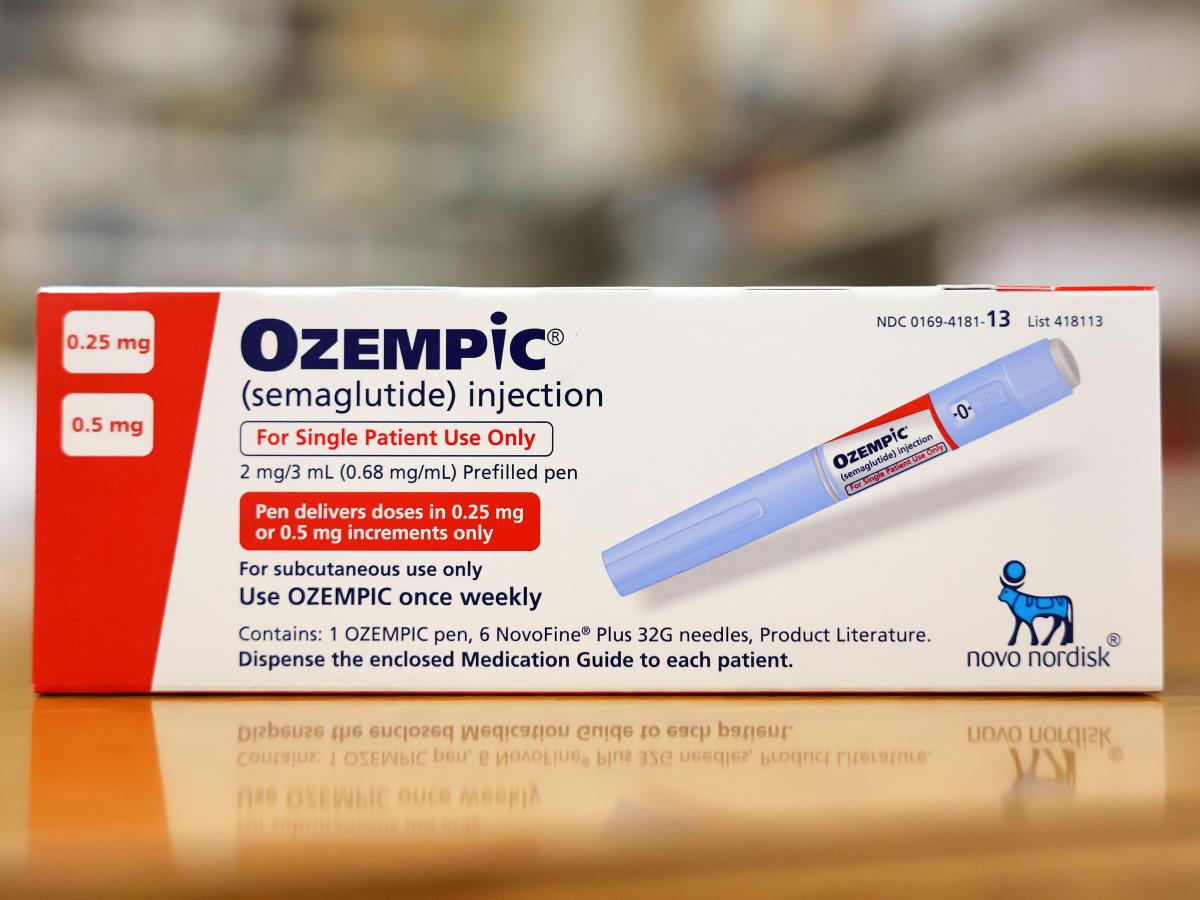
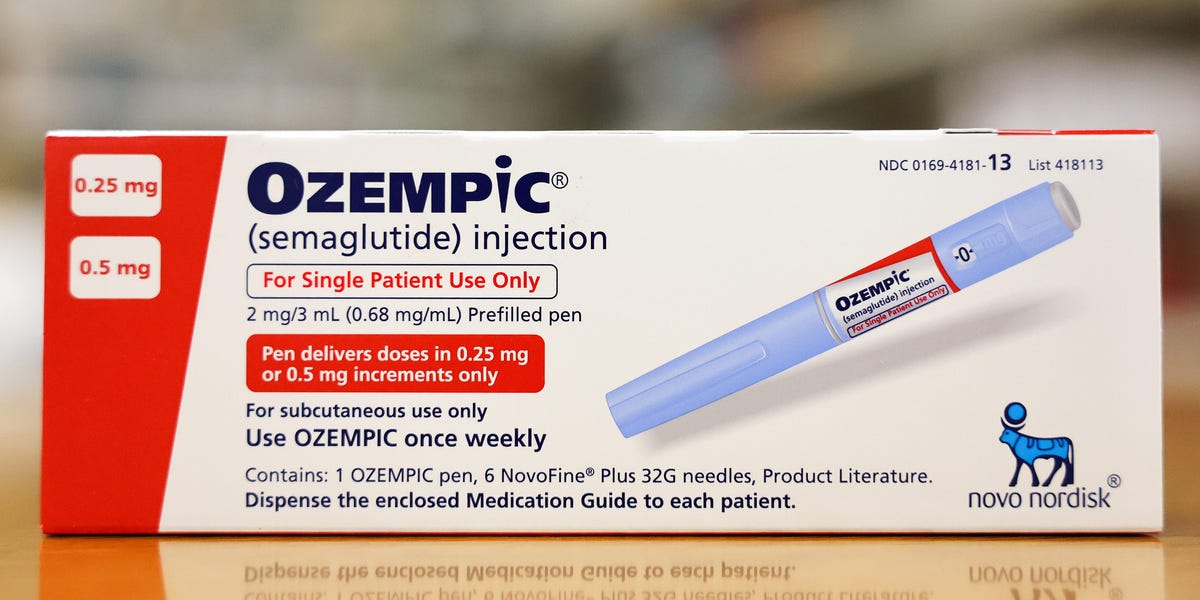
Goldman Sachs predicts that if 60 million Americans take GLP-1 weight loss drugs like Ozempic by 2028, the US GDP could grow by an additional 1%, attributing this to the economic costs of poor health on labor supply and productivity. The drugs have shown promise in improving health outcomes for patients with type 2 diabetes and obesity, potentially leading to significant spillover effects on the broader economy, including increased productivity and GDP growth in excess of current trends.
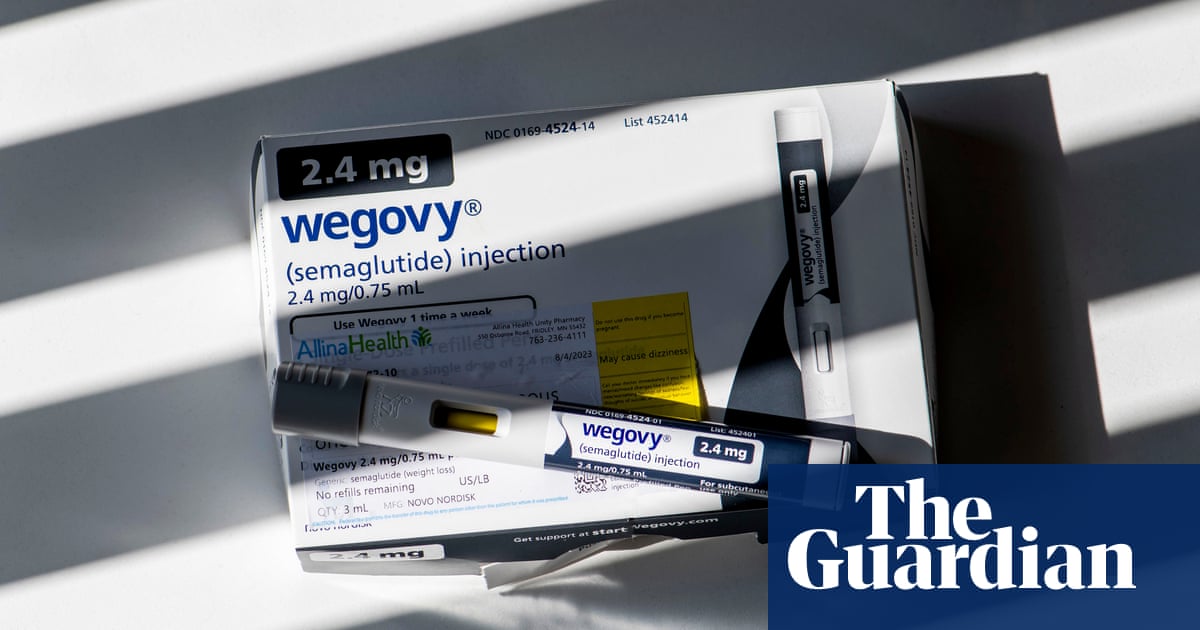
Goldman Sachs forecasts a potential 1% jump in US GDP if 60 million Americans take GLP-1 weight loss drugs by 2028, citing the economic burden of poor health on labor supply and productivity. The drugs, such as Ozempic and Wegovy, have shown promising results in weight loss and improving health outcomes for patients with type 2 diabetes and obesity. With the US obesity rate at around 40%, the potential widespread use of these drugs could lead to significant economic spillovers, including increased productivity and GDP growth.
Goldman Sachs predicts that the widespread use of weight-loss drugs in the US could increase the country's GDP by 1% due to improved workplace efficiency from lower obesity-related health issues. The market for these drugs is expected to reach $100bn annually, with potential for significant economic impact. However, the use of these drugs is controversial, and their effects on broader health and societal issues are being closely watched.
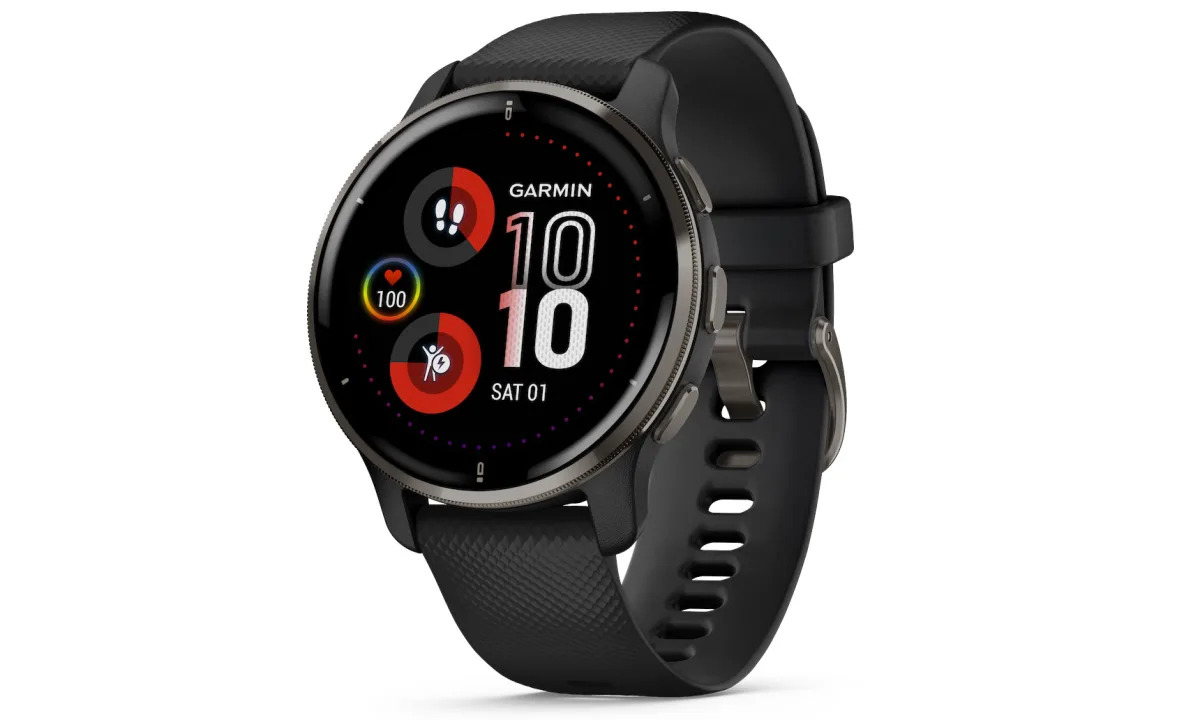
Researchers in the UK are exploring the use of Garmin Venu 2 smartwatches and a dedicated app to conduct the Six Minute Walk Test (6MWT) for cardiovascular health remotely. The study aims to make the test shorter and digitize it for home use, potentially reducing the need for frequent hospital visits. Initial results suggest that shortening the test to one minute has no detrimental effect on its accuracy, and patients are more likely to perform the test regularly at home. This innovation could provide more representative health data and reduce the frequency of in-person hospital reviews for conditions like pulmonary hypertension, allowing clinicians to focus their time and expertise more effectively.
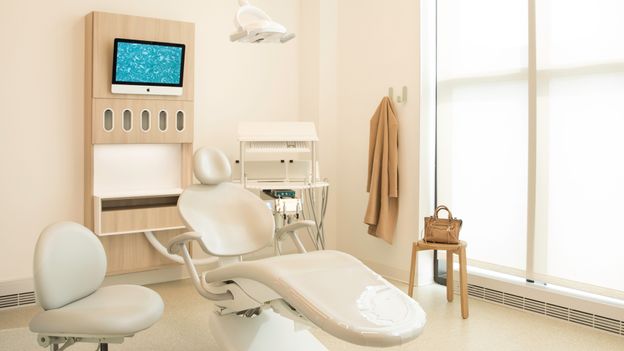
Several tech start-ups are revolutionizing the US healthcare industry by offering curated, minimalist, and efficient healthcare services, both physically and digitally. These companies aim to address major pain points in the healthcare system, such as cost and accessibility, by providing inviting and spa-like environments, simplifying appointment-booking, and working directly with insurers. The proliferation of virtual health start-ups has been accelerated by the pandemic, making digital services more desirable and accessible. While these disruptors have made healthcare more accessible and convenient, their overall success and viability remain uncertain, with the need for collaboration between traditional healthcare providers and start-ups to navigate regulatory and payment challenges.