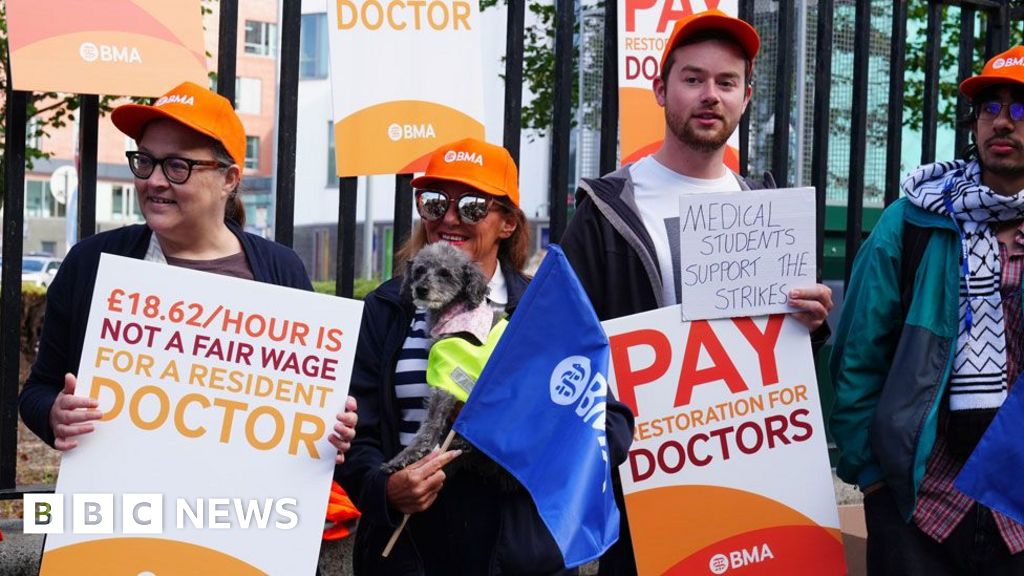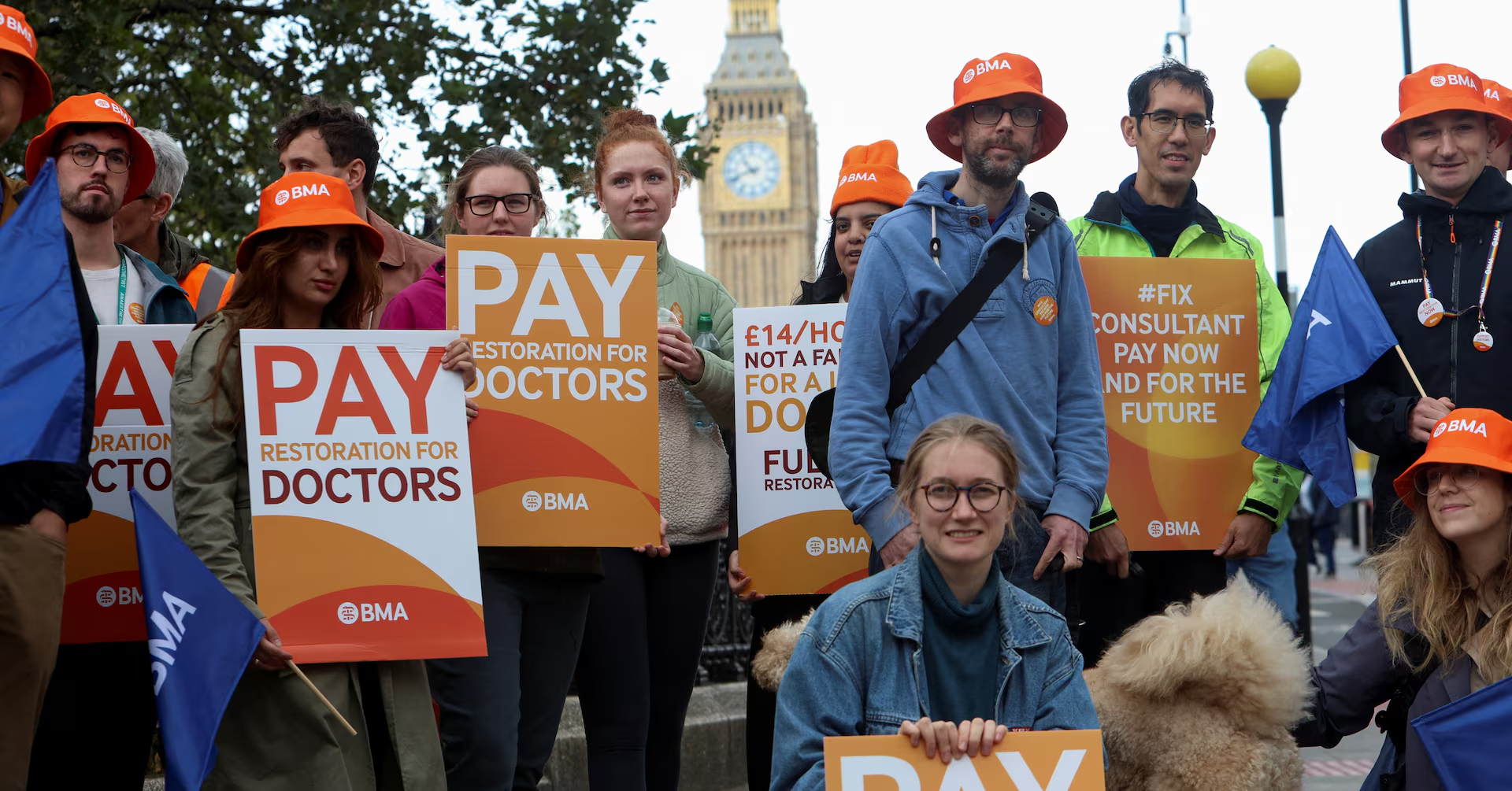
UK Health Minister Wes Streeting has pledged to do everything possible to prevent further doctors' strikes amid ongoing disputes over pay and working conditions, which have added strain to the NHS during a period of rising flu cases and hospital admissions. Talks with the British Medical Association are set to resume early next year, aiming to avoid future industrial action and stabilize the healthcare system.

Mark Cuban comments on President Trump's new drug platform, TrumpRx.gov, which aims to sell discounted prescription drugs directly to consumers. Cuban sees potential if it can challenge existing pharmacy benefit managers (PBMs), though current market reactions suggest skepticism. The platform partners with Pfizer and could influence drug pricing, but experts doubt it will significantly lower costs for most Americans due to systemic issues with PBMs and insurance-based purchasing.
The NHS in England is facing a challenging few days due to a five-day strike by resident doctors over pay disputes, with efforts to minimize disruption while maintaining essential services. The strike has led to cancellations and stretched resources, with government and union negotiations ongoing, and concerns about the impact on patient care and NHS progress.
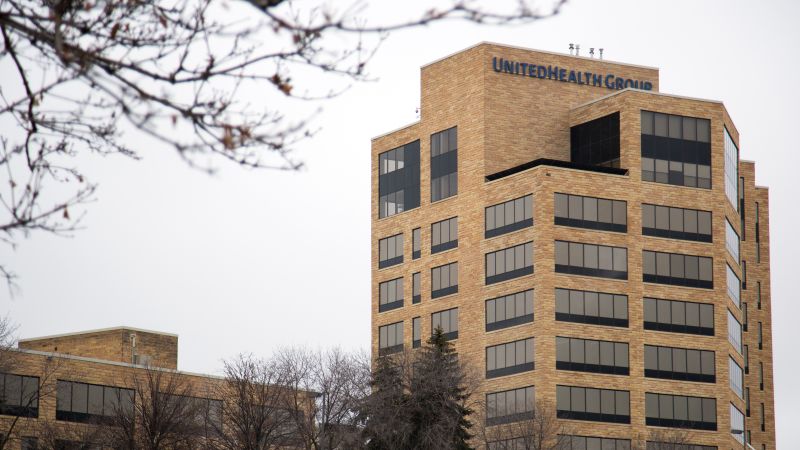
UnitedHealth Group's first-quarter earnings report will provide insight into the financial impact of the cyberattack on its Change Healthcare subsidiary, which caused significant disruption in the U.S. healthcare system. Analysts are eager to see how the company accounts for the cyberattack costs and its impact on other operations within its Optum division. The outage has affected healthcare providers and insurers, leading to increased uncertainty for Medicare Advantage insurers and potentially impacting their ability to track medical utilization costs in real time. The delayed outlook on medical costs will also affect the preparation of 2025 Medicare Plan bids.
A new study published in BJU International reveals that the COVID-19 pandemic led to a significant decrease in prostate cancer diagnoses, with a 31% drop in 2020 compared to the prior year in the U.K. This resulted in an estimated 20,000 missed prostate cancer cases in England alone. The study suggests that healthcare providers should focus on identifying the affected individuals and highlights the impact of pandemic-related disruptions on healthcare-seeking behavior and access to non-COVID-19-related healthcare services.
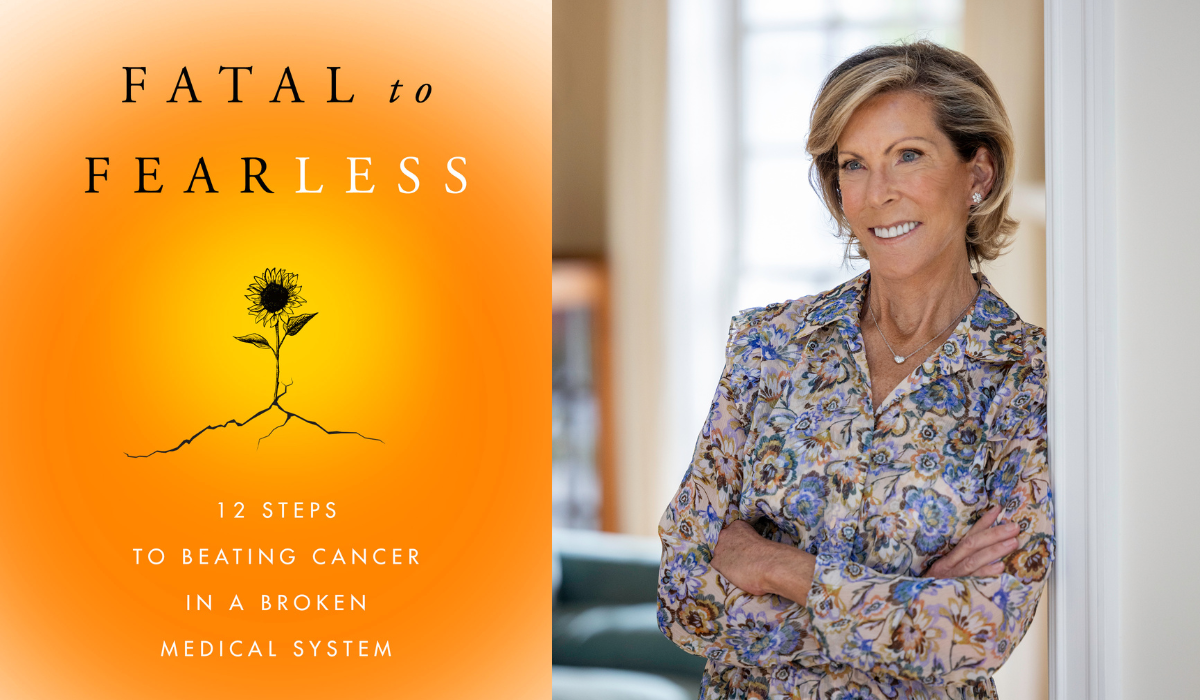
Kathy Giusti, a two-time cancer survivor, shares her journey from a fatal diagnosis to fearless activism in cancer research and patient advocacy. She emphasizes the importance of patients taking charge of their healthcare, understanding their disease, and respecting caregivers' needs. Giusti's new book, "Fatal to Fearless," offers 12 steps to navigate the broken medical system and provides insightful advice for anyone facing a life-changing illness. As the founder of the Multiple Myeloma Research Foundation, she has raised over $500 million for research and helped develop treatments, emphasizing the power of patient involvement in research and healthcare disruption.
A cyberattack on Change Healthcare, a unit of UnitedHealth, has disrupted prescription processing for tens of thousands of pharmacies across the US, leaving patients to pay out of pocket or risk going without critical medication. The attack has affected multiple states, including military pharmacies, and big university health systems. The FBI, US Cybersecurity and Infrastructure Security Agency, and the Department of Health and Human Services are working to assess the impact on patient care, while the recovery process for Change Healthcare is expected to be lengthy and burdensome. The responsible party for the hack remains unclear.
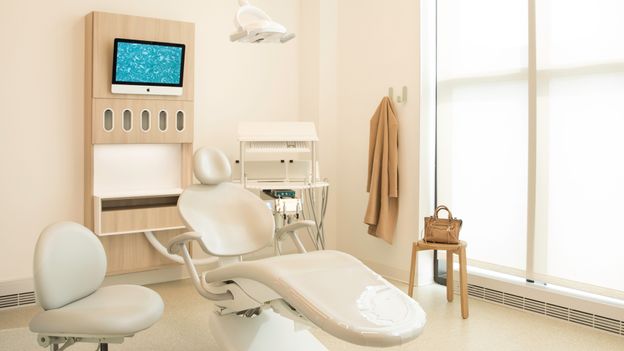
Several tech start-ups are revolutionizing the US healthcare industry by offering curated, minimalist, and efficient healthcare services, both physically and digitally. These companies aim to address major pain points in the healthcare system, such as cost and accessibility, by providing inviting and spa-like environments, simplifying appointment-booking, and working directly with insurers. The proliferation of virtual health start-ups has been accelerated by the pandemic, making digital services more desirable and accessible. While these disruptors have made healthcare more accessible and convenient, their overall success and viability remain uncertain, with the need for collaboration between traditional healthcare providers and start-ups to navigate regulatory and payment challenges.