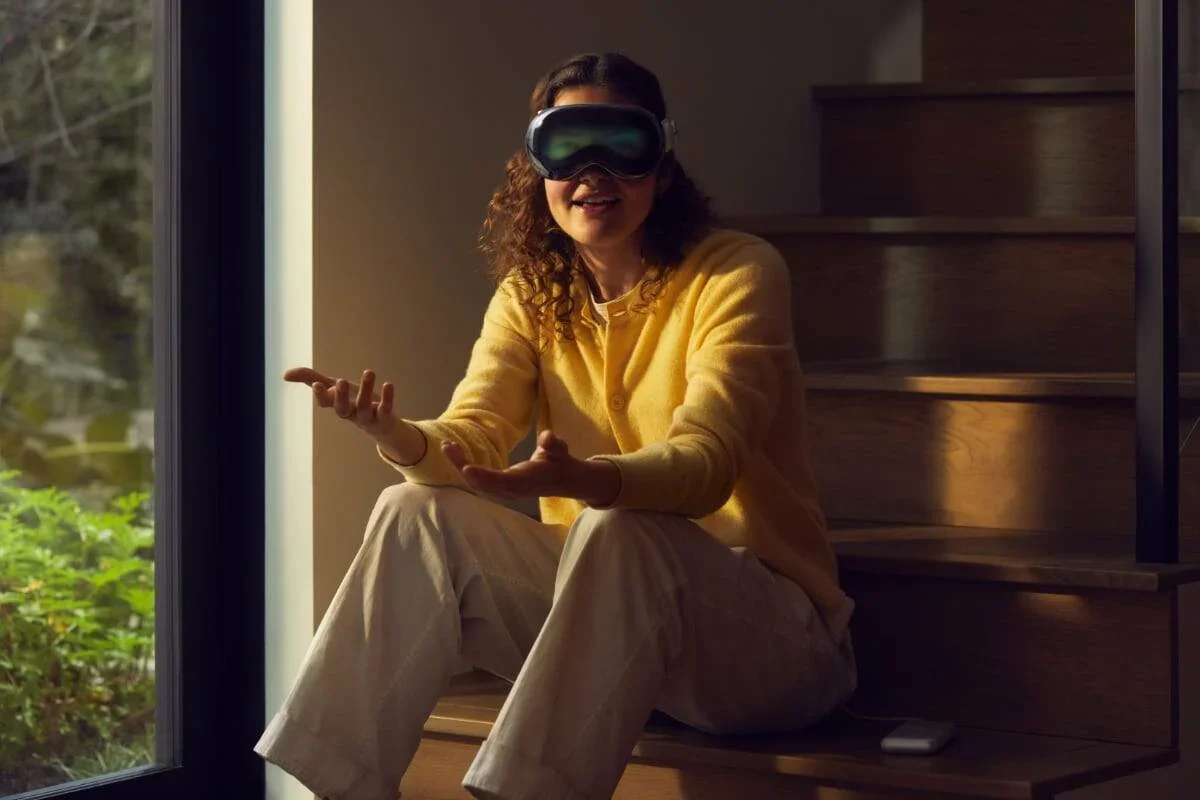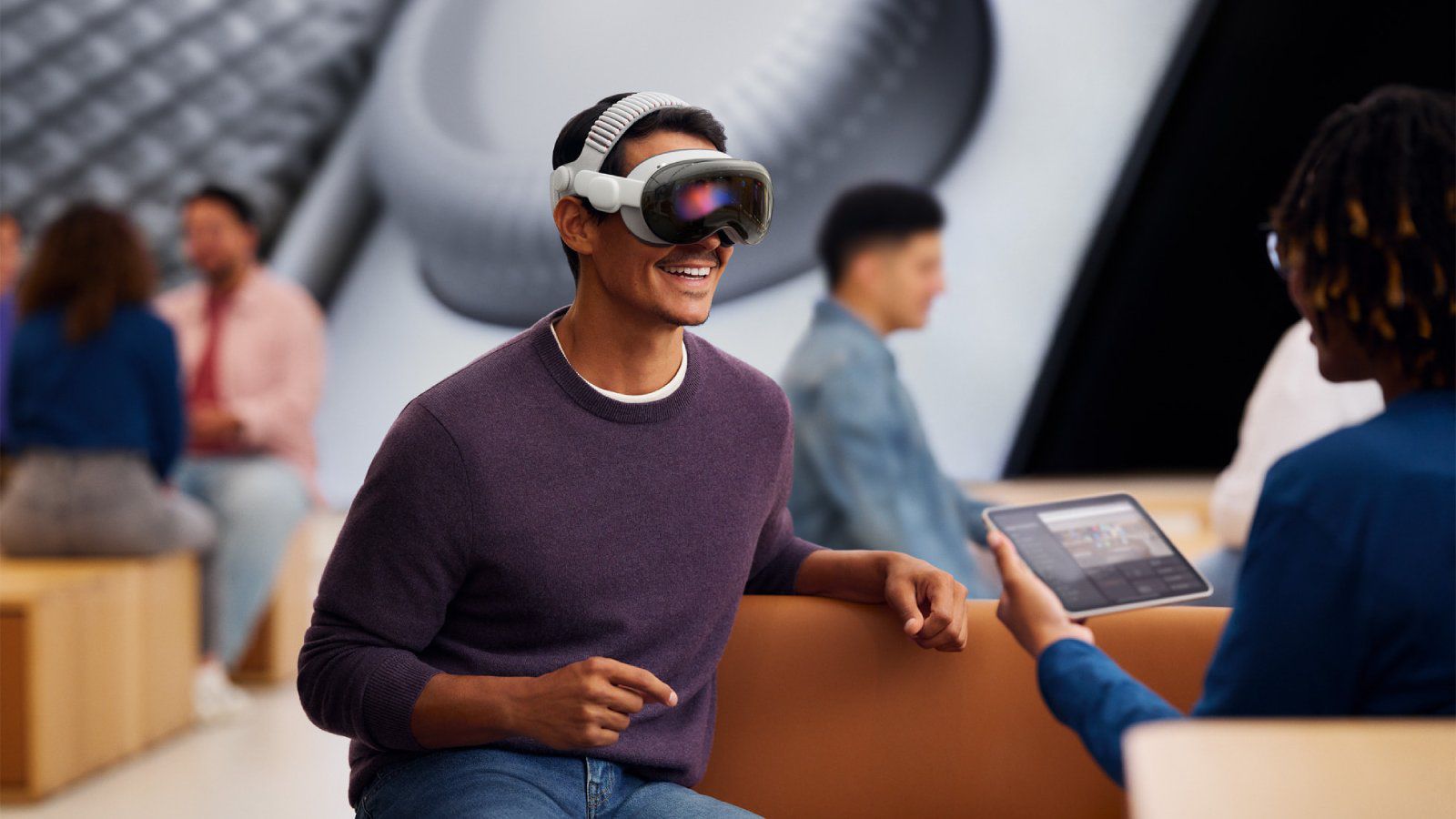
In 2025, both Apple and Meta faced significant challenges in the VR headset market, with Apple shipping only 45,000 Vision Pro units and Meta experiencing a 16% decline in Quest shipments, amid a broader market downturn and reduced advertising. Despite the slump in consumer VR, the market for smart glasses is booming, with IDC projecting a 211.2% growth in 2025, and Apple and Meta exploring enterprise and educational applications for their devices. The market is expected to recover somewhat in 2026, especially for Apple with plans for a lower-cost headset targeting enterprise use.
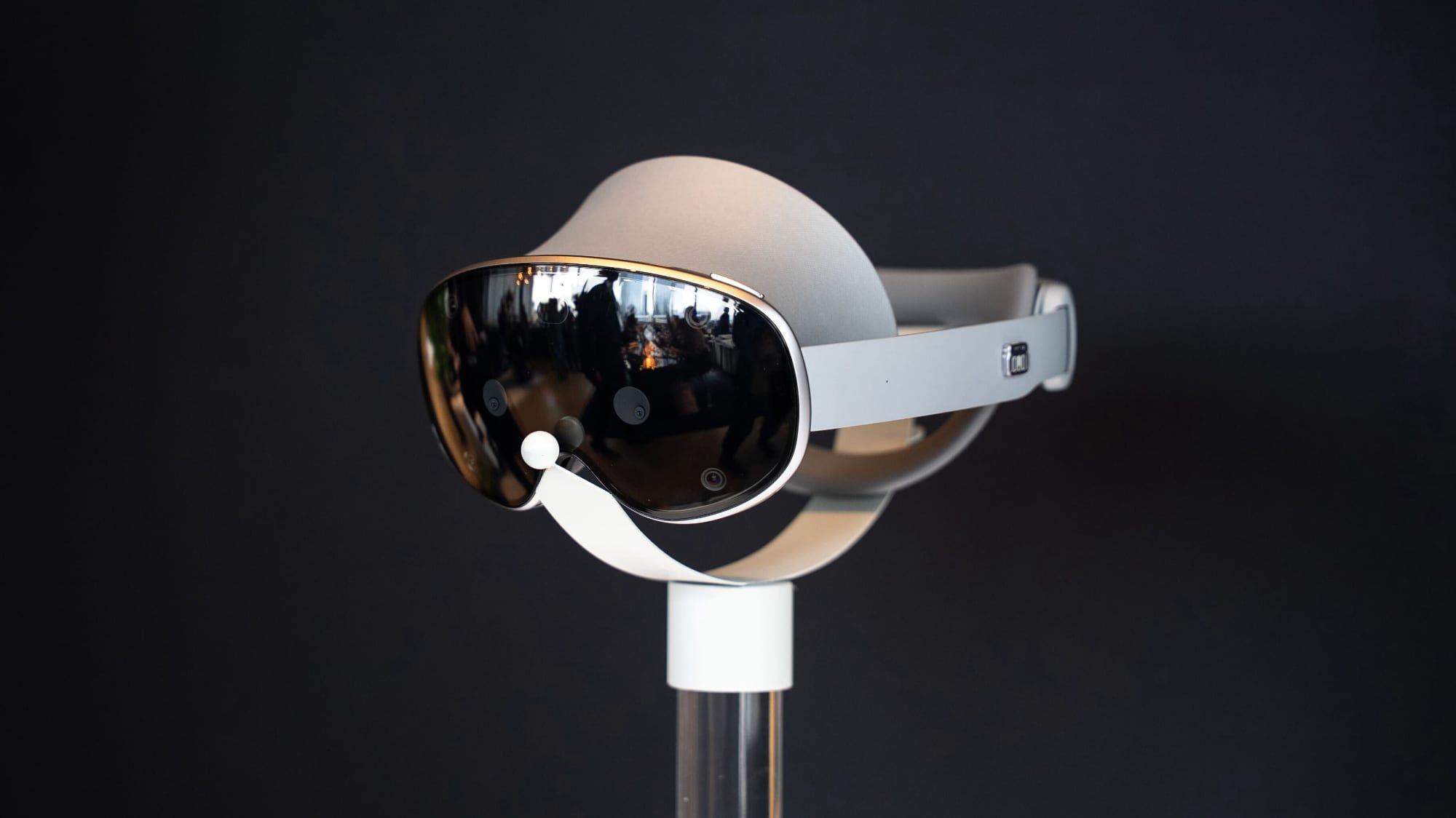
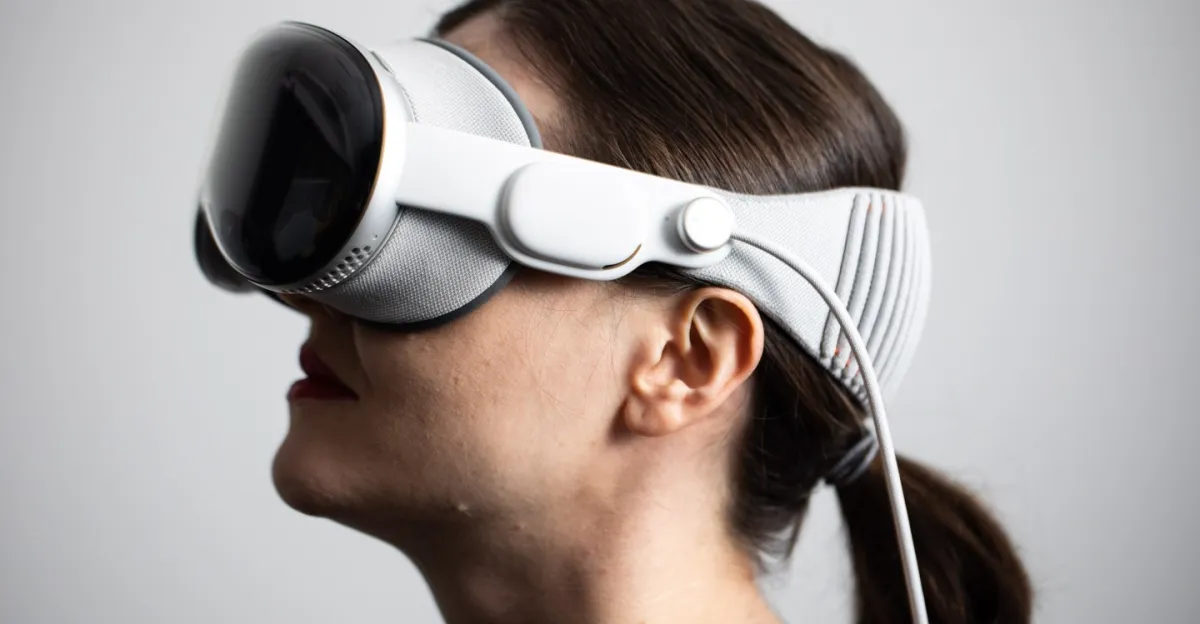
Despite reports labeling Apple Vision Pro a failure due to low sales and production cuts, the device is positioned as a niche, high-end product aimed at early adopters and enterprise users, serving as a foundation for future AR and spatial computing developments. Its true success may lie in shaping the platform and developer ecosystem rather than immediate sales figures.
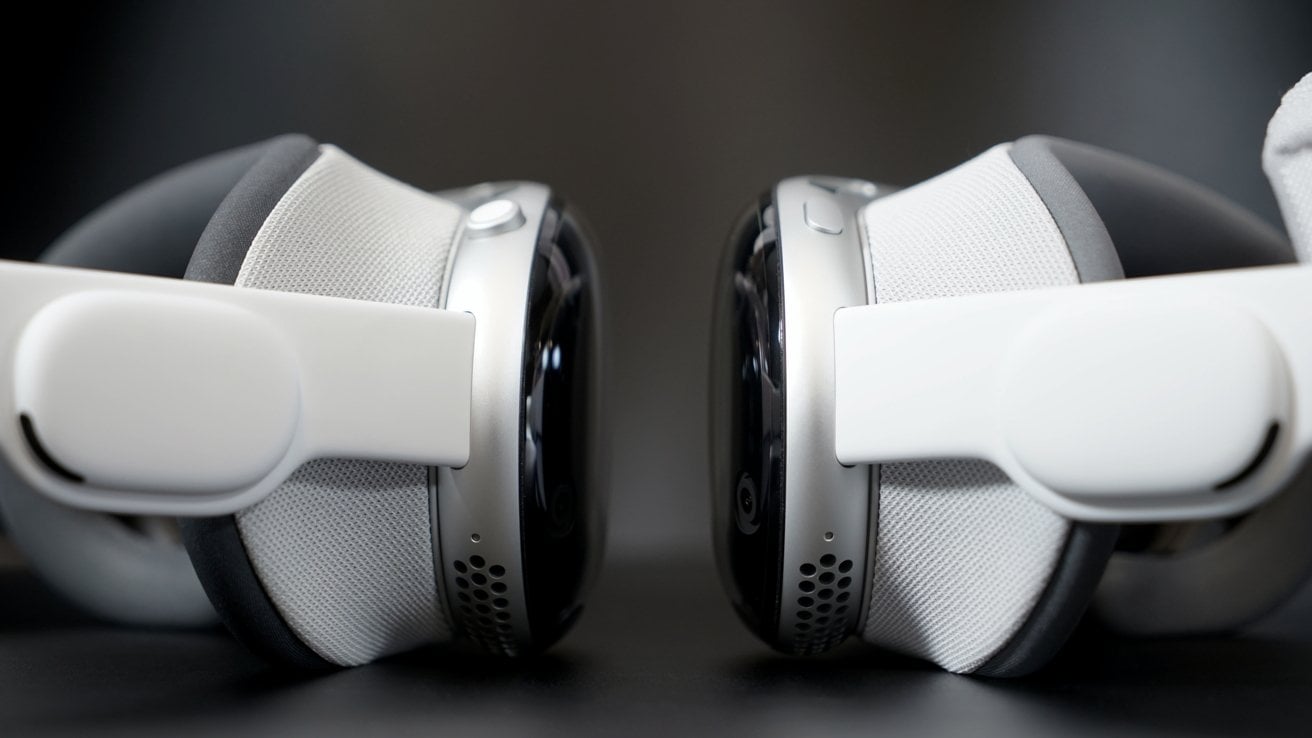
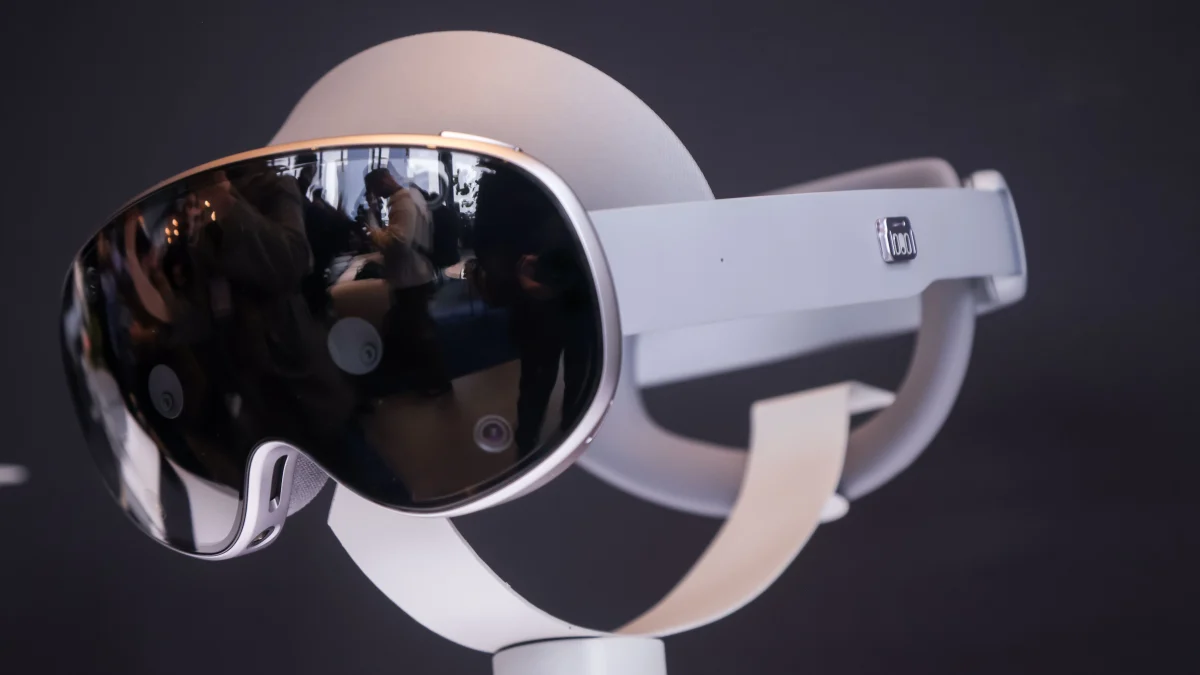
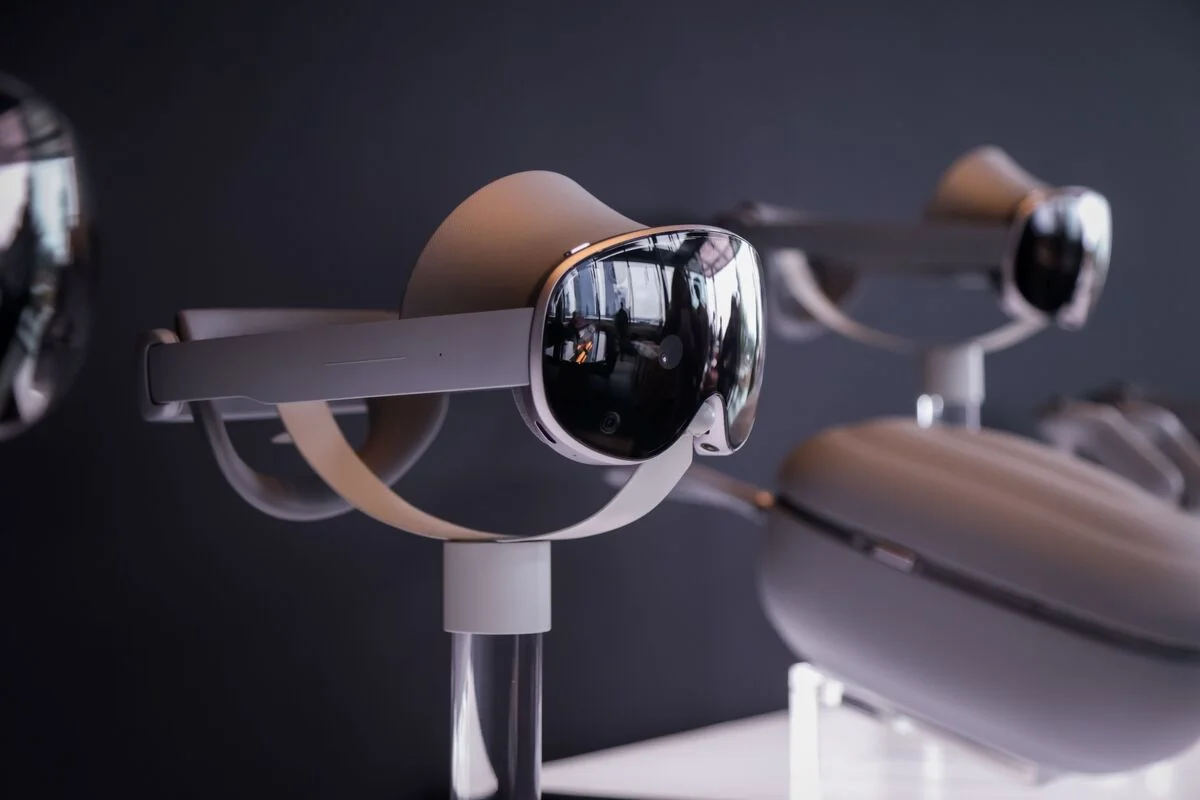
Apple's Vision Pro headset has been updated with the M5 chip, offering improved performance, higher refresh rate, more pixels, and longer battery life compared to the original M2 version. Despite hardware similarities, the M5 model is more powerful and efficient, making it suitable for demanding tasks, while the M2 remains a good value for casual users. The update is incremental, with minor enhancements in display and battery, and the choice depends on user needs and budget.
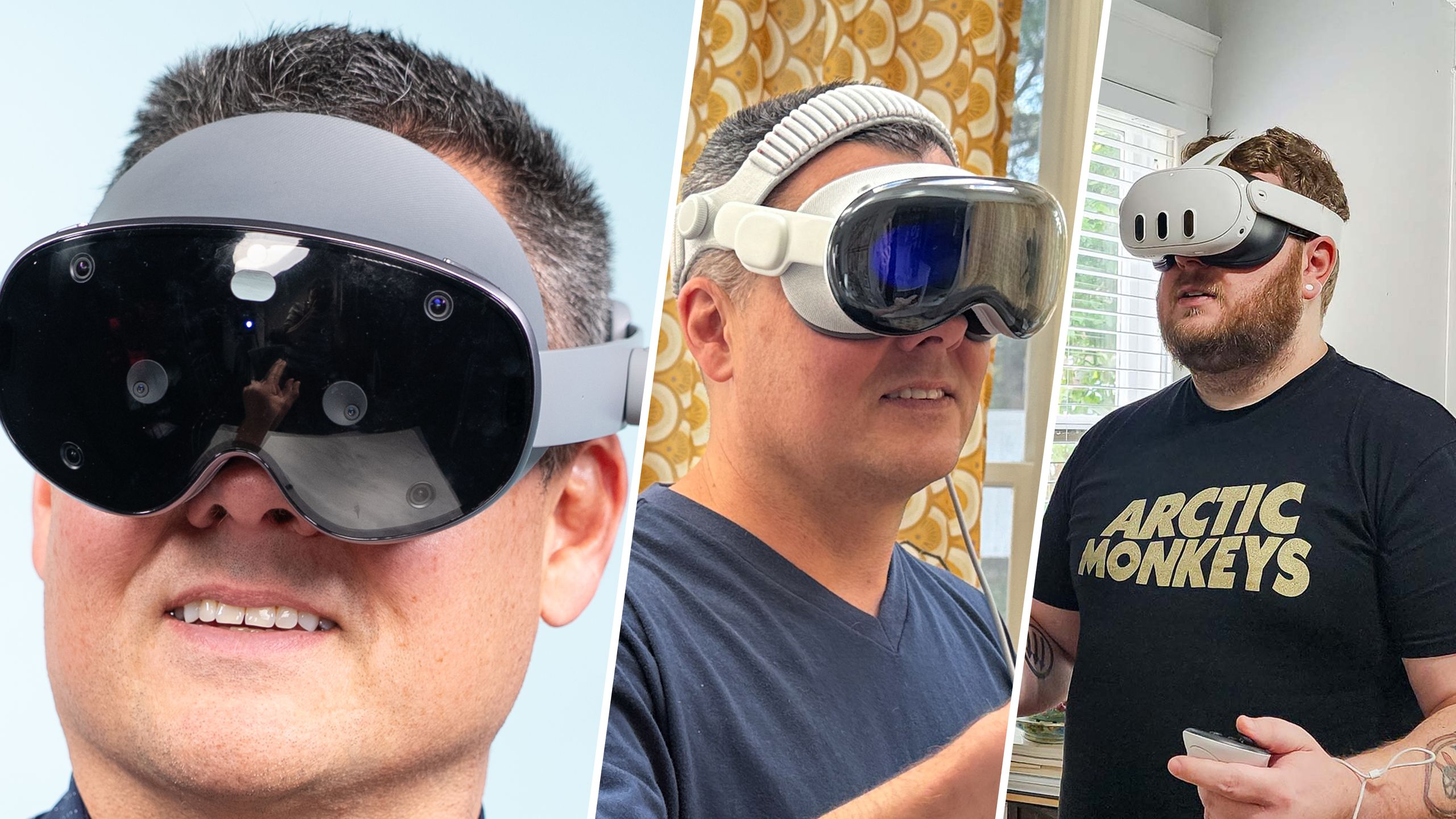
The article compares the Samsung Galaxy XR, Apple Vision Pro, and Meta Quest 3 VR headsets, highlighting their differences in price, specs, design, software, and AI features. It concludes that while the Apple Vision Pro is a powerful device, the Meta Quest 3 offers the best value for most users due to its affordability, comfort, and extensive app ecosystem.
The Samsung Galaxy XR, a new VR headset, is priced at $1,799.99 and offers superior display resolution and lighter weight compared to the Apple Vision Pro, which costs $3,499. The Galaxy XR features a Snapdragon XR2+ Gen 2 chipset, Google’s Android XR OS, and dual controllers, while the Vision Pro boasts a more powerful M5 chip, higher refresh rate, and exclusive visionOS. Both headsets have similar battery life and eye/hand tracking capabilities, but differ in design, operating system, and price, positioning the Galaxy XR as a more affordable yet high-spec alternative to the premium Apple Vision Pro.
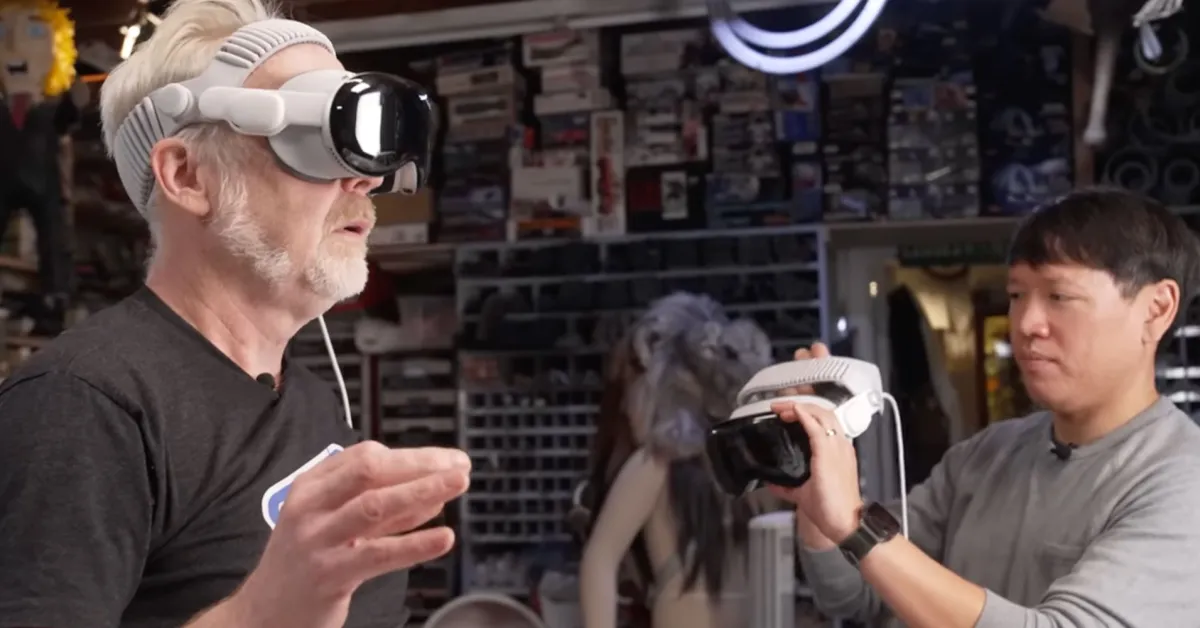
Adam Savage reviews the new M5 Apple Vision Pro, highlighting its performance, comfort, and innovative features, while discussing its productivity and entertainment potential, despite its high price and early-adopter status.
Apple has launched new products powered by the M5 chip, including the iPad Pro, 14-inch MacBook Pro, and Apple Vision Pro, offering significant performance improvements, enhanced AI capabilities, and new features, available now through various shopping options.
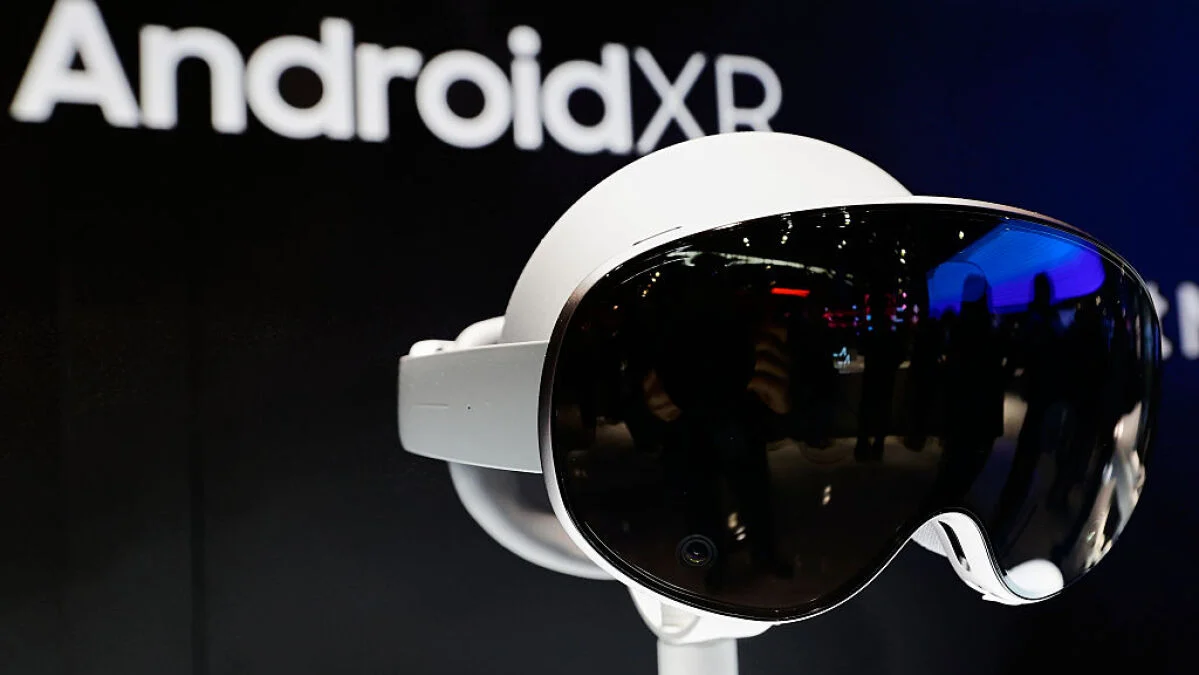
Samsung and Google have launched the Galaxy XR, a mixed-reality headset priced at $1,800 to compete with Apple's Vision Pro, featuring high-resolution displays, lightweight design, and integration with AI and Android XR apps, aiming to make mixed reality more accessible despite a still-nascent market.
Samsung has launched the Galaxy XR, a mixed reality headset priced at $1,800, featuring high-resolution micro-OLED screens, advanced sensors, and AI integration, competing with Apple Vision Pro and Meta's VR devices, with availability in the US and various accessories.
Samsung's upcoming Project Moohan XR headset, potentially called Galaxy XR, is rumored to feature 4K micro-OLED displays with more pixels than the Apple Vision Pro, a lighter weight of 545 grams, and dual motion controllers, aiming to compete strongly in the XR space. However, it may have shorter battery life compared to the Vision Pro, and its comfort and weight distribution could be advantageous. The device is expected to launch soon, with full specs yet to be officially confirmed.
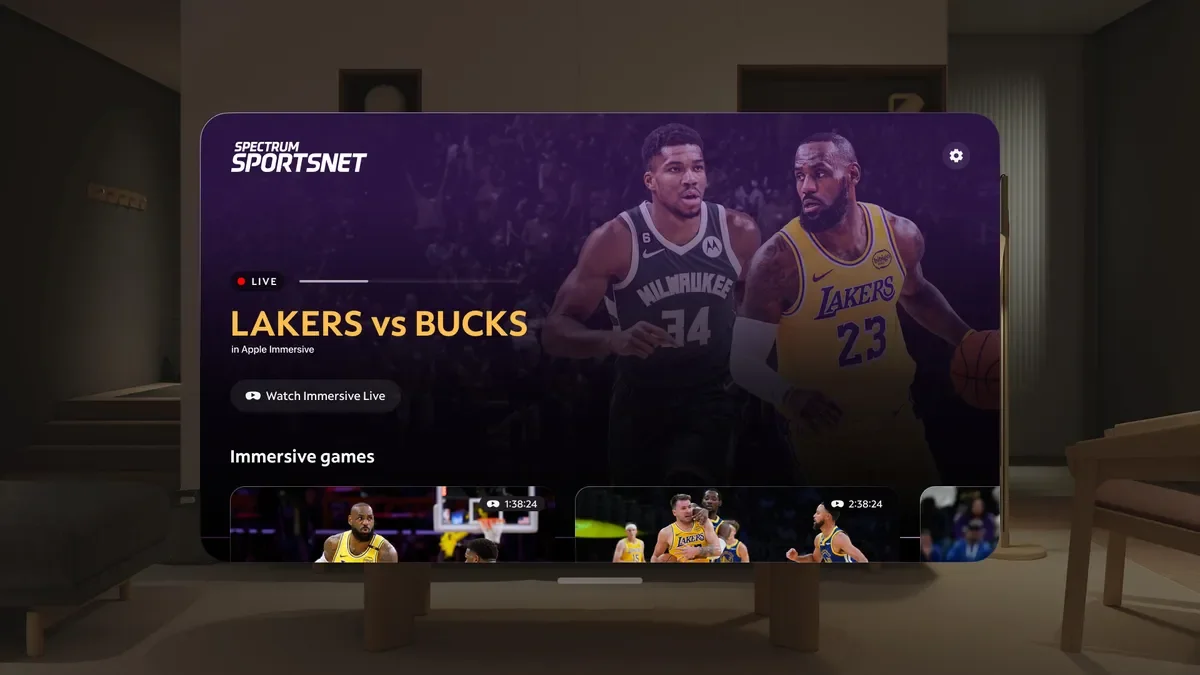
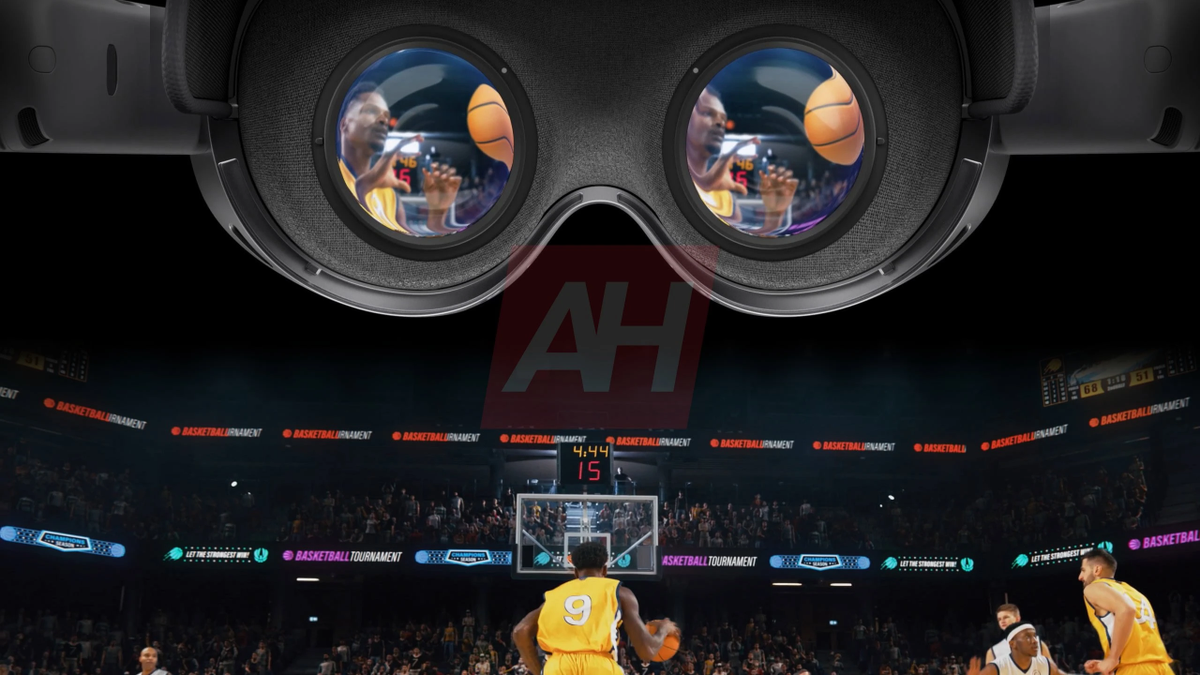
Apple Vision Pro will feature live streaming of select LA Lakers NBA games in immersive 3D format for the 2025-26 season, offering a courtside experience with high-resolution, 180-degree stereoscopic video, enhancing sports viewing through advanced immersive technology.
Apple Vision Pro will feature live immersive Lakers games for the NBA season, allowing viewers to experience games as if courtside, starting early next year via the NBA and Spectrum SportsNet apps, with a full schedule to be announced later.
Leaked images and specs reveal Samsung's Galaxy XR headset, a competitor to the Apple Vision Pro, featuring dual 4K micro-OLED displays, a lighter weight of 545 grams, and powered by a Qualcomm XR2+ Gen 2 processor, aiming to offer a practical, high-end XR experience with a focus on weight reduction and competitive pricing.
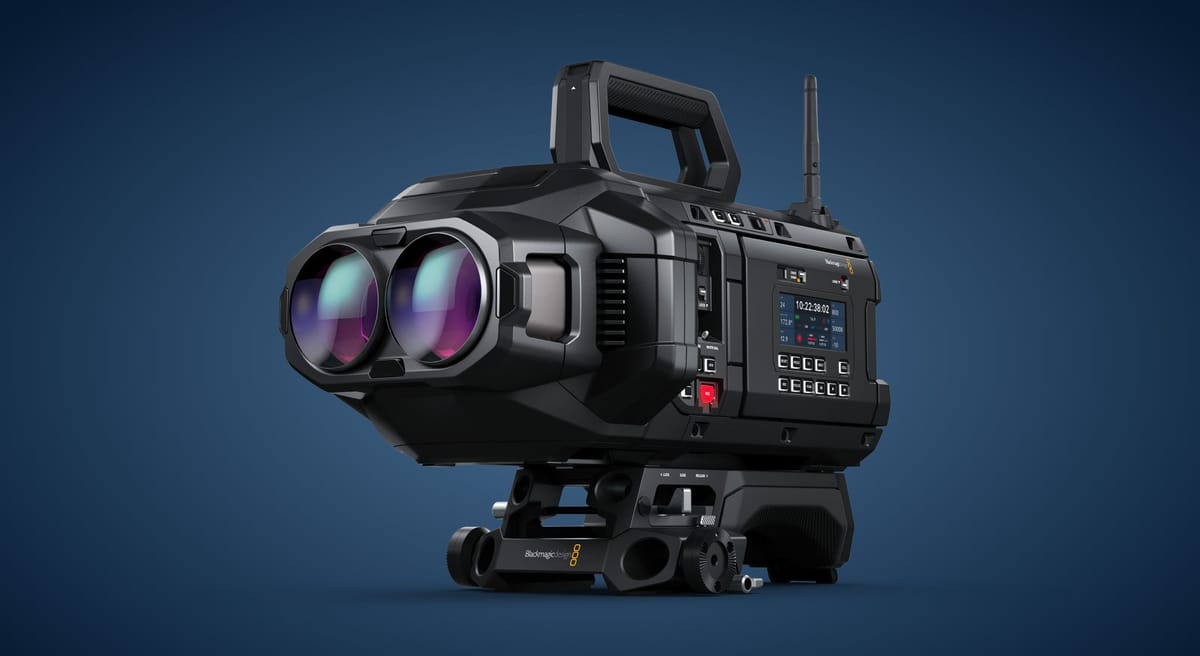
Apple previewed new immersive films and series for Apple Vision Pro, featuring collaborations with major publishers and brands like BBC, CNN, and Red Bull. The content includes films shot with Blackmagic Design’s URSA Cine Immersive camera and edited on Mac, with some titles already available on the Apple TV app. Upcoming releases include series like 'World of Red Bull' and episodes of 'Wild Life' and 'Elevated,' expanding Apple's immersive content offerings for Vision Pro users worldwide.
Apple's upcoming product roadmap suggests a likely October event, with rumors of new devices including AirTag 2, M5 iPad Pro, Apple Vision Pro 2, Apple TV 4K with A17 Pro, and HomePod mini 2, potentially following a multi-day rollout or a traditional event, building on recent launch patterns and historical October product releases.