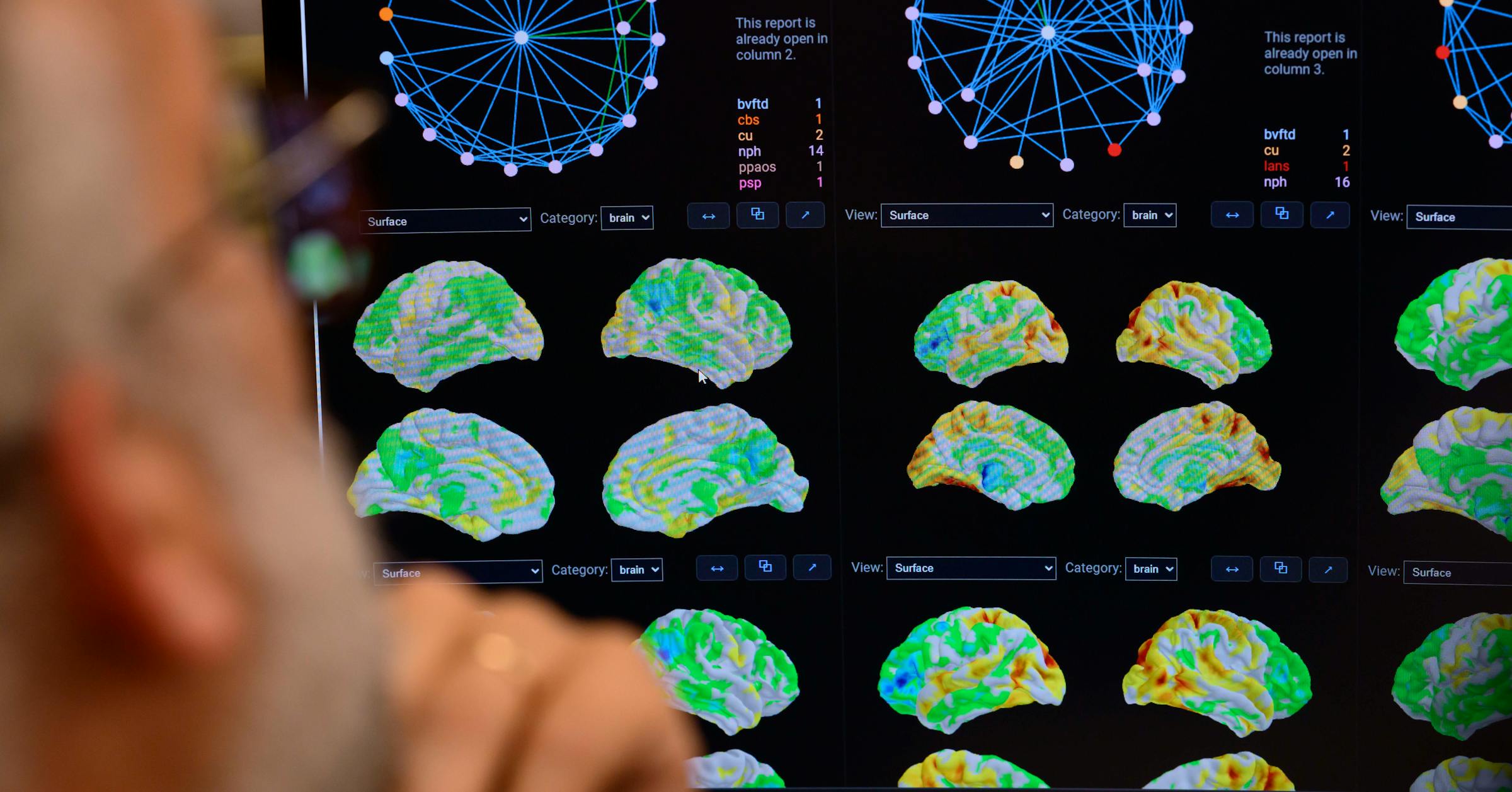
Mayo Clinic is leading the healthcare industry in AI adoption, with nearly 100 AI algorithms in use and hundreds more in development, aiming to enhance diagnosis, research, and patient care through advanced technology and extensive data utilization.
The impact of AI on music production, particularly in modeling vocals, is growing. While some AI modeling websites mention royalty splits with original artists, many are not addressing the ethical implications of using AI models of real vocals. Artists like Holly Herndon and Grimes are offering their own AI voice models with royalty splits. The article explores the process of creating a fake Beatles track using an AI vocal modeling platform, highlighting the challenges and potential for improvement in the future.
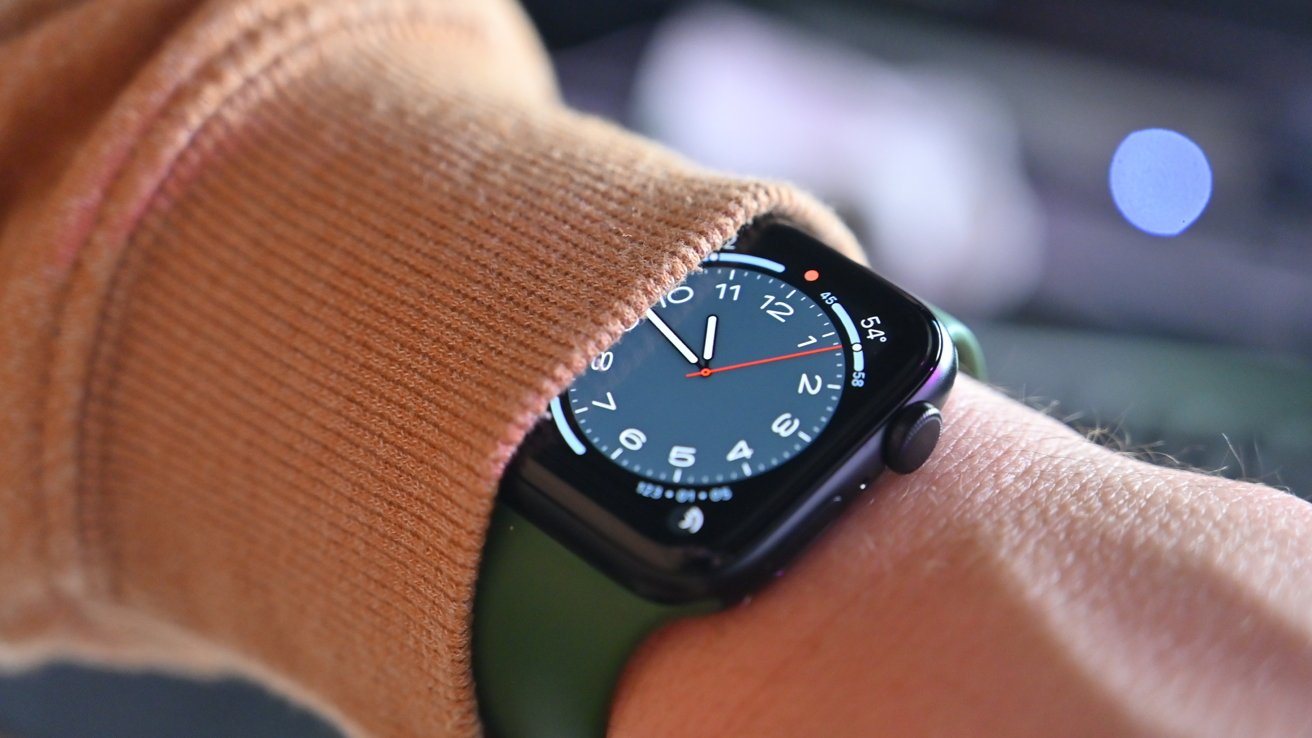
Smartwatches like the Apple Watch could potentially detect Parkinson's disease up to seven years before symptoms appear, according to a study by UK Dementia Research Institute and Cardiff University. By analyzing data collected from participants wearing smartwatches, advanced AI algorithms accurately predicted who would develop the disease. This early detection could be crucial for managing the degenerative neurological condition, for which there is currently no cure. Apple has previously explored using its devices to monitor Parkinson's symptoms and has filed a patent application for advanced diagnostic technology.
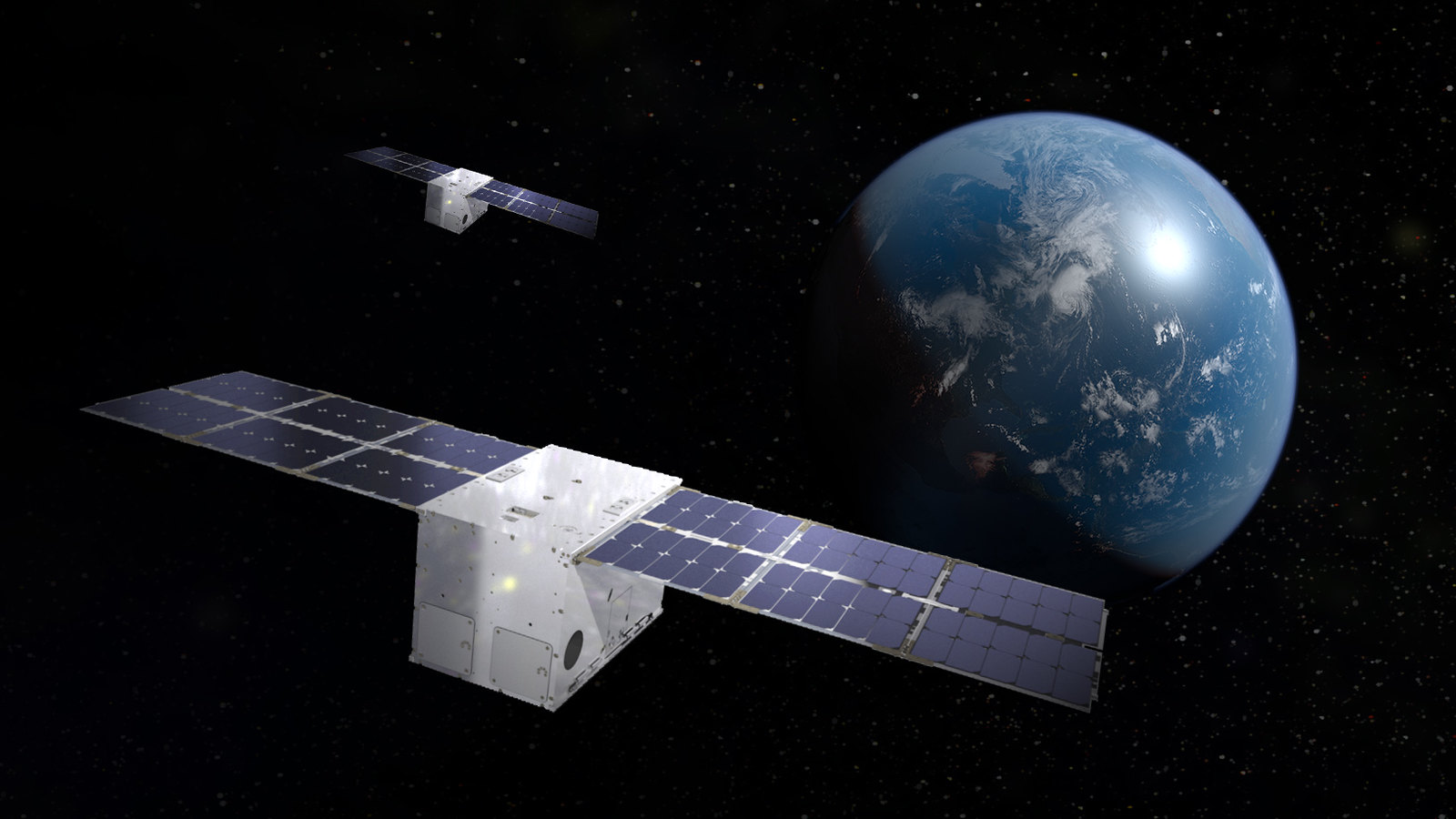
Lockheed Martin's Linuss experiment, consisting of two cubesats, successfully demonstrated AI algorithms needed for in-orbit servicing operations. The company plans to develop servicing vehicles for commercial and government markets, including in-orbit refueling and software upgrades. The experiment also tested space domain awareness cameras and a docking device for refueling or attaching new sensors. Lockheed Martin is funding several space projects to transition to defense and civil space government programs, including a mid-size bus, Pony Express 2 and TacSat satellites, and a lunar orbit service called Parsec.
Tech companies such as Apple, Samsung, and Google are investing resources to improve their night photography options, using AI algorithms to lighten or brighten images in dark environments. Samsung's Night mode feature, available on various Galaxy models, promises to enable phones to take clearer pictures with little light by minimizing noise through multi-frame processing and AI. Google's AI-powered Night Sight feature captures a burst of longer-exposure frames and uses HDR+ Bracketing to create several photos with different settings. Apple's Night mode turns on to capture details and brighten shots in low-light environments. Generative AI technology could eventually make night modes even more powerful.