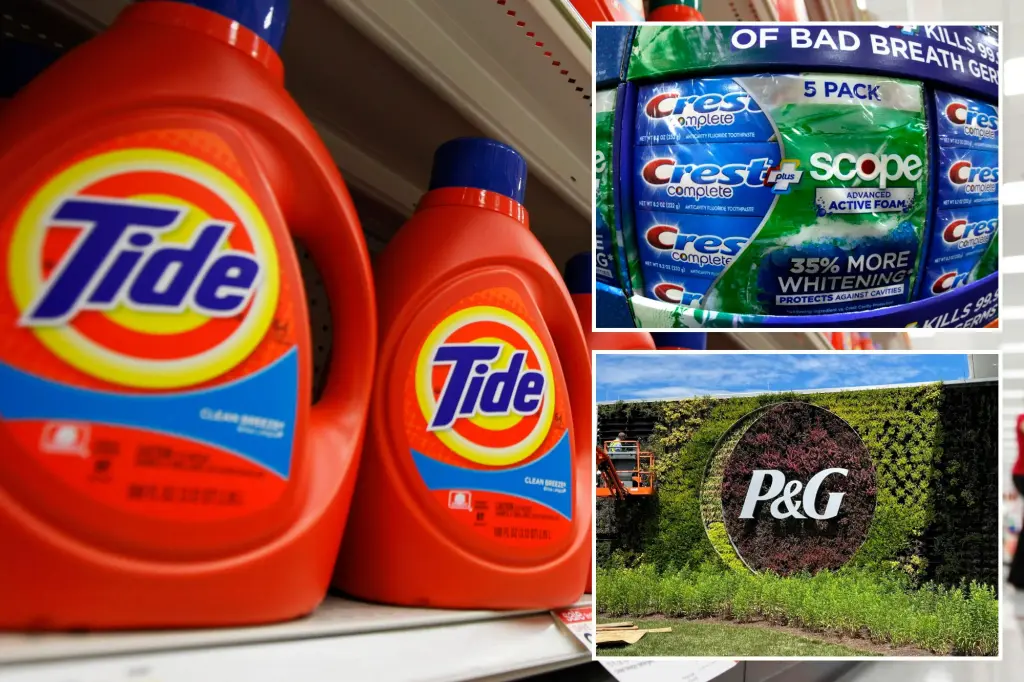
Procter & Gamble beat earnings estimates with higher demand in beauty and grooming, but warned of increased costs from tariffs in 2026, maintaining its full-year outlook despite a challenging environment.
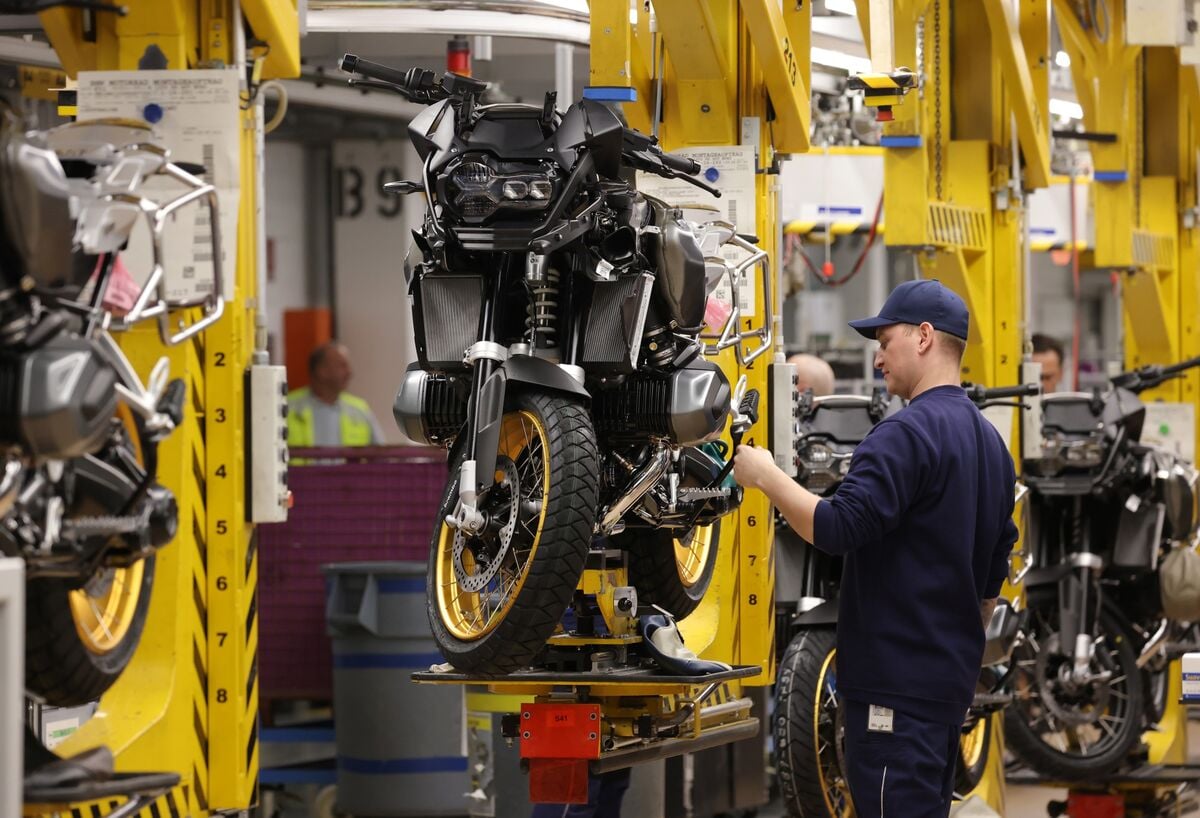
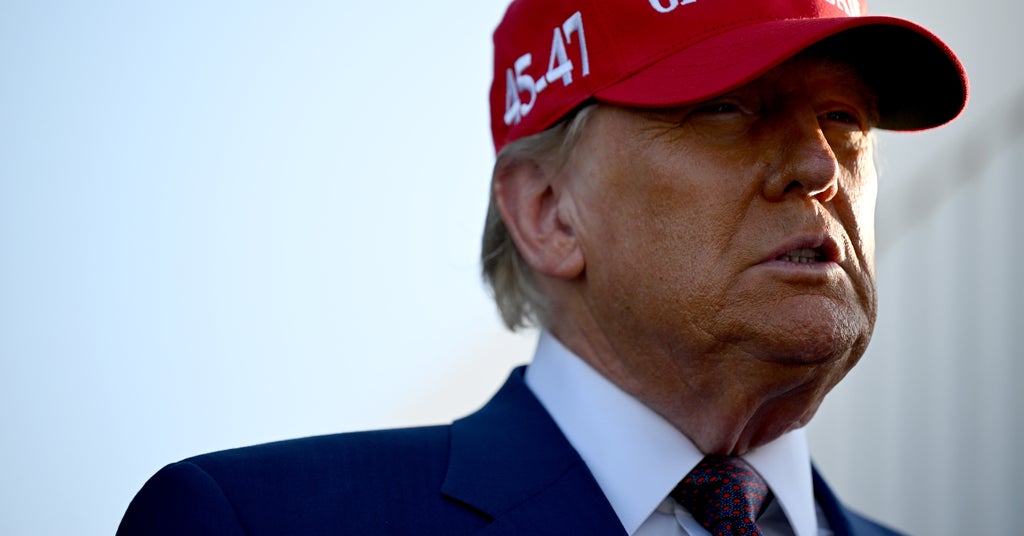
President Trump expanded steel and aluminum tariffs to include over 400 consumer items like motorcycles and tableware, causing surprise and confusion among importers due to short notice and unclear guidance, significantly increasing compliance costs and broadening the scope of trade restrictions.
Many consumer goods companies, including P&G, Adidas, and others, are raising prices due to increased costs from tariffs, which could reignite inflation. Companies are warning of higher prices on a significant portion of their products, and early signs of inflation are emerging in economic data and consumer reports, although not all price increases are solely due to tariffs.
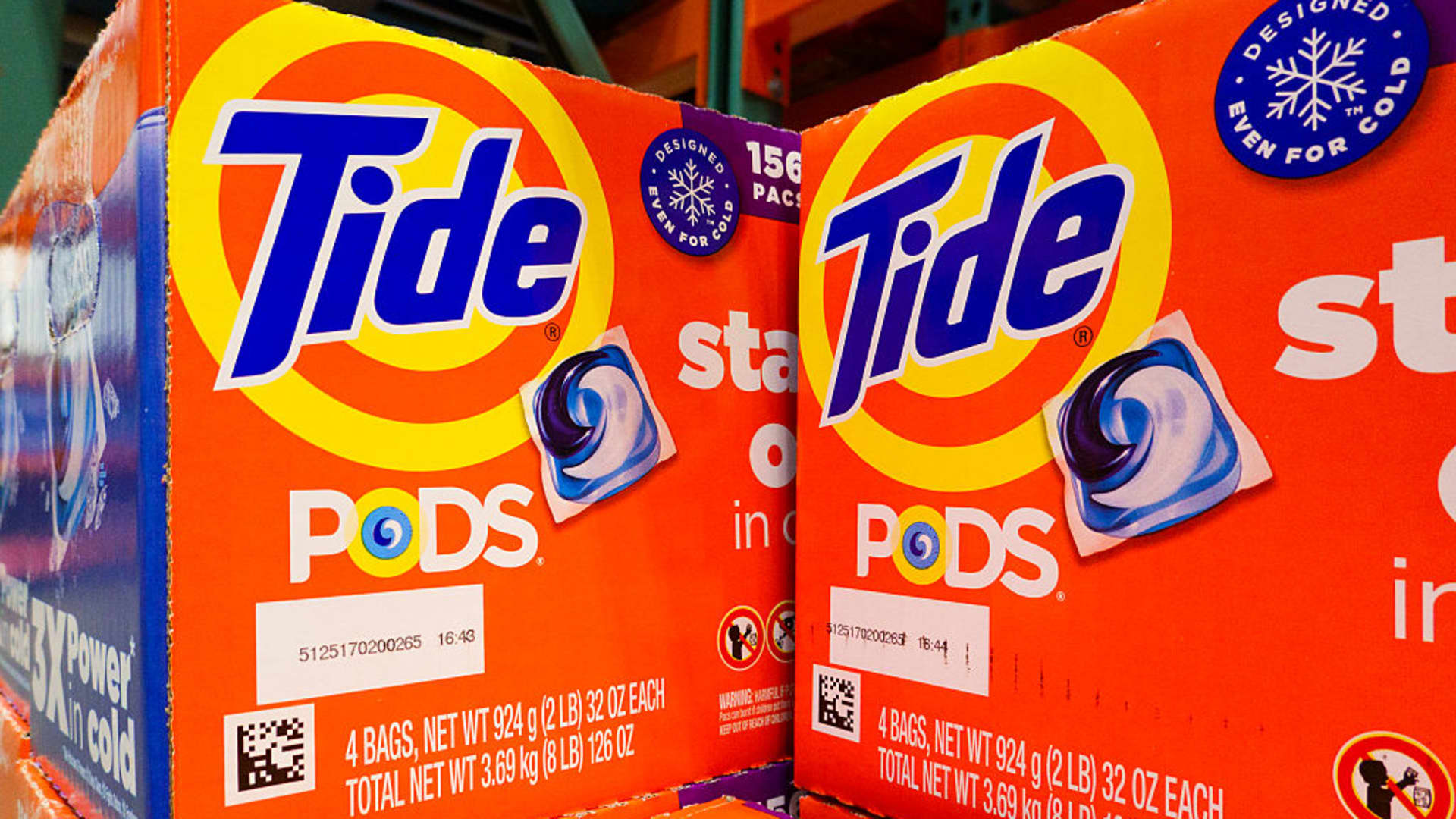
Procter & Gamble plans to raise prices on 25% of its products in the US starting August to offset $1 billion in tariff-related costs, amid economic uncertainty and slowing growth, while also restructuring and appointing a new CEO. Despite these challenges, the company reported solid earnings, though growth is expected to slow in fiscal 2026.
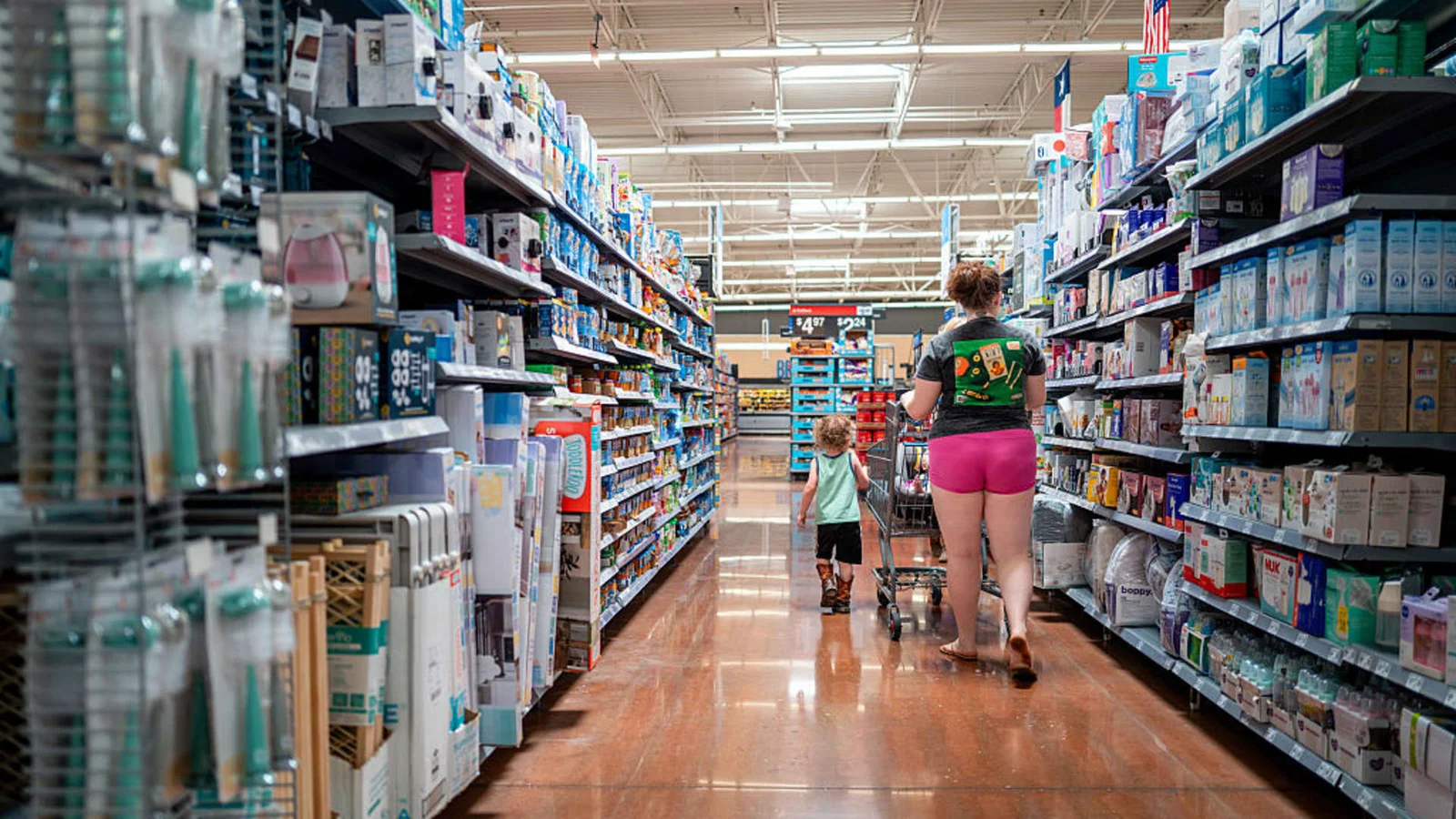
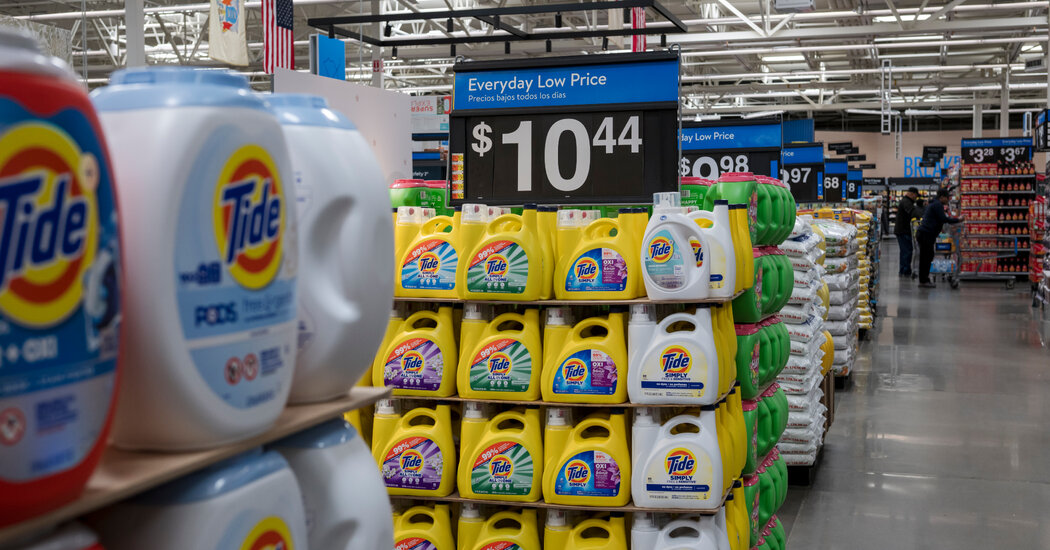
Walmart has begun to raise prices on some imported goods due to Trump's tariffs, with about a dozen of 50 tracked products showing price increases, reflecting broader inflation trends and supply chain adjustments. While most items remained stable, some, especially those made in China, saw notable hikes, highlighting the impact of tariffs on consumer prices amid ongoing trade policy uncertainties.
Procter & Gamble plans to cut 7,000 jobs and exit some brands over two years to adapt to a challenging environment influenced by US tariffs and geopolitical uncertainty, aiming to streamline operations and focus on core brands like Tide and Pampers.
Procter & Gamble announced plans to cut 7,000 jobs over two years as part of a restructuring effort amid trade war uncertainties and plans to streamline its brand portfolio.
Procter & Gamble announced plans to cut 7,000 jobs over the next two years as part of a restructuring strategy to boost growth and value creation amid uneven consumer demand and rising costs, affecting about 6% of its workforce.
Businesses are raising prices on unaffected goods after tariffs, using the tariffs as an excuse to increase profits amid economic uncertainty, with regional surveys indicating this trend is nationwide.
President-elect Donald Trump plans to impose significant tariffs on imports from Mexico, Canada, and China, which could lead to increased prices for consumer goods like electronics, appliances, and vehicles. Economists warn that these tariffs may worsen inflation and disproportionately affect low-income households. While the exact impact remains uncertain, experts suggest considering purchases of high-ticket items before potential price hikes. Consumers are advised to budget carefully and explore cost-saving strategies to mitigate the financial impact of these tariffs.
With President-elect Donald Trump planning to impose new tariffs on imports from Mexico, Canada, and China, consumers may face significant price increases on various goods. Items like household appliances, laptops, tablets, gaming consoles, smartphones, and e-bikes are expected to become more expensive due to these tariffs. While stockpiling goods might seem like a solution, it carries risks such as potential price hikes and reduced spending power in other areas. Consumers are advised to consider purchasing these items before the tariffs take effect.
Amazon has launched 'Amazon Haul,' a new feature in its shopping app offering a wide selection of products priced at $20 or less, with most items under $10. This initiative aims to provide customers with affordable options across categories like fashion, home, and electronics, backed by Amazon's A-to-z Guarantee. The service, currently in beta for U.S. customers, promises delivery within one to two weeks and offers additional savings on larger orders. Free returns are available for purchases over $3, enhancing the shopping experience.
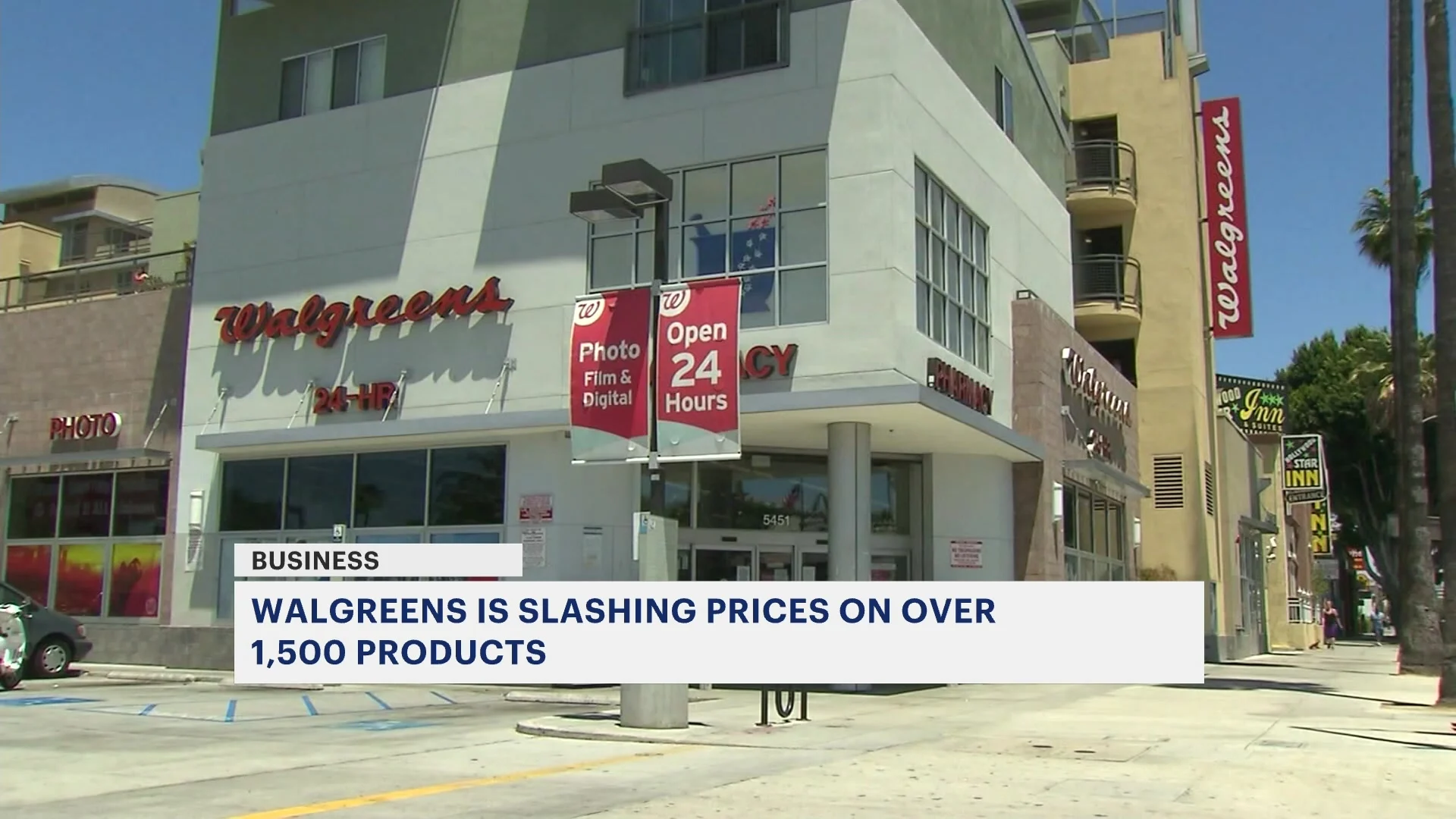
Walgreens is reducing prices on over 1,500 items, including both name brands and store brands, to attract shoppers affected by inflation. This move aligns with similar actions by other major retailers like Walmart, Target, and Amazon.
Walgreens is reducing prices on 1,300 items, including vitamins and hygiene products, to attract cost-conscious consumers amid high inflation. This move follows similar price cuts by Amazon, Walmart, and Target, as retailers compete to retain customers facing financial strain.
Many everyday items, from chocolate and toothpaste to perfume and air fresheners, contain petroleum-derived components. These petrochemicals are used for their versatility, cost-effectiveness, and ability to enhance product performance, making them integral to a wide range of consumer goods.