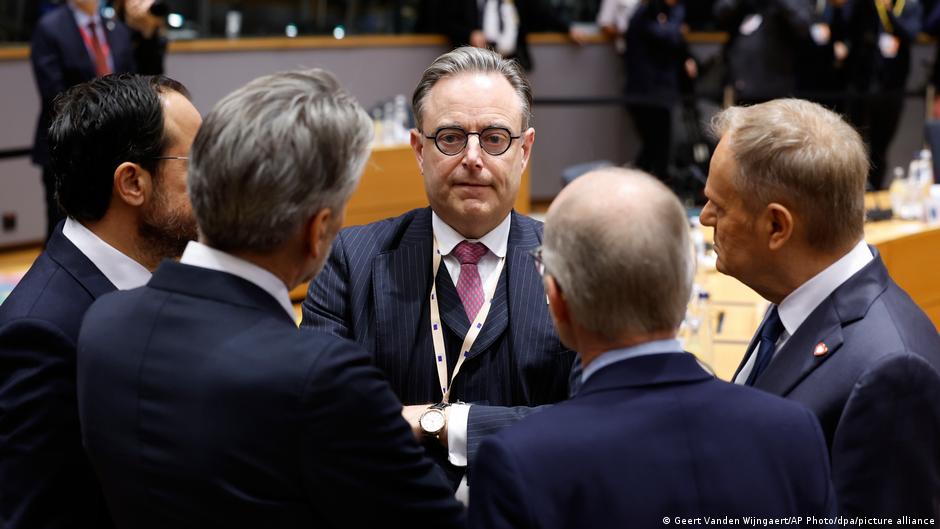
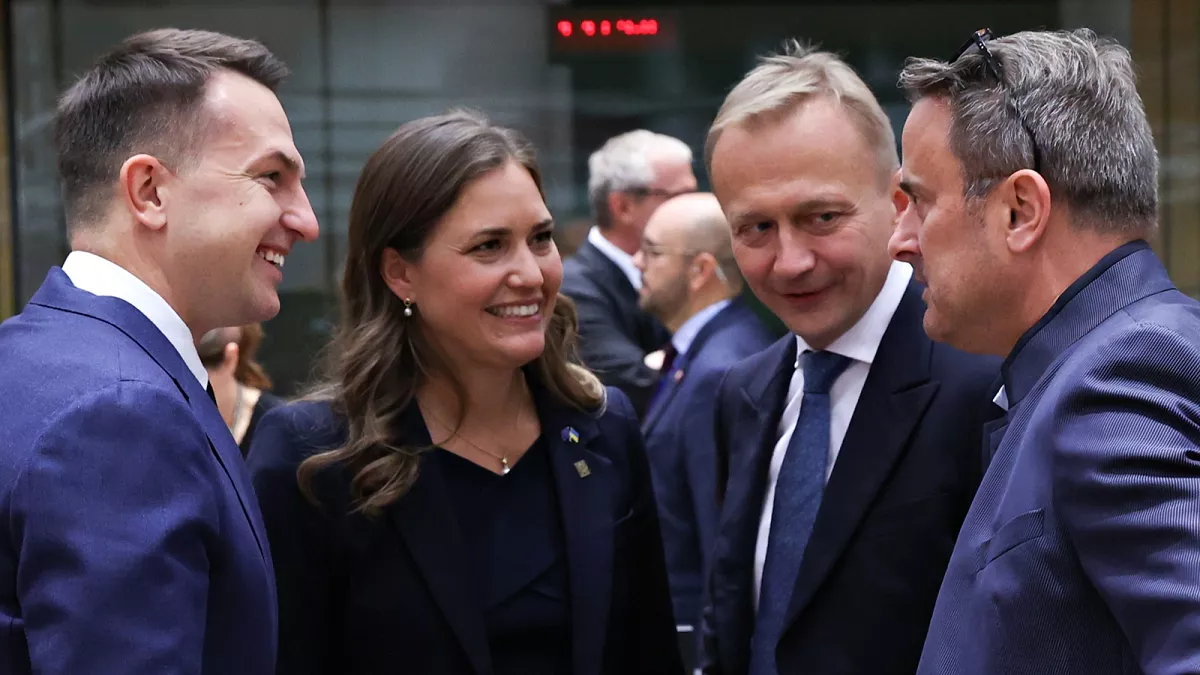
EU leaders are debating the use of frozen Russian assets to support Ukraine, with ongoing negotiations on a reparations loan and concerns over legal and financial implications, while also discussing the postponed EU-Mercosur trade deal, long-term EU budget, and regional protests.
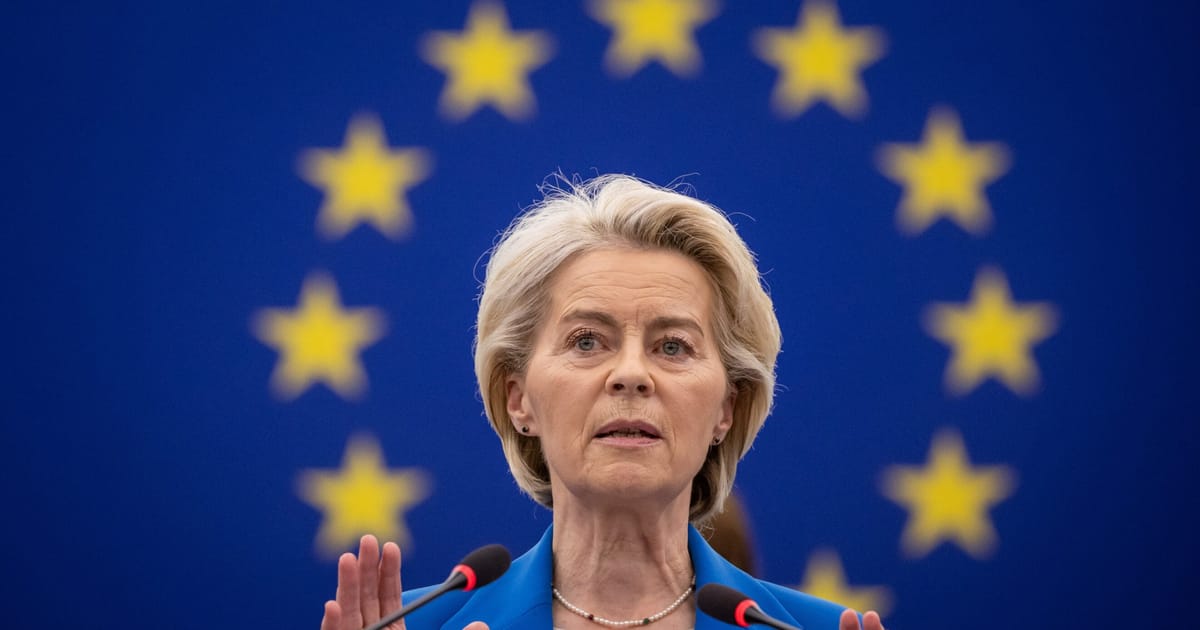
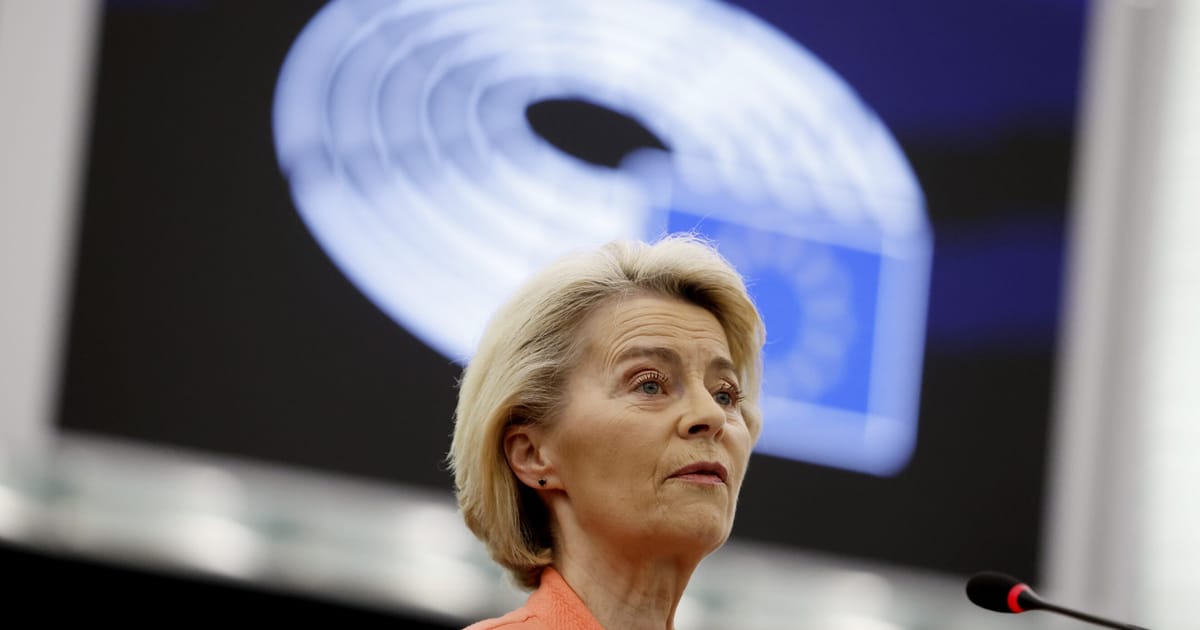
European Commission President von der Leyen faces ongoing challenges, including a potential no-confidence vote and disputes over the EU budget, with growing disapproval but likely survival according to projections, amidst broader political tensions in the European Parliament.
European countries plan to borrow billions from the EU to support Ukraine's rearmament, amid internal disagreements over the EU's €1.8 trillion budget and financial commitments, with Poland receiving the largest share of regional funds. The EU admits it cannot guarantee the $600 billion promised to Trump, and internal divisions are evident over budget allocations and spending plans.
The EU's proposed budget plan threatens to significantly harm environmental protections, including efforts to regulate hazardous chemicals and uphold ethical supply chains, amid political disagreements involving France and Germany.
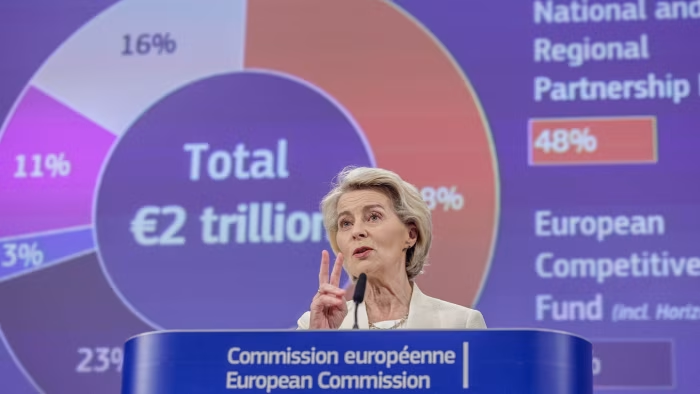
EU countries are beginning a political debate over Ursula von der Leyen's proposed €2 trillion budget, facing disagreements over its size, funding sources, and allocation priorities, with some countries opposing new taxes and increased contributions, while others emphasize the need for a more ambitious and cohesive financial plan.
Ursula von der Leyen's €2tn EU budget proposal has faced internal chaos and opposition within the European Commission, revealing deep disagreements and a centralized decision-making style that has caused unrest and concessions, with the proposal now facing tough negotiations with member states.
European Commission President von der Leyen faces a no-confidence vote after backing down on EU budget issues, with socialists planning to support her despite her concessions and a broader political debate on EU priorities and governance.
The G7 has exempted the US from implementing a new minimum tax deal, amidst ongoing disputes over EU budget allocations and social spending cuts, with broader implications for international tax and financial policies.
EU leaders unanimously agreed to extend 50 billion euros in new aid to Ukraine, overcoming Hungary's objections after weeks of resistance. The aid package, within the EU budget, was welcomed by Ukraine's President Volodymyr Zelenskiy and is expected to strengthen the country's long-term economic and financial stability as it continues to fight Russia. In exchange for Hungary's approval, the EU did not commit to releasing frozen funds for Hungary and included provisions for yearly discussions and a review of the aid package.
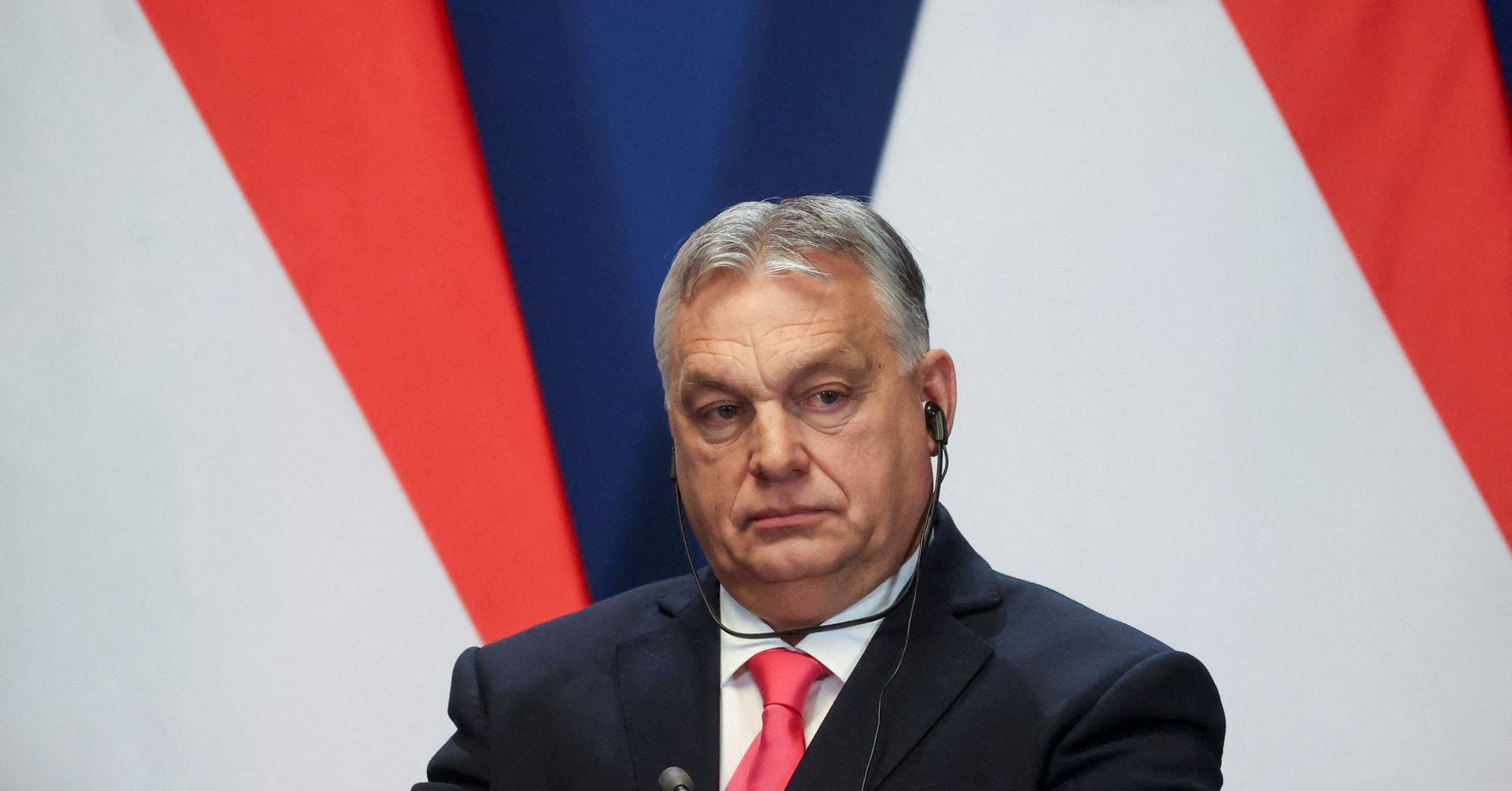
Hungary signals willingness to compromise and use the EU budget for a proposed 50 billion euro aid package to Ukraine, following previous criticism of EU support for Kyiv and close ties with Russia. The EU denies discussing financial coercion to force Hungary's agreement and had proposed a workaround involving a deal between 26 members and Ukraine if Hungary did not agree to the original aid package. Hungarian Foreign Minister Peter Szijjarto arrived in western Ukraine to prepare a possible meeting between Prime Minister Viktor Orban and Ukrainian President Volodymyr Zelenskiy.
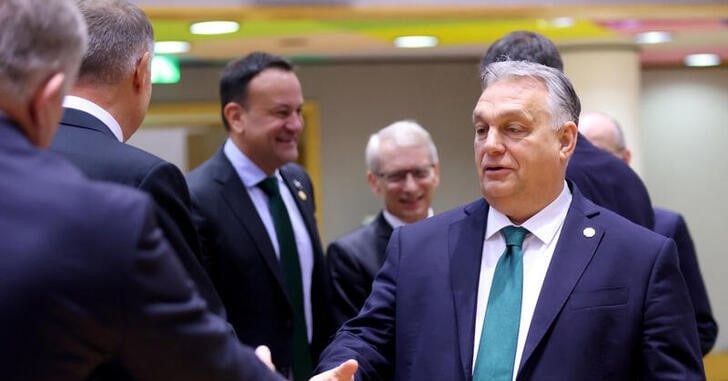
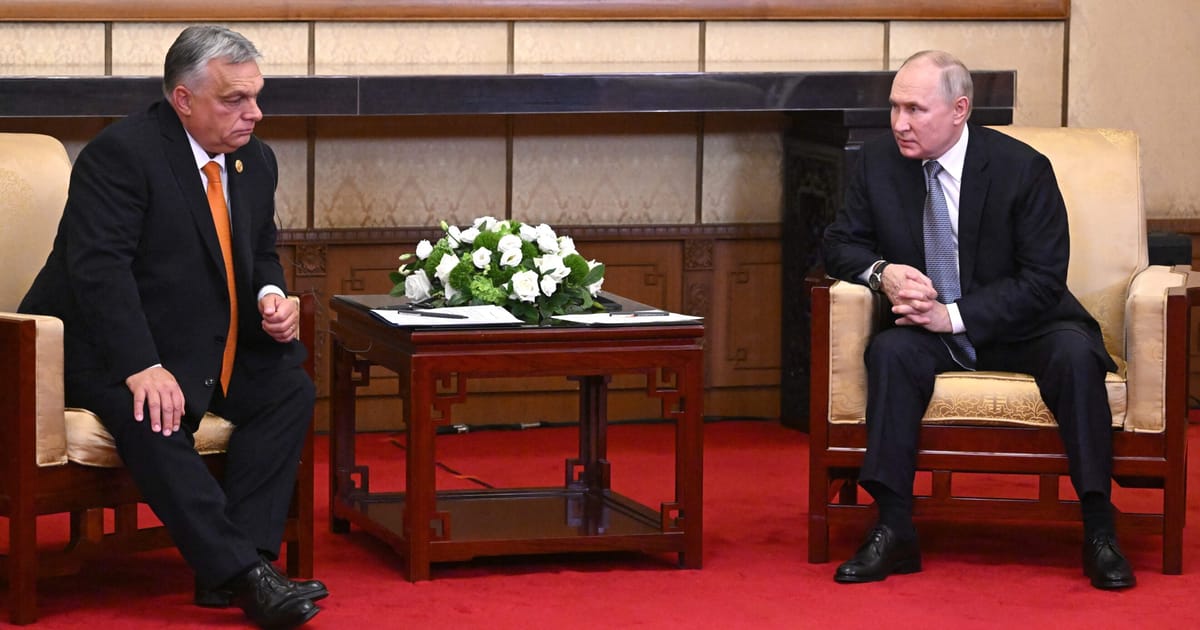
Hungarian Prime Minister Viktor Orbán's hostility towards Ukraine is causing panic among EU diplomats, as it threatens to derail the bloc's decision on bringing Ukraine into the EU and seal a key budget deal. Orbán, who has close ties with Russian President Vladimir Putin, is demanding a wholesale review of EU support for Kyiv, effectively holding the bloc hostage as it requires unanimous agreement on strategic decisions. EU leaders are concerned about the potential crisis and are attempting to find a compromise with Orbán, but there is growing frustration and fear that the EU's "nuclear option" of using Article 7 against Hungary could backfire and fuel populism. The EU is considering alternative options to work around a Hungarian veto, such as splitting the budget for Ukraine into smaller amounts or using bilateral deals for military aid. However, concerns are growing about EU political support for Ukraine, and there is a possibility of delaying key decisions until next year. Orbán's long game of undermining the EU from within is causing increasing worry in Brussels.
Integrating Ukraine into the European Union could cost around €186 billion in EU funds over seven years, according to an internal note of the Council of the EU. Enlarging the EU to include other countries would impose an additional burden of approximately €74 billion on the EU budget. The note highlights the opportunities and challenges of enlargement, including a larger internal market and more political clout, but also warns about issues such as the EU's farm budget, the rule of law, and decision-making capacity. Reforms to the EU budget would be necessary and far-reaching, and the European Commission emphasized the need for a wider rethink to prepare the EU for new members.