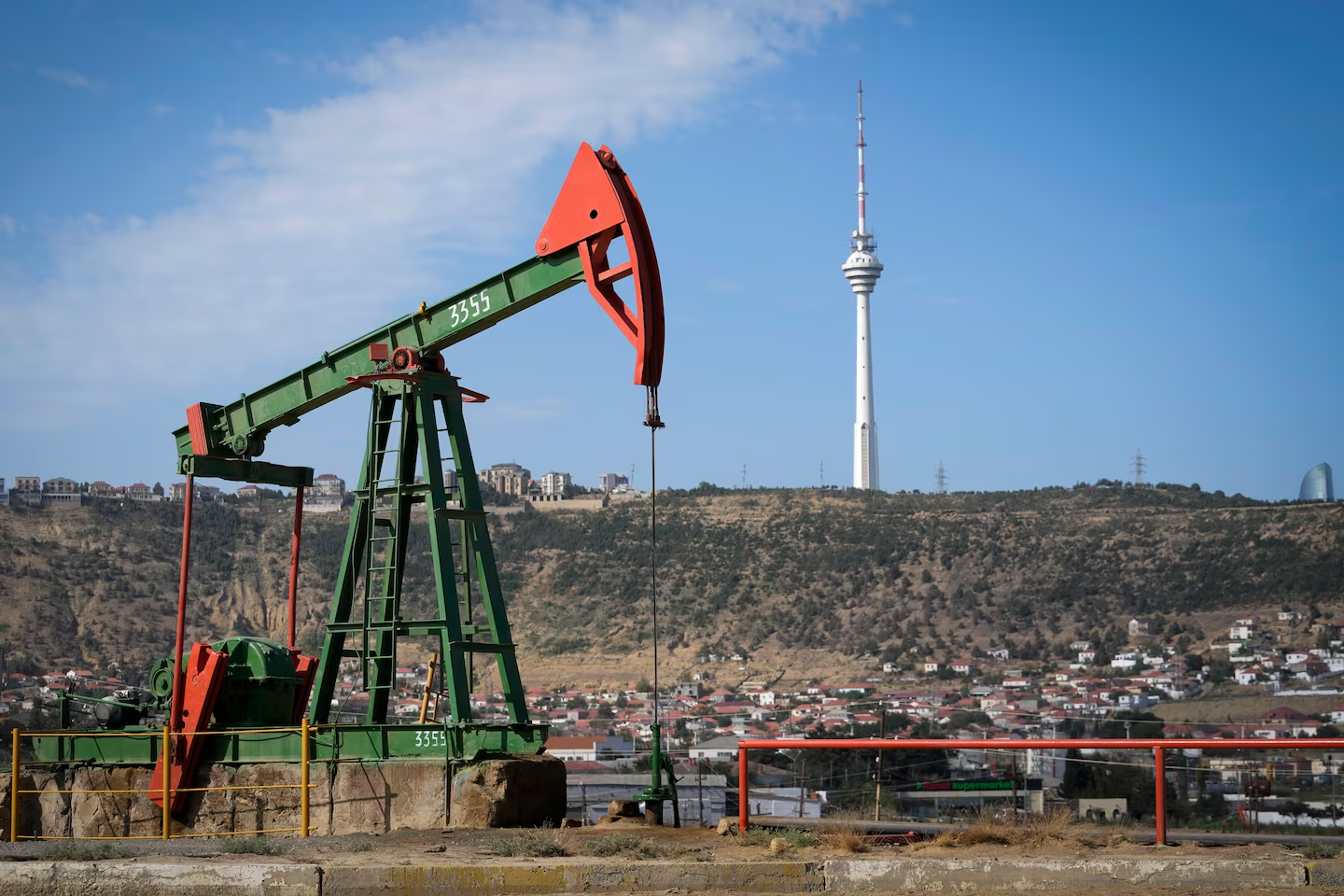
Azerbaijan, hosting the COP29 climate conference, faces criticism for promoting fossil fuels and suppressing dissent. Rights groups accuse the government of cracking down on activists and journalists critical of its oil and gas dependency. President Ilham Aliyev defends fossil fuel use, calling it a necessity, while critics argue the conference is being used for 'greenwashing.' An open letter from climate experts suggests excluding countries not committed to phasing out fossil fuels from hosting future COP events. Azerbaijan's human rights record and its geopolitical maneuvering to host the event have also drawn scrutiny.
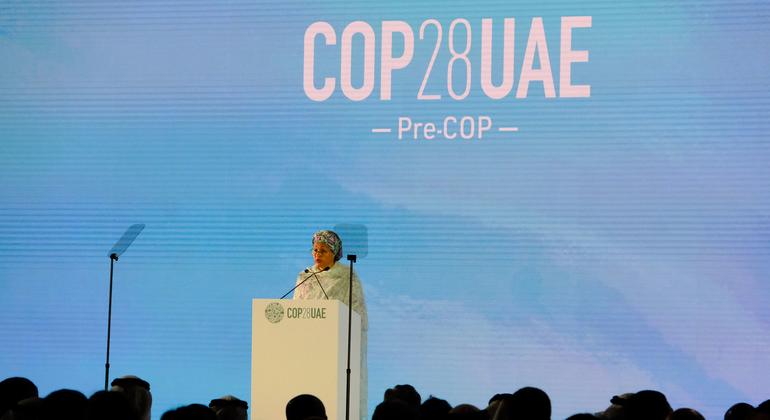
The upcoming COP28 summit, set to take place in the UAE, must address the gaps in global climate action, according to Deputy-Secretary-General Amina Mohamed. The summit's main focus will be the Global Stocktake, which will assess progress towards the goals of the 2015 Paris Agreement. The Pre-COP meeting in Abu Dhabi is a crucial opportunity for countries to lay the groundwork for negotiations at COP28, and UNFCCC Executive Secretary Simon Stiell emphasized the need for clear and decisive action to combat climate change.
UN Secretary-General António Guterres called for urgent action to address the devastating effects of climate change during his visit to the Everest region in Nepal, where melting glaciers are endangering communities. Nepal has lost nearly a third of its ice volume in the past 30 years, with glaciers melting 65% faster in the last decade. Guterres warned that the disappearance of glaciers threatens the fresh water supply for over a billion people and could lead to catastrophic consequences, including the erasure of low-lying countries and communities. He emphasized the need to end the fossil fuel age and limit global temperature rise to 1.5°C to avert the worst of climate chaos.
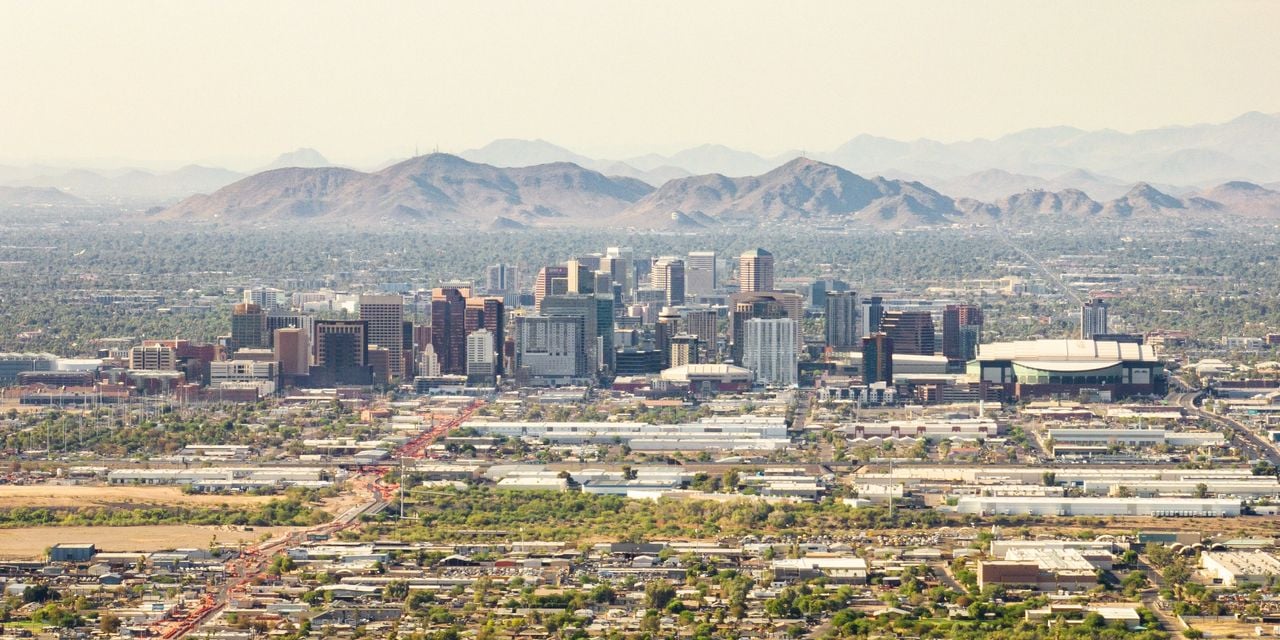
The state of Arizona is experiencing a surge in heat-related deaths, prompting calls for disaster assistance. With record-breaking temperatures, the state is grappling with the deadly consequences of extreme heat, particularly among vulnerable populations. Advocates are urging the federal government to declare a state of emergency and provide additional resources to combat the escalating heat crisis, highlighting the urgent need for action on climate change.
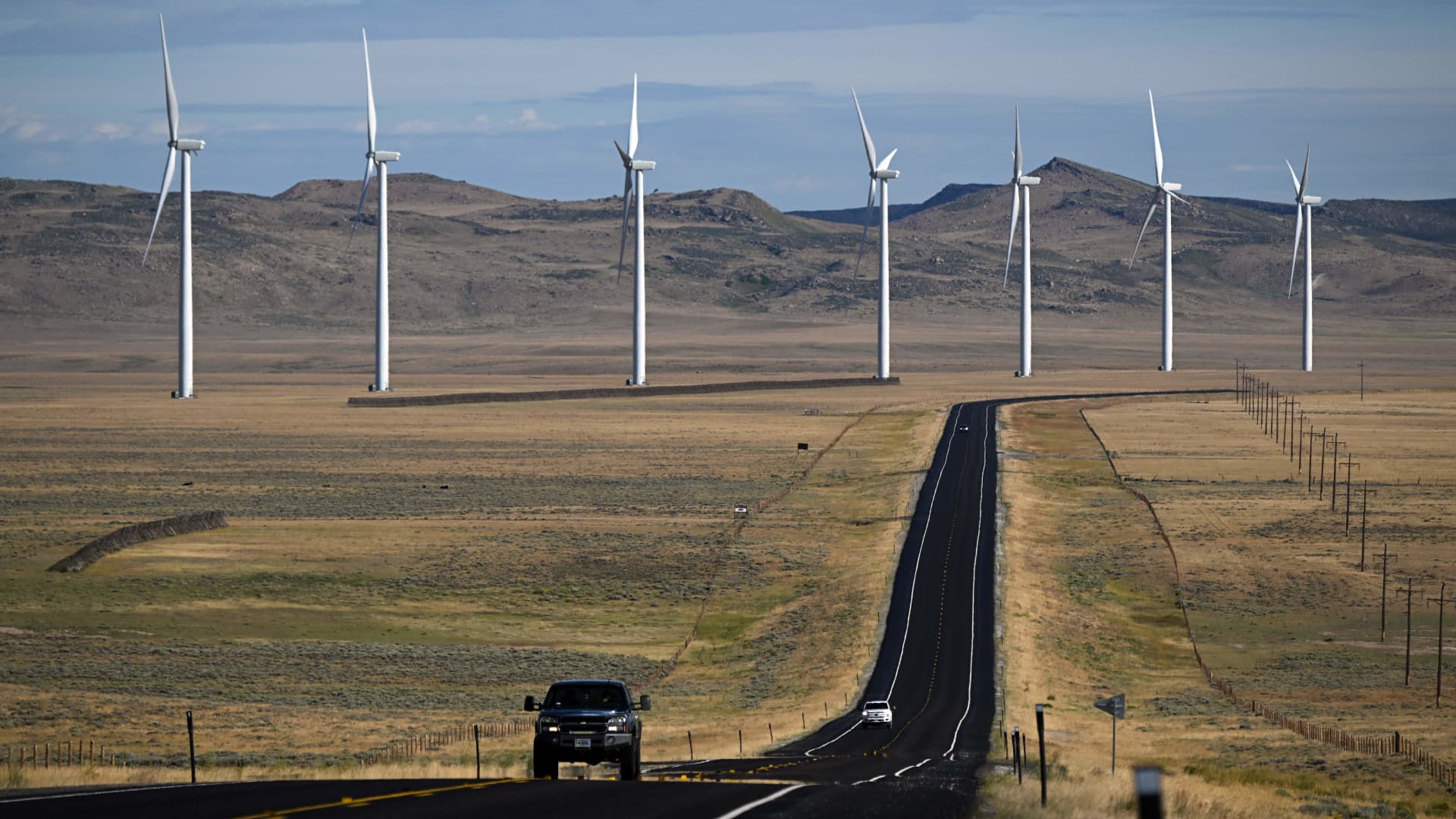
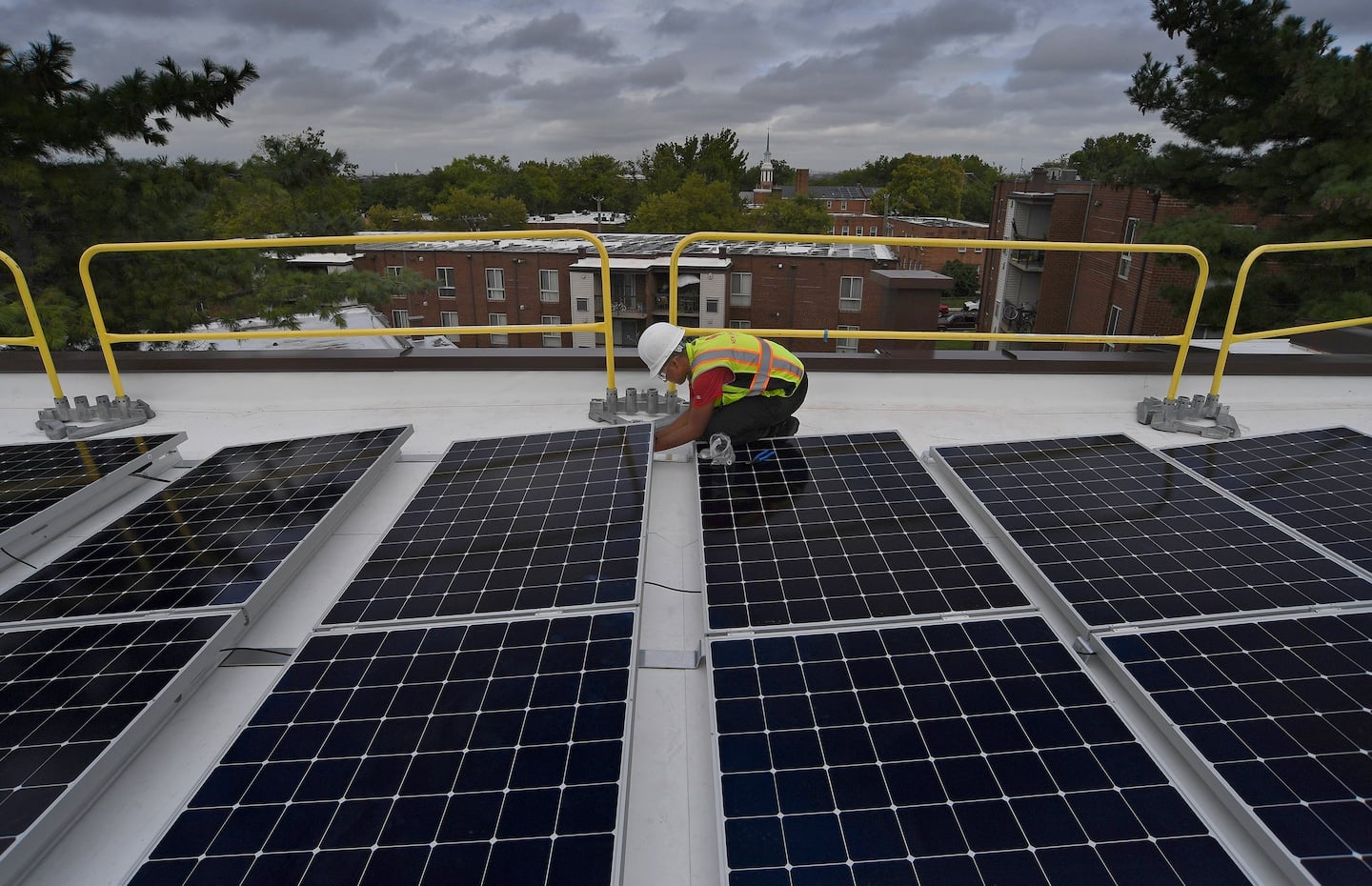
The US Department of the Treasury and Internal Revenue Service have released guidance on how tax-exempt entities, including state, city, and local governments, and nonprofits, can access tax credits included in the Biden administration's climate bill. The Inflation Reduction Act's tax credits provide ten years of policy certainty for the clean energy sector, and for the first time, tax-exempt entities will be able to receive a payment equal to the full value of the tax credit for building qualifying clean energy projects. The new guidance will enable schools to purchase electric buses, help schools retrofit and add rooftop solar to the roofs of their buildings, and help rural energy cooperatives invest in renewable energy.
A new study in the journal Science found that the natural warming of the equatorial Pacific known as El Nino causes trillions of dollars in damage worldwide, with longer-lasting economic scars than previously thought. The study authors said the average El Nino costs the global economy about $3.4 trillion, with the strong 1997-1998 one costing $5.7 trillion. The World Bank estimated the 1997-1998 El Nino cost governments $45 billion, which is more than 100 times smaller than the Dartmouth estimate. The study shows a world unprepared for the hurt that’s coming from natural disasters like El Nino and human-caused climate change.
The Biden administration has announced nearly $1 billion in funding for low-income multifamily housing to become more energy-efficient, water-efficient, and resilient to climate disasters. The funding comes from the Inflation Reduction Act, the sweeping climate law that President Biden signed last summer. The program will pay for owners of low-income housing to install rooftop solar panels, heat pumps, and other climate-friendly upgrades. The spending could trickle down to tenants in the form of lower utility bills without increasing their rent.
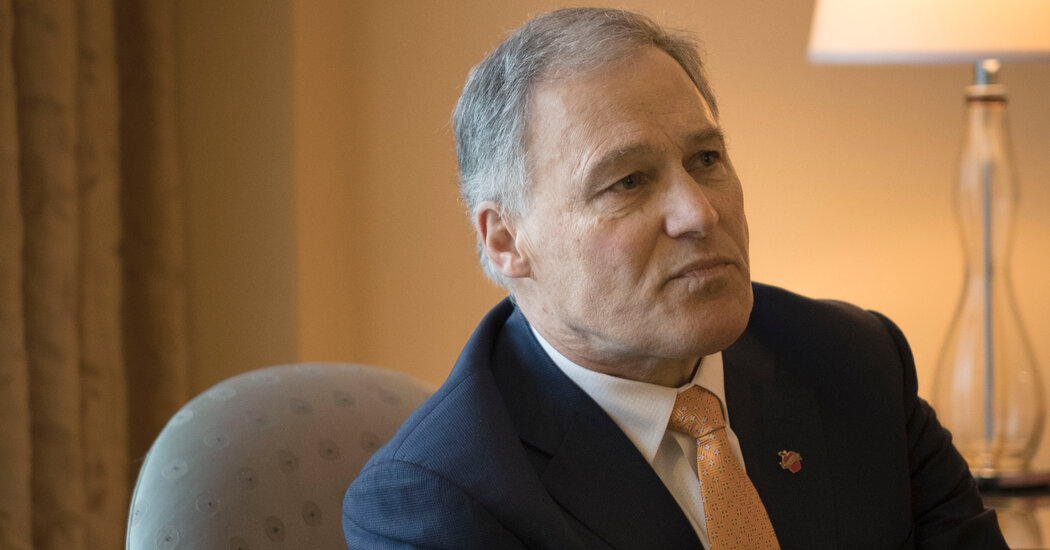
Washington State Governor Jay Inslee, a leading climate hawk, has announced that he will not seek a fourth term as governor after nearly 30 years in elected office. Inslee plans to focus on climate solutions and clean energy, and underscored the need for optimism and confidence in the development of clean energy. He praised President Biden's climate policy, particularly the Inflation Reduction Act, which includes $360 billion in clean energy investment. Inslee did not comment on the possibility of serving in the Biden administration, but expressed confidence in Biden's re-election.
The world's oceans have experienced a sudden spike in temperature, well above record levels, in the last few weeks, with scientists trying to figure out what it means and whether it forecasts a surge in atmospheric warming. Some researchers think the jump in sea surface temperatures stems from a brewing and possibly strong natural El Nino warming weather condition plus a rebound from three years of a cooling La Nina, all on top of steady global warming that is heating deeper water below.
The German cabinet has approved a bill that will ban most new oil and gas heating systems from 2024, with the aim of cutting greenhouse gas emissions. The policy has met resistance from critics who warn it could be costly for poorer households. The shift could cost Germans around €9.16bn ($10bn) annually until 2028, according to the draft bill. The government will offer a subsidy of up to 50% for replacement heating systems, with the money coming from the Climate and Transformation Fund. The bill gives some exemptions, for instance for homeowners who are over 80 years old and living in hardship.
The Biden administration is reportedly planning to propose the most stringent auto pollution limits in the world, with the aim of ensuring that electric cars make up as much as 67% of new passenger vehicles sold in the US by 2032. The proposed regulation would be the federal government’s most aggressive climate regulation and would propel the US to the front of the global effort to reduce greenhouse gases generated by cars. The proposed rule would not mandate that electric vehicles make up a certain number or percentage of sales, but would require automakers to ensure that two-thirds of the vehicles they sold were all-electric by 2032.
The United Arab Emirates (UAE), which is hosting this year’s UN climate summit, has the third biggest net zero-busting plans for oil and gas expansion in the world, according to new data. Its plans are surpassed only by Saudi Arabia and Qatar. Adnoc, the UAE’s national oil company, has plans to produce oil and gas equivalent to 7.5bn barrels of oil, 90% of which would have to remain in the ground to meet the net zero scenario set out by the International Energy Agency. The UAE’s climate targets and policies are rated as “highly insufficient” by independent experts, and the appointment of Adnoc’s CEO as president of the UN’s Cop28 summit in December has been controversial.
Indian authorities need more resources and better preparation to deal with searing heat, particularly for the most vulnerable communities around the country, a New Delhi-based think tank said. At least 26,000 people have died due to heat in the last 30 years in India alone. The Centre for Policy Research found that the heat action plans are not updated regularly, don’t have separate budgets in most cases, have no legal support to implement them and the most vulnerable populations in any given region are not identified in the plans.