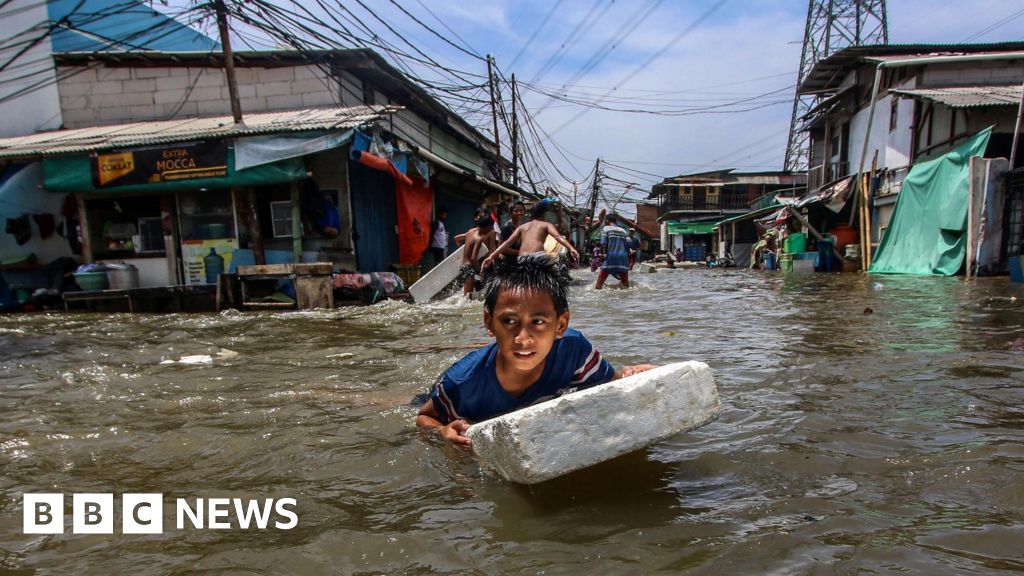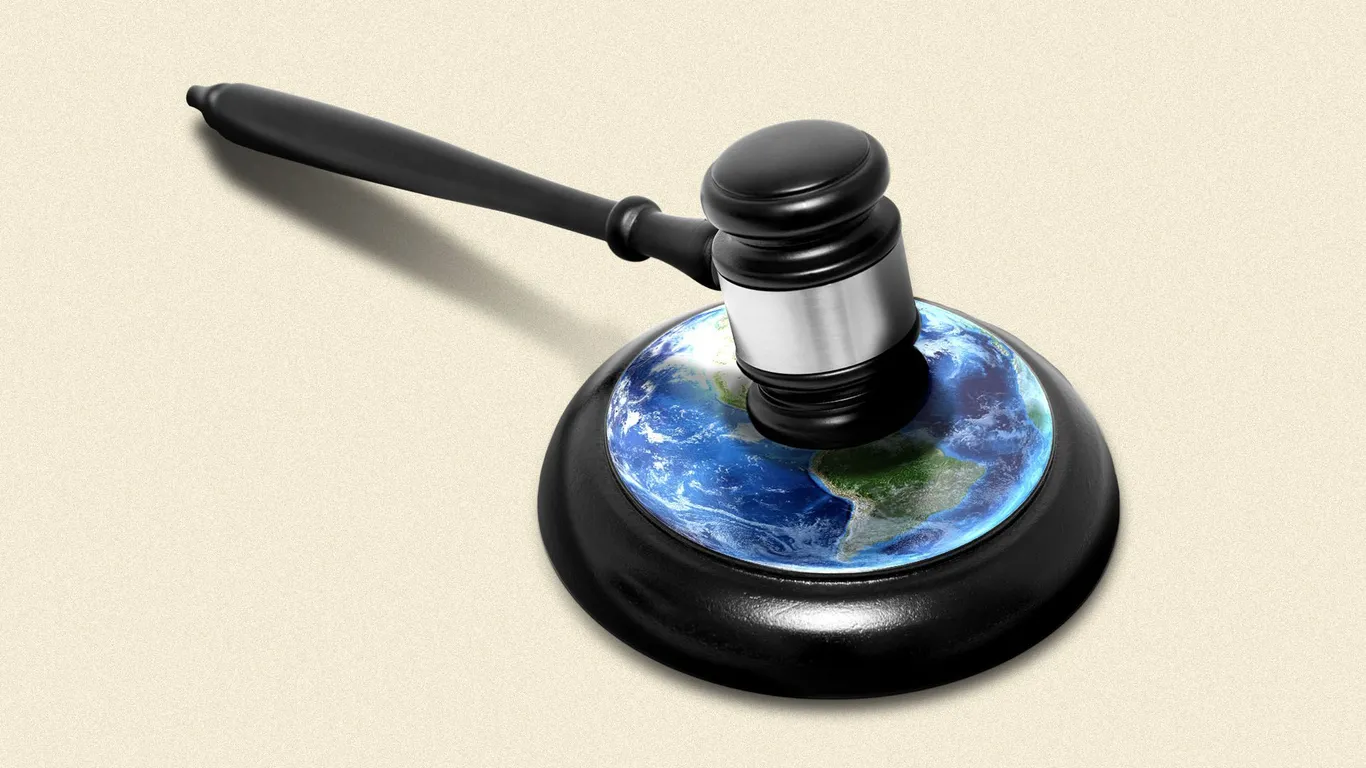
The International Court of Justice (ICJ) hearings on climate change obligations have highlighted dissatisfaction with the COP29 climate finance agreement, which many developing nations find inadequate. Led by Vanuatu, these countries seek to hold major greenhouse gas emitters accountable through the ICJ's advisory opinion, which, although nonbinding, could influence international law and corporate policies more than COP agreements. The case focuses on countries' legal obligations to combat climate change, with debates on whether broader international laws, including human rights, should be considered. The hearings continue, with significant contributions expected from various nations.
UK Prime Minister Keir Starmer is facing challenges in maintaining the country's climate leadership as economic constraints force a reconsideration of green targets. As COP29 approaches, Starmer emphasizes the historical benefits of energy transitions, while also navigating potential tensions with the EU and the influence of Donald Trump's political resurgence. Despite advocating for climate action, the UK continues to engage with major fossil fuel companies like BP, highlighting the complexity of balancing economic and environmental priorities.
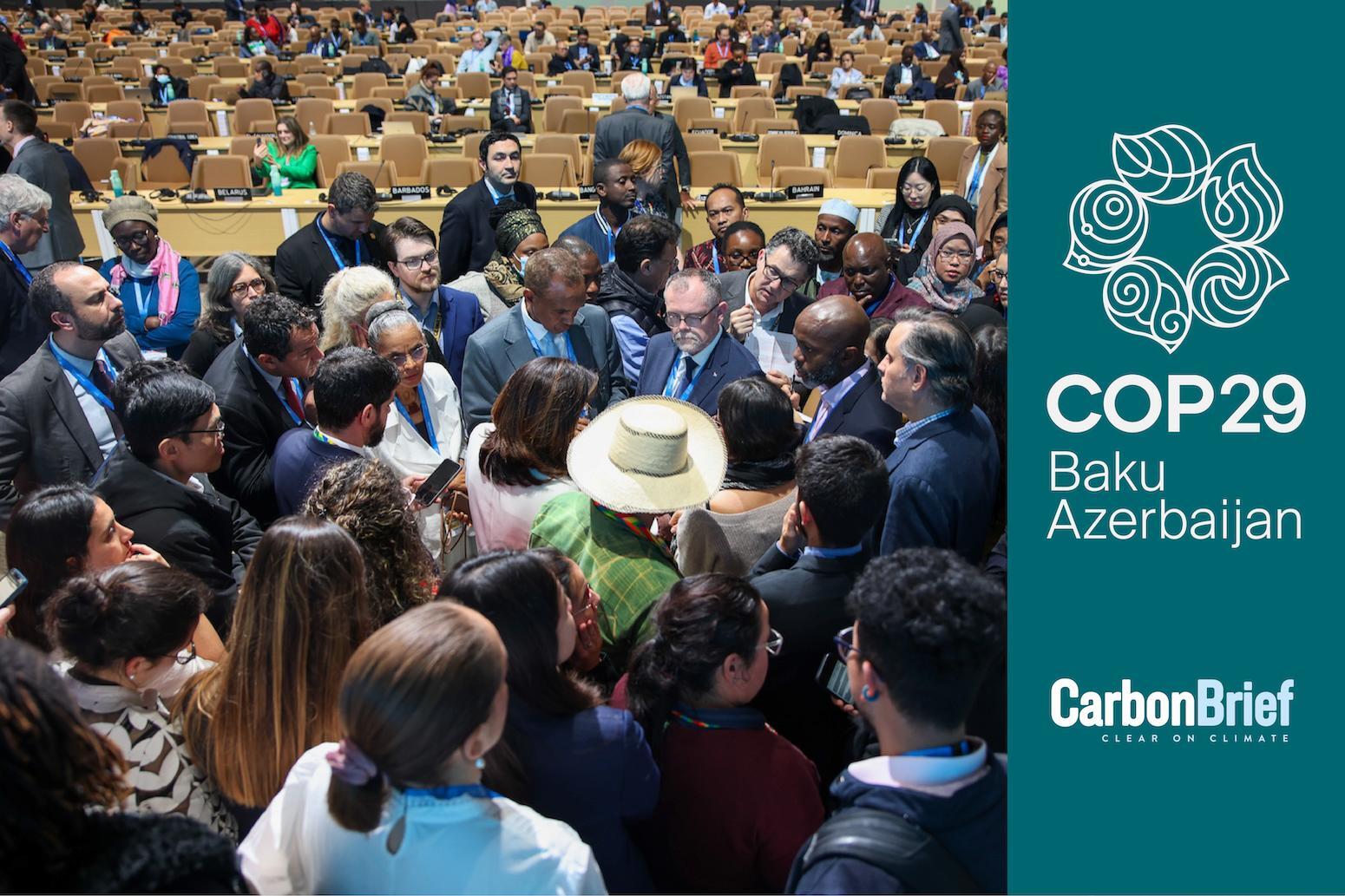
At the COP29 climate summit in Baku, developed nations agreed to channel at least $300 billion annually into developing countries by 2035 to combat climate change, a decision that left many developing nations dissatisfied as they had called for $1.3 trillion. The summit also finalized Article 6 on carbon markets, completing the Paris Agreement's framework. However, key issues like transitioning away from fossil fuels were deferred to COP30. The event was overshadowed by Donald Trump's reelection, which could impact future climate negotiations, and accusations of conflict of interest against Azerbaijan, the host nation.
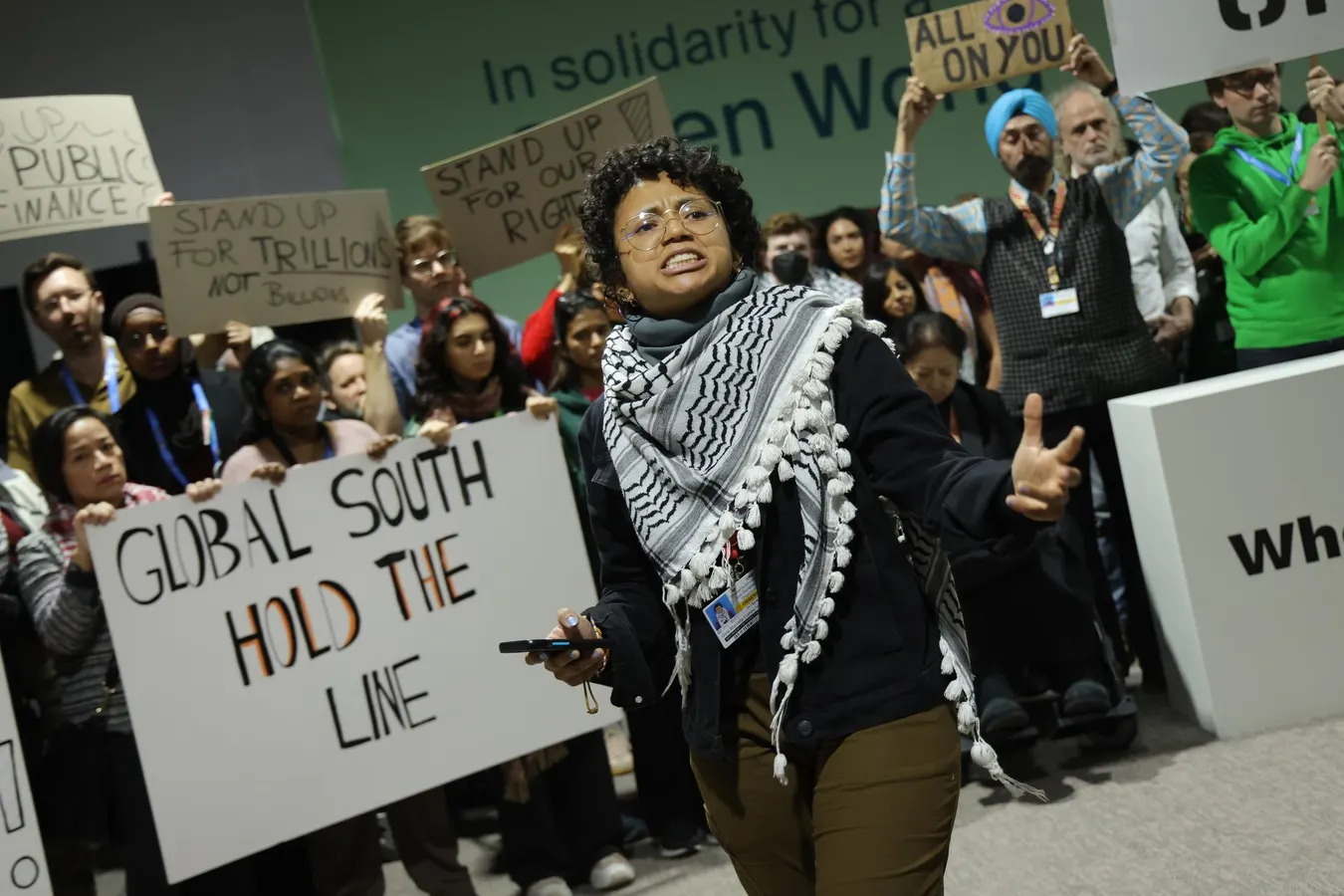
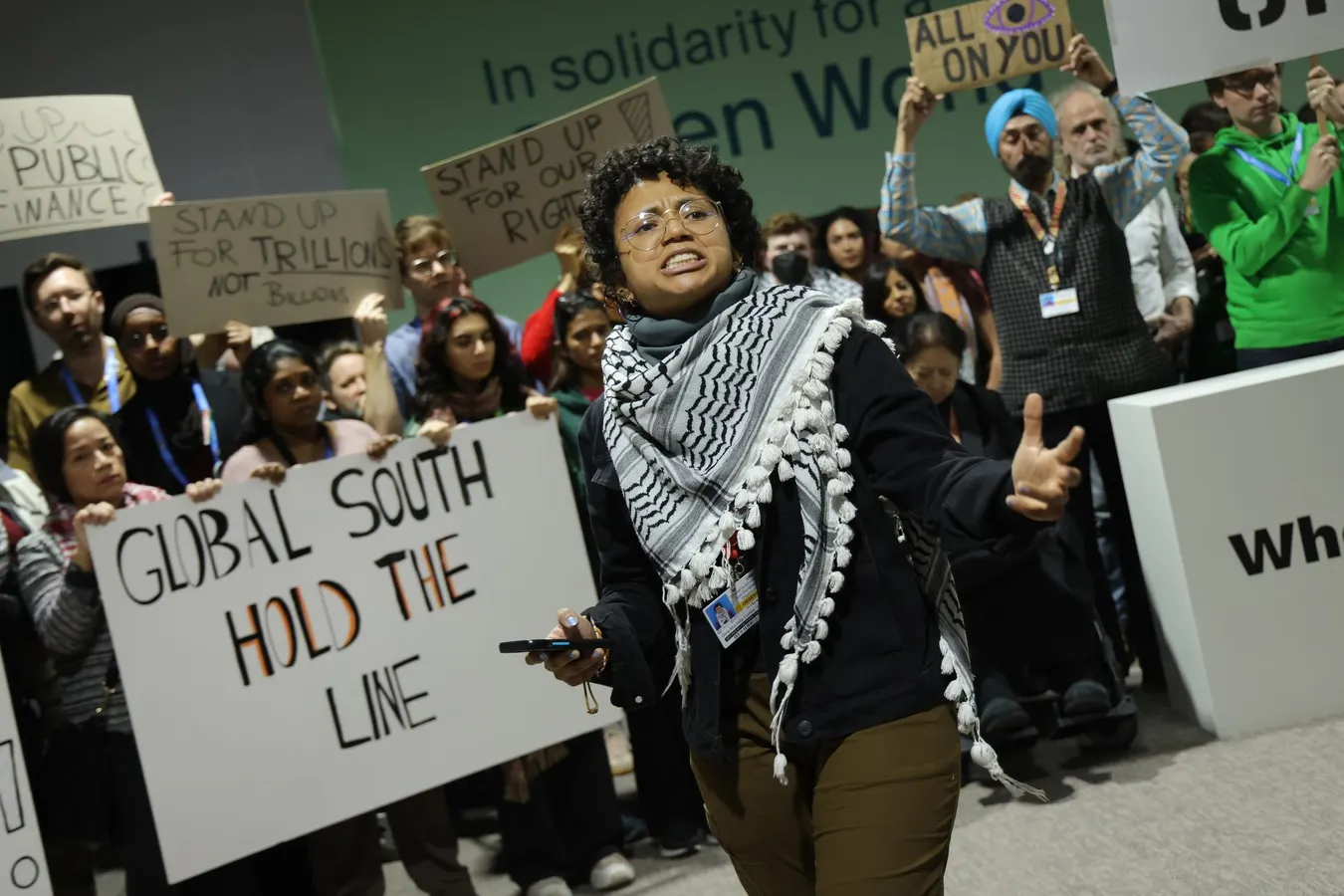
COP29 concluded with a contentious $300 billion annual climate finance deal for developing countries by 2035, which many deemed insufficient. The conference highlighted deep divisions between rich and poor nations, with developing countries criticizing the mix of grants and loans. The event also saw increased activism and concerns over the influence of authoritarian host nations. China's emerging role in climate leadership was noted, especially as the US's future involvement remains uncertain due to potential political changes. The conference underscored the need for reform and more effective climate action.
The COP29 climate summit in Baku concluded with a contentious agreement for developed nations to provide at least $300 billion annually by 2035 to help poorer countries transition from fossil fuels. The deal, criticized as insufficient by developing nations, reflects geopolitical tensions and the looming return of Donald Trump to the U.S. presidency. The agreement also includes rules for global carbon markets and involves contributions from emerging economies like China. Despite the funding shortfall, the deal marks a step towards addressing climate finance needs.
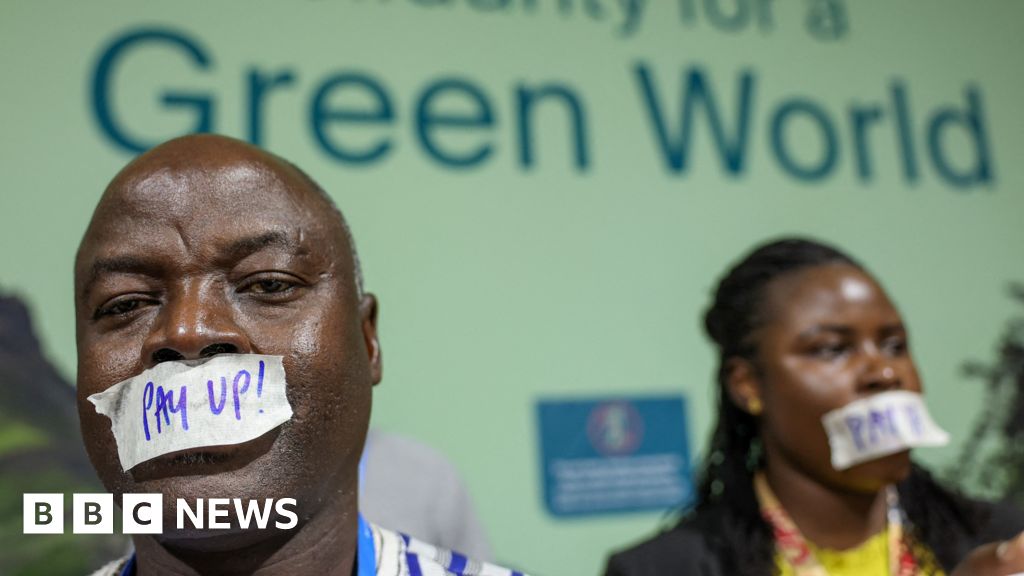
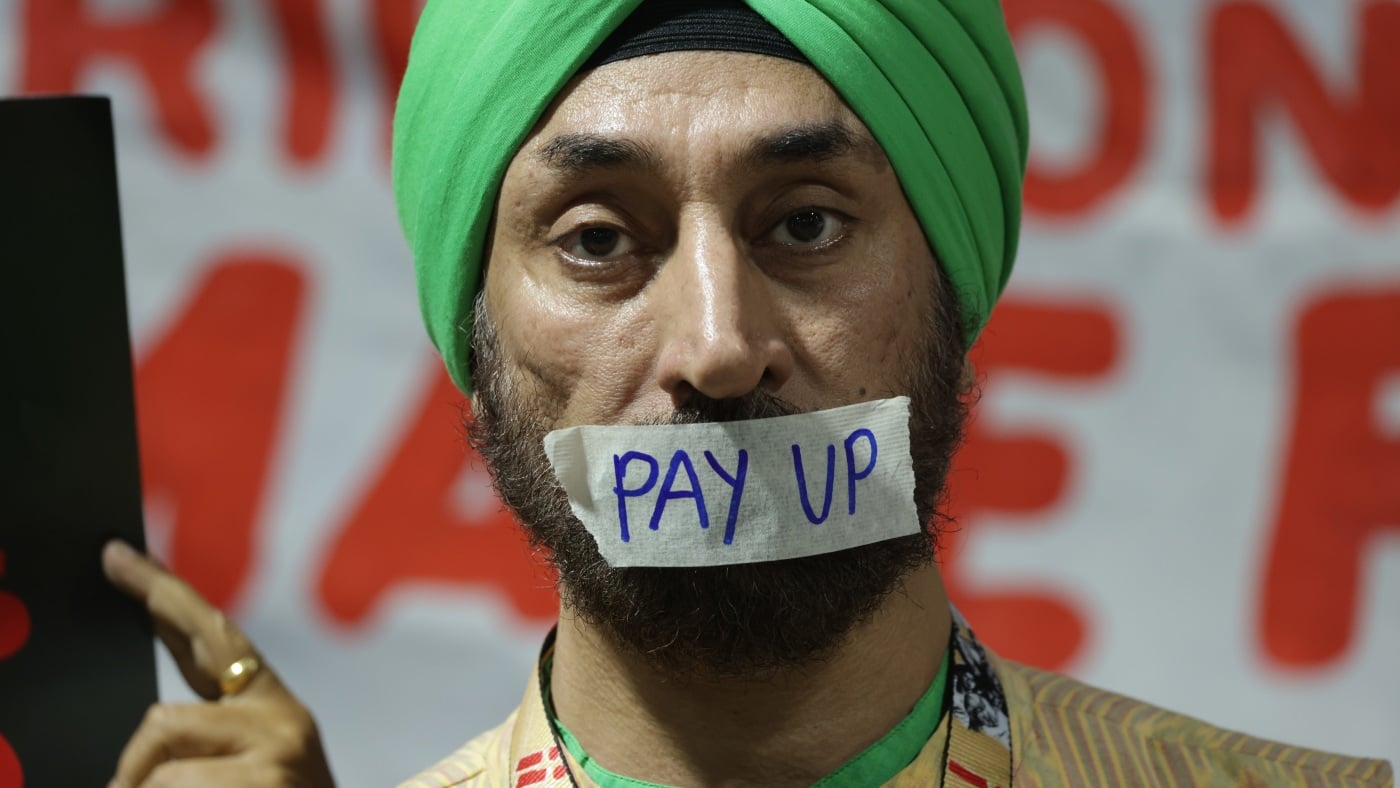
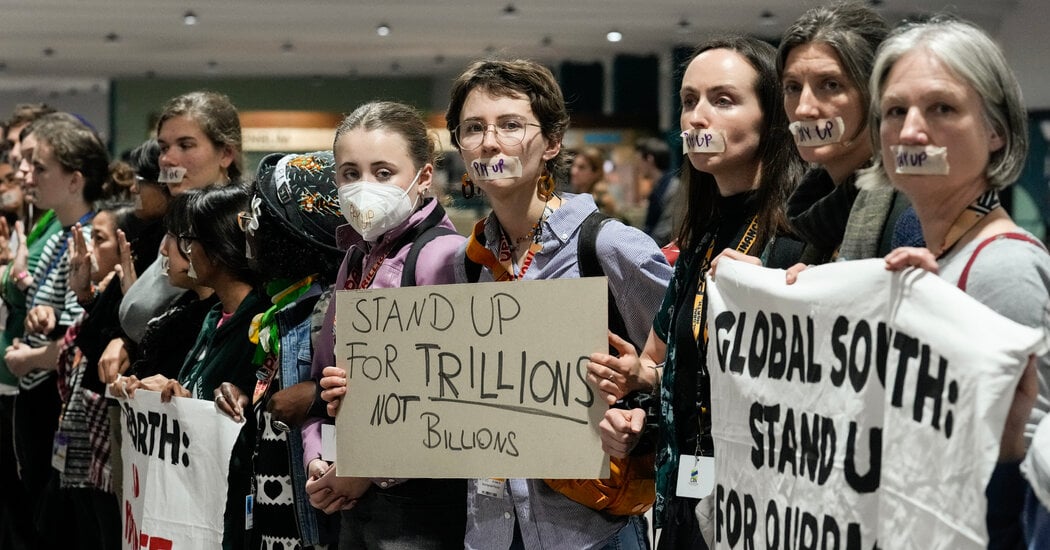
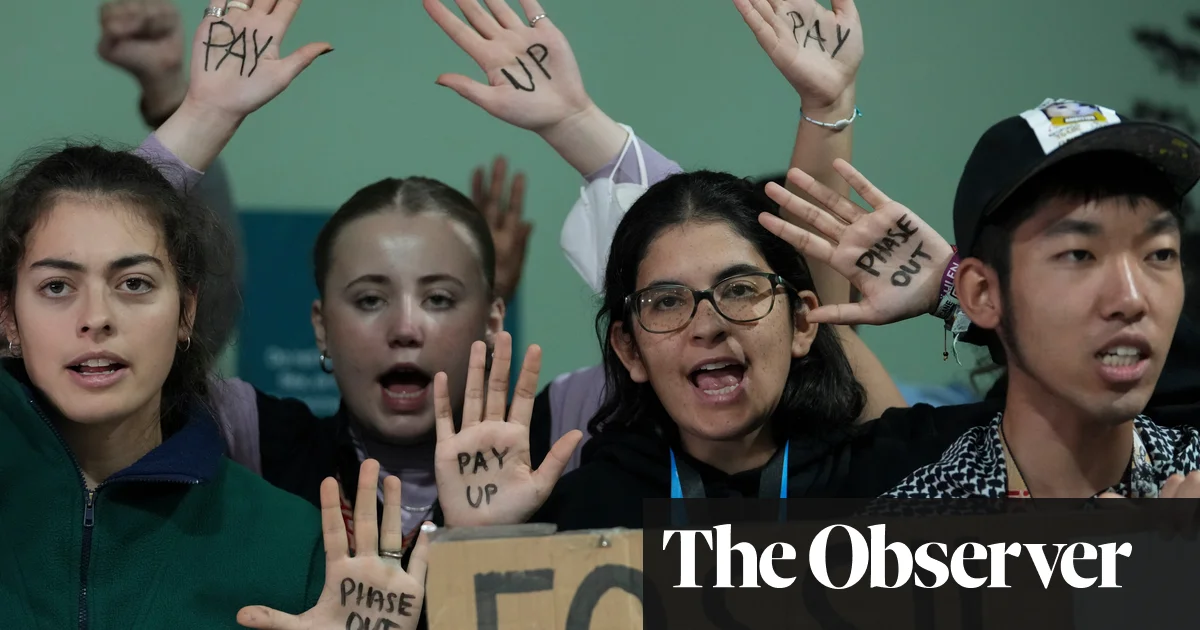
The COP29 climate conference in Baku ended in disarray as developing nations and NGOs rejected a $300 billion climate finance deal proposed by wealthy countries, demanding at least $1.3 trillion in grants instead. Key nations like India, Nigeria, and Bolivia opposed the agreement, criticizing it as insufficient and laden with loans rather than grants. Civil society groups labeled the outcome a betrayal, highlighting the failure of developed countries to meet their historical responsibilities. The controversy has sparked calls for reforming the COP process amid growing climate urgency.
The COP29 climate conference in Baku ended in disarray as developing nations and nonprofits rejected a $300 billion climate finance deal proposed by wealthy countries, demanding at least $1.3 trillion in grants instead. Key nations like India, Nigeria, and Bolivia opposed the agreement, citing insufficient funds and unmet promises. Civil society groups criticized the deal as a betrayal, highlighting the burden of debt it imposes on poorer countries. The conference faced additional controversies, prompting calls for reforming the COP process amid urgent climate challenges.
The COP29 climate talks resulted in a US$300 billion climate finance deal aimed at supporting developing countries in their climate efforts, but fell short in establishing a comprehensive global carbon trading system. The conference highlighted the ongoing challenges in reaching consensus on key climate issues, despite some progress in financial commitments.
At the COP29 climate conference in Baku, Azerbaijan, negotiators reached a contentious agreement for wealthy nations to provide $300 billion annually to help developing countries combat climate change, far short of the $1.3 trillion requested. The deal, criticized for its inadequacy, was brokered amid tensions and walkouts by developing nations. The conference also faced pushback on fossil fuel phase-out commitments and saw criticism over carbon market rules and insufficient health funding. Some countries announced new climate targets, but the overall outcome left many dissatisfied.
The COP29 climate summit highlighted the uncertainty surrounding global climate efforts following Donald Trump's return to the U.S. presidency. Despite the Biden administration's attempts to maintain climate commitments, Trump's policies threaten to reverse progress, including exiting the Paris Agreement and reducing climate finance. The summit ended with a call for $300 billion in annual climate finance, deemed insufficient by developing nations. As the U.S. steps back, China is poised to take a leading role in global climate efforts, though its approach remains uncertain.
At COP29 in Baku, Azerbaijan, nearly 200 countries agreed on a climate deal where wealthy nations will provide $300 billion annually by 2035 to help poorer countries cope with climate impacts. Despite the agreement, many developing nations criticized the amount as insufficient compared to the $1.3 trillion needed. The summit faced challenges, including boycotts and fossil fuel interests, and was marked by tensions over financial commitments and geopolitical dynamics.
At COP29 in Azerbaijan, wealthier nations pledged a record $300 billion to help developing countries combat climate change, despite the talks nearly collapsing and failing to advance commitments to reduce fossil fuel use. The deal, reached after intense negotiations, aims to support vulnerable nations disproportionately affected by climate change, though it faced criticism for insufficient action and funding. The agreement highlights ongoing global efforts to address climate issues, but geopolitical challenges and the absence of U.S. support under President Trump complicate progress.
The COP29 climate talks concluded with an agreement on financial commitments to address climate change, but only after intense negotiations and disputes among participating countries.
Negotiators at the COP29 climate summit in Baku are finalizing a deal to provide $300 billion annually by 2035 to help poorer nations combat climate change. This agreement comes as China positions itself as a leader in climate action, following the re-election of climate-change skeptic Donald Trump as U.S. president.
The COP29 climate talks in Baku extended past their deadline as developed and developing countries clashed over funding a proposed $1 trillion climate fund. Rich nations offered $300 billion annually, far short of the $1.3 trillion needed, with developing countries demanding more grants and low-interest loans to avoid debt. Tensions rose with accusations of obstruction by fossil fuel interests and criticism of the host country, Azerbaijan. Despite challenges, there was hope for a deal prioritizing vulnerable communities' needs.