In 2025, significant legal victories have been achieved worldwide in climate justice, including rulings against fossil fuel projects, greenwashing lawsuits, landmark international court opinions, and policy changes aimed at reducing emissions and protecting the climate, marking a decade of evolving legal efforts to combat climate change.
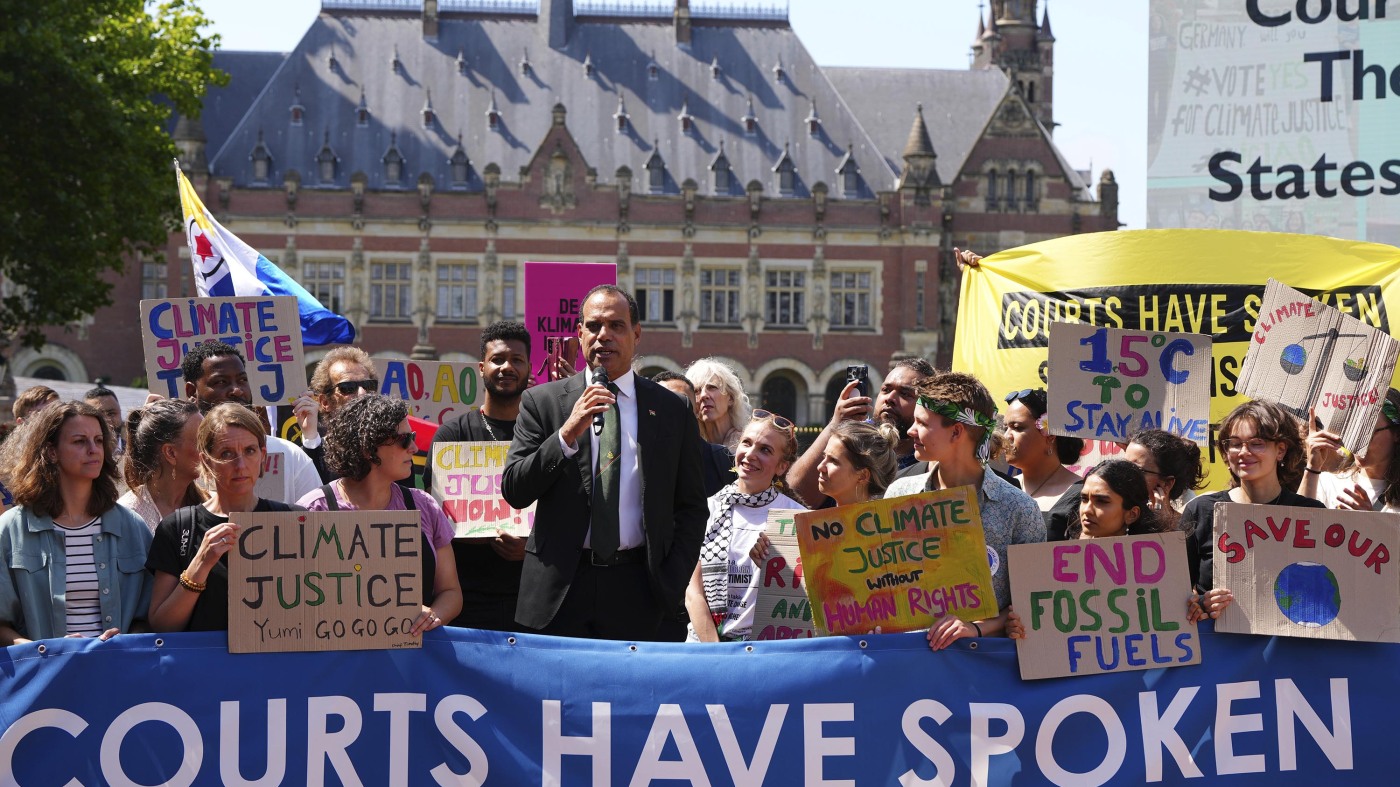
The International Court of Justice has issued a nonbinding advisory opinion stating that protecting the environment is a human right and that countries have a legal obligation to prevent climate change impacts, potentially enabling affected parties to sue high-emitting nations and increasing pressure for stronger climate action.
The International Court of Justice ruled that nations are legally obligated to act on climate change and could be held responsible for damages, marking a significant but advisory milestone that may influence future climate litigation and negotiations, especially for vulnerable small island nations like Vanuatu.
A landmark UN court ruling at the International Court of Justice allows countries to sue each other over climate change damages, recognizing the right to seek compensation for climate-related harm, especially for vulnerable nations, though the decision is advisory and the issue of damages remains uncertain.
The Inter-American Court of Human Rights issued a landmark advisory opinion affirming that nations have a legal duty to protect the climate and human rights, emphasizing the need for urgent action to reduce environmental harm and prevent irreversible climate damage, which is expected to influence climate justice efforts across the Americas and beyond.
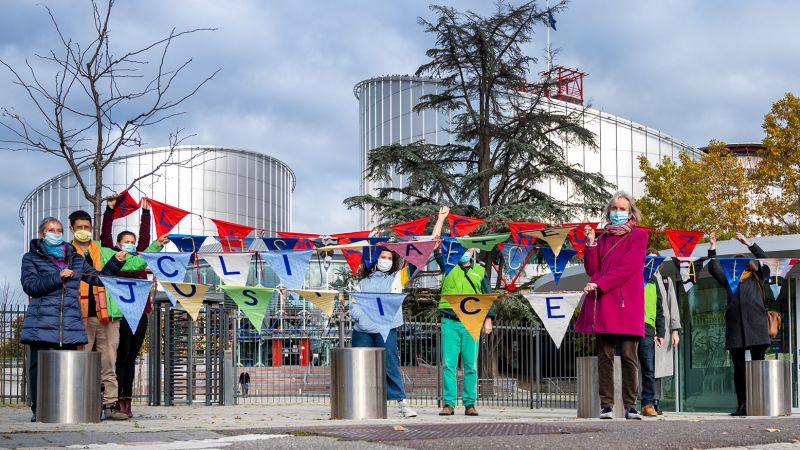
The European Court of Human Rights is set to rule on three climate cases, including a lawsuit by Portuguese youths against 32 European countries for failing to avert catastrophic climate change, and cases brought by elderly Swiss women and a former French mayor. The verdicts will determine whether weak climate change policies violate human rights, potentially setting a precedent for future climate litigation and influencing national emissions reduction targets. A ruling against the governments could lead to revised targets and further litigation, while a loss for the claimants could deter future legal action. The outcomes will also have implications beyond Europe, potentially impacting climate litigation in other countries.
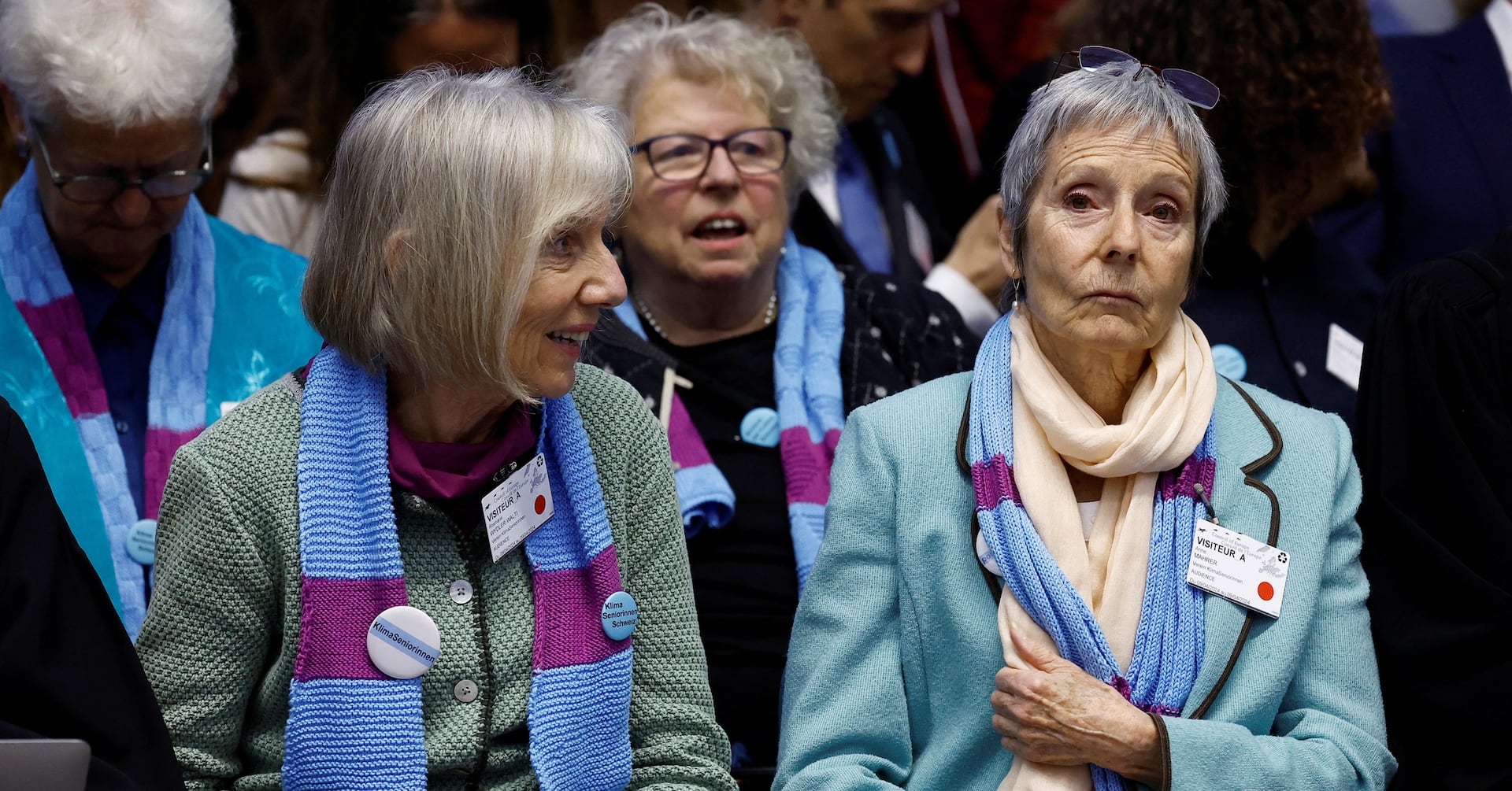
The European Court of Human Rights ruled in favor of a group of elderly Swiss women, stating that the Swiss government's inadequate efforts to combat climate change violated the human right to a private and family life. The ruling could set a precedent for climate litigation across Europe and beyond. While the court threw out two similar cases, the Swiss verdict, which cannot be appealed, may compel the government to take greater action on reducing emissions, including revising its 2030 emissions reductions targets to align with the Paris Agreement goal of limiting warming to 1.5 degrees Celsius.
Two top Republican lawmakers, Senator Ted Cruz and Representative James Comer, are launching a probe into Sher Edling, a California-based law firm, over its climate litigation against oil companies. The lawmakers expressed concern about the firm's activities and its relationship with a top Biden administration official. Sher Edling has pursued aggressive climate-related lawsuits on behalf of several states and local governments, alleging that major oil companies have deceived the public about climate change. The firm has received millions of dollars in funding from left-wing dark money sources, including the Leonardo DiCaprio Foundation. The Republicans are demanding more information about the firm's funding and its connection to the Biden administration official.
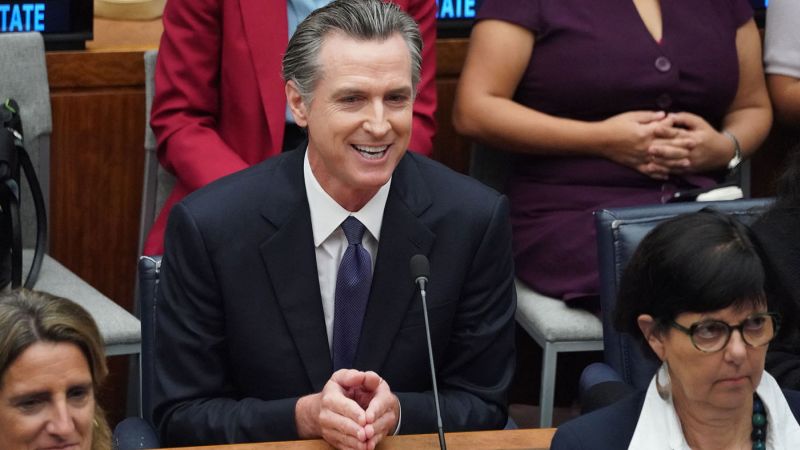
California Governor Gavin Newsom called the climate crisis a "fossil fuel crisis" at the UN's Climate Ambition Summit, receiving applause from global leaders. California has taken significant action in recent weeks, including launching a major lawsuit against big oil companies for deceiving the public on climate change, passing climate and clean energy measures, and banning sales of new gas-powered cars by 2035. The state's legislative supermajorities and legal resources are giving it national impact. The lawsuit seeks to hold oil companies accountable for climate change damages and proposes a new abatement fund. California's actions are influencing other states, but conservative states may remain unaffected.
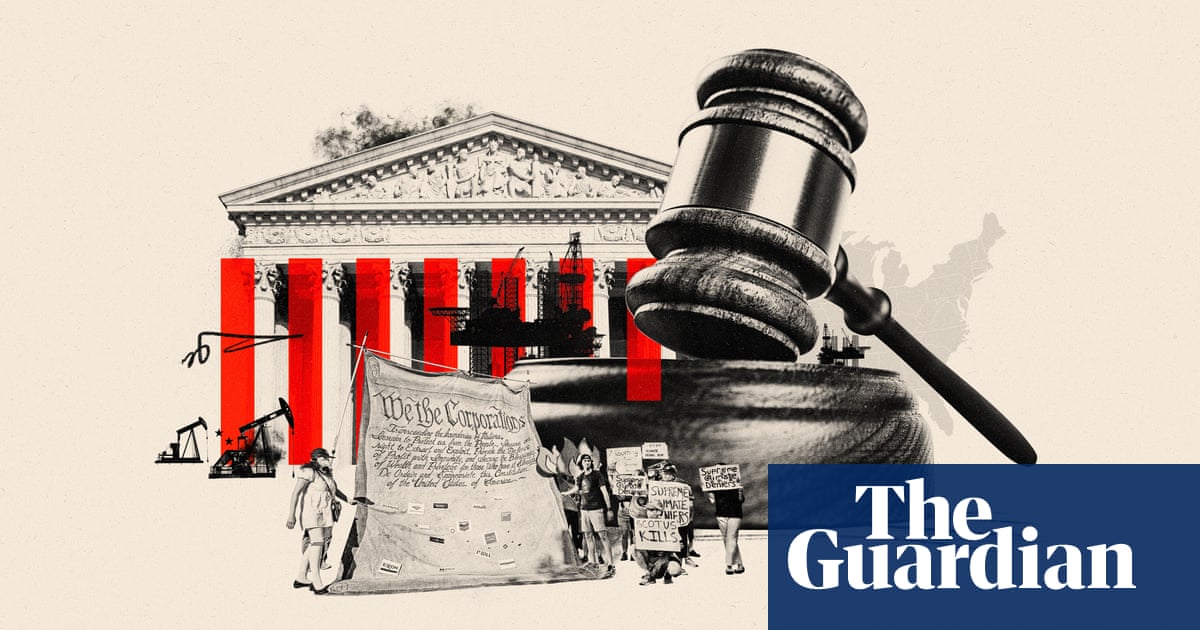
Climate litigation in the US is entering a "game changing" phase, with a spate of lawsuits set to advance after a recent supreme court decision. The number of cases focused on the climate crisis around the world has doubled since 2015, bringing the total number to over 2,000. The US has not always led the way, but experts say that could be changing as more than two dozen US cities and states are suing big oil alleging the fossil fuel industry knew for decades about the dangers of burning coal, oil, and gas, and actively hid that information from consumers and investors. The first constitutional climate lawsuit in the US goes to trial on Monday next week (12 June) in Helena, Montana, based on a legal challenge by 16 young plaintiffs, ranging in age from five to 22, against the state’s pro-fossil fuel policies.
A group of Swiss women, including over 2,000 senior citizens, are taking their government to the European Court of Human Rights, claiming that its failure to act on the climate crisis is violating their human rights. The women are claiming that their health and quality of life are suffering because of heatwaves, which are becoming harsher and more frequent because of the climate crisis. The case is the first climate lawsuit to be heard by the European Court of Human Rights and could pave the way for numerous similar lawsuits to be launched in the future.
The US Department of Justice has filed a legal brief in support of local governments in Colorado pursuing climate litigation against fossil fuel companies, arguing that the case against Suncor should be heard in state court. The move fulfills a campaign promise by President Joe Biden to support climate litigation. If successful, the lawsuits could change how firms do business, compel companies to pay for climate adaptation, and reinforce banking industry concerns that fossil fuels are a risky investment. The Supreme Court will weigh in on whether the case belongs in federal court, with a decision expected in 2024.