Cardinal Parolin emphasizes the urgency of climate action ahead of COP30, highlighting the displacement caused by environmental crises, the Church's role in raising awareness and promoting ethical responses, and the need for concrete commitments from world leaders to address climate change and support vulnerable populations.
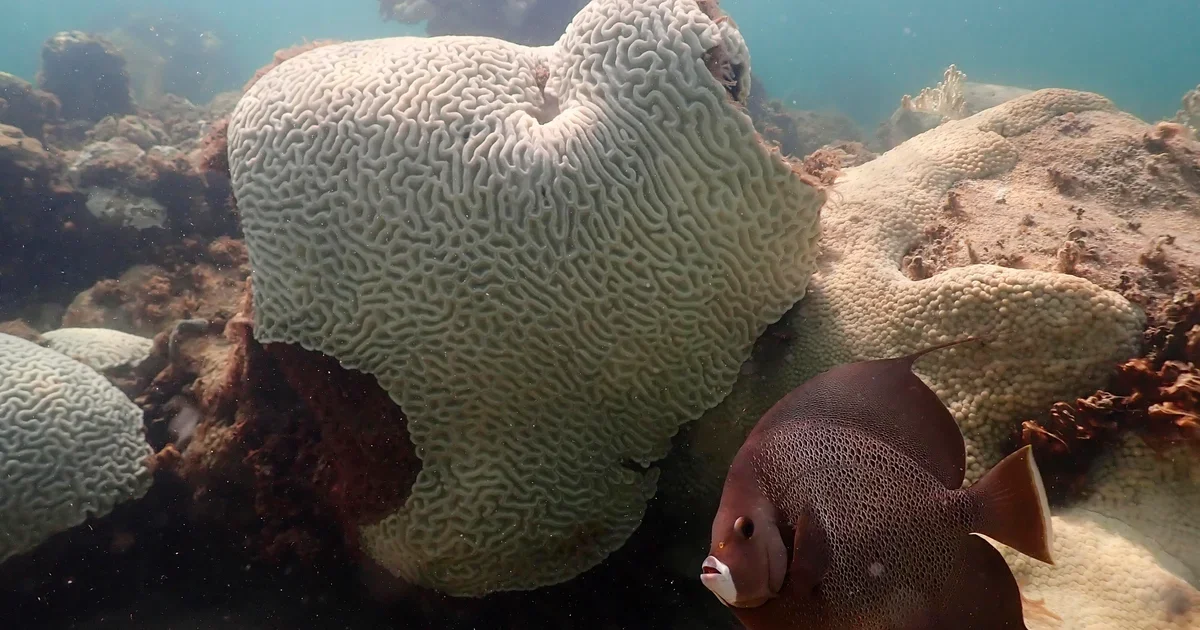
Coral reefs are the first environmental system on Earth to pass a climate 'tipping point,' with widespread bleaching and dieback due to rising ocean temperatures, signaling an urgent need for global decarbonization to prevent irreversible ecological and economic damage.
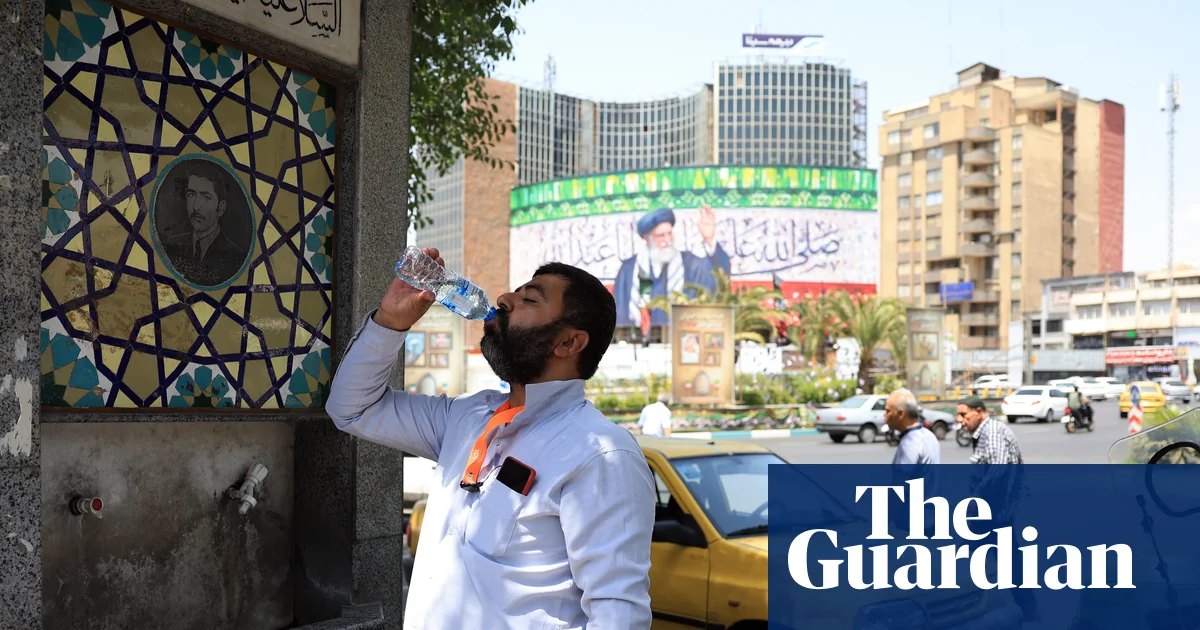
Iran's president has proposed moving the capital from Tehran to the south due to severe water shortages, over-expansion, and land subsidence, highlighting the country's worsening environmental and resource crises.
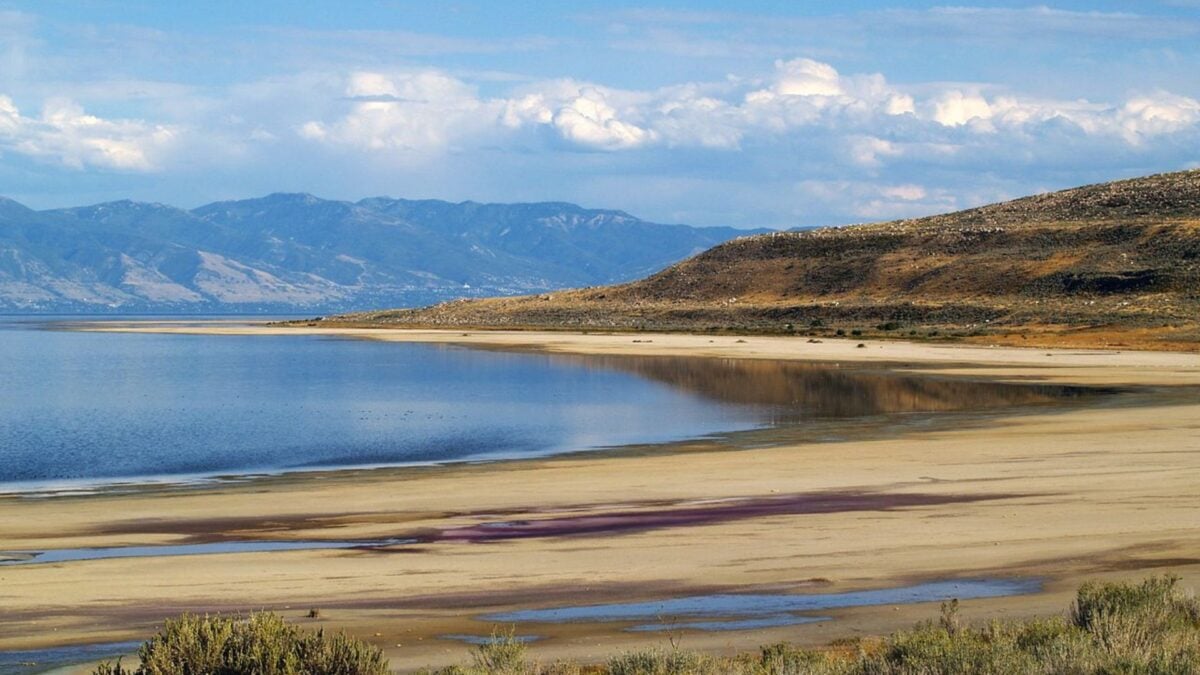
As the Great Salt Lake shrinks, scientists discover a subsurface aquifer that could provide a new freshwater source to help mitigate environmental issues like dust pollution, though further research is needed to understand its potential and sustainability.
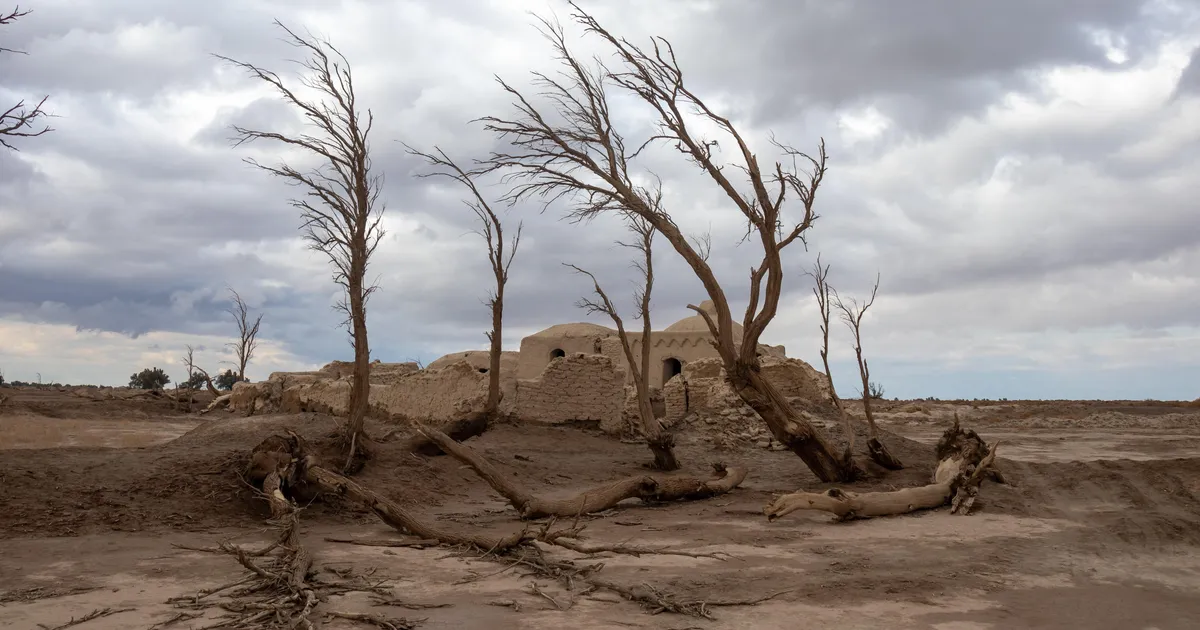
The article discusses how climate change, driven by manmade fossil fuel consumption and imperialist capitalism, could destabilize regimes in Iran and the broader Middle East, potentially leading to regime change, while also highlighting regional tensions and environmental issues.
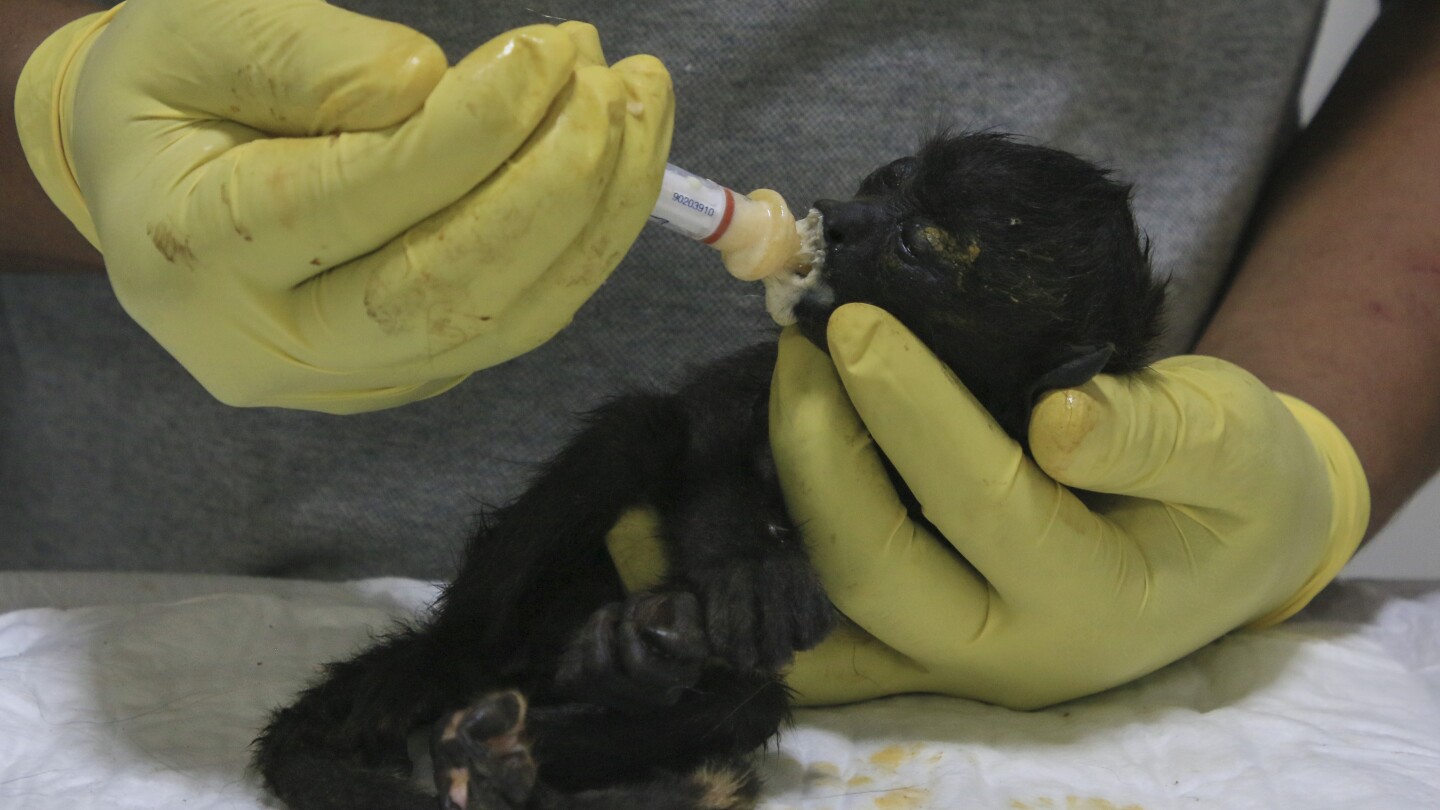
A severe heatwave in Mexico has led to the deaths of 157 howler monkeys and numerous birds and bats due to dehydration and heat stroke. Environmentalists report that the extreme temperatures, exacerbated by drought, forest fires, and deforestation, are causing widespread wildlife fatalities. Efforts to treat and release affected animals are ongoing, but the situation remains dire with potential long-term impacts on the ecosystem.
A coalition of over 15,000 scientists has updated their 2019 warning of a climate emergency, stating that the earth is entering "uncharted territory" with its ability to support life "under siege." The report highlights that numerous temperature records have been shattered, indicating serious threats to the planet's vital signs. Greenhouse gas levels, including carbon dioxide, nitrous oxide, and methane, are at record highs, while ocean acidity, glacier thickness, and Greenland ice mass have reached all-time lows. The report also notes that despite some positive signs in deforestation rates, the planet is not on track to reverse deforestation by the end of the decade. The authors emphasize the need to shift from an economy focused on excessive consumption to one that supports meeting basic needs for all people.
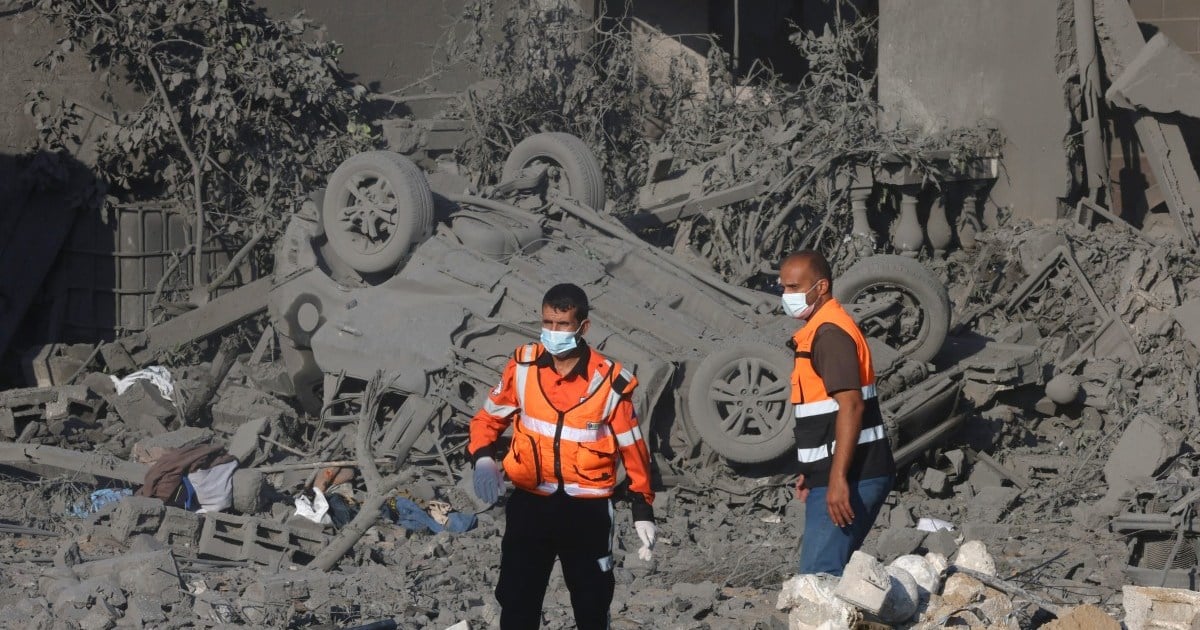
The Hamas interior ministry in Gaza has warned of a humanitarian and environmental crisis as over 1,000 bodies remain trapped under the rubble of buildings destroyed by Israeli air attacks. The death toll in Gaza has reached 2,750, with 9,700 injured. Hospitals are running out of fuel and will be unable to operate within 24 hours, and Israel has imposed a total siege on Gaza, cutting off access to food, fuel, medicine, and other supplies.
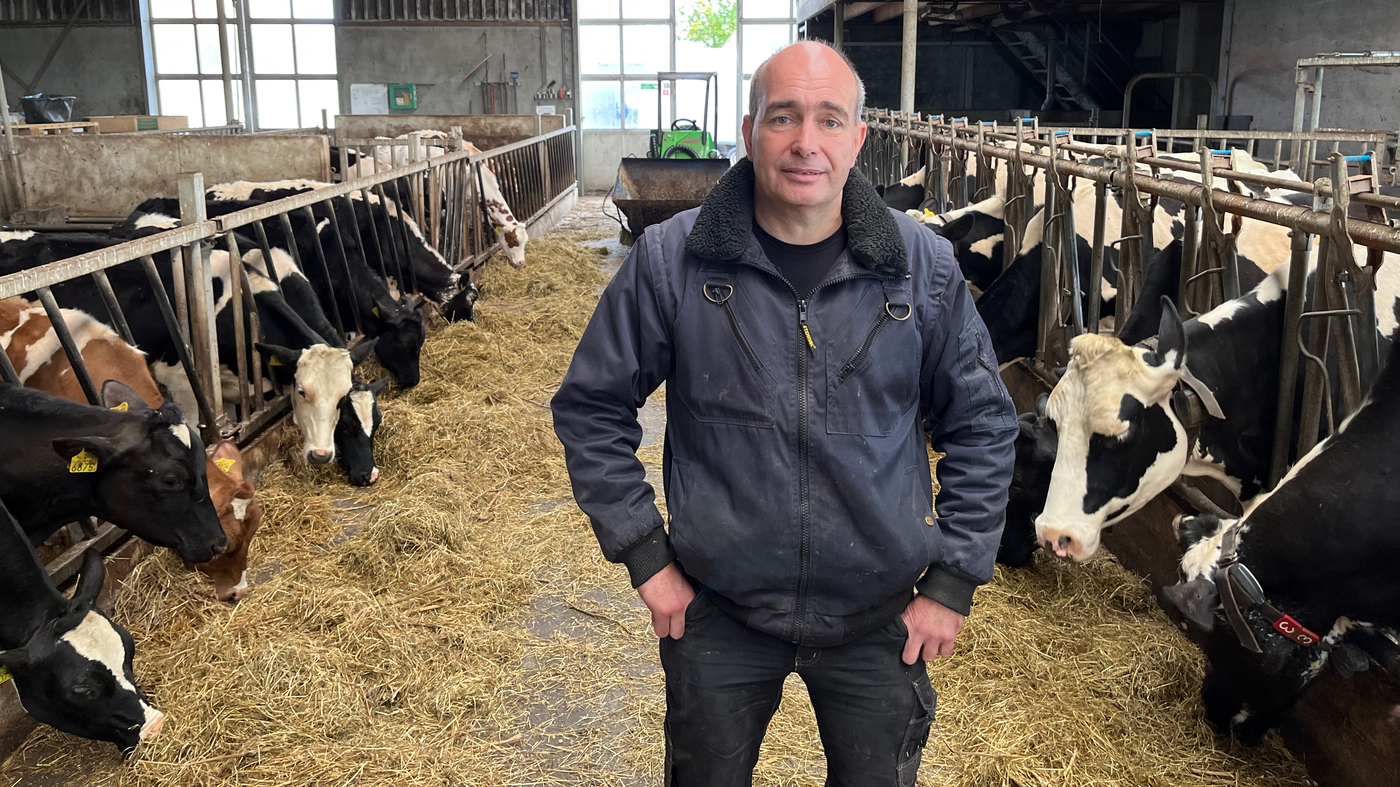
The Farmer-Citizens Movement, also known as BBB, is gaining support in the Netherlands as farmers express discontent with the government's new nitrogen reduction rules. These rules aim to address the country's nitrogen crisis caused by intensive farming practices. Dutch farmers, who are among the most intensely farmed in the world, argue that the proposed regulations will harm their livelihoods. The BBB, a political party born out of farmers' protests, has gained popularity beyond the farming community and is now polling in third place ahead of the upcoming national election. The party taps into wider concerns about government interference and a sense that the government is not serving the interests of the citizens.
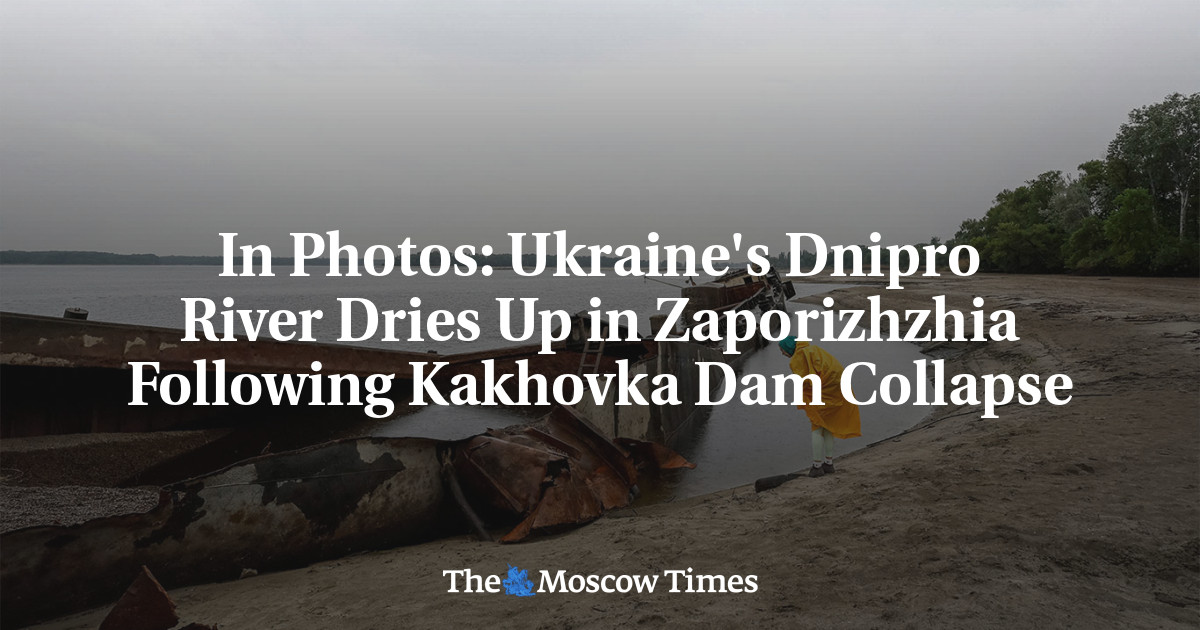
The collapse of the Kakhovka dam in Ukraine has caused a significant fall in water levels on the Dnipro River, jeopardizing water sources for farmland and revealing long-lost relics. The dam's collapse has sparked an environmental and humanitarian crisis in Ukraine's Kherson region, with Russia and Ukraine blaming each other for causing the collapse. The Zaporizhzhia nuclear power plant, located downstream, is at risk of losing the water needed to cool its reactors, but the UN nuclear watchdog has said there is no short-term risk to the plant following the dam breach.
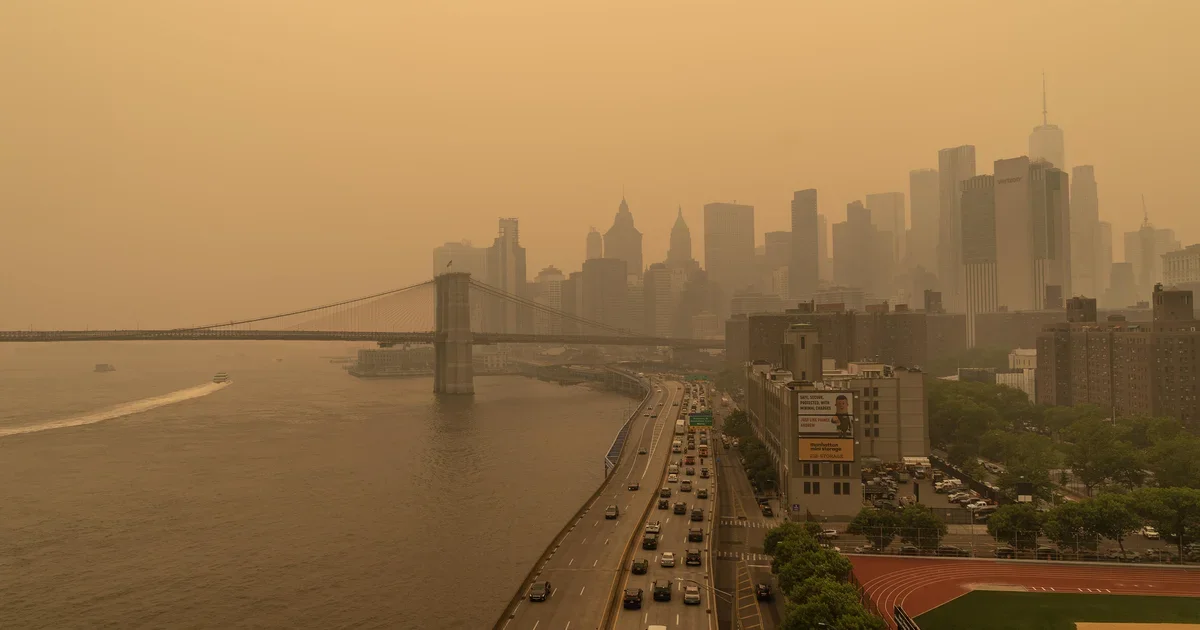
Air quality concerns continue in New York City due to smoky haze from the Canadian wildfires, with officials urging residents to stay inside and wear facemasks if they must go out. The city's air quality index reached the worst in the world on Wednesday, prompting city leaders to call it an environmental and health crisis. Vulnerable populations, including seniors and young children, are advised to limit time outdoors. City-sponsored events have been canceled, and the city's four zoos, New York Aquarium, and public beaches remain closed. Governor Kathy Hochul's office is distributing 1 million facemasks across the state, including 400,000 in New York City.