
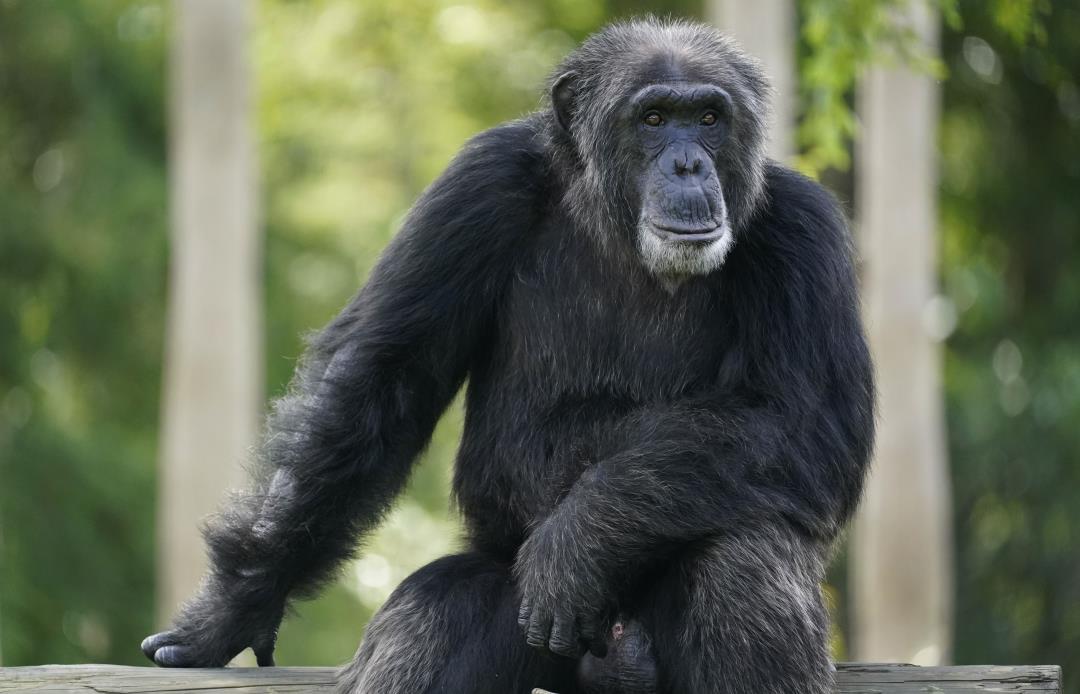
Researchers in the UK have found that great apes, including gorillas, chimpanzees, and orangutans, intentionally spin in circles to get dizzy, possibly due to a shared tendency to seek and delight in experiences that stimulate and alter their senses. The behavior may have come from our shared ancestors and could help explain why humans evolved a desire to get high. The spinning behavior may engender similar neurophysiological effects in nonhuman great apes.
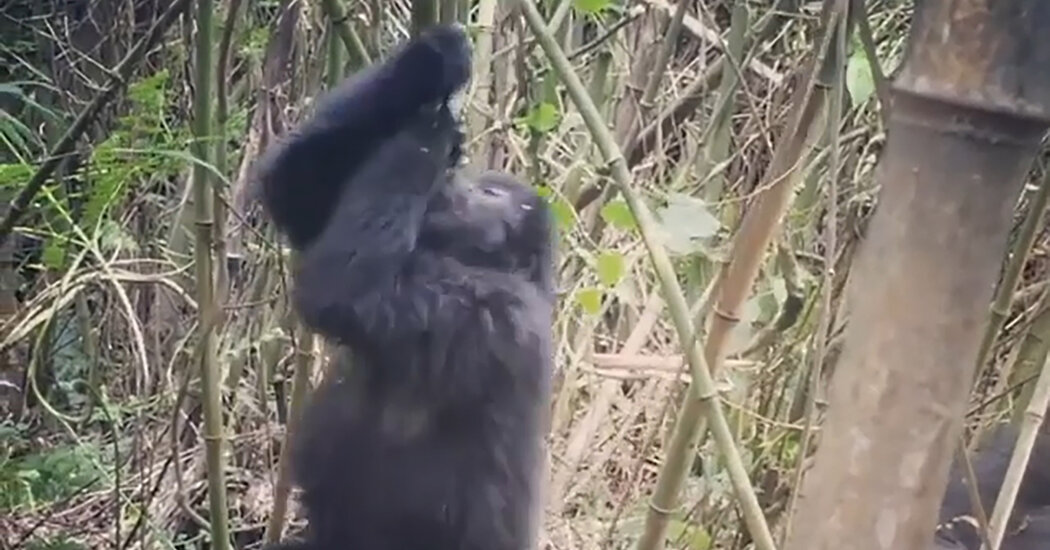
Videos of captive and wild nonhuman primates show that they enjoy spinning in circles, possibly in pursuit of altered mental states. Researchers found evidence of great apes spinning on ropes or ropelike materials, with most spinning at an average rotation velocity of 1.43 revolutions per second. The longer an ape spun, the more likely it was to show signs of dizziness, such as letting go of the rope and immediately sitting or lying down. Apes tended to repeat the process of spinning and stopping, engaging in an average of three bouts of spinning per session. The animals also often made “play faces” while spinning, implying that they were most likely having fun rather than only seeking a way to relieve themselves of boredom in captivity.