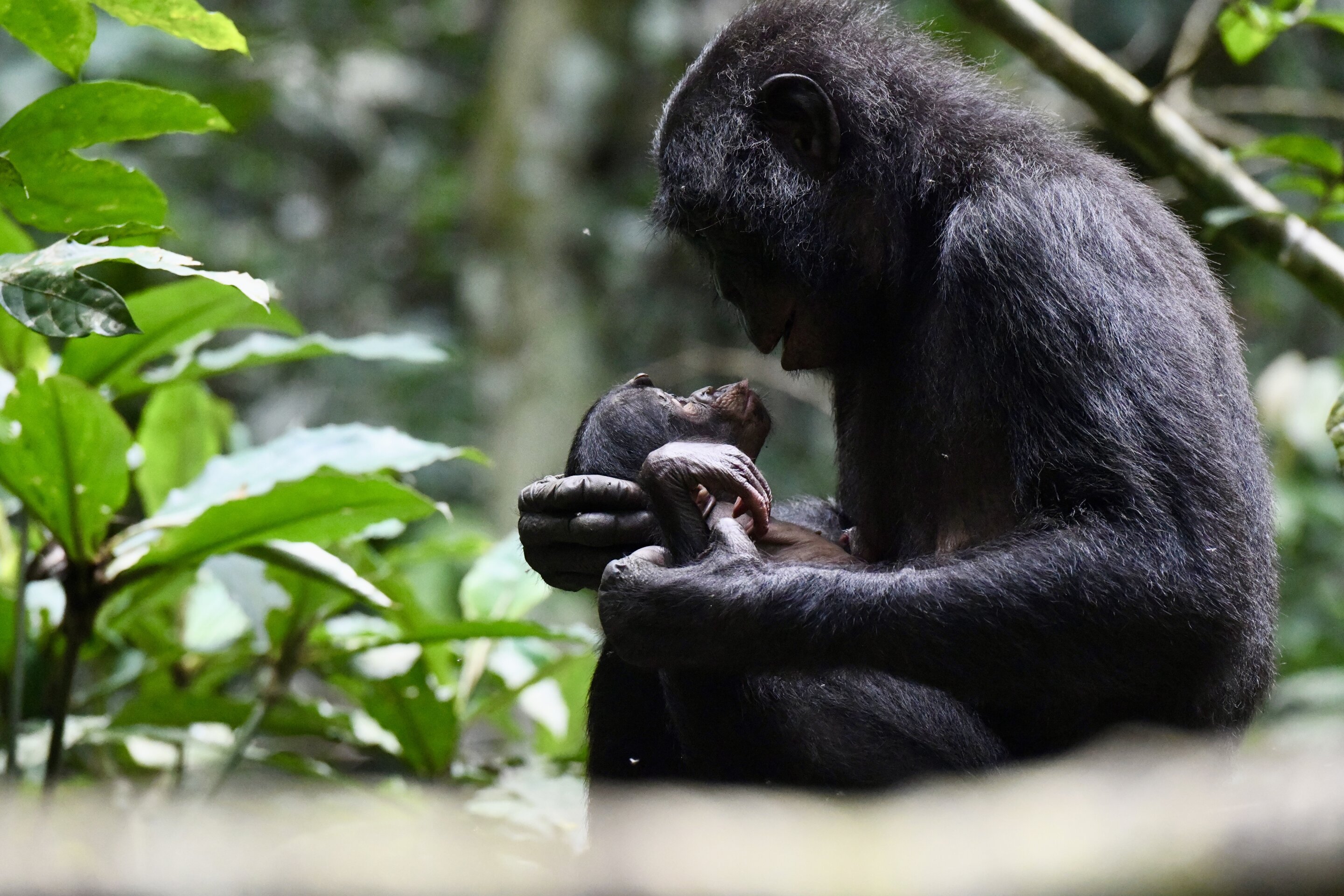
A study comparing infant-directed vocal communication among humans and great apes reveals that humans use this form of communication far more frequently, suggesting that the tendency to direct vocalizations at infants has been significantly expanded in the human lineage, which may be a key factor in language development.

Researchers have conducted a study to understand how adults make sense of the limited vocabulary of young children. By analyzing thousands of hours of transcribed audio, computational models were created to decode adult interpretations of baby talk. The most successful models relied on context from previous conversations and knowledge of common mispronunciations. This context-based interpretation by adults may provide valuable feedback, aiding babies in language acquisition. The findings suggest that adults' understanding of children's speech could facilitate more effective language learning in young children.
A study published in the Proceedings of the National Academy of Sciences found that bottlenose dolphins use motherese, or baby talk, when communicating with their calves. The researchers analyzed recordings of 19 adult female dolphins and found that mother dolphins change the tone of their signature whistles when addressing their babies. The usage of child-directed communication is believed to enhance attention, bonding, and vocal learning, but researchers are not sure what the "mechanistic driver(s) or function(s) of" baby talk is for bottlenose dolphins.