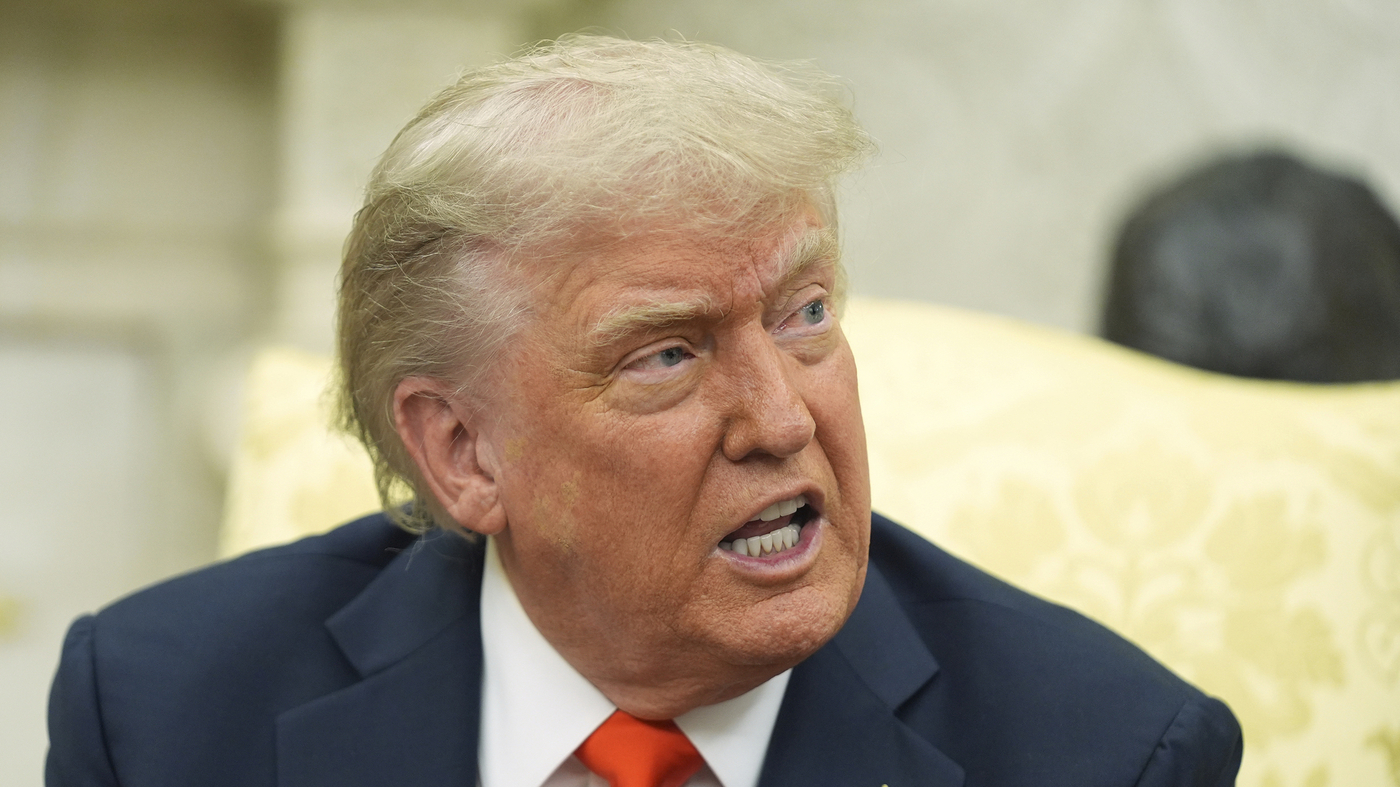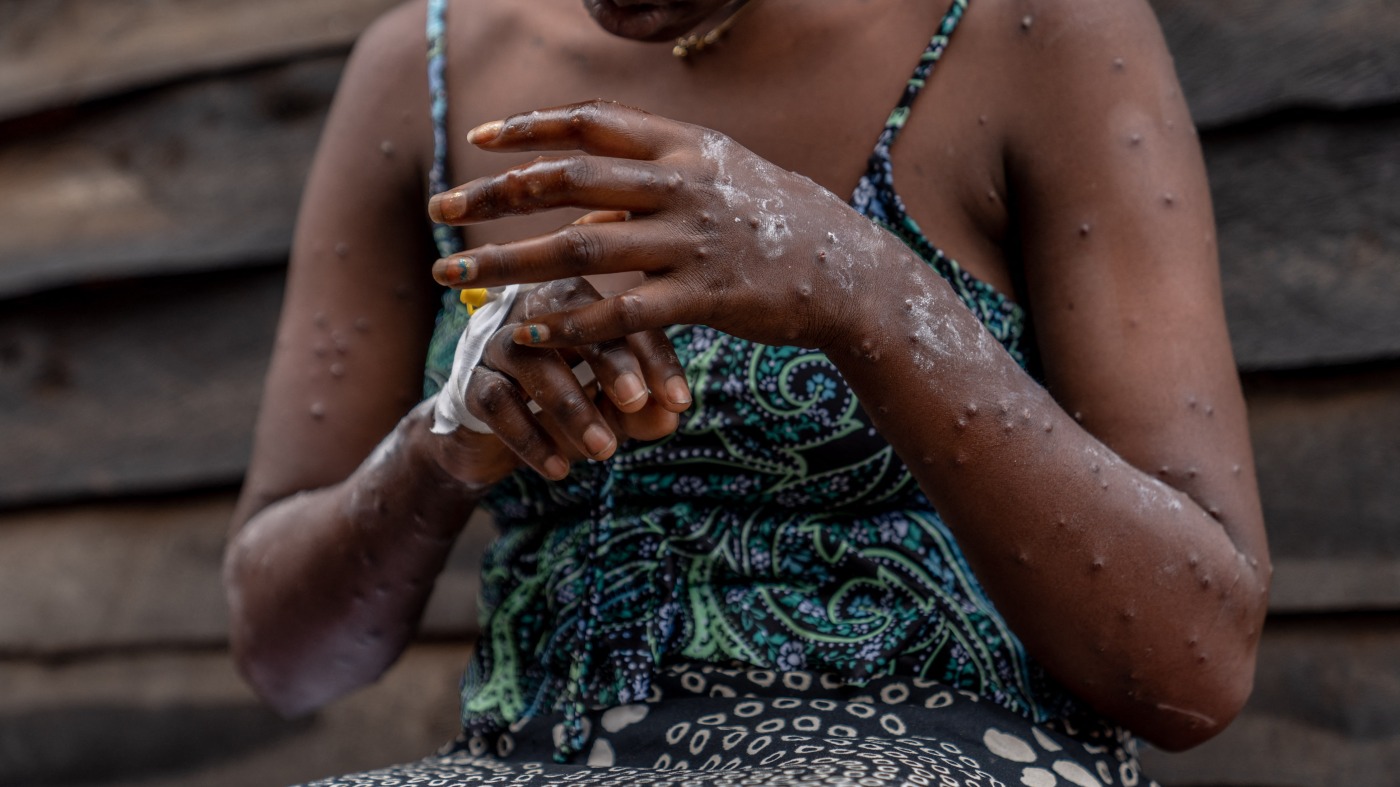
Despite a decline in cases, mpox remains a significant threat, especially in Africa where outbreaks are expanding and response efforts are hampered by political, economic, and logistical challenges, including vaccine shortages and limited surveillance. The global response has been criticized for being insufficient, and experts warn that neglecting such diseases can lead to future risks for other regions, including the U.S.
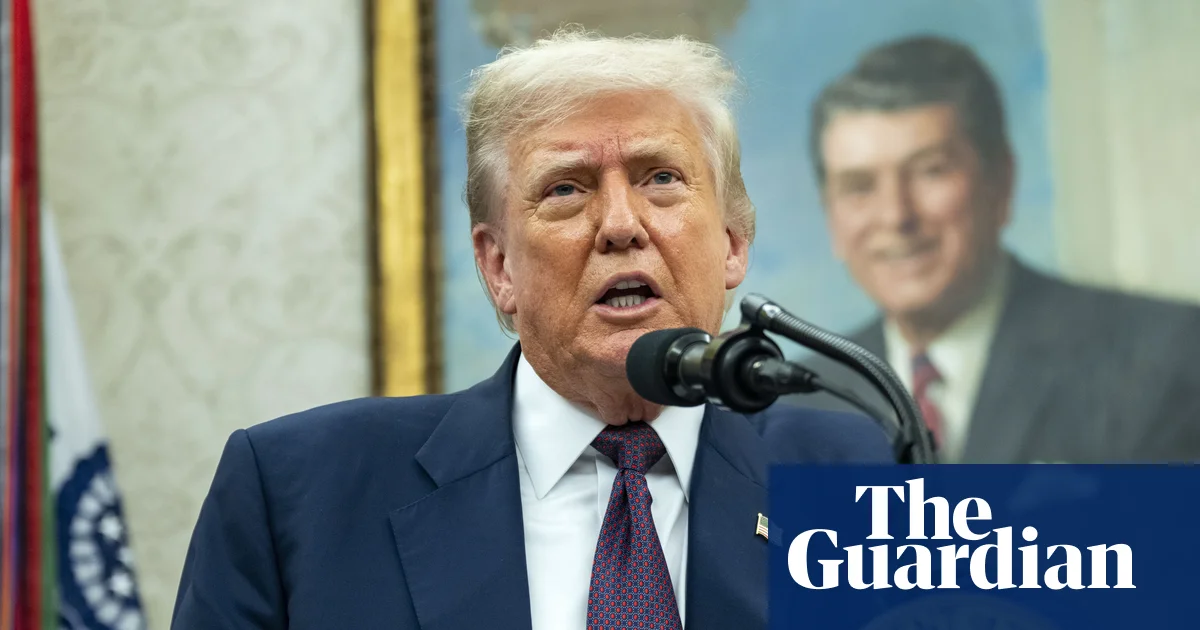
Over 60 countries are responding to US tariffs announced by Donald Trump, which have disrupted global trade with rates up to 41%, prompting governments to seek negotiations, implement contingency plans, and face economic challenges across various sectors.
President Trump announced a new travel ban affecting 12 countries and partially restricting travelers from seven others, prompting varied reactions from reporters across Asia, Latin America, and Africa about its impact on targeted nations.
Astronomer Krisztián Sárneczky detected asteroid 2024 BX1 on a collision course with Earth, leading to a coordinated global response and successful observation of its impact near Berlin. This event highlights the progress in space monitoring technology and the value of international collaboration. The asteroid, roughly one meter in size, posed no significant danger, and its impact was witnessed by many in central Europe. This marks the eighth asteroid detected before impact, showcasing humankind's improving ability to track smaller space objects. The hunt is now on for potential meteorites that survived the fiery journey through the atmosphere and made it to the ground.
The ongoing surge of the JN.1 variant of COVID-19 is leading to a winter of death across the Northern Hemisphere, overwhelming hospitals in the US, Canada, and Europe. The variant appears to be more virulent and pathogenic, causing higher hospitalizations and deaths. The toll on human life is enormous, with an estimated one-third of the American population expected to contract COVID-19 during this wave. Additionally, the virus's long-term effects, known as Long COVID, are causing significant suffering, with recent studies showing potential brain damage and impacts on various bodily functions. The article criticizes the dismantling of COVID-19 testing and data reporting systems and calls for a global public health program to eliminate and eradicate the virus, emphasizing the need for political and social mobilization to address the underlying social order.
Antisemitic incidents have surged globally since the attack by Hamas gunmen on southern Israel and the subsequent war on the Islamist group launched by Israel in the Gaza Strip. The number of antisemitic incidents has gone up by several hundred percent compared to the same period last year in countries such as the United States, Britain, France, Germany, and South Africa. The incidents range from verbal abuse and online slurs to physical assaults and defacing of Jewish properties. The plight of Gaza is invoked as justification for aggression towards Jews, with anger over the deaths of Palestinians being used as a pretext. Jewish communities worldwide are experiencing a climate of fear, with concerns about random attacks and the curtailment of religious freedom. Official responses to the surge in antisemitism vary, with some countries reinforcing security and denouncing antisemitism, while others have not taken significant action.
The Centers for Disease Control and Prevention (CDC) in the United States has recommended that all Americans aged 6 months and older receive a booster shot of the latest COVID-19 vaccine, in an effort to protect against severe illness, hospitalization, and death caused by the virus. This recommendation comes as cases of COVID-19 are rising again in the country. Many other countries, including Canada, the UK, France, and Germany, are also recommending booster shots for specific high-risk groups. The CDC's decision has received criticism, but experts argue that it is justified given the ongoing threat of new variants and the potential for surges in virus circulation.
Representatives from 180 nations have agreed on the first steps towards a legally binding treaty to regulate plastic, which could come into force in 2025. The treaty aims to address the environmental and health harms caused by plastic across its entire lifecycle, including microplastic pollution, hazardous chemicals, and waste management. Many countries called for action to curb plastic production as well as pollution. The next round of talks is scheduled for Kenya later this year, with the final agreement planned for late 2024.
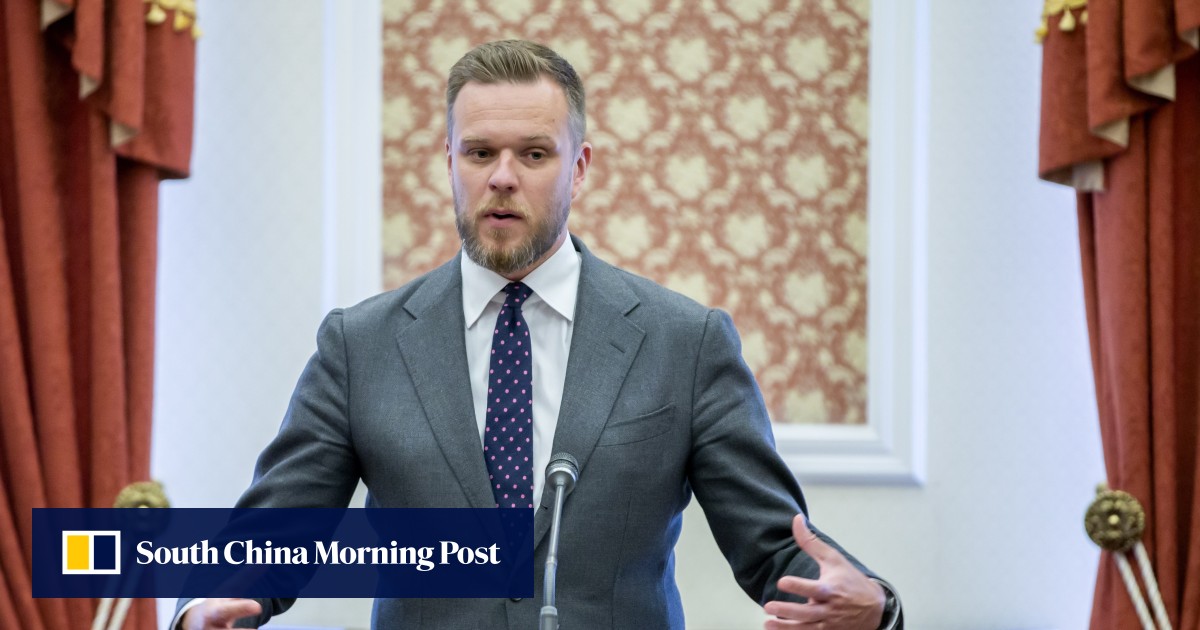
Lithuanian Foreign Minister Gabrielius Landsbergis has called for a united global response to China's economic coercion, citing his country's own diplomatic spat with the Asian giant over a Taiwan office. The G7 leaders' communique from Hiroshima is expected to highlight the importance of countering coercion without necessarily identifying China by name. Landsbergis believes that Beijing's pressure tactics are likely to continue and that a global response is necessary to repel them.