
global-affairs1.55 min read
"India's Declining Ranking in Global Corruption Index Raises Concerns"
2 years ago•Source: IndiaTimes

The latest global affairs stories, summarized by AI

The Doomsday Clock has been set at 90 seconds to midnight, the closest it has ever been to symbolic apocalypse, due to ongoing nuclear threats, the rise of artificial intelligence, and the escalating climate crisis. The Bulletin of the Atomic Scientists highlighted concerns about AI's potential to magnify disinformation and its military uses, as well as the deterioration of nuclear arms reduction agreements and ongoing conflicts in Ukraine and the Middle East. Urgent action from global leaders is emphasized to prevent a catastrophic outcome, with the hope that younger generations will lead the charge in reducing the likelihood of global catastrophe.

The Guardian•2 years ago

The U.S. envoy for combating antisemitism, Ambassador Deborah Lipstadt, has expressed alarm over the significant rise in anti-Jewish incidents globally since the Hamas attack on Israel. Instances of antisemitism, including physical attacks and vandalism, have been reported in countries such as Russia, France, and the Netherlands. The Biden administration is urging communities worldwide to protect their Jewish citizens while working to address the fallout from the conflict. Lipstadt, a renowned scholar of antisemitism, is focusing her efforts on Europe, where large Jewish communities reside. She hopes to draw attention to the issue and encourage governments to safeguard their Jewish populations. The attacks on Jews since the Hamas attack are described as both quantitatively and qualitatively different, with France reporting over 800 antisemitic attacks since the incident. Lipstadt emphasizes the seriousness of antisemitism as a threat to democracy and governmental stability.

Antisemitic incidents have surged globally since the attack by Hamas gunmen on southern Israel and the subsequent war on the Islamist group launched by Israel in the Gaza Strip. The number of antisemitic incidents has gone up by several hundred percent compared to the same period last year in countries such as the United States, Britain, France, Germany, and South Africa. The incidents range from verbal abuse and online slurs to physical assaults and defacing of Jewish properties. The plight of Gaza is invoked as justification for aggression towards Jews, with anger over the deaths of Palestinians being used as a pretext. Jewish communities worldwide are experiencing a climate of fear, with concerns about random attacks and the curtailment of religious freedom. Official responses to the surge in antisemitism vary, with some countries reinforcing security and denouncing antisemitism, while others have not taken significant action.
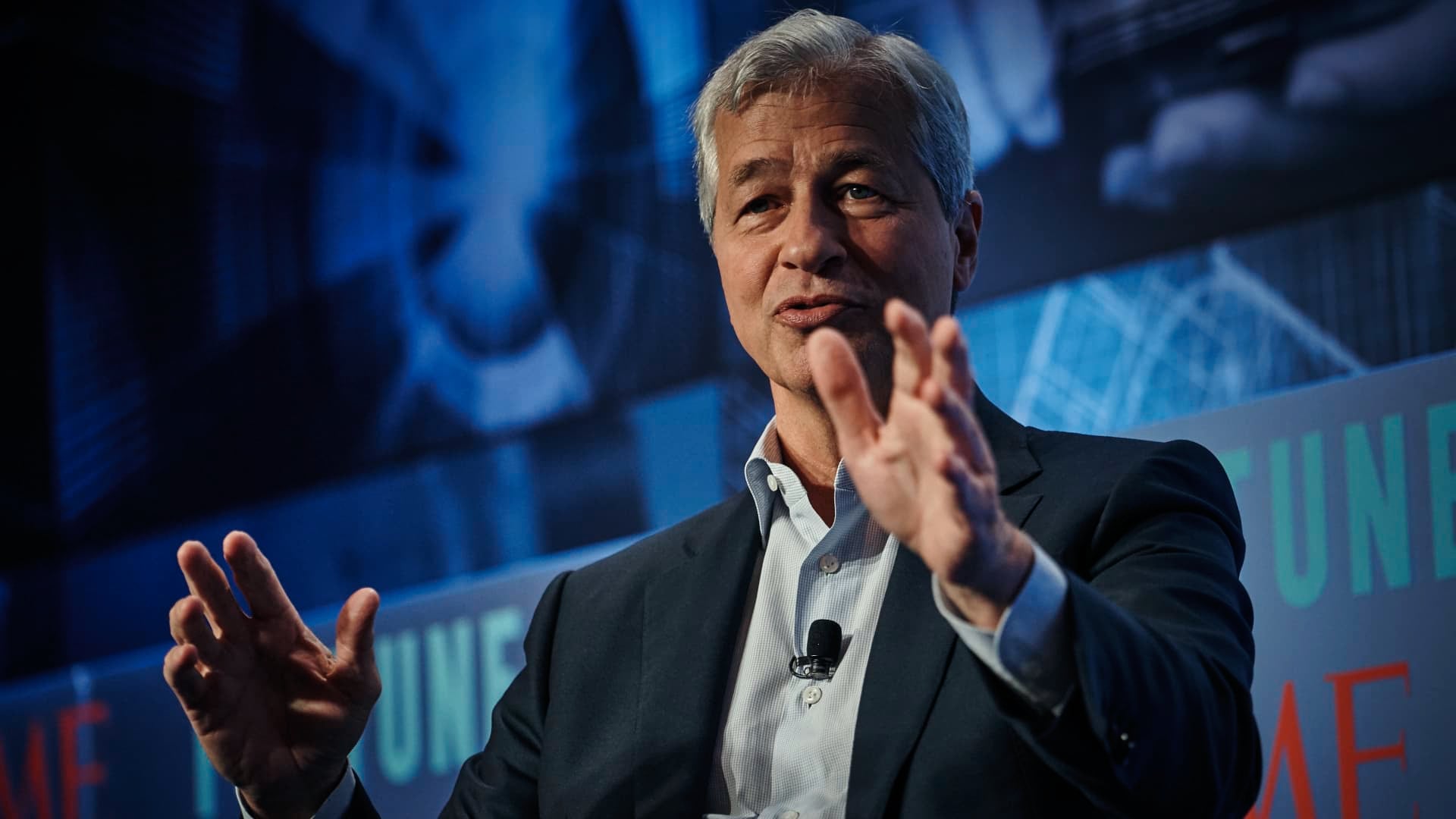
JPMorgan Chase CEO Jamie Dimon has identified nuclear proliferation as the most serious threat facing mankind, surpassing concerns about climate change. Dimon emphasized the gravity of the spread of nuclear weapons, citing the risks posed by wars involving nuclear powers like Russia and the weakening adherence to international nuclear treaties. International bodies and proliferation experts have warned that the danger of nuclear weapons use is currently higher than at any time since the Cold War. Dimon's remarks come as Russia revokes its ratification of the Comprehensive Nuclear-Test-Ban Treaty, and tensions rise in the Middle East with Iran's uranium enrichment and Saudi Arabia's vow to develop nuclear weapons if Iran does.

China is experiencing a brain drain as its brightest minds, including tech professionals, are emigrating to escape political oppression, bleak economic prospects, and grueling work cultures. However, many of them are not heading to the United States, despite its reputation as a destination for talented individuals. The reasons for this include the complicated and unpredictable process of applying for visas and permanent residence status in the US, as well as the better social benefits, work-life balance, and gun control laws offered by other countries such as Canada and European nations. The emigrants are willing to take pay cuts and make sacrifices for the opportunity to live in countries where they can enjoy freedom, equality, and a better quality of life.
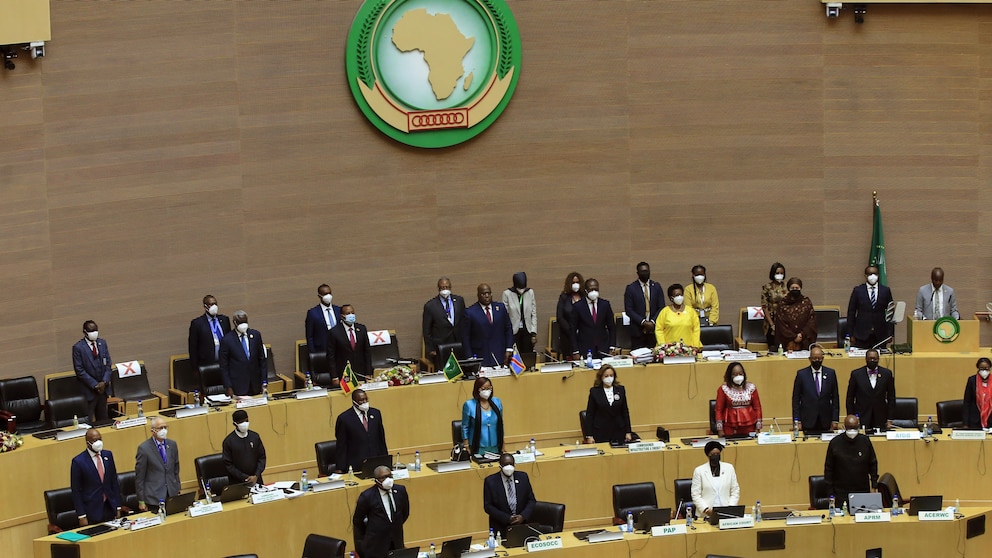
The African Union (AU) has been granted permanent membership in the G20, signaling the rise of a continent that is home to over 1 billion people and seeking a more influential role on the global stage. With full G20 membership, the AU can represent Africa, which has the world's largest free trade area and abundant renewable energy assets and minerals crucial for combating climate change. African leaders aim to benefit their economies by promoting industrial development closer to home and fairer treatment by financial institutions. The AU's membership in the G20 reflects Africa's growing importance in discussions on climate change, food security, migration, and other global issues, and highlights the need for the continent to speak with one voice to influence decision-making.

Indian Prime Minister Narendra Modi invited the African Union (AU) to become a permanent member of the G20, aiming to unite Africa and give the Global South a stronger voice in global affairs. The inclusion of the AU was widely expected and is part of Modi's efforts to make India the voice of the Global South. The G20 summit will discuss various issues, including the war in Ukraine, climate change, pandemic preparedness, and global supply chains. The first session focused on environmental issues, with developing countries asking rich nations to share the burden of emission-cut targets and provide support to fight climate change.
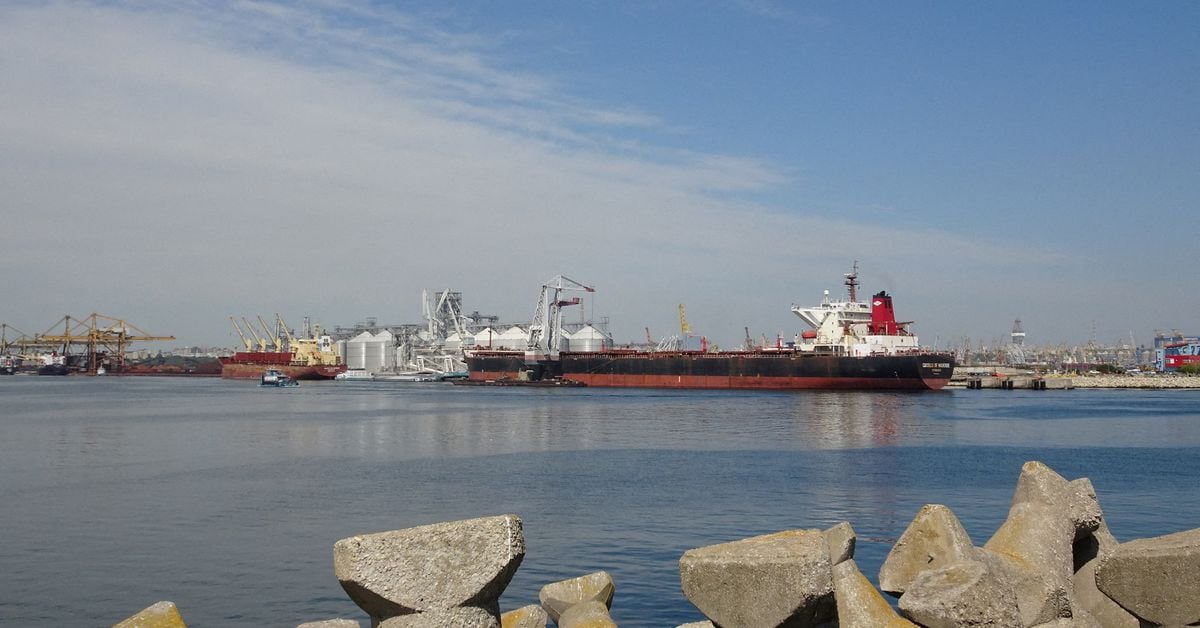
The United Nations warns that the spike in grain prices following Russia's withdrawal from a Black Sea grain deal could potentially lead to hunger and death for millions of people. The UN's aid chief states that 362 million people in 69 countries are in need of humanitarian assistance. Russia left the deal due to unmet demands and insufficient Ukrainian grain reaching the poorest countries. US wheat futures rose over 6% this week, but there are hopes that Russia may resume talks on the deal. The UN argues that the Black Sea deal has helped lower food prices globally, but Russia claims that the impact of the deal is not significant. Russia is currently negotiating food exports to countries in need but has not signed any contracts yet. The UN expresses concern over the attacks on Ukrainian food export facilities and warns of potential impacts on global food security. Turkey's President hopes to restore the Black Sea grain deal through talks with Russia, while the US Ambassador to the UN accuses Russia of using the Black Sea as blackmail. Russia states that it is open to returning to the deal if its demands are met, including the reconnection of its Agricultural Bank to the SWIFT international payments system. The EU remains open to exploring solutions to resume the grain deal.
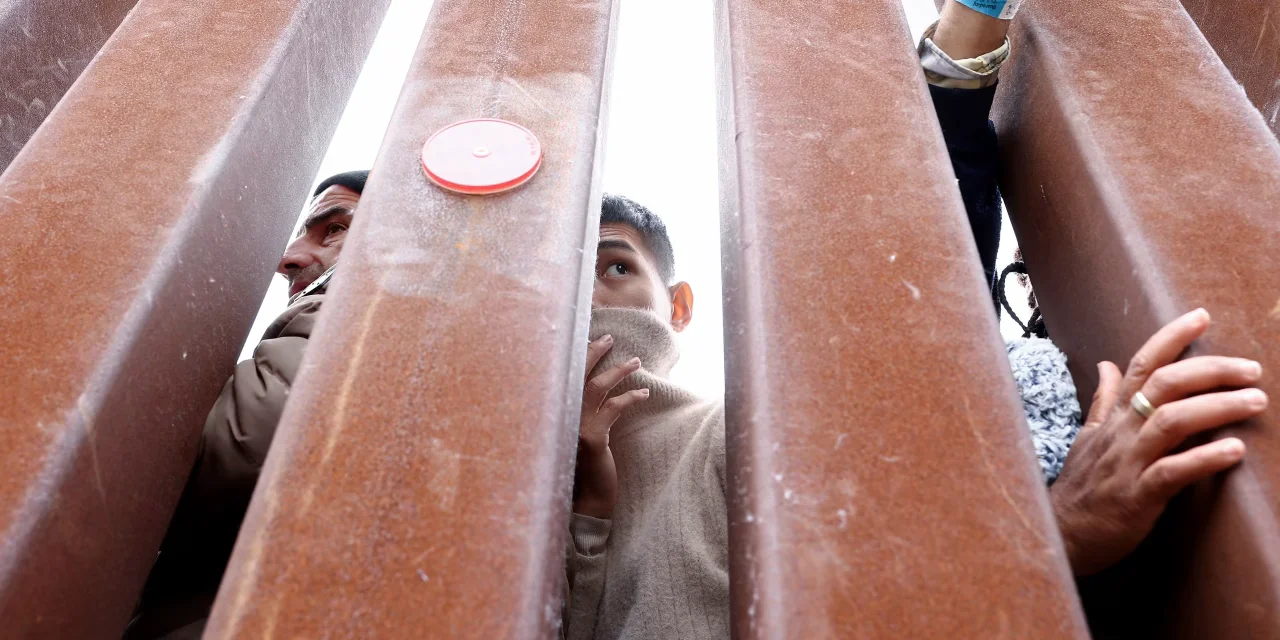
Immigration backlashes are spreading worldwide, as countries grapple with the challenges and complexities of immigration. Public opinion on immigration has become increasingly polarized, with some countries implementing stricter border controls and anti-immigration policies. The issue of immigration continues to be a contentious topic, with governments and societies struggling to find a balance between national security and humanitarian concerns.
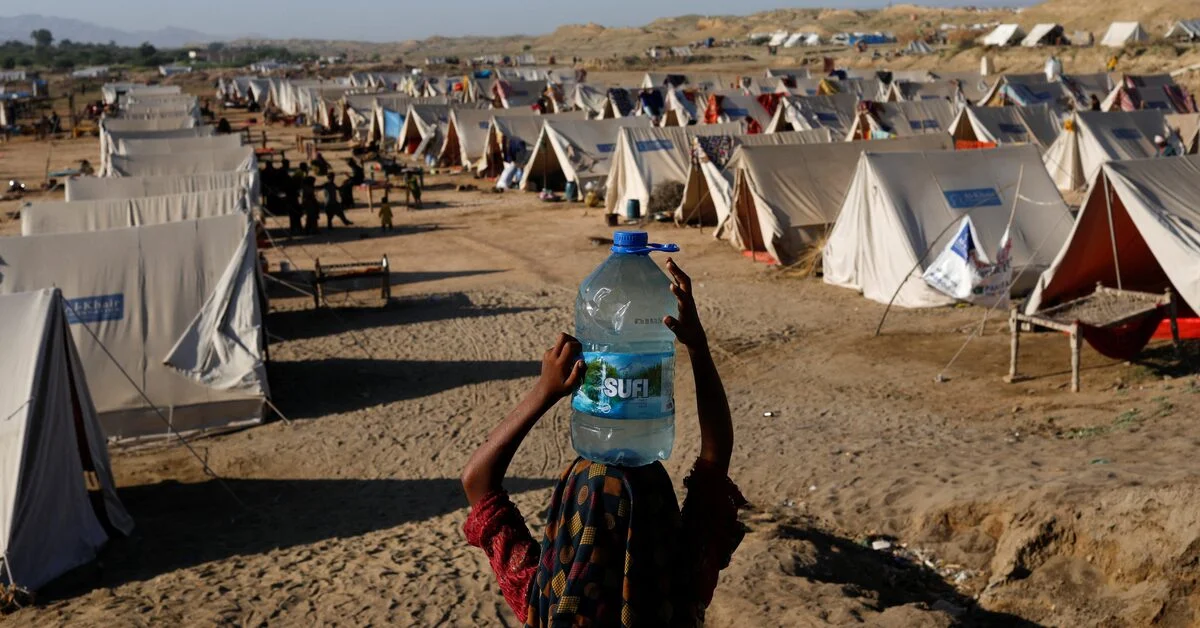
The number of internally displaced people (IDPs) reached a record 71.1 million worldwide last year due to conflicts and climate calamities, according to the Internal Displacement Monitoring Centre. Nearly three-quarters of the world's displaced people live in 10 countries, including Syria, Afghanistan, Democratic Republic of the Congo (DRC), Ukraine and Sudan. The war in Ukraine triggered nearly 17 million displacements last year. The bulk of displacements last year - 32.6 million - was due to disasters including floods, droughts and landslides.
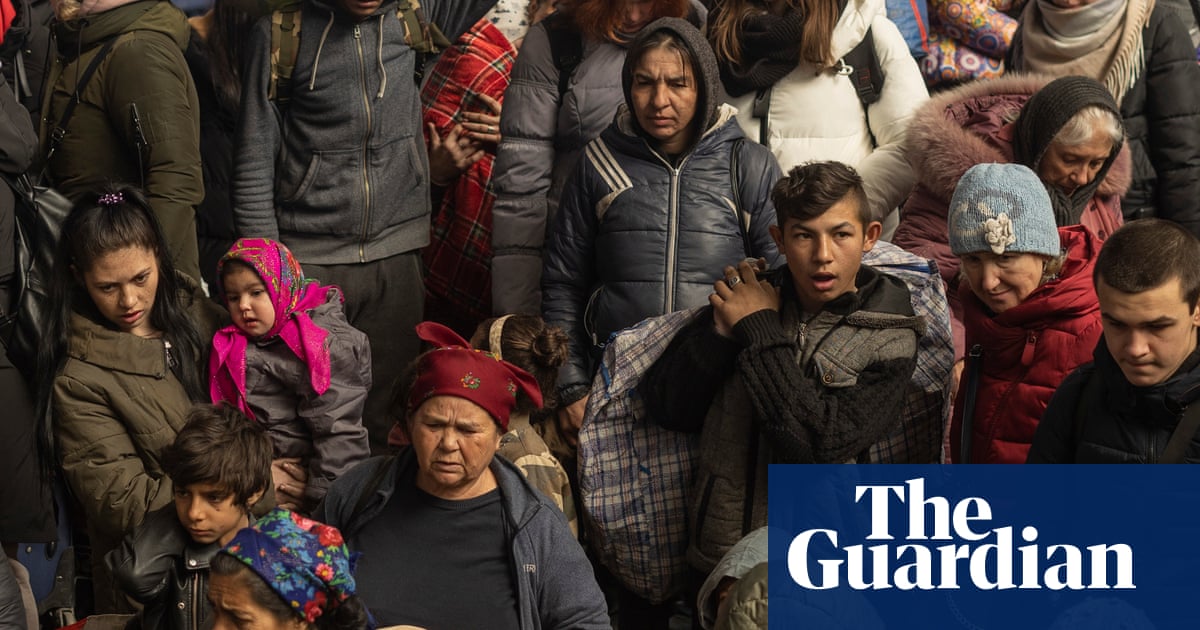
The number of internally displaced people (IDPs) around the world rose by a fifth last year, reaching 71 million, due to a combination of conflict and climate disasters. The war in Ukraine and flooding in Pakistan were leading drivers of displacement, with 17 million movements triggered by the former and over 8 million by the latter. The report warns that the figures should be considered conservative due to difficulties in obtaining reliable data from areas occupied by military forces. The majority of IDPs live in just 10 countries, all of which are experiencing some level of conflict.