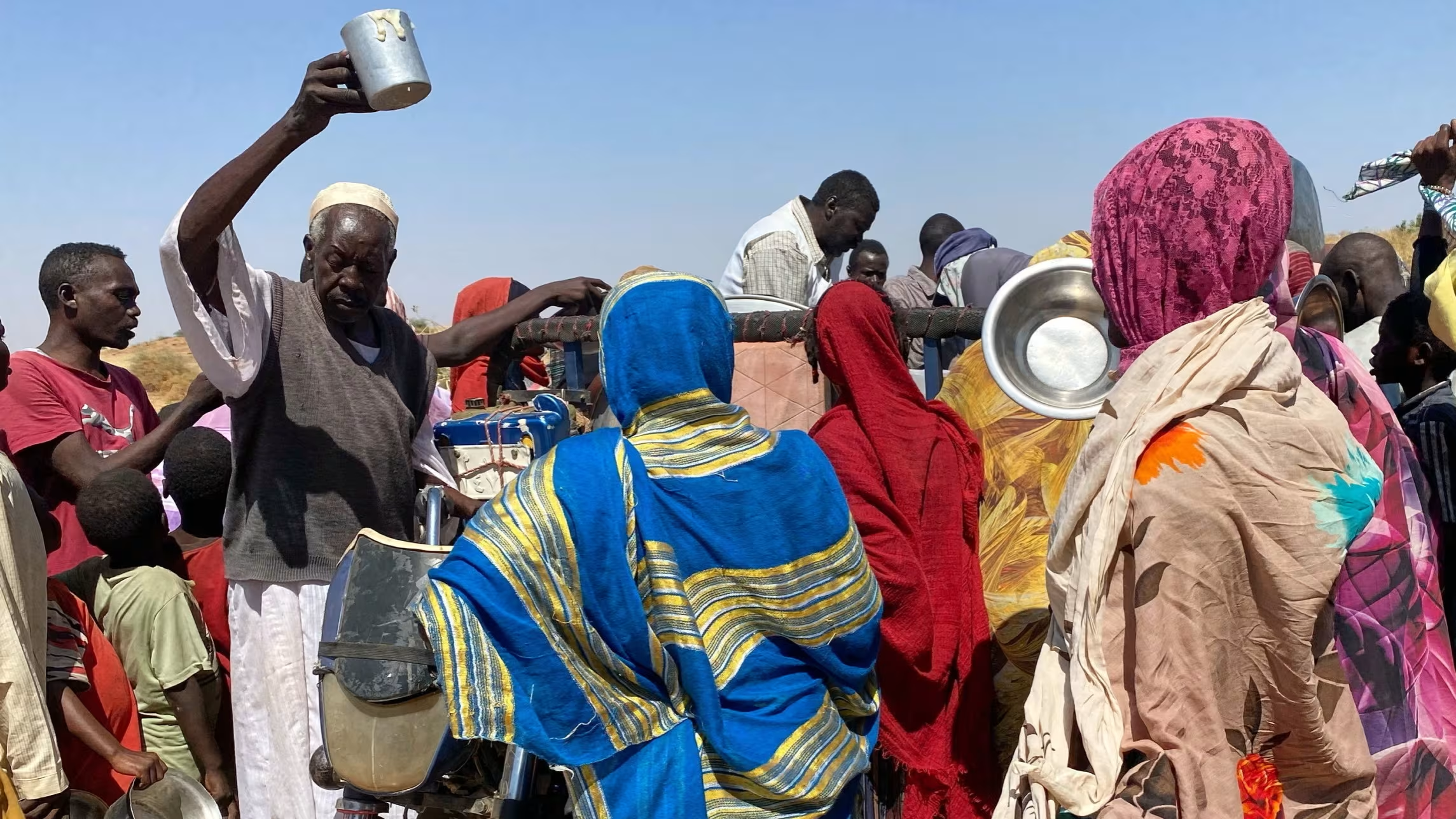
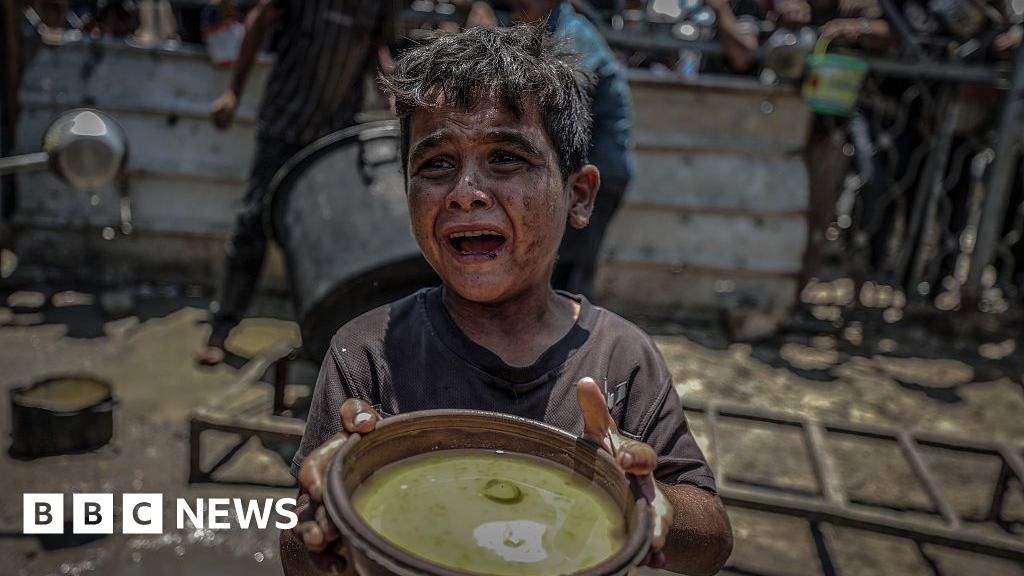
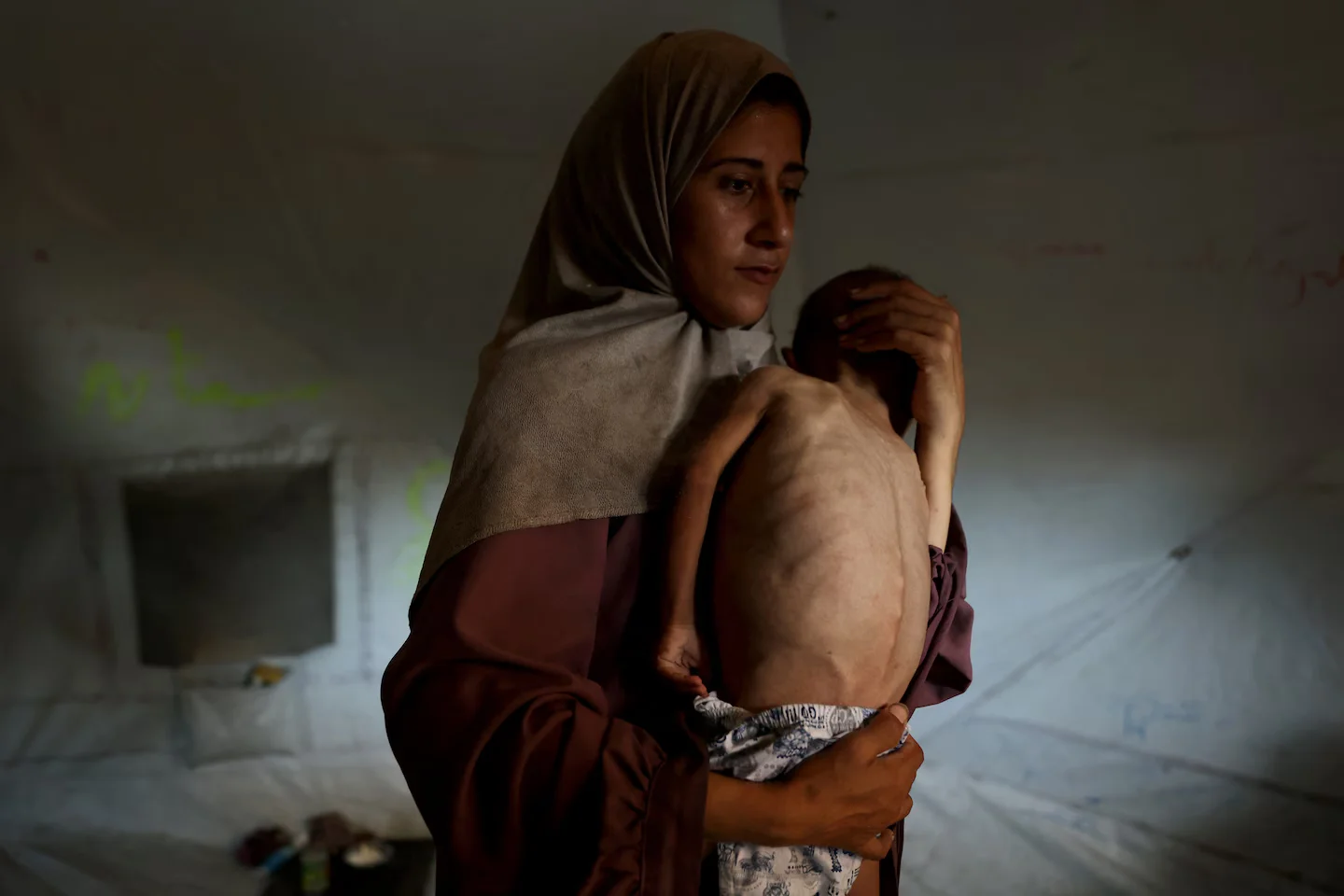
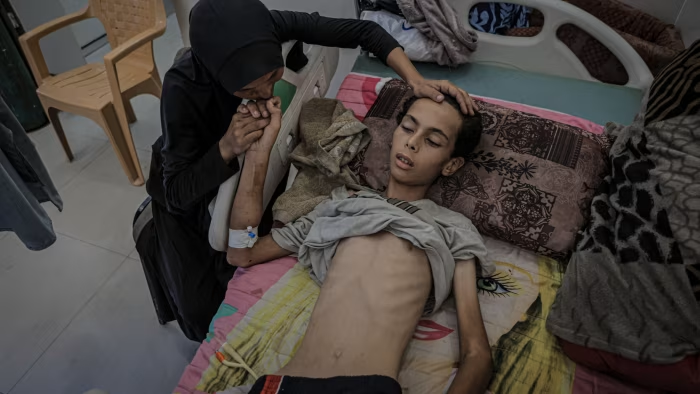
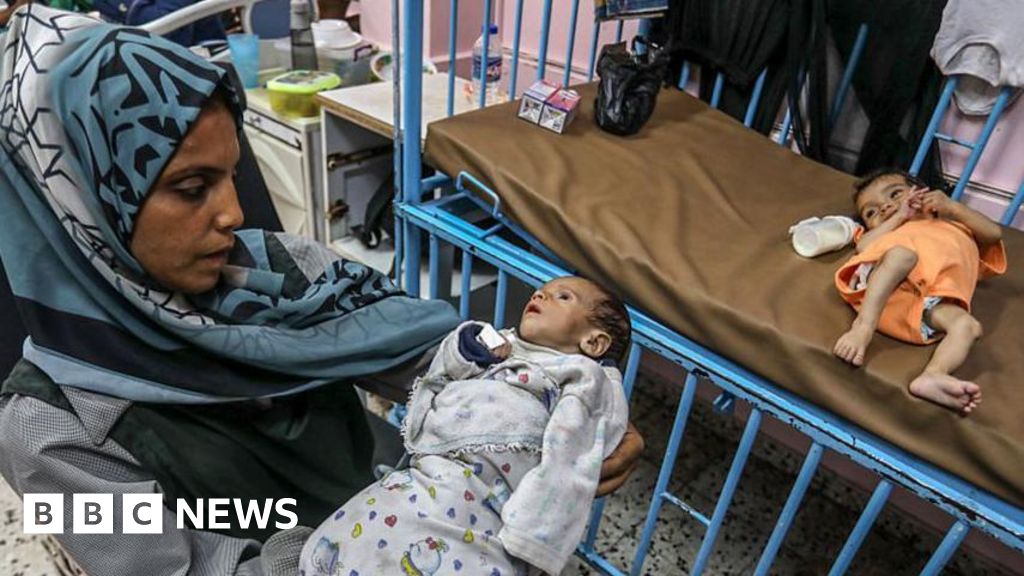
In 2025, Sudan has experienced a rare declaration of famine due to severe food, water, and medicine shortages, following similar crises in Gaza, Somalia, and South Sudan. The famine classification relies on a strict, internationally-agreed system called IPC, which assesses hunger on a five-phase scale, with famine being the most severe. Despite the challenges in data collection, especially in conflict zones, the system aims to alert the global community early enough to mobilize aid and prevent widespread mortality. The declaration process involves multiple agencies and high-level approvals, emphasizing the urgency of addressing these crises before they escalate further.
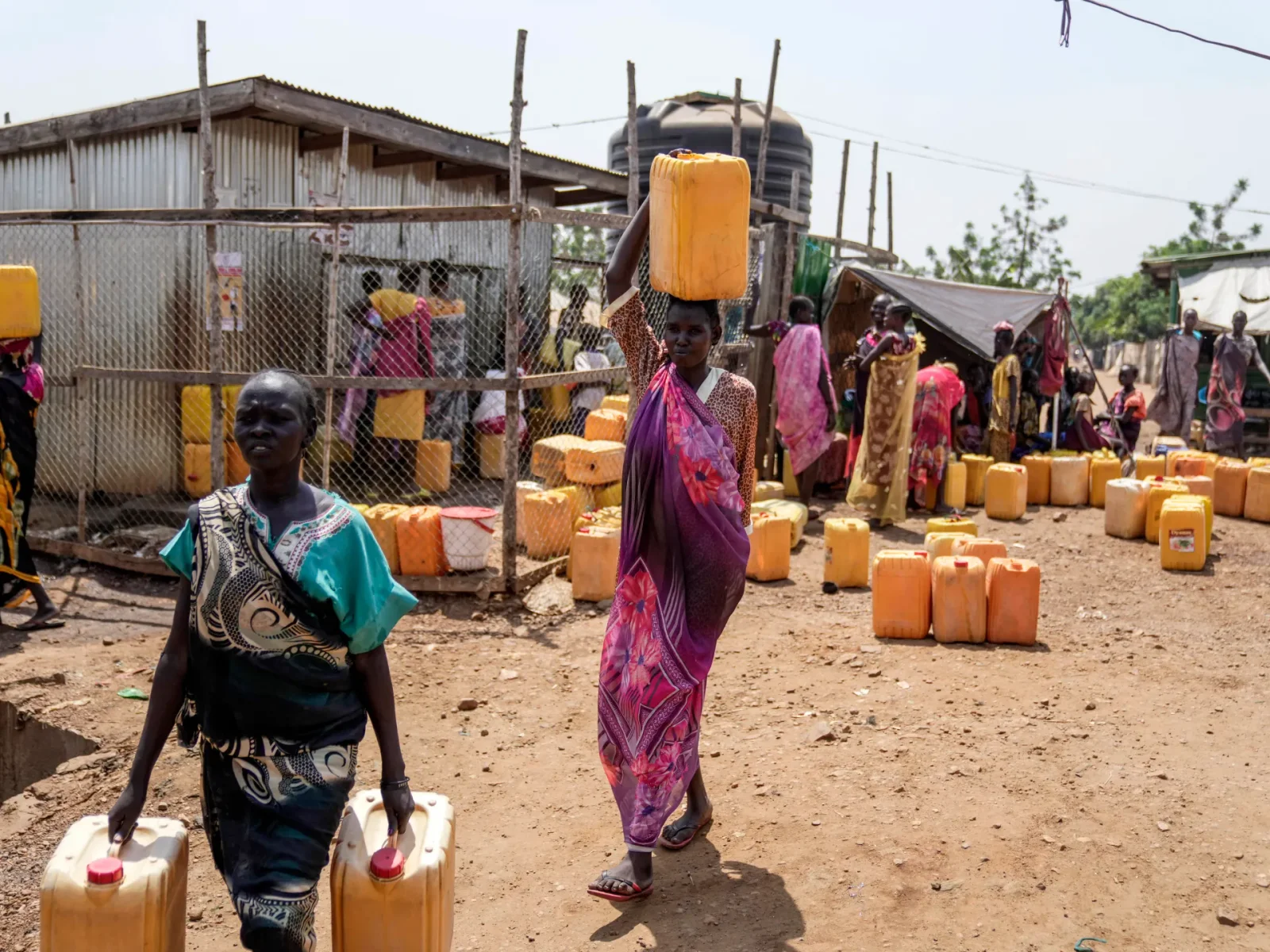
The hunger crisis in South Sudan is worsening due to ongoing conflict, floods, and limited aid access, with over 7.55 million people projected to face malnutrition by mid-2026, amid political instability and violence.
The famine in Sudan is worsening, spreading to besieged cities, as a hunger crisis intensifies, prompting warnings from hunger monitors about the escalating humanitarian emergency.
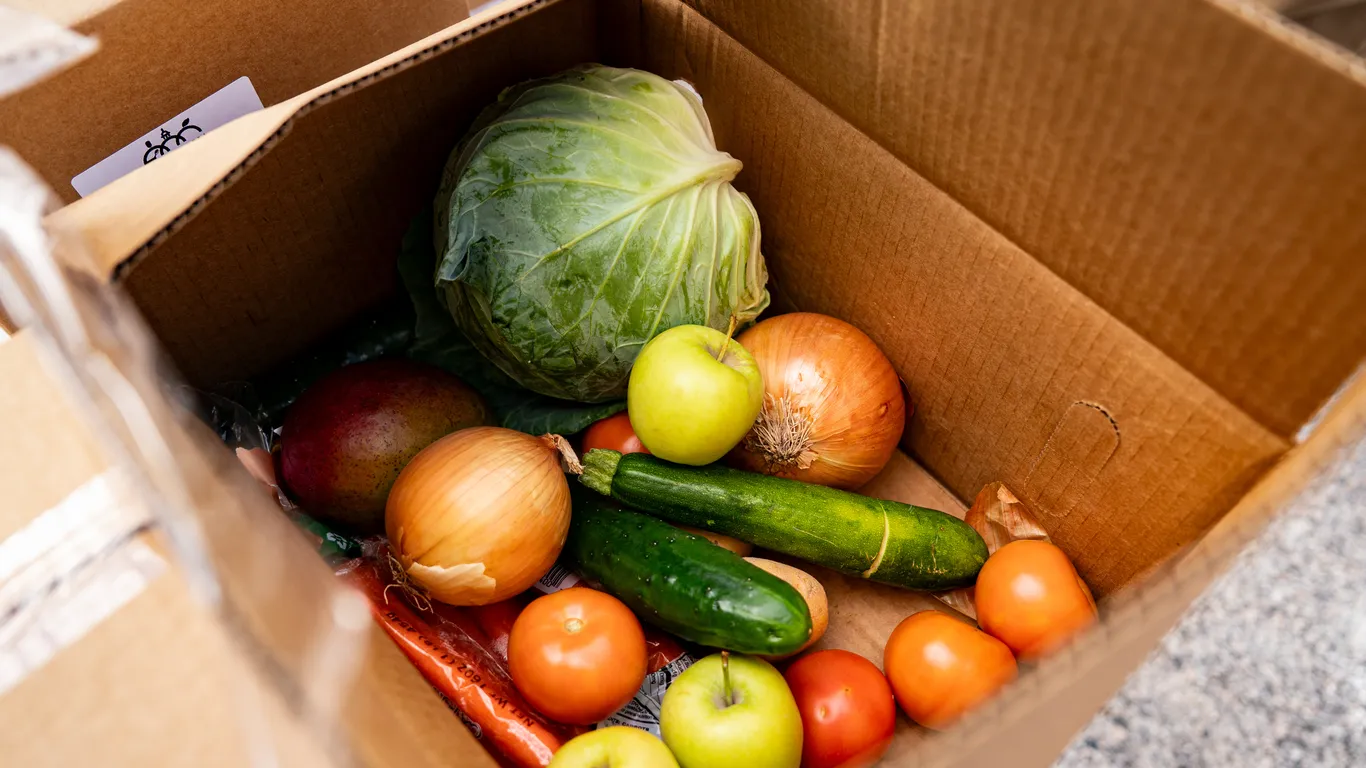
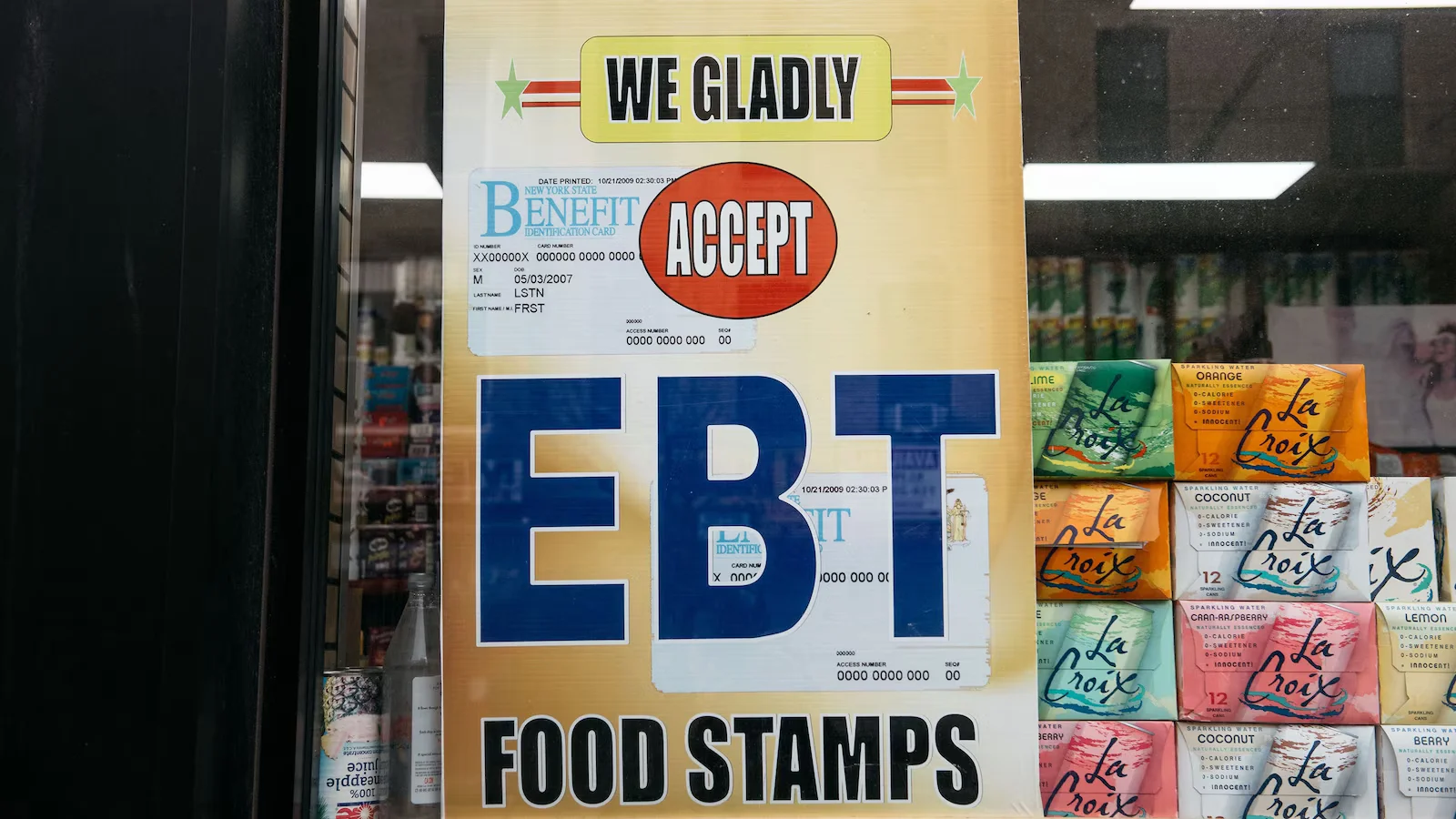
Amid the US government shutdown and the impending lapse of Snap benefits, food banks across the country are rushing to stock supplies and prepare for increased demand, as millions of Americans, including federal workers and vulnerable families, face heightened food insecurity. Despite legal efforts to continue benefits, the shutdown threatens to cut off crucial support, prompting states and cities to allocate emergency funds and food banks to increase inventories.
Food banks are bracing for a surge in demand as the federal government shutdown threatens to cut off SNAP benefits for 42 million Americans, exacerbating an already strained food assistance system amid rising costs and federal benefit cuts.
About 42 million Americans face losing SNAP benefits due to a government shutdown, risking a significant hunger crisis with limited emergency support, impacting vulnerable families and relying heavily on charitable organizations to fill the gap.
Nearly 42 million Americans could face severe food insecurity if SNAP funding is cut off due to the ongoing government shutdown, which critics warn could lead to the greatest hunger crisis since the Great Depression, with debates over funding and political blame complicating efforts to prevent this crisis.
A UN-backed panel has declared famine in northern Gaza due to severe food shortages, with over half a million people on the brink of starvation, highlighting the complex process of famine declaration and the urgent need for ceasefire and aid access to prevent further catastrophe.
A UN-backed report confirms a man-made famine in Gaza, with over half a million people facing starvation and destitution due to severe aid restrictions and ongoing conflict, leading to widespread malnutrition and suffering among residents, including children and vulnerable populations.
A week after increased aid access, Gaza faces severe food shortages, with aid trucks being looted or shot at, and mounting evidence of famine, as many rely on limited aid while facing deadly risks to obtain food amidst ongoing conflict.
A severe famine is unfolding in Gaza due to ongoing conflict and blockades, with the world's leading hunger monitor warning that the situation has worsened dramatically, reaching famine thresholds in most of the region, despite some aid efforts and Israeli policy shifts. International agencies emphasize the urgent need for unimpeded humanitarian access to prevent mass starvation and death, as malnutrition and starvation-related deaths continue to rise.
Gaza is facing a severe hunger crisis with mass starvation due to Israeli restrictions on aid, economic collapse, and ongoing conflict, leaving many residents, including middle-class families, unable to access basic food supplies and suffering from malnutrition and death.
Gaza's hunger crisis has reached alarming levels with a third of its population experiencing severe food insecurity, but it has not yet been officially declared a famine due to strict international criteria and monitoring challenges. The famine classification involves a five-phase system, with Gaza currently in phase four, indicating an emergency, and some areas close to famine conditions. Official declaration requires review and approval by high-level authorities, and such a label could mobilize increased aid and political action. The situation remains critical, and timely intervention is essential to prevent further loss of life.
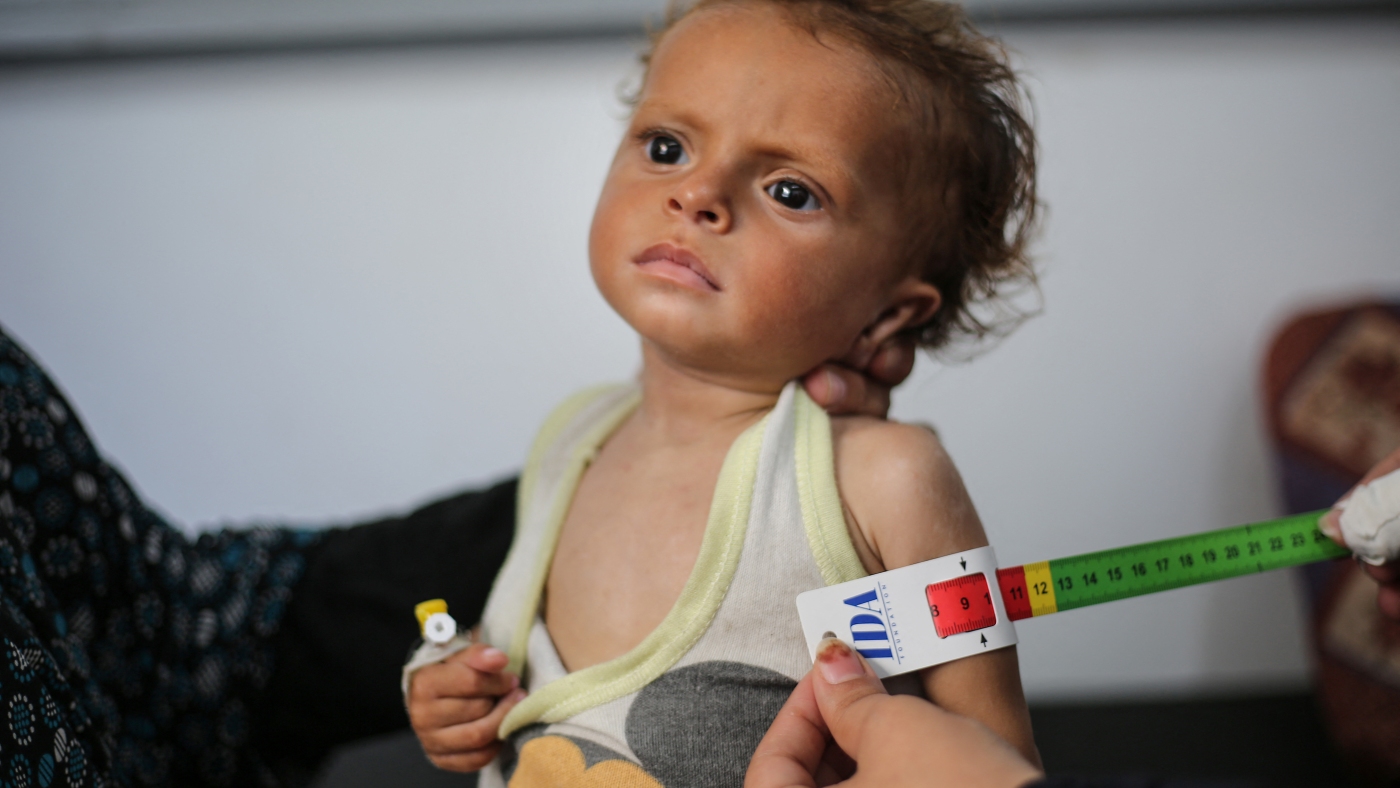
Doctors and aid workers in Gaza report a worsening hunger crisis with widespread malnutrition, especially among children, leading to deaths and severe health emergencies amid ongoing conflict and limited aid access.
One in five children in Gaza is malnourished amid a severe hunger crisis worsened by limited aid and ongoing conflict, with the UN and aid organizations warning of mass starvation and calling for unrestricted humanitarian assistance.