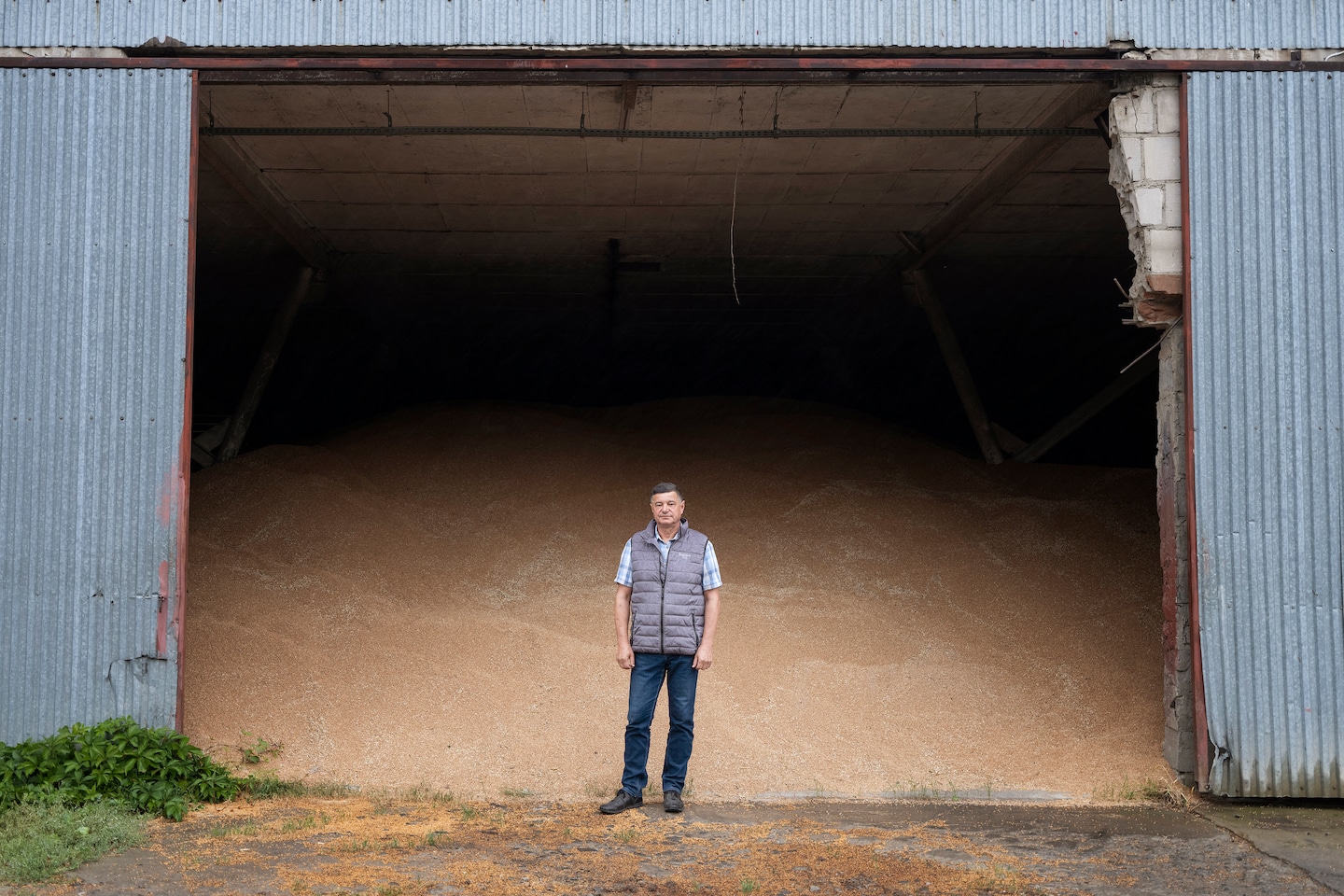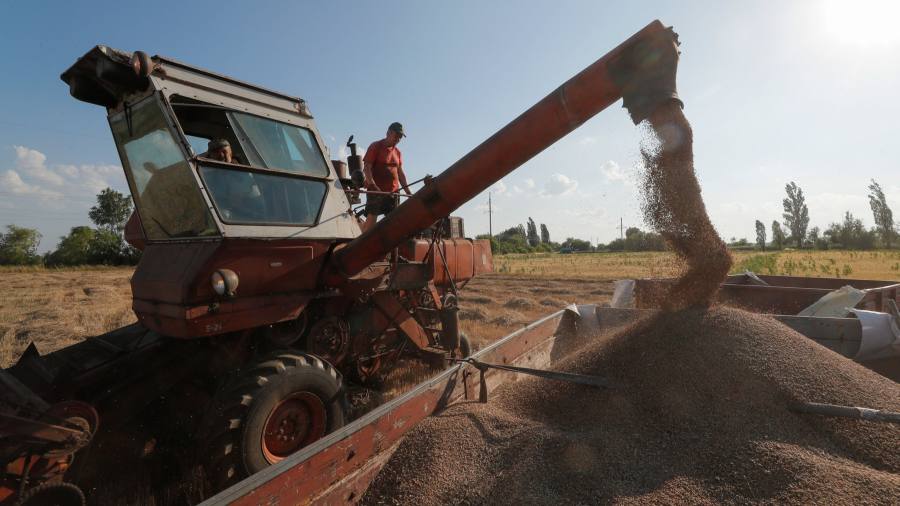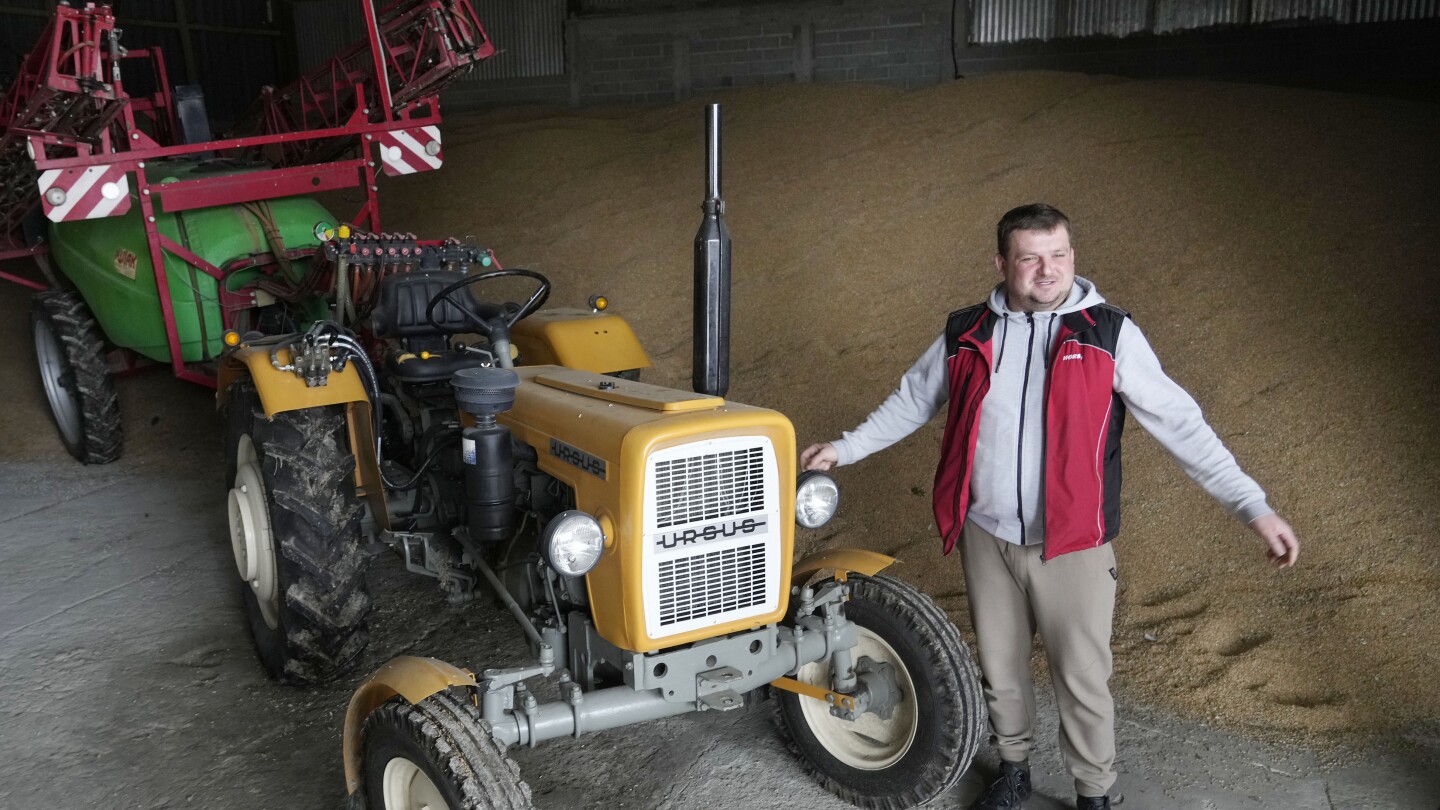
Polish farmer Piotr Korycki faces an uncertain future as he struggles to sell hundreds of tons of unsold grain due to the impact of Russia's war against Ukraine, which disrupted Ukrainian exports and led to a price collapse for grain in Poland. The EU's temporary suspension of import duties and quotas with Ukraine has not alleviated the situation, and farmers are organizing protests to seek relief. The surplus of grain in storage across Europe, combined with EU's Green Deal policies, has exacerbated the challenges for farmers, leading to growing frustration and radical protests. Korycki hopes for stability and support from the European Parliament elections, while also expressing concerns about the long-term impact on his family's farming business.
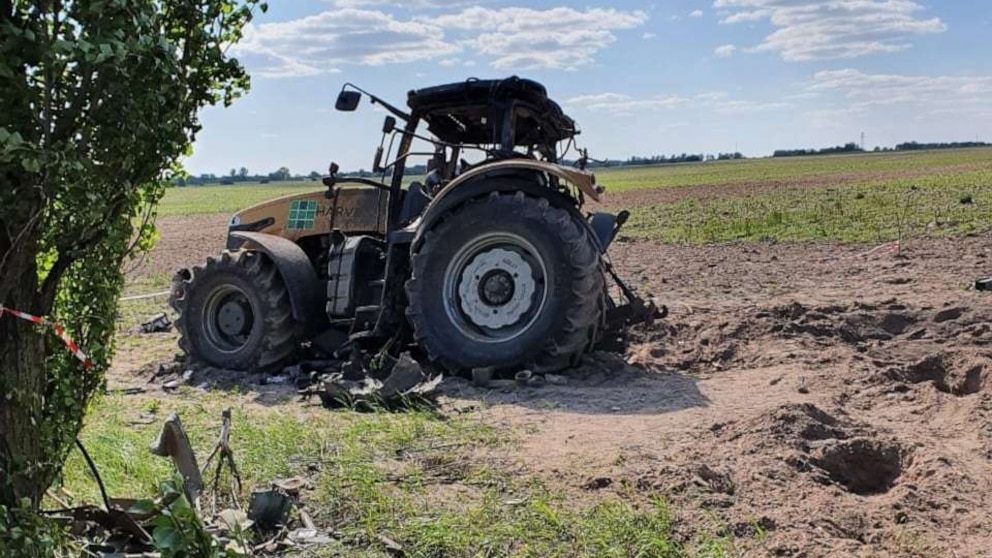
The war between Ukraine and Russia has severely impacted Ukraine's agriculture industry, leading to the smallest crop production in over a decade. Farmers are still dealing with the aftermath of the war, including bombed-out silos and explosive mines in their fields. The cost of moving grain out of the country has skyrocketed, making it economically unviable to grow certain crops. Russian attacks on grain infrastructure at river ports have further disrupted exports, creating uncertainty and driving up prices. Despite these challenges, Ukrainian farmers have managed to generate results, but the future of Ukrainian agriculture remains uncertain.
The battle for votes in Poland's upcoming election has put Ukraine's grain at the center stage. Polish farmers are struggling to sell their grain at profitable prices due to an influx of cheap Ukrainian grain, causing overflowing silos and warehouses. In response, Poland's ruling Law and Justice party is doling out subsidies and upholding an expired EU-backed embargo on Ukrainian wheat, corn, rapeseed, and sunflower seeds. This move threatens the alliance with Ukraine and has prompted Ukraine to file a complaint against Poland at the World Trade Organization. Retaining rural voters in the east is crucial for Law and Justice to win a third term, and the grain issue is a key concern for farmers. The dispute also highlights rising frictions with Ukraine and the potential damage to the relationship.
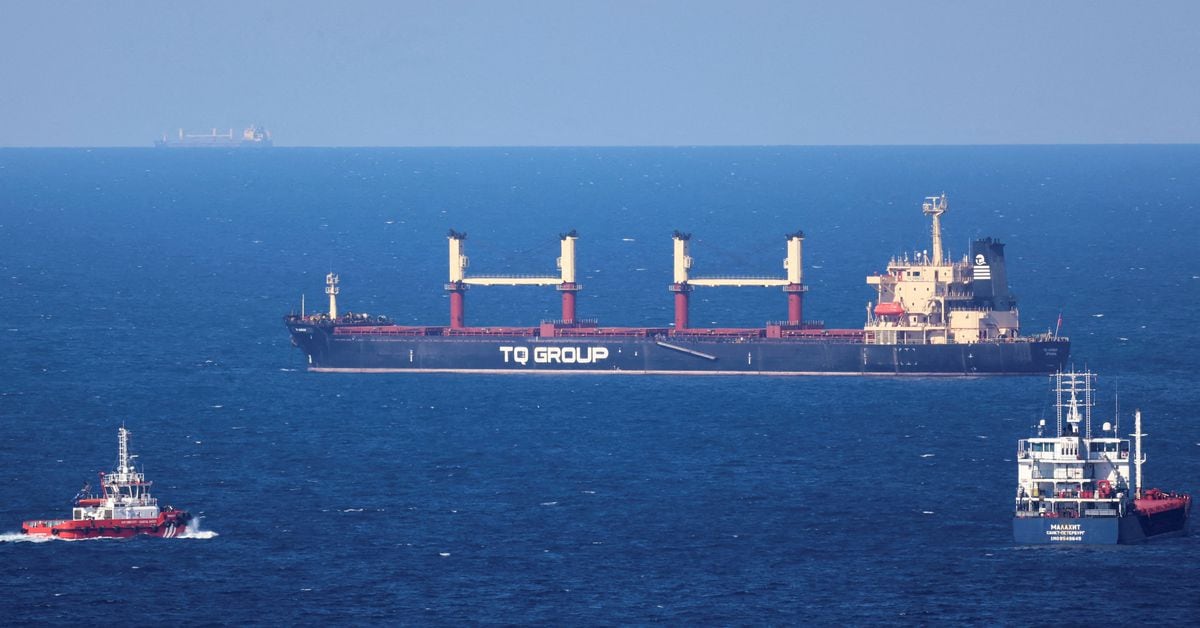
Two cargo vessels have arrived in Ukraine's Black Sea ports, marking the first use of a temporary corridor established to release ships trapped since the start of the war in February 2022. The vessels are set to load nearly 20,000 tonnes of wheat for export to Africa and Asia, specifically Egypt and Israel. This test of Ukraine's ability to reopen shipping lanes comes as Russia attempts to re-impose its de facto blockade and launches attacks on Ukrainian grain export infrastructure.
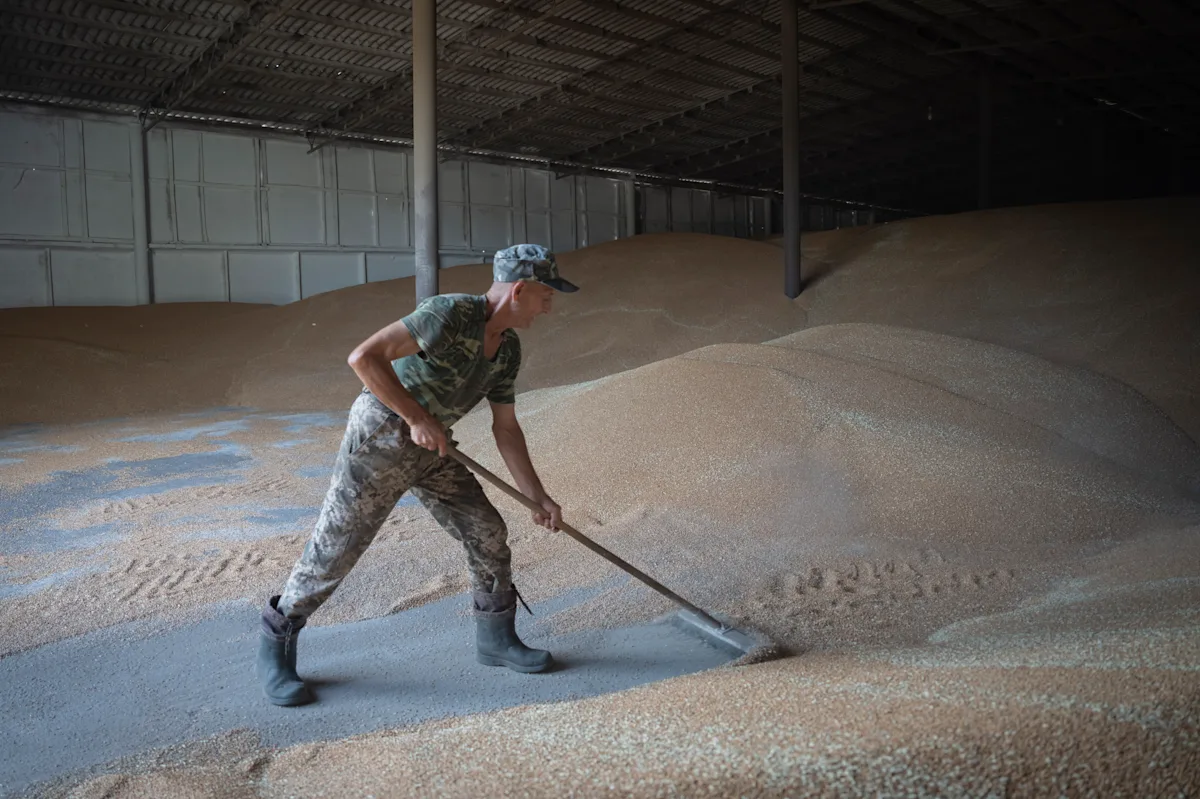
Ukrainian farmers, like Victor Tsvyk, are facing uncertainty as Russia's exit from a grain shipping deal and increased attacks on Ukrainian ports have made it difficult to sell their produce. With exorbitant logistics costs and blocked ports, shipping grain has become too expensive for many farmers. As a result, farmers are left wondering how they will stay in business and provide food to developing nations. Tsvyk's farm, which relies heavily on grain exports, is now considering alternative products and barter schemes to mitigate losses. The situation has led to a decrease in corn and wheat production in Ukraine, impacting farmers' incomes.
Ukrainian farmers, like Victor Tsvyk, are facing a crisis as Russia's exit from a wartime deal and blockage of ports has made shipping grain too expensive. With no clear market for their produce, farmers are uncertain about the future of their farms and how they will provide food critical to developing nations. The soaring costs and risks associated with the war have led to a decrease in corn and wheat production, forcing some farmers to turn to other products for profit. Tsvyk is resorting to barter schemes and diversifying his products to stay afloat, but breaking even is the best he can hope for.
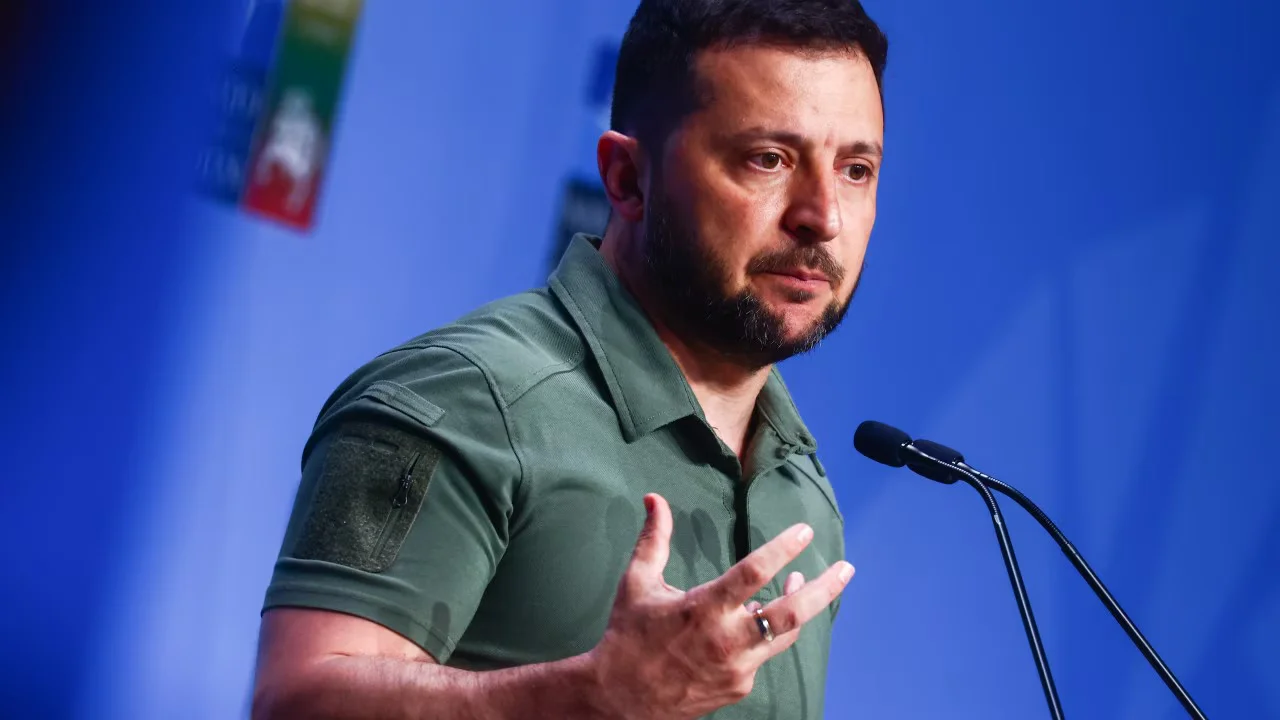
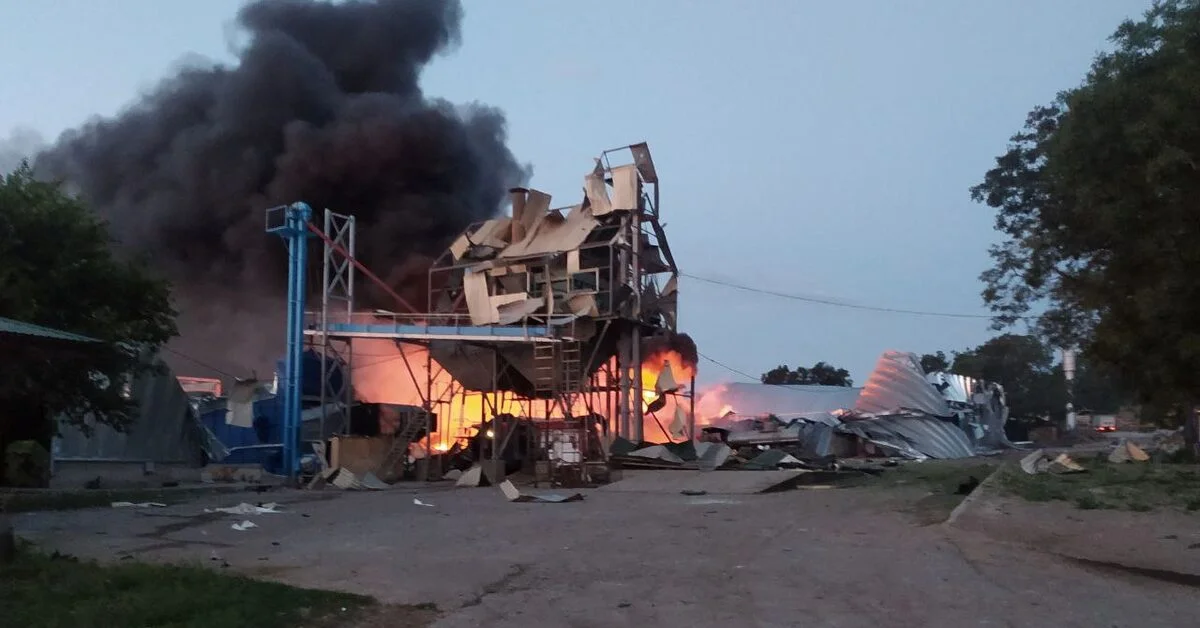
Ukrainian President Volodymyr Zelensky has accused Russia of seeking a "global catastrophe" after drones struck Ukraine's largest inland port, destroying thousands of tonnes of grain. The attack damaged almost 40,000 tons of grain destined for countries in Africa, China, and Israel. Zelensky warned that Russia aims to destroy global food stocks and create disruptions in supplies. The strike comes as Russia steps up efforts to prevent Ukraine from exporting grain, following President Putin's withdrawal from a Black Sea grain deal. Russia blames Western sanctions for the food crisis and demands their lifting before re-engaging in talks.
The European Union (EU) has warned developing countries that Russia is using cheap grain as a means to create new dependencies and exacerbate economic vulnerabilities and global food insecurity. EU foreign policy chief Josep Borrell urged developing and Group of 20 countries to push Moscow to return to the Black Sea grain export deal and stop targeting Ukraine's agricultural infrastructure. Russia, which recently quit the deal, has been approaching vulnerable countries with discounted grain shipments, claiming to solve a problem it created itself. The EU emphasized that there are no sanctions on Russia's food and fertilizer exports to third countries and expressed its commitment to preventing over-compliance and de-risking activities. The EU will continue supporting efforts to revive the Black Sea grain deal and counter Russian disinformation on global food security.
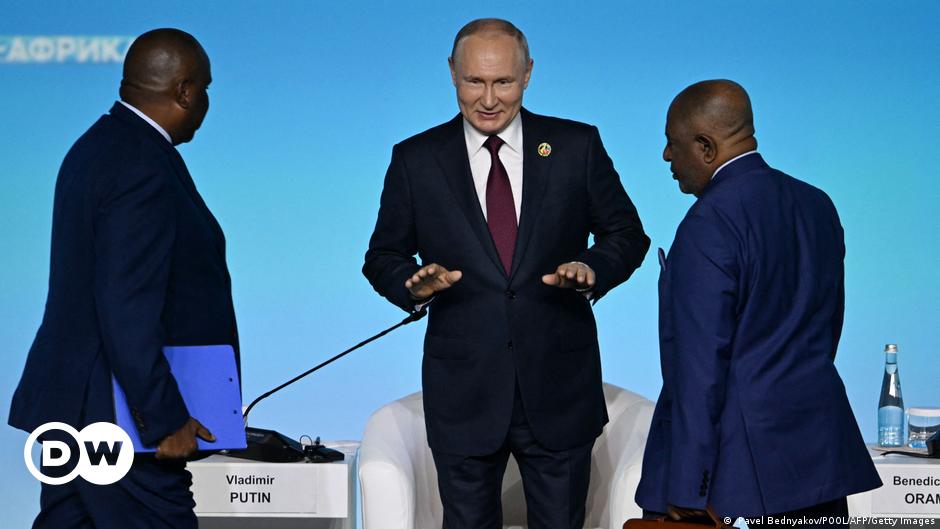
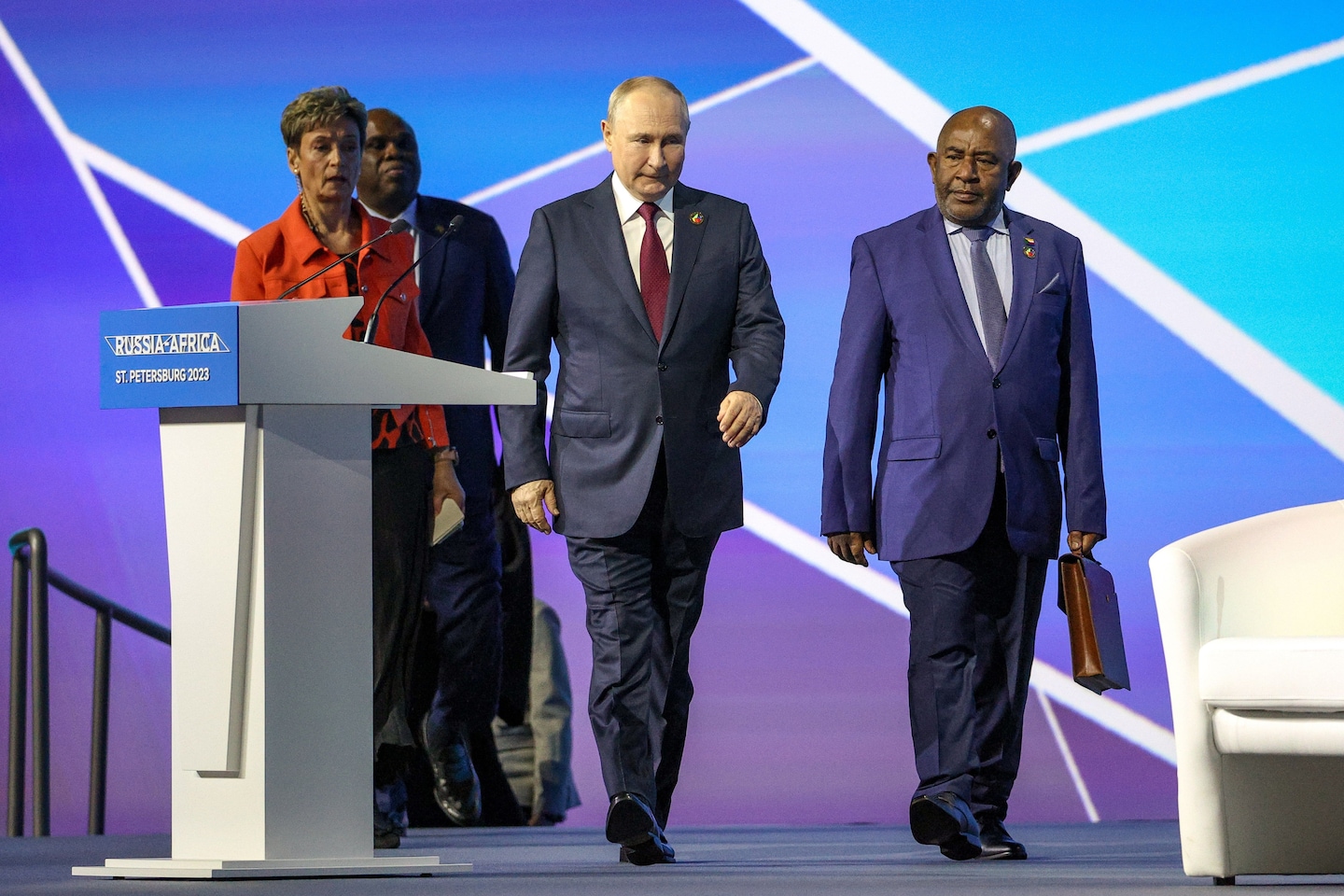
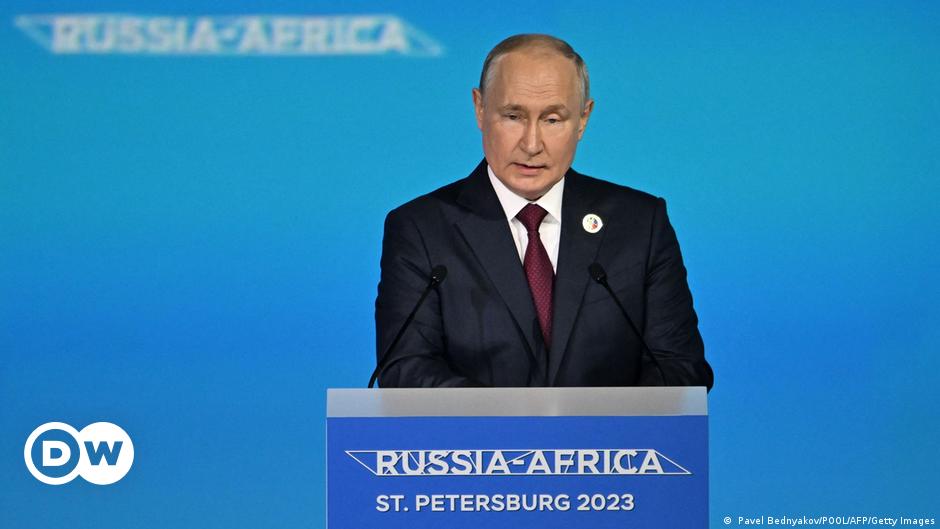
Russian President Vladimir Putin used a summit with African leaders in St. Petersburg to address concerns over Russia's invasion of Ukraine and food insecurity in Africa. Putin pledged to send free grain supplies to six African nations, but the move was met with skepticism. The Kremlin has been accused of using grain as a weapon in its war against Ukraine, and the suspension of a grain deal has led to rising food prices globally. In addition to the grain pledge, Russia signed arms deals with African countries, and the leader of the Wagner mercenary group made a surprise appearance at the summit. African leaders urged Putin to end hostilities in Ukraine.
African Union Chairman Azali Assoumani called on Russia to end its blockade on Ukrainian grain exports, warning that the blockade could lead to a spike in food prices and worsen the food security emergency in the Horn of Africa. Assoumani's appeal came after Moscow renewed its blockade on Ukrainian ports, preventing Kyiv from shipping grain, and attacked Ukrainian grain stores and port facilities. Russian President Vladimir Putin, who is using the Russia-Africa summit to cut Ukrainian grain out of African markets, claimed that Russia would replace Ukrainian grain supplies to Africa. However, Assoumani pushed back, stating that access to both Ukrainian and Russian grain was crucial for African countries. Critics have warned that Russia's move to cut Ukraine out of the African market would leave African nations more dependent on Russian grain.
Russian President Vladimir Putin has promised to send free grain to six poor African countries as he launched a summit with African leaders in St. Petersburg. This move comes after Russia withdrew from a grain export deal with Ukraine, which had helped stabilize global food prices. The summit is seen as a test of Putin's support in Africa, where he retains backing despite international isolation due to his military intervention in Ukraine. US Secretary of State Antony Blinken urged African leaders to demand answers about the grain disruptions, while the Kremlin accused Western countries of trying to prevent African states from participating in the summit.
Russian President Vladimir Putin announced at the Russia-Africa summit that Russia will provide up to 50,000 tons of free grain to six African countries, including Burkina Faso, Zimbabwe, Mali, Somalia, Central African Republic, and Eritrea. This comes after Russia halted a grain deal that allowed Ukrainian grain to be exported to Africa, the Middle East, and Asia. Putin blamed Western sanctions for obstructing Russia's grain and fertilizer supplies and expressed readiness to replace Ukrainian grain exports to Africa. The summit will also focus on expanding trade and developing financial ties between Russia and Africa.
Russia continues to target Ukraine's grain export facilities, escalating tensions and threatening a global food crisis. The attacks on Ukraine's grain terminals followed Kyiv's defiance of Russia's naval blockade on its export ports. The UN warns that millions of people in poor countries are at risk of hunger and starvation due to the knock-on effect on food prices. Russia claims the attacks are revenge for a Ukrainian strike on a Russian-built bridge to Crimea and accuses Ukraine of using the sea corridor for "terrorist attacks." The attacks on grain infrastructure and shipping concerns have driven up wheat prices. Western leaders accuse Russia of seeking to loosen sanctions imposed over its invasion of Ukraine.
Poland, along with four other EU member states (Hungary, Slovakia, Bulgaria, and Romania), has requested an extension of trade curbs on Ukrainian grain due to concerns over Russia's blockage of Black Sea shipments, which could further pressure their domestic markets. These countries had previously restricted imports of Ukrainian grain in response to protests by their farmers about a grain glut. The demand for an extension of controls beyond mid-September is likely to face resistance from other member states. Poland's rightwing government, worried about losing farmer support ahead of a national election, has grown concerned about Ukrainian imports. Russia's decision to end its Black Sea grain deal adds pressure on Ukraine to find alternative export routes. The EU and the US have condemned Russia's move, while Poland and other EU countries close to Ukraine argue that Brussels has failed to guarantee that Ukrainian food exports would be sent to Africa and the Middle East rather than flooding domestic markets.
Russia has launched missile strikes on Ukraine's Black Sea coast, destroying 60,000 tonnes of grain and causing damage to storage infrastructure. This comes after Russia pulled out of an international grain deal, citing unmet demands for Russian exports. The strikes targeted grain terminals and port infrastructure in Odesa and Chornomorsk, two of the three ports included in the export deal. Ukrainian officials condemned the attacks, while France and Germany also expressed their disapproval. The coordinated attack involved various missiles and drones, with some penetrating Ukrainian defenses. Meanwhile, Crimea experienced disruptions as explosions at an ammunition depot led to the evacuation of nearby villages.