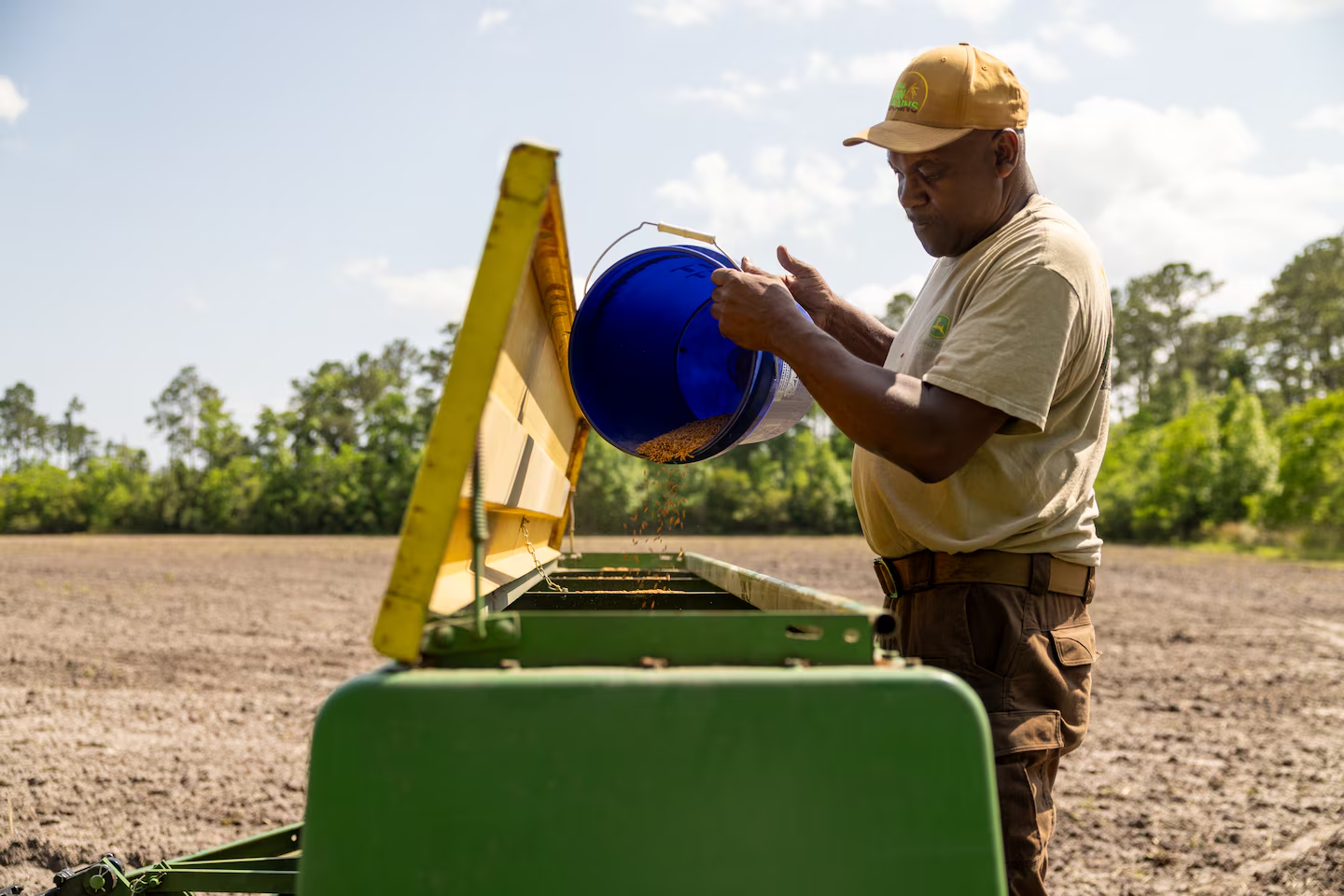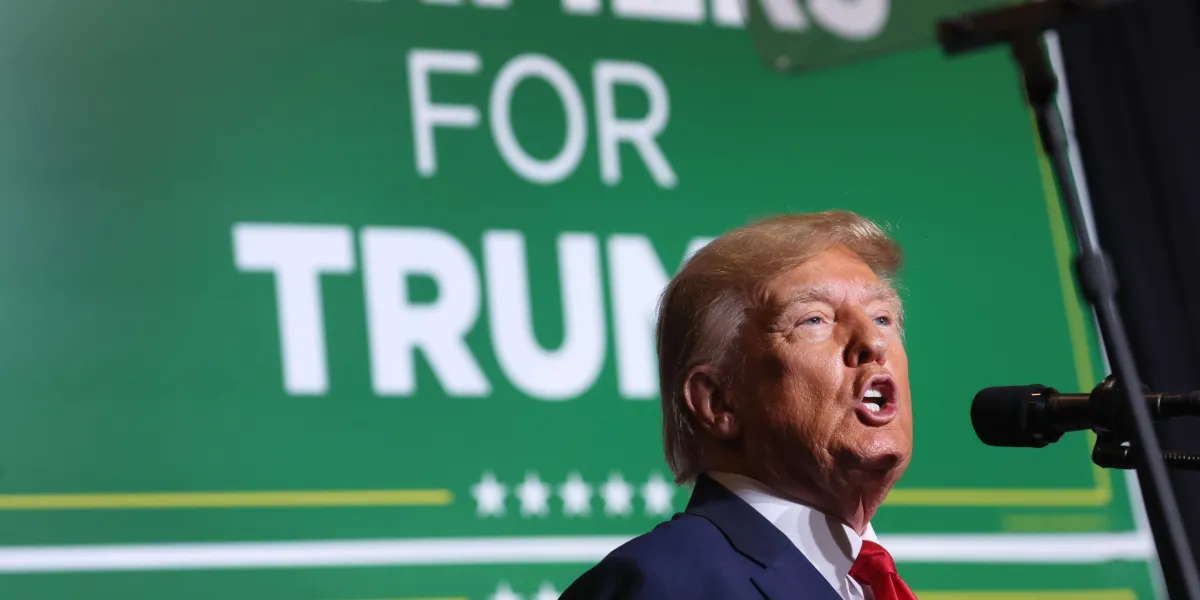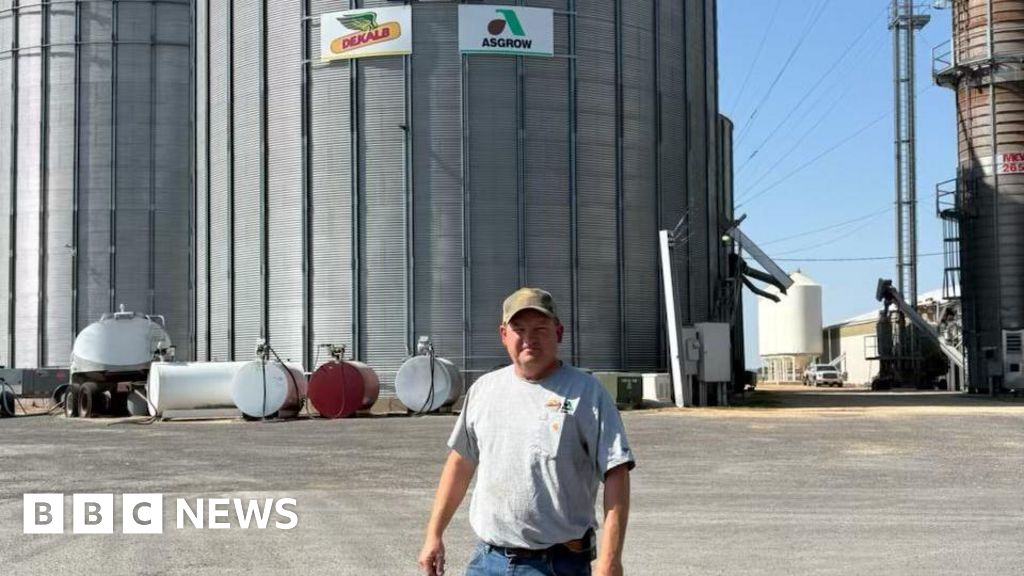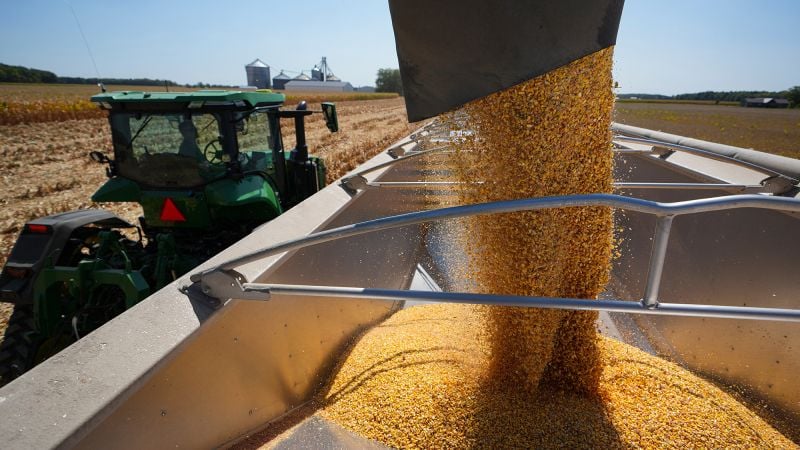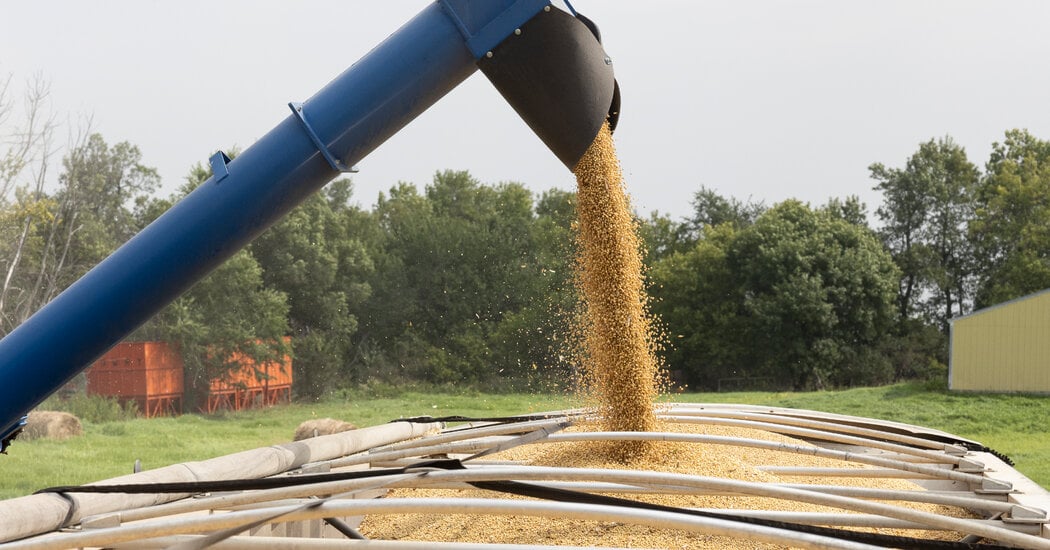
Farmers in the U.S. are frustrated with President Trump's decision to aid Argentina through a soybean and beef bailout, which they see as conflicting with his 'America First' policies and harming domestic agriculture interests, despite some support for his broader trade negotiations with China.
The Trump administration plans to double its financial support to Argentina through private-sector financing, aiming to increase US influence in the region and support the country's economic stability.
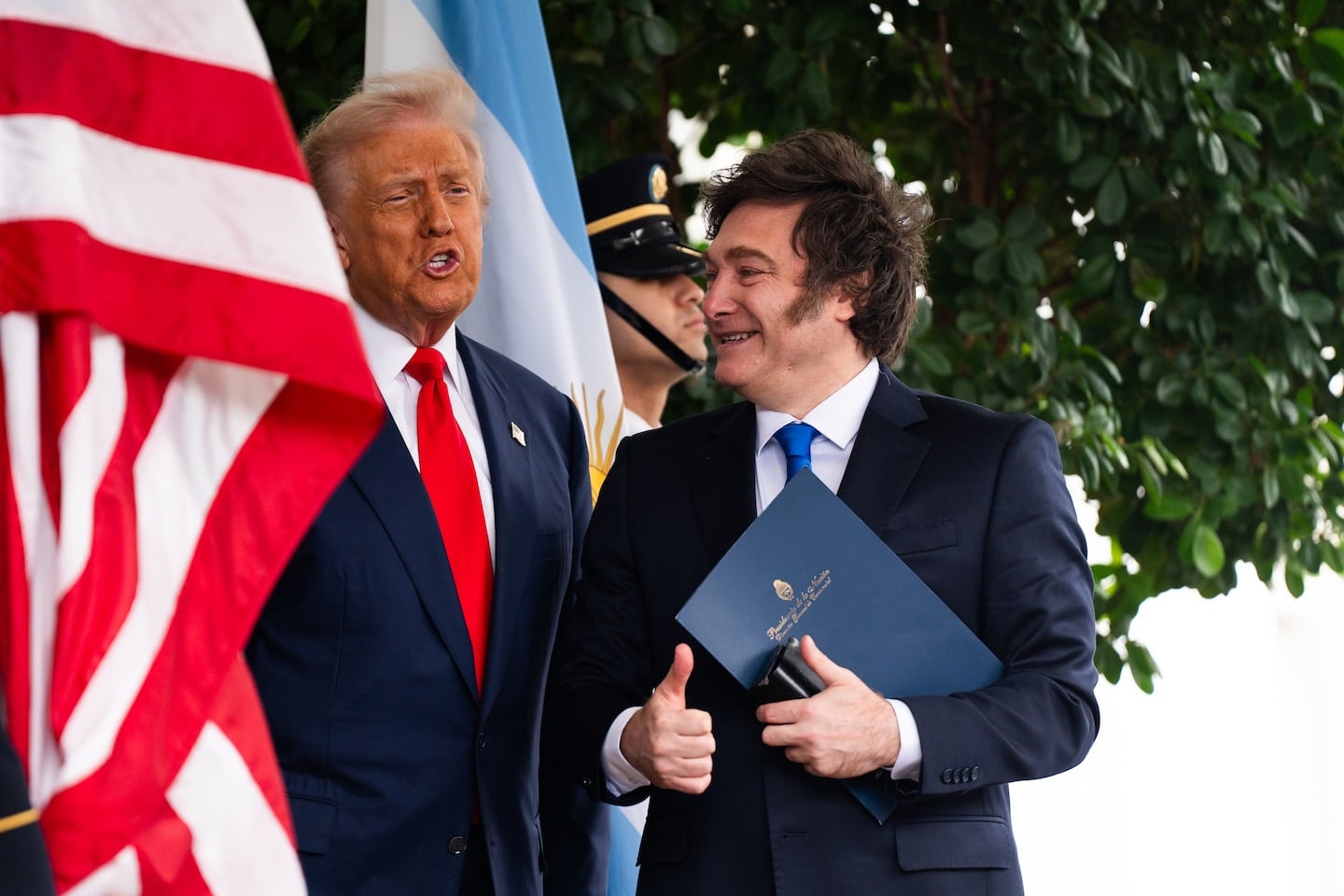
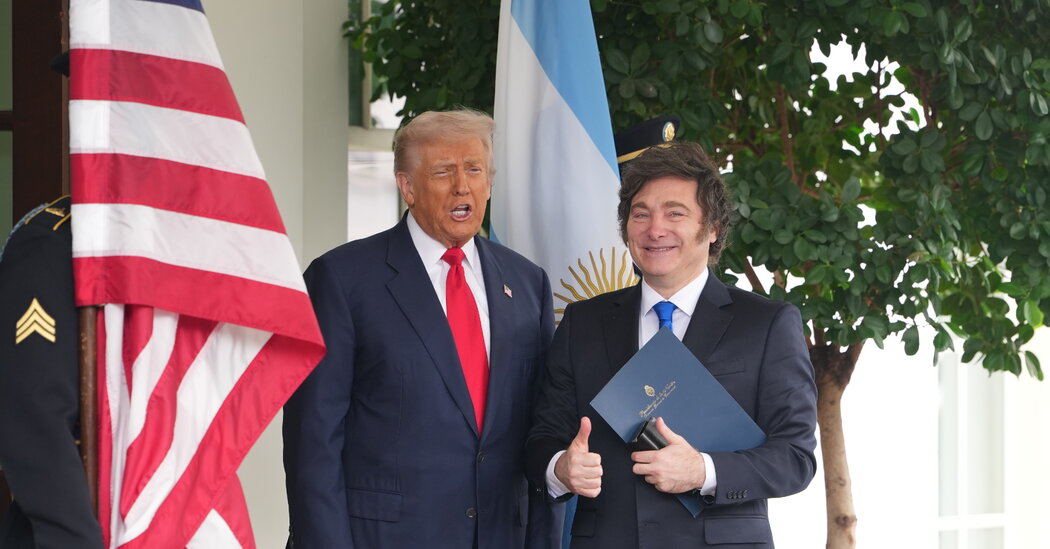
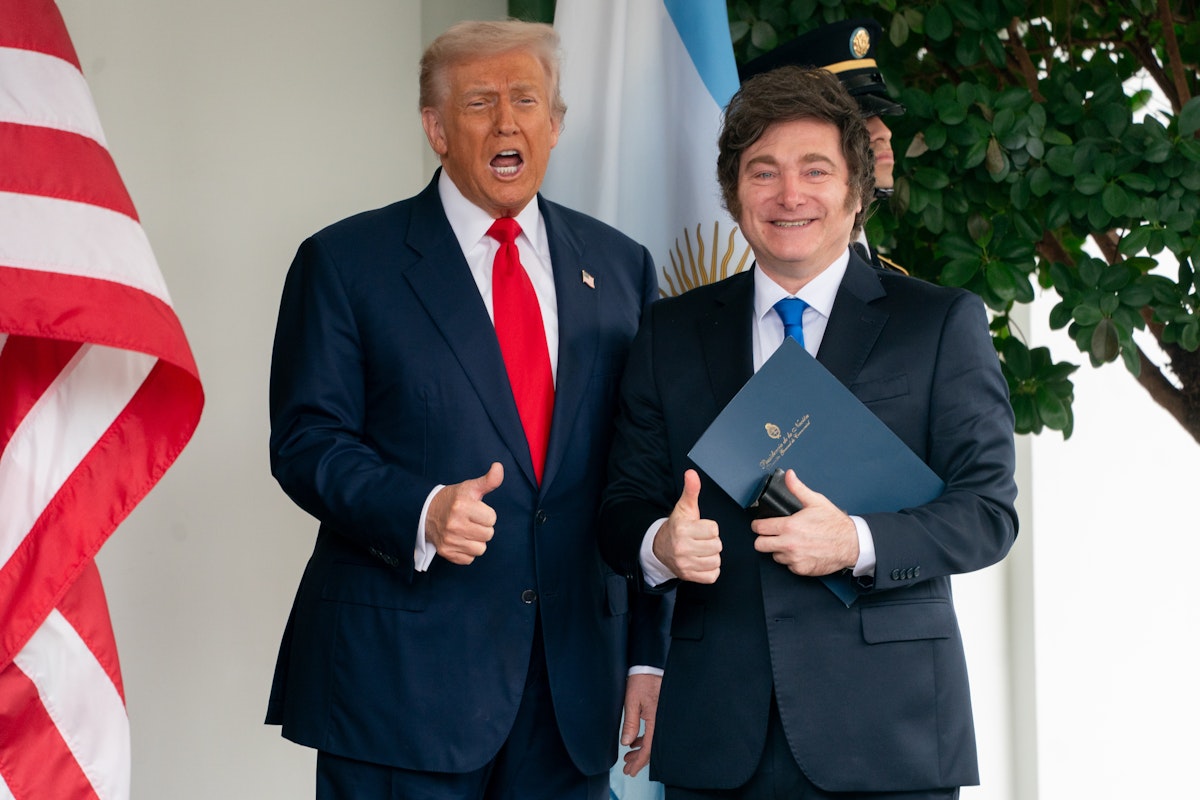
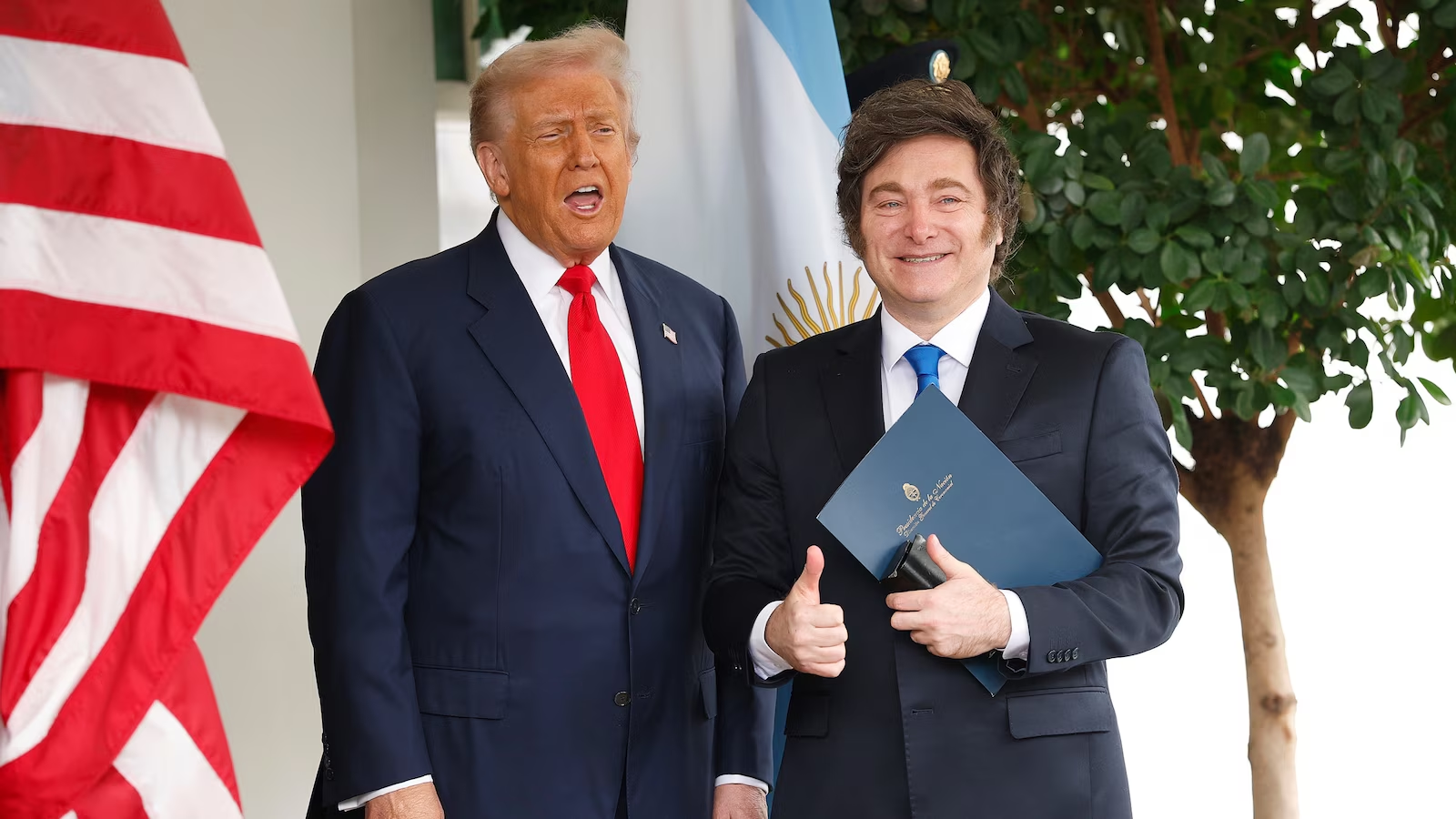
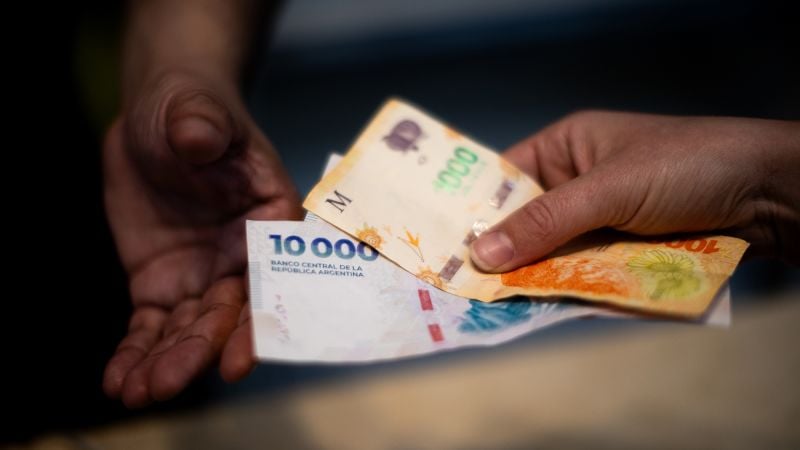
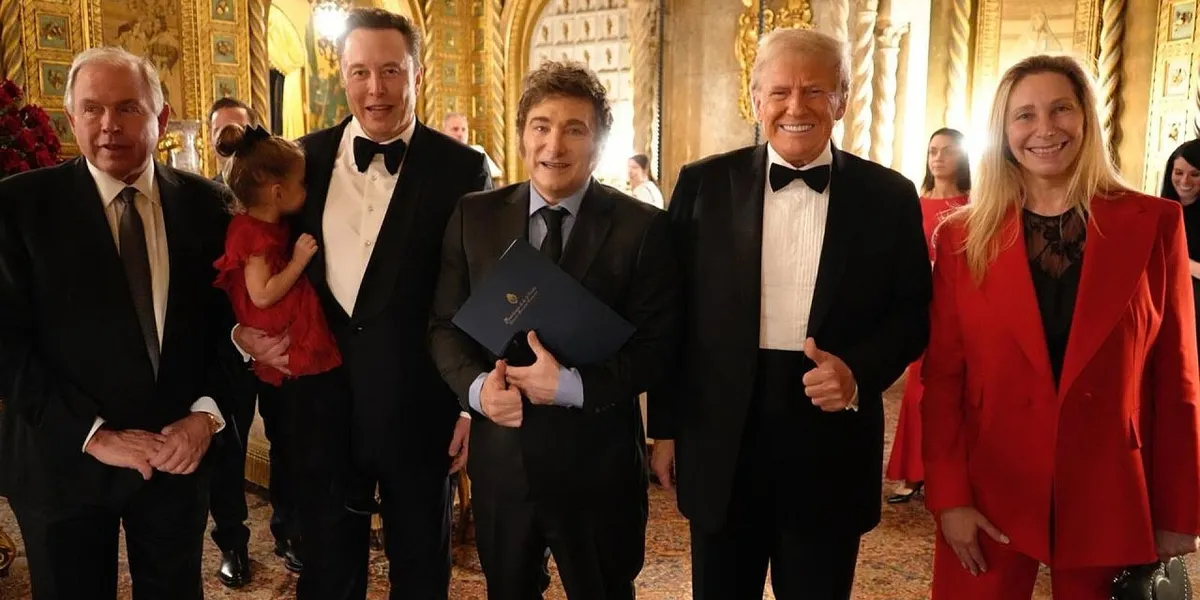
President Trump offered Argentina a $20 billion bailout to help President Javier Milei's government during an economic crisis, but the aid came with conditions, including political requirements for upcoming legislative elections, which could have complex repercussions.
The Trump administration has announced a $40 billion aid package for Argentina, including a $20 billion facility and a credit swap line, aimed at stabilizing Argentina's economy ahead of elections, with significant benefits for major hedge funds and ties to US geopolitical strategy, despite domestic budget conflicts.
The Trump administration announced a $20 billion bailout for Argentina's economy, including a currency swap with its central bank, sparking controversy among American farmers and politicians who question why U.S. taxpayer dollars are supporting a foreign country while American farmers suffer from trade disruptions and market losses. The deal is also seen as a strategic move to support Argentine President Javier Milei ahead of upcoming elections, with some critics viewing it as counter to 'America First' principles.
The Trump administration is providing a $20 billion financial rescue to Argentina, primarily through currency swaps and currency purchases, citing economic stability concerns and geopolitical interests, but critics argue it is politically motivated and benefits wealthy fund managers, all while the US faces a government shutdown and trade tensions.
The Trump administration's plan to use tariff revenue for a $15 billion farmer bailout is hindered by the ongoing government shutdown, making the logistics and funding of the aid complex and delayed, while the agricultural sector continues to suffer from tariffs and global market shifts.
The US government is planning to provide billions of dollars in aid to farmers, especially soybean growers hurt by China's reduced purchases due to Trump's tariffs, amid broader concerns from other industries about the economic impact of trade policies. While farmers see relief as necessary, many other businesses and critics argue that the aid is politically motivated and fails to address underlying economic issues, raising questions about fairness and the long-term effects of such trade measures.
President Trump is considering a bailout of $10-14 billion for American farmers affected by his trade war, tariffs, and labor shortages, with discussions focusing on using tariff revenue or a 'slush fund' to provide aid, especially to soybean farmers suffering from China's embargo and global trade tensions.
President Trump expressed intentions to use revenue from tariffs to aid struggling farmers, particularly those growing row crops like soybeans and corn, amid ongoing trade tensions and falling crop prices. While a specific bailout plan has not yet been announced, the administration is considering measures to support the agricultural sector, including rebuilding cattle herds and investigating market competition issues. The situation remains complex due to the impact of tariffs and trade disputes on farm income and export markets.
The U.S. is considering a $20 billion bailout for Argentina to support President Javier Milei's government, marking a rare intervention that ties U.S. economic influence to Argentine politics, amid concerns over Argentina's economic instability and potential risks to American taxpayers. The move has faced criticism from U.S. farmers and Democrats, highlighting tensions over foreign aid and trade policies.
The Trump administration has pledged US support to Argentina's struggling economy under President Javier Milei, whose radical libertarian policies have led to economic decline. This includes a potential bailout amid protests and economic instability, with critics viewing it as a move to protect US financial interests and support Milei's political allies.
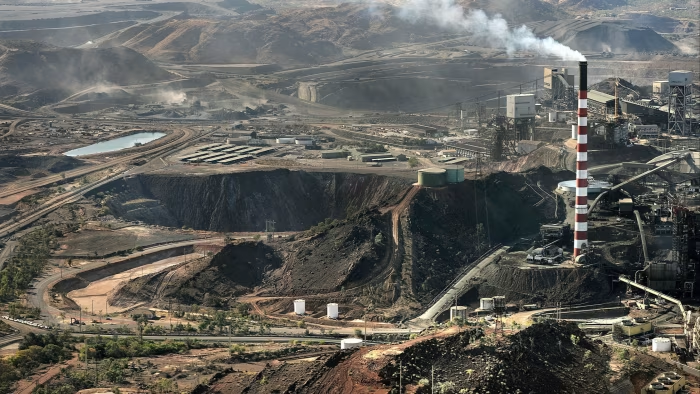
Australia's government has provided financial support to Trafigura's lead and zinc smelters to prevent their collapse, with conditions to develop a new supply chain for critical minerals and potentially set price floors for rare earths, aiming to reduce dependence on China and strengthen national security in the strategic minerals sector.
Northvolt, a leading battery manufacturer, has issued a stark warning to other battery startups, advising them not to rely on potential bailouts as they navigate the competitive and capital-intensive electric vehicle market. This message underscores the challenges faced by new entrants in securing funding and achieving sustainability in the rapidly evolving industry.
China has announced a $1.4 trillion plan to support its local governments, aiming to stabilize the economy and address financial challenges at the municipal level. This initiative is part of a broader effort to boost investment and ensure economic growth amid global uncertainties.