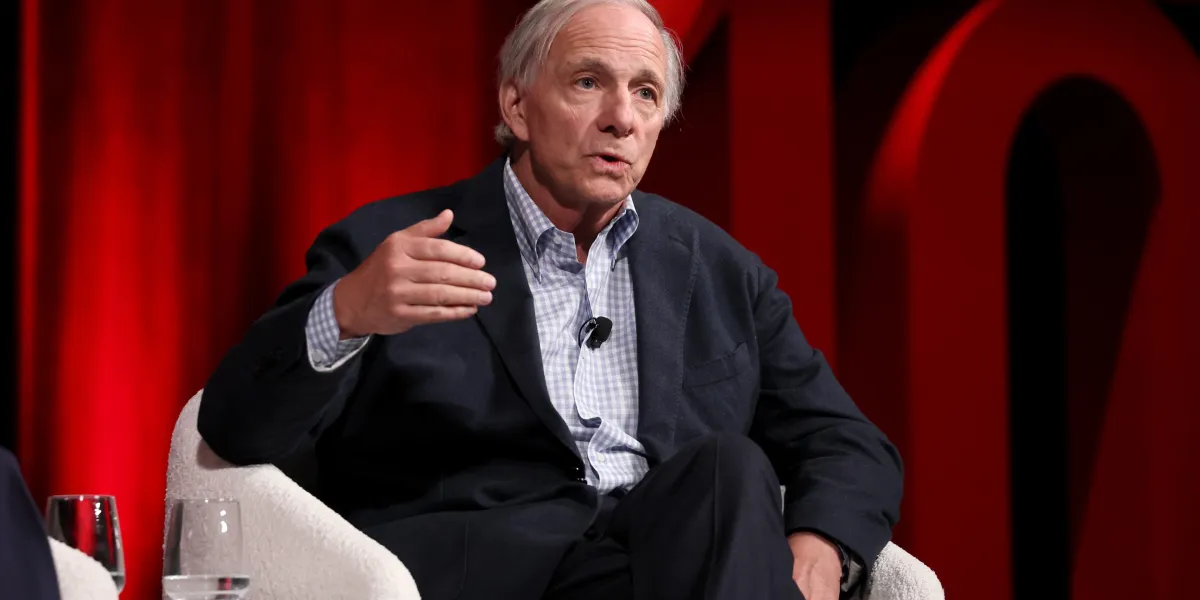
Ray Dalio warns that the US is running out of interest in buying its debt and cannot cut back on spending, raising concerns about its fiscal sustainability amid rising national debt and political challenges.
Under President Trump, the US national debt has surpassed $37 trillion amid ongoing debates over fiscal policies, with efforts like tariffs and government efficiency initiatives contributing to revenue, but concerns remain about the sustainability of the debt given the rapid increase and economic challenges.
The U.S. national debt has reached nearly $33 trillion, with economists divided on its impact. While some argue that debt can be useful for emergencies and large initiatives like infrastructure, others express concern about the ever-expanding debt and its potential harm to the economy. The debt-to-GDP ratio is a key measure of severity, with the U.S. currently at nearly 100%, higher than the recommended 70%. Servicing the debt becomes challenging when interest rates rise, although some argue that higher rates can stimulate the economy by providing additional income to bondholders. The debate continues on how the U.S. should manage its debt and whether it needs to take action.
Economists at the Kansas City Federal Reserve's annual central banking symposium in Jackson Hole, Wyoming, have concluded that the sharp rise in public debt loads over the past decade and a half is likely irreversible. Despite concerns about the growth-crimping implications of high debt, reducing debt-to-GDP ratios is unlikely in practice due to factors such as population aging, the need for public financing in areas like healthcare and pensions, rising interest rates, political divisions, and the broadening pool of creditors. Governments will have to live with high inherited debts and will need to implement spending limits, consider tax hikes, and improve bank regulation to manage the situation.