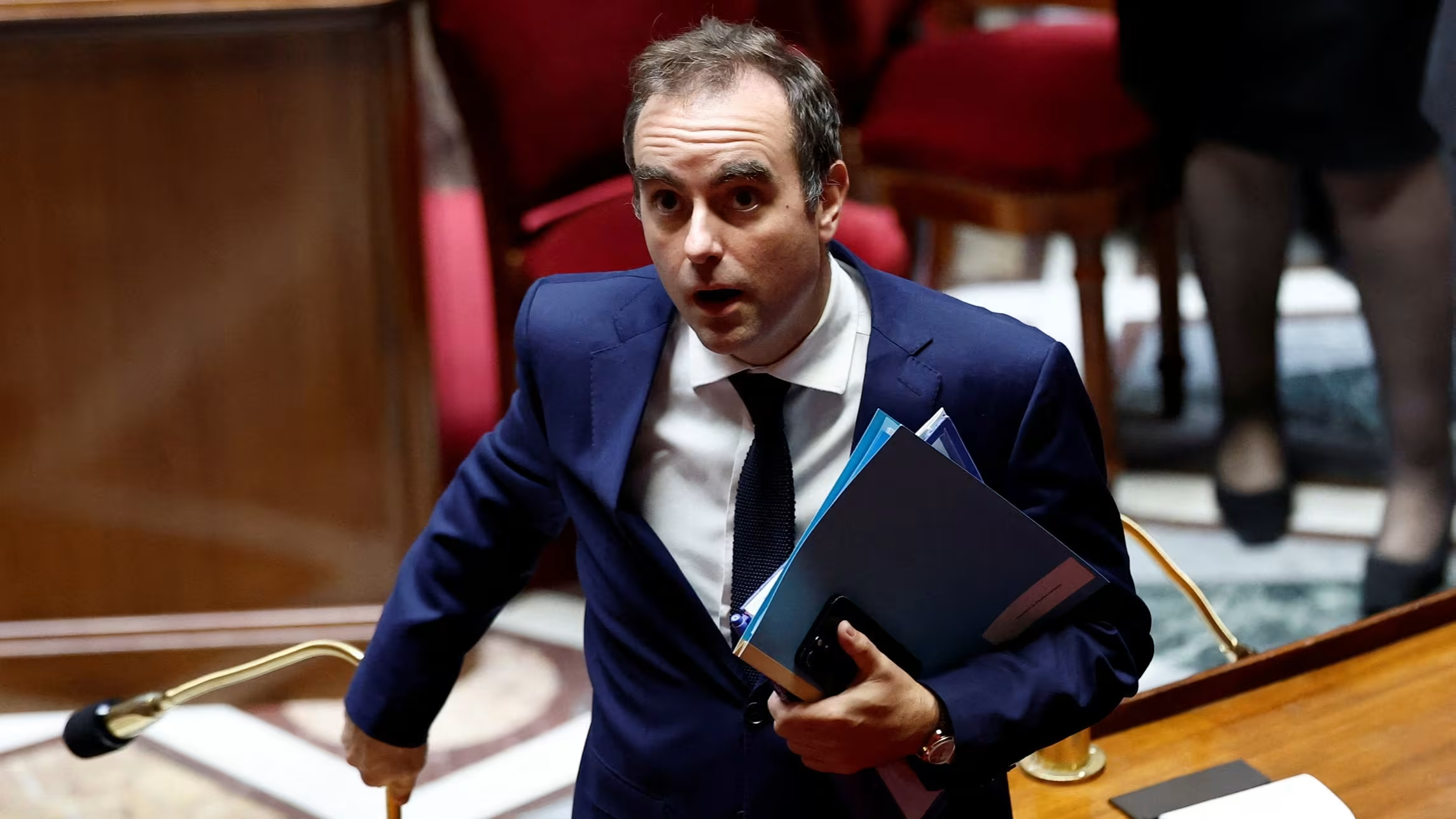
S&P Downgrades France's Credit Rating Amid Political Instability
S&P has downgraded France's credit rating due to expectations of an increasing debt burden, reflecting concerns over the country's fiscal outlook.

All articles tagged with #credit rating
S&P has downgraded France's credit rating due to expectations of an increasing debt burden, reflecting concerns over the country's fiscal outlook.

S&P Global Ratings plans to downgrade Electronic Arts to junk status after its $55 billion buyout, which will add approximately $20 billion in debt, potentially leading to a multiple-notch downgrade from its current BBB+ rating.

The article discusses France's credit rating being downgraded by Fitch due to political instability and economic challenges, while also highlighting political changes in France with new Prime Minister Sébastien Lecornu. The headline uses a metaphorical comparison suggesting a reversal or confusion between France and Italy, possibly indicating broader European political or economic shifts.

French Prime Minister Sebastien Lecornu has decided to abandon his predecessor's plan to cut two public holidays as part of efforts to reduce the national deficit, amid economic pressures including France's credit rating downgrade by Fitch. Lecornu is navigating a challenging political landscape to pass a slimmed-down 2026 budget while addressing economic instability and maintaining parliamentary support.
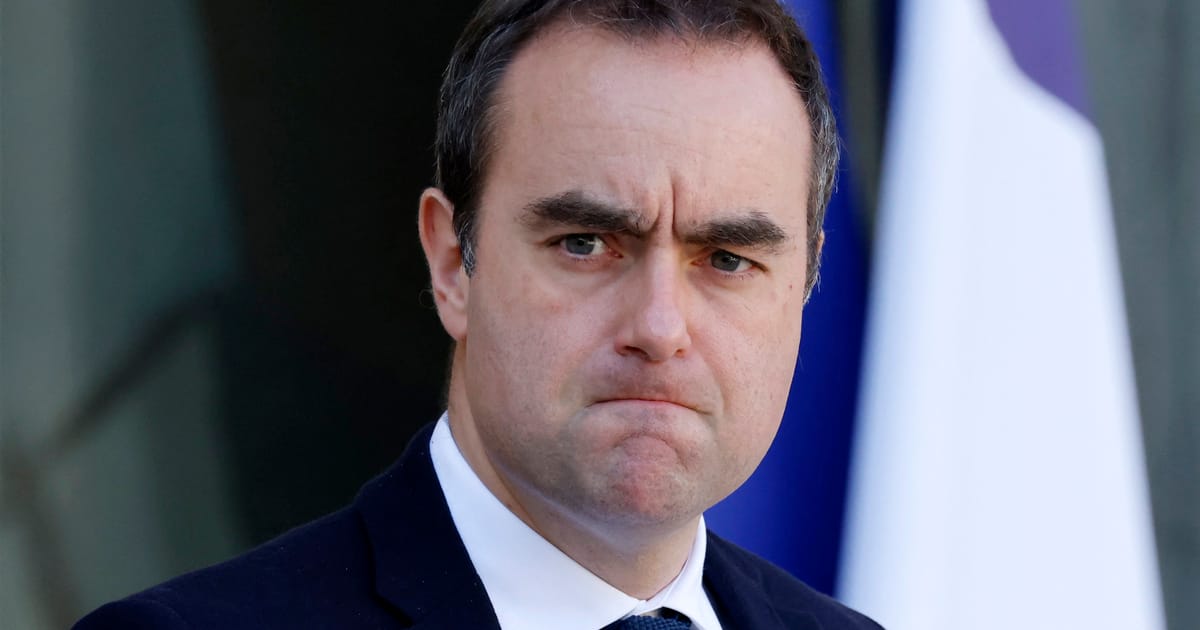
Fitch has downgraded France's credit rating amid ongoing political turmoil, as President Macron appoints Sébastien Lecornu as the new Prime Minister following the resignation of François Bayrou, signaling a potential shift in government policy.

Fitch downgraded France's credit rating to A+ due to political turmoil and rising debt, marking the lowest on record for the country, which faces challenges in passing a budget and stabilizing its debt, potentially leading to forced bond sales and increased borrowing costs.
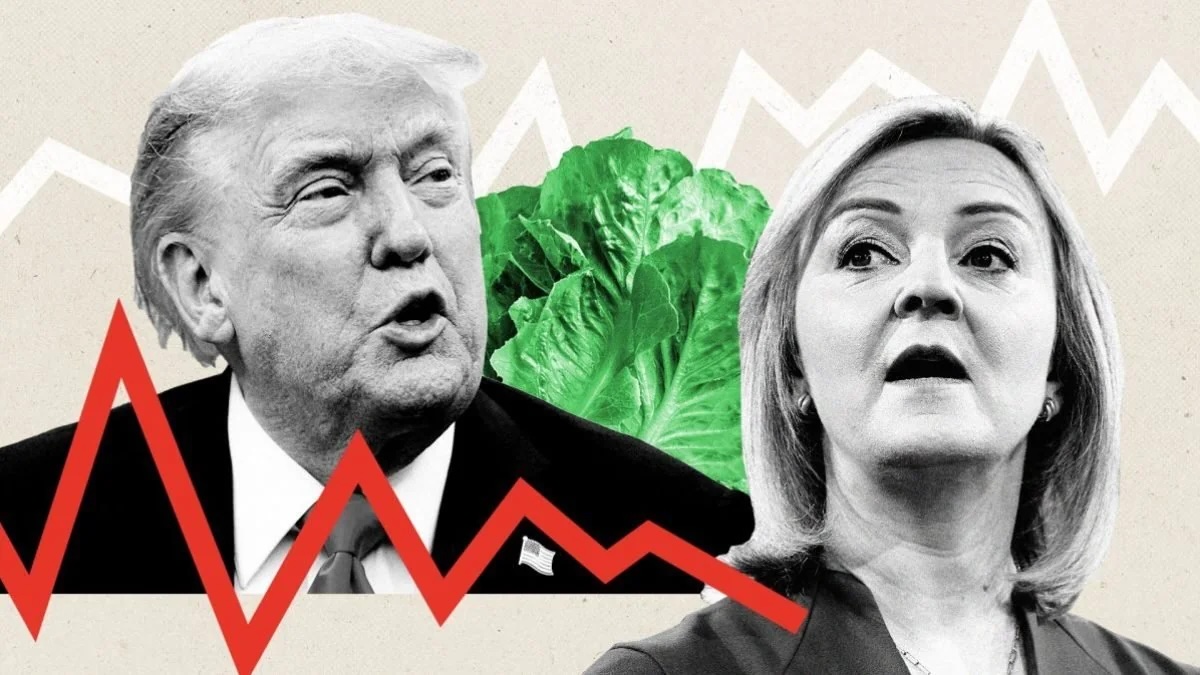
The US dollar is experiencing a concerning decline despite rising bond yields, reminiscent of the UK’s 2022 debt crisis, amid mounting US national debt and fiscal irresponsibility, raising fears of a potential 'Liz Truss moment' that could undermine US global economic leadership.
The French government, led by President Emmanuel Macron, faces challenges as the country's credit rating is downgraded, impacting its economic standing and financial credibility.
President Joe Biden announced that Israel has proposed a new ceasefire plan, while the S&P has downgraded France's credit rating.

Fitch has downgraded China's sovereign credit rating outlook to negative, citing risks to public finances as the country grapples with decelerating growth and increasing debt. The agency expects China's general government deficit to rise to 7.1% of GDP in 2024 and forecasts economic growth to slow to 4.5% in the same year. Despite tentative signs of economic recovery, Fitch warns of increasing risks to China's public finance outlook as it transitions to a more sustainable growth model, eroding fiscal buffers and raising contingent liability risks.

S&P Global has downgraded Paramount Global's debt to junk status at BB+ due to weak credit metrics, with a stable outlook, as the studio transitions from linear TV to streaming. The media conglomerate, led by CEO Bob Bakish, is aiming to offset lost linear TV revenues with streaming and digital revenues, but faces challenges in reducing leverage and increasing free operating cash flow. The credit rating agency may further lower Paramount Global's debt rating if these targets are not met, and the studio recently announced plans to cut 800 jobs as part of cost streamlining efforts.
S&P Global has downgraded Paramount Global's credit rating to junk status, citing ongoing pay-TV declines and the shift to a more competitive streaming model as key factors. The company's debt levels are decreasing, but its ratio of free operating cash flow is forecasted to remain below a key threshold. Despite positive assumptions about streaming losses improving, the company's future remains uncertain amid speculation about potential M&A transactions and offers from private investors.
New York Community Bancorp's credit rating was downgraded to junk status by Fitch Ratings and further lowered by Moody's Investors Service after the discovery of "material weaknesses" in its loan risk tracking. Fitch cited concerns about the bank's controls around provisioning adequacy, particularly in relation to its concentrated exposure to commercial real estate. Moody's highlighted potential credit risk on office and multifamily loans, leading to expectations of increased provisions for credit losses. The stock plunged 26% following the announcement, but the bank's new CEO expressed confidence in executing a turnaround plan.
Prof. Yaron Zelekha, an economist, attributes Israel's recent credit rating downgrade by Moody's to a lack of economic policy vision and confidence in Finance Minister Bezalel Smotrich's management. Zelekha argues that the deficit was already a concern before the war, and the government's spending levels are unsustainable, leading to a lack of control over the economy's management. He warns that the downgrade could open the door to further credit downgrades, impacting the financial markets, and emphasizes the need for a new economic plan to prevent further deterioration of the state of the economy.

Israel's finance minister criticized Moody's decision to downgrade the country's credit rating, calling it a "political manifesto" lacking serious economic claims. Moody's cited the ongoing war in Gaza and potential conflict with Hezbollah as factors that could harm Israel's economy. Prime Minister Benjamin Netanyahu attributed the downgrade to the ongoing war and expressed confidence in the economy's strength. Israeli officials fear further downgrades could impact the country's ability to raise funds through bond sales. Despite resilience, the economy has faced challenges including military expenditures, reservist callups, governance concerns, and a slowdown in tech investments.