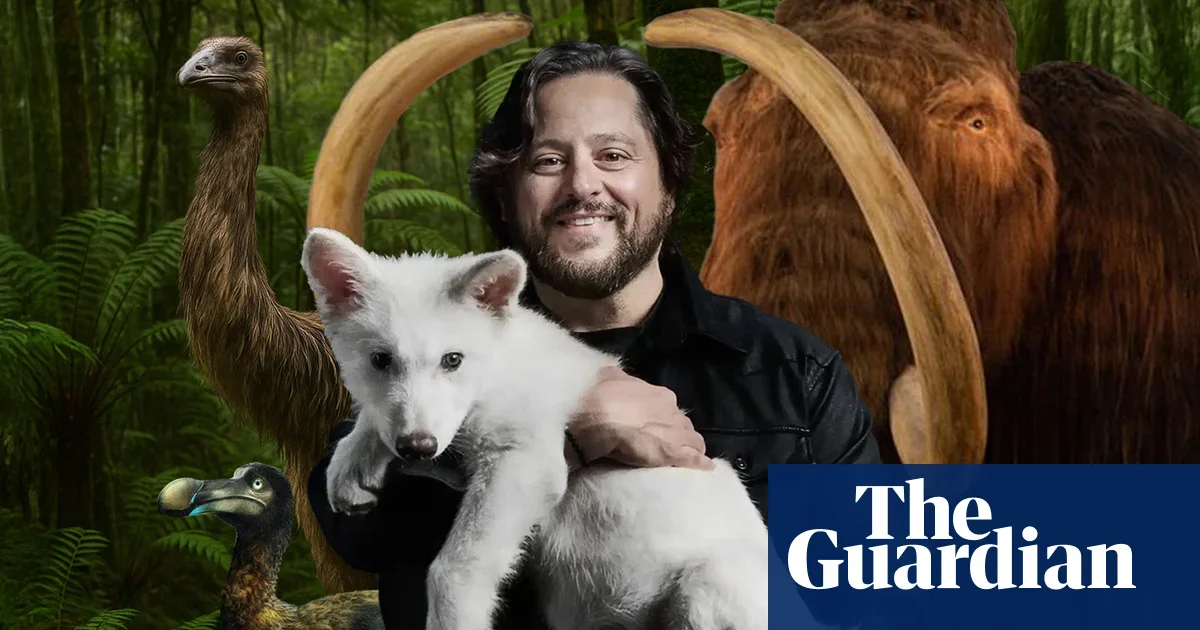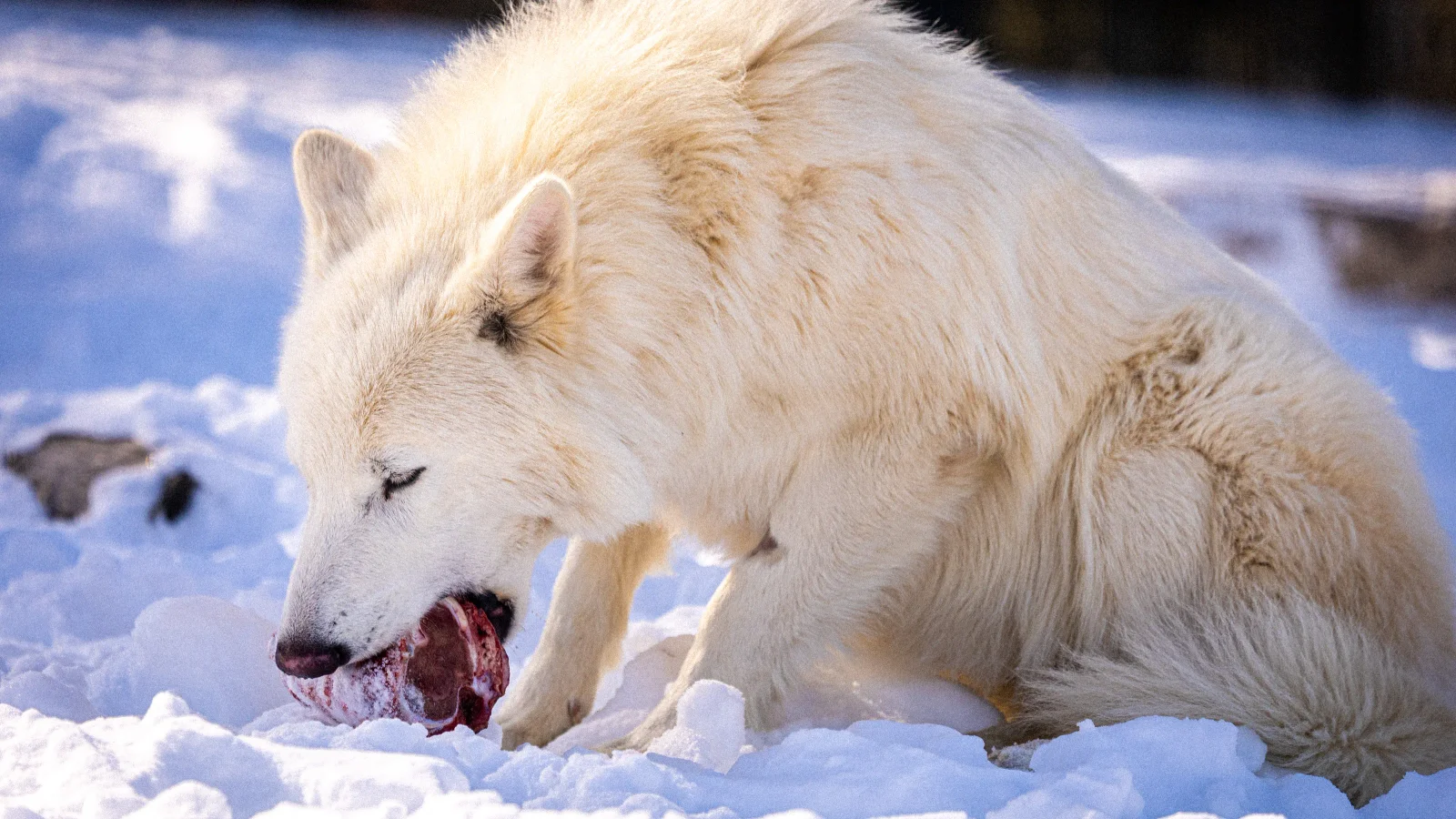
Colossal Biosciences, led by Ben Lamm, claims to have made progress in de-extincting species like the dire wolf and woolly mammoth through genetic engineering, but scientists remain skeptical, arguing that these are not true resurrected species but genetically edited animals that do not fully replicate the original extinct species. Critics warn that overhyping such claims can undermine scientific trust and emphasize that traditional conservation efforts remain essential.
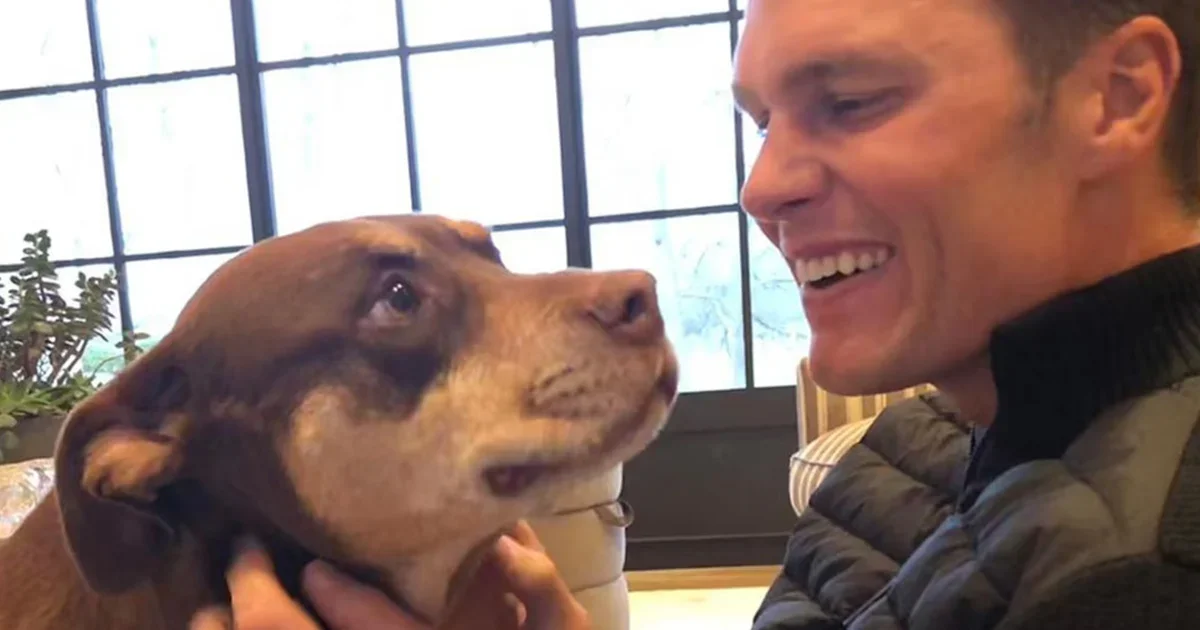
Tom Brady revealed he cloned his beloved dog Lua, who passed away in 2023, using Colossal Biosciences' technology, costing around $50,000. The process involves somatic cell nuclear transfer, creating an identical genetic copy, though behavioral traits may vary. Cloning pets is controversial, with costs comparable to buying a car, and other celebrities like Paris Hilton and Barbra Streisand have also cloned their pets.
Tom Brady announced he cloned his deceased dog Lua using Colossal Biosciences' technology, highlighting his interest in biotech investments and the ethical and scientific complexities of pet cloning, which remains a challenging and imperfect science.
Tom Brady revealed his dog Junie is a clone of his late family pet Lua, created by biotech company Colossal Biosciences, which he invested in. The cloning was done using a blood sample collected before Lua's death, offering his family a chance to have a part of their beloved pet again. The companies involved aim to expand cloning services for pets and conservation efforts.
Tom Brady revealed that he cloned his late dog Lua, a pitbull mix, using blood samples through a biotech company he invested in, Colossal Biosciences, to create a new dog named Junie, expressing his love for his pets and the potential for cloning technology to help families and endangered species.
Tom Brady announced that his dog Junie is a clone of his late dog Lua, made possible through a biotech company he is invested in, Colossal Biosciences, which specializes in animal cloning and de-extinction efforts.
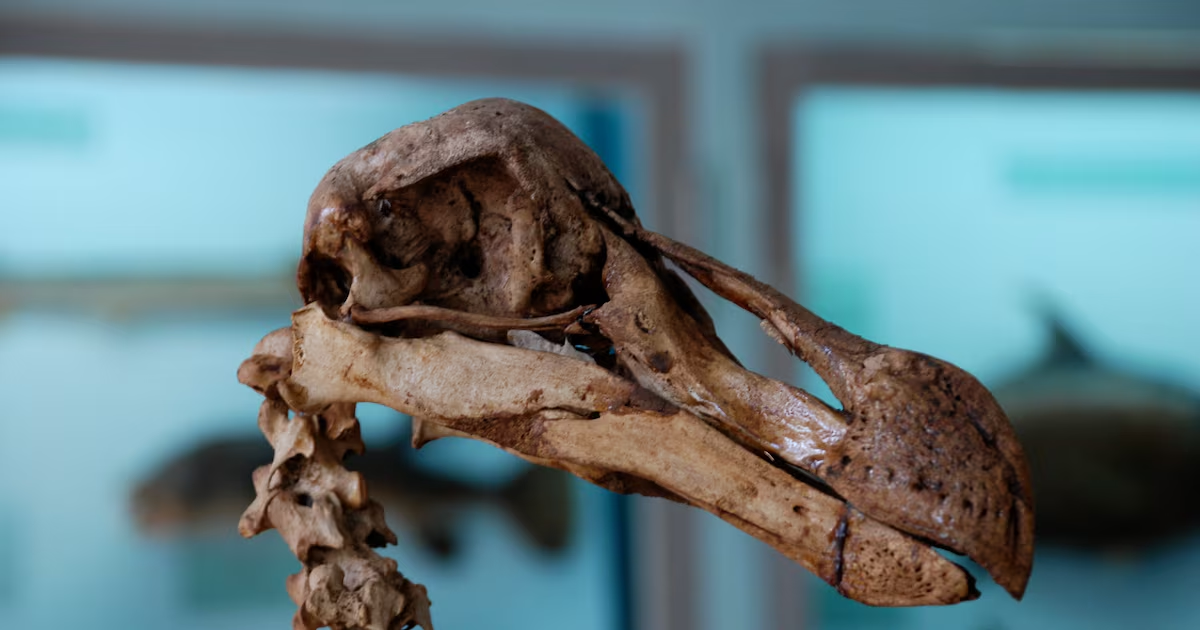
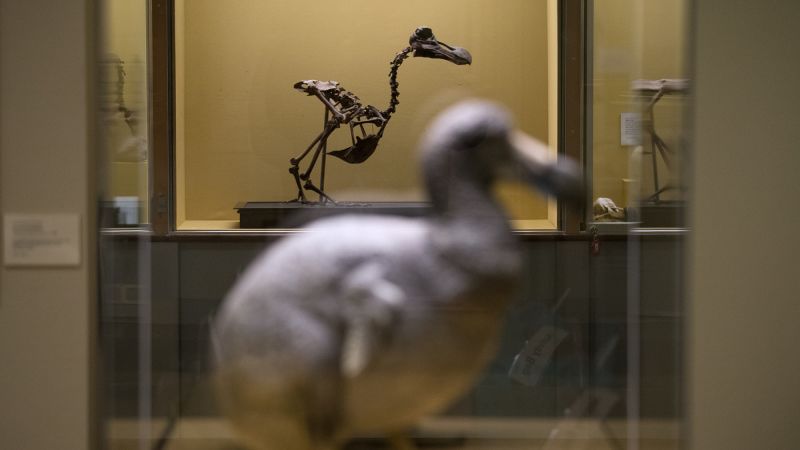
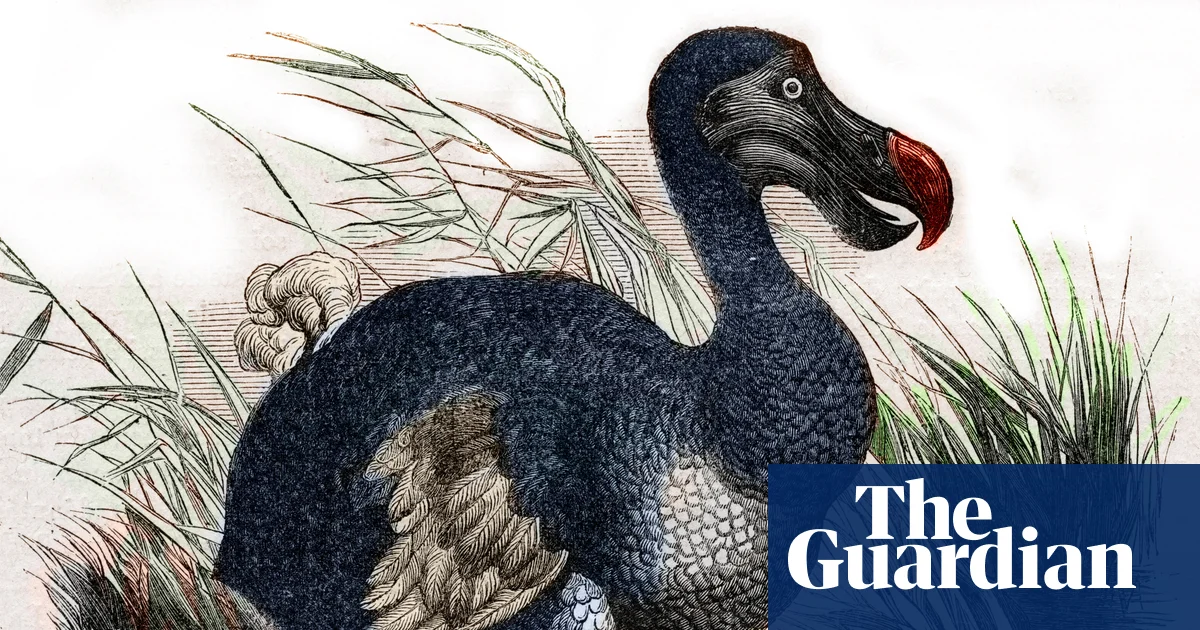
Dallas-based biotech Colossal Biosciences is making progress in de-extincting the dodo by growing primordial germ cells from pigeons, with plans to gene-edit these cells and eventually produce a dodo-like bird, highlighting advancements in avian conservation and de-extinction technology.
Colossal Biosciences has made a significant breakthrough in their effort to genetically engineer a dodo-like bird by successfully culturing primordial germ cells from pigeons, a key step towards potentially recreating the extinct species, though experts caution that true de-extinction remains scientifically complex and controversial.
Scientists at Colossal Biosciences have achieved a major breakthrough in de-extinction by successfully growing primordial germ cells from pigeons, the closest relatives of dodos, marking a pivotal step toward potentially bringing the dodo back to life within the next five to seven years using gene editing and surrogate chickens. The project aims to reintroduce the species to Mauritius, but experts caution about ecological and ethical challenges involved.
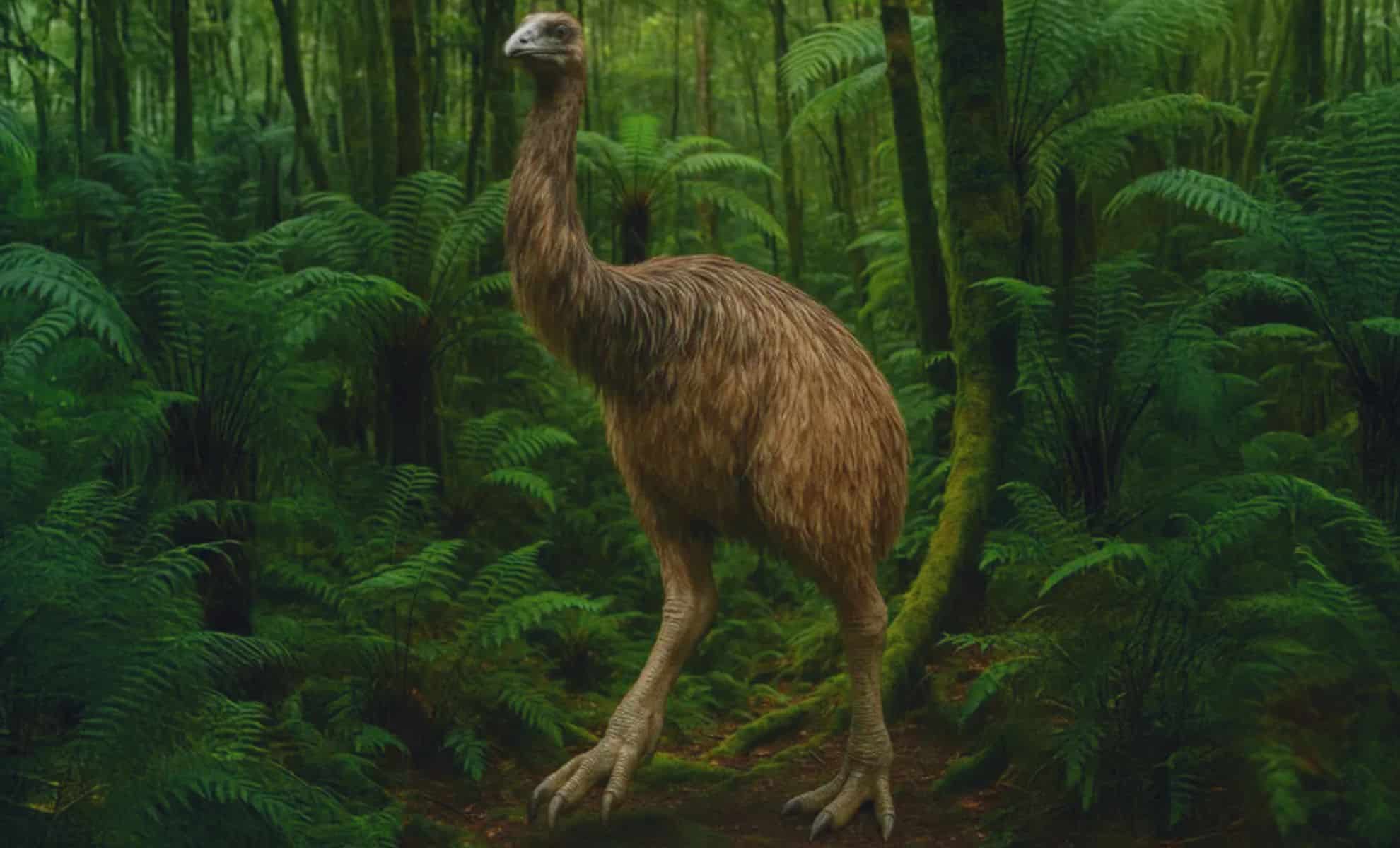
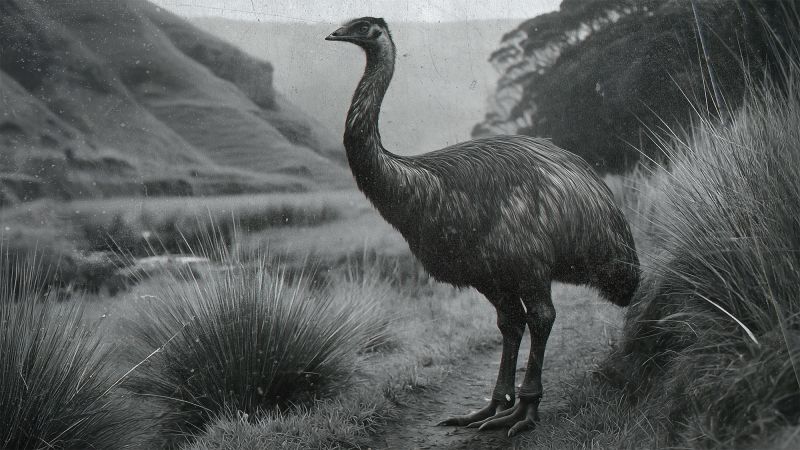
Peter Jackson collaborates with Colossal Biosciences to resurrect the extinct giant moa, blending genetic engineering with cultural heritage to reconnect the Māori people with their history and ecosystem, while sparking global discussions on ethics and conservation.
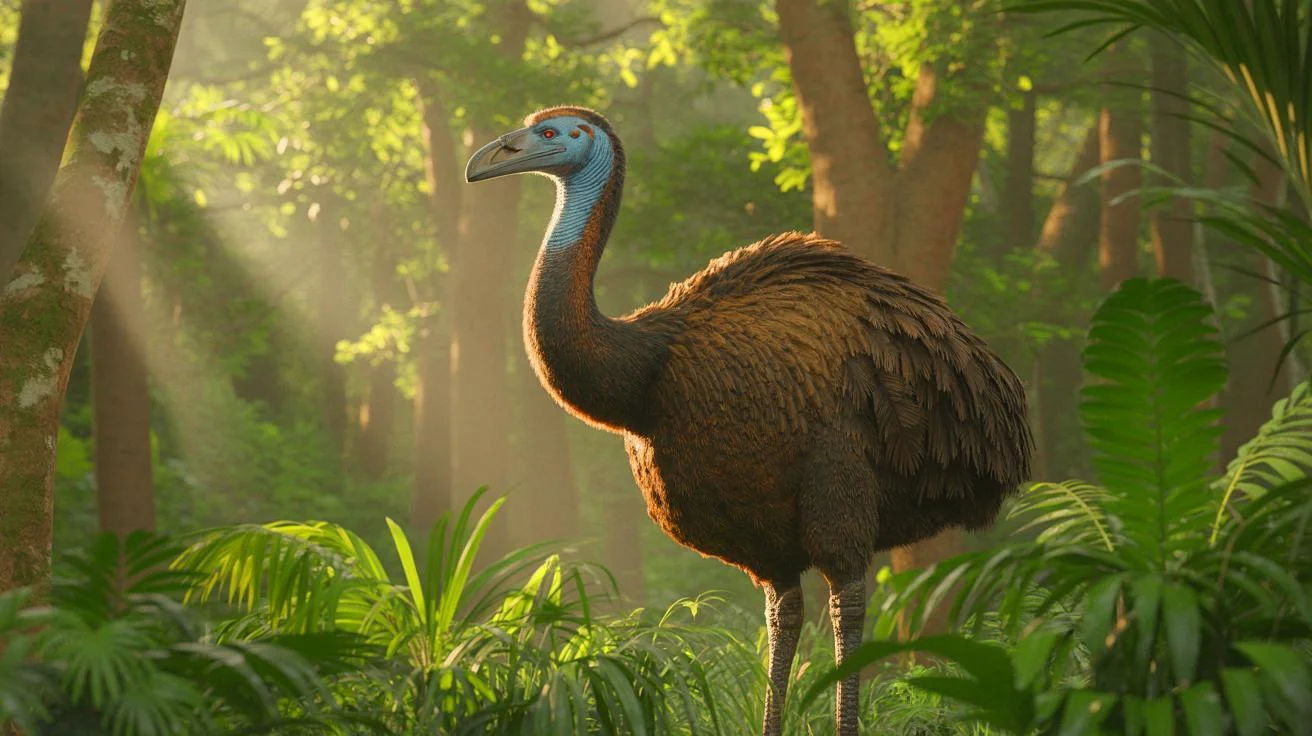
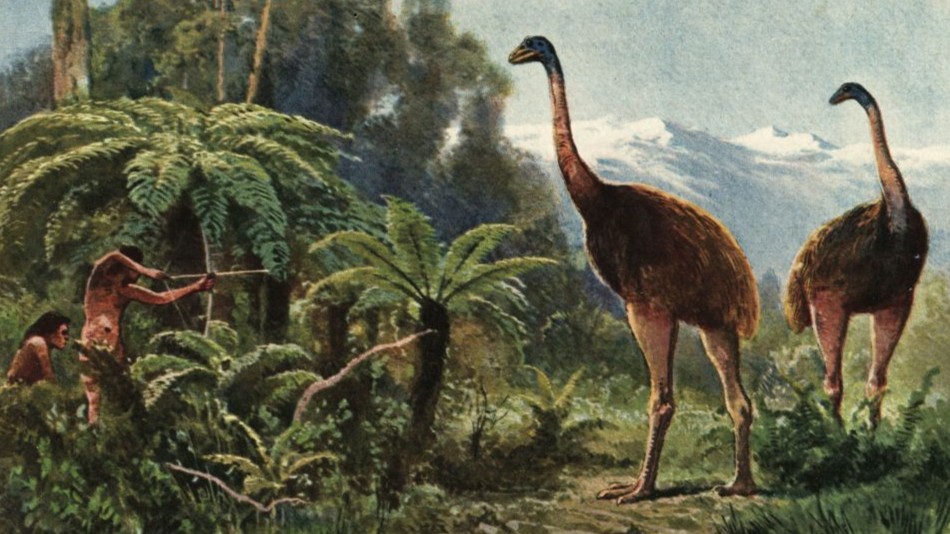
Colossal Biosciences plans to de-extinct the giant moa, a flightless bird from New Zealand, within 10 years by genetically engineering its DNA and using close relatives as surrogates, sparking debate over the feasibility and ethics of resurrecting extinct species.
Colossal Biosciences plans to use advanced DNA technology and CRISPR to resurrect the extinct giant moa of New Zealand, sparking debates on ecological impact, ethics, and conservation, with potential cultural and economic benefits for the region.
Colossal Biosciences plans to use genetic engineering to resurrect the extinct giant moa, a large flightless bird from New Zealand, in collaboration with local institutions, aiming to unlock genetic knowledge and support conservation efforts, despite ethical and practical debates about de-extinction.
Peter Jackson is collaborating with biotech company Colossal Biosciences to de-extinct the South Island Giant Moa, a large extinct bird from New Zealand, aiming to inspire scientific interest and ecological restoration, while also working on a new Lord of the Rings film. Jackson's involvement includes collecting DNA from Moa bones, with the project leveraging advances in genetic engineering to potentially bring the bird back to life.
Originally Published 6 months ago — by Rolling Stone
Colossal Biosciences plans to bring back the extinct giant moa bird, the tallest bird ever, within 5-10 years by sequencing ancient DNA, building on their previous projects like dire wolves and the dodo, with a focus on collaboration with Māori communities and cultural significance.