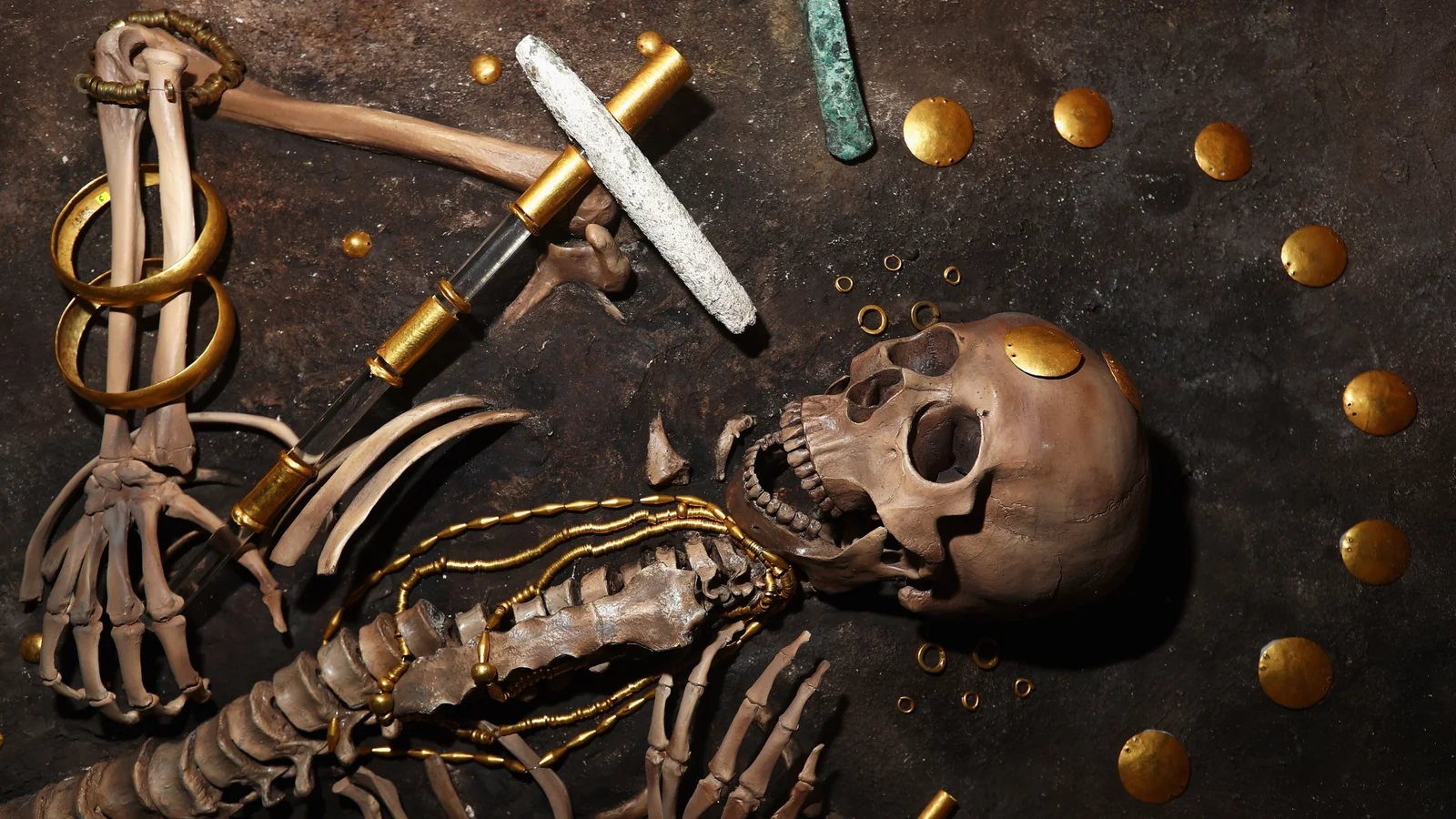
Archaeologists working at Bulgaria's Varna necropolis uncovered some of the world's oldest gold jewelry, dating to the Copper Age (around 4600–4500 BCE), including a gold penis sheath; the find highlights early metalworking and the social significance of personal adornment.
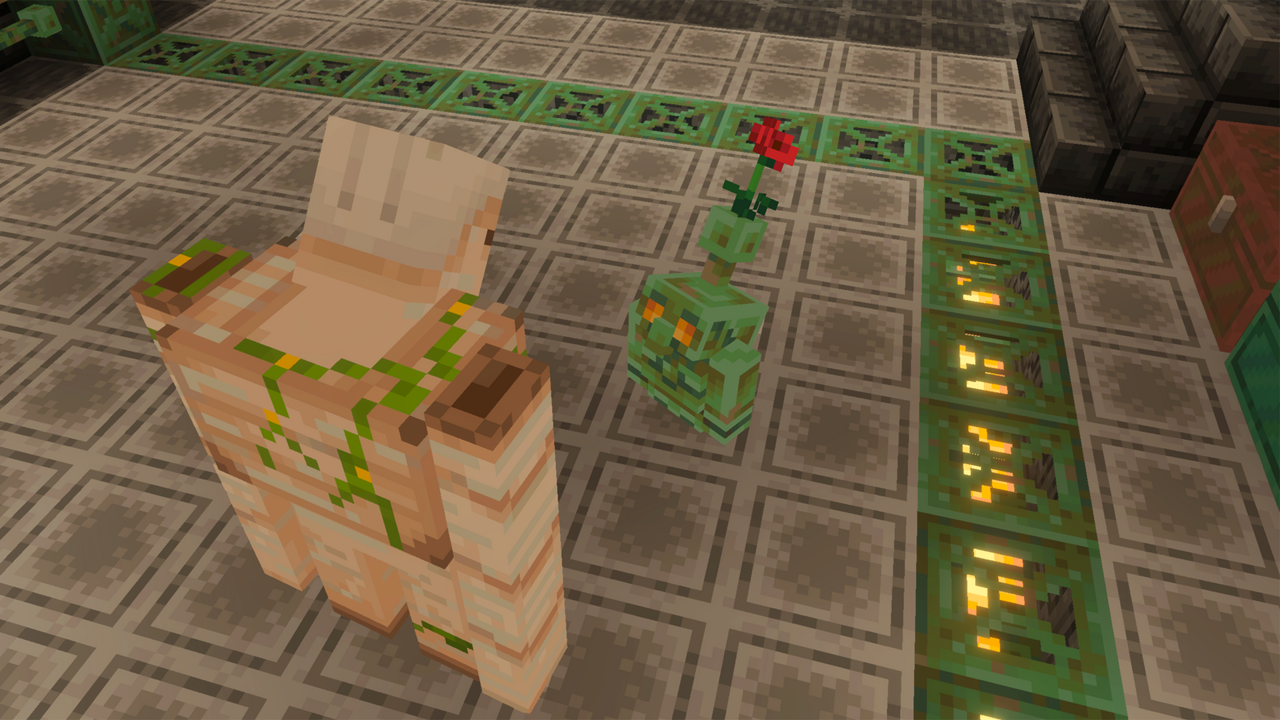
Minecraft's upcoming Copper Age update, releasing on September 30, introduces copper armor, tools, chests, golems, statues, new decorative blocks like lanterns and shelves, and redstone-compatible copper golem statues, expanding gameplay and customization options.
Minecraft's 'Copper Age' update is set to release on September 30, 2025, introducing new features such as copper golems, oxidizing copper objects, copper chests, new tools and weapons, and shelves for organization, adding more decorative and functional options for players.
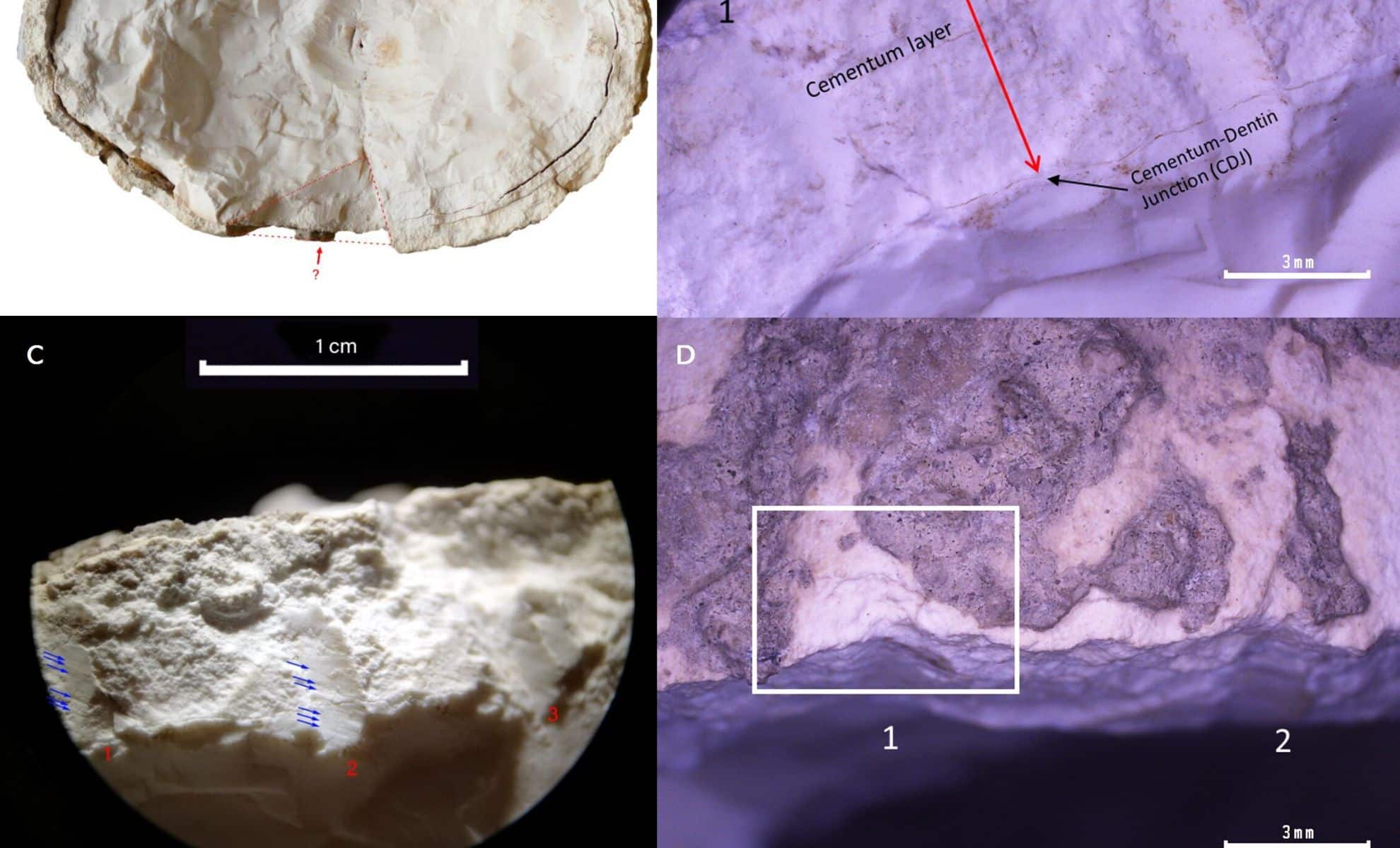
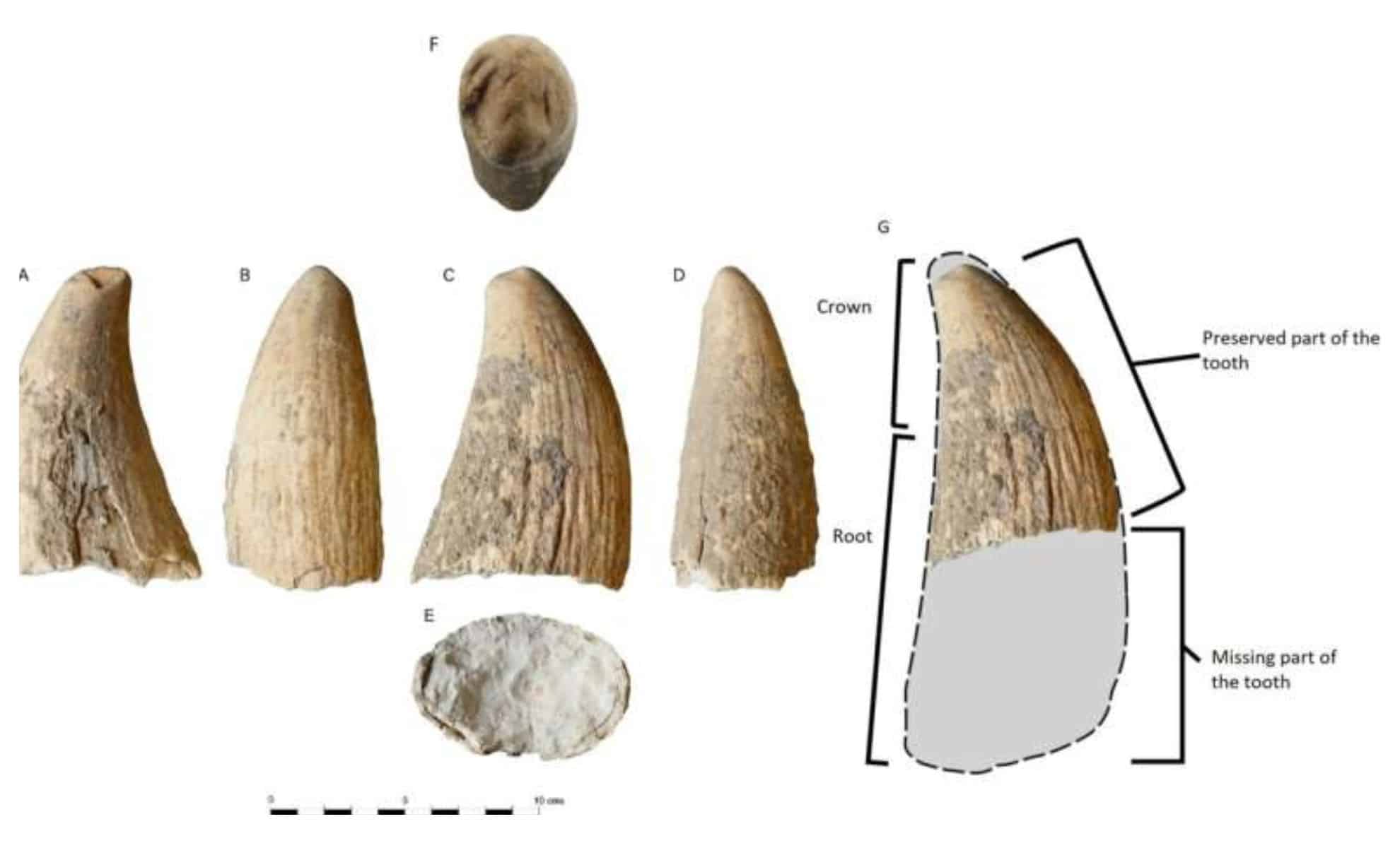
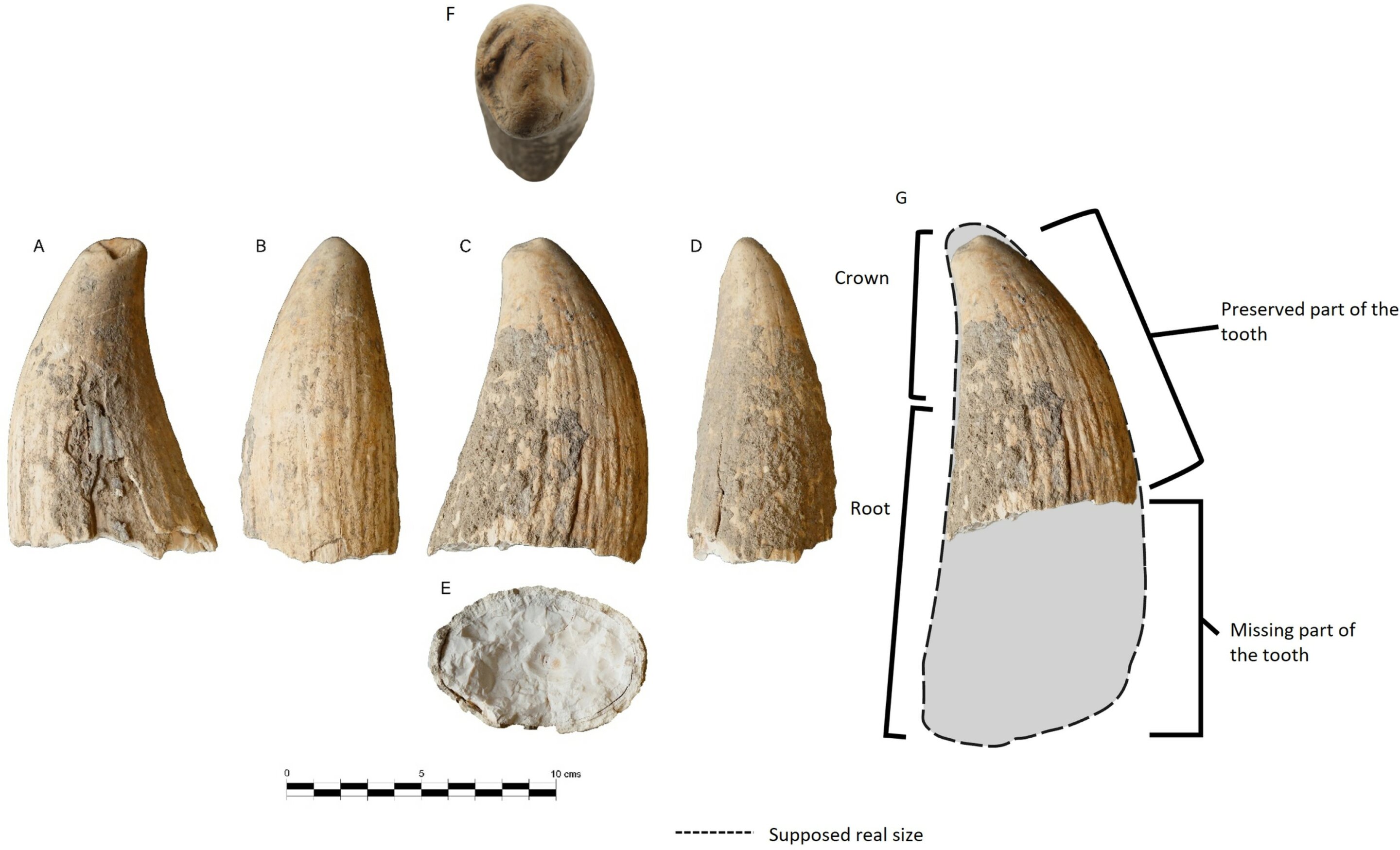
Archaeologists in Spain discovered a rare sperm whale tooth from the 3rd millennium BCE at Valencina, shedding light on prehistoric Iberian rituals and their connection to marine life, highlighting its cultural significance and possible role in ancient ceremonies.
Archaeologists discovered a 4,000-5,000-year-old infant's remains in Italy, revealing rare European genetic links through advanced DNA analysis, suggesting long-distance prehistoric connections across Europe.
A rare sperm whale tooth found at a Copper Age site in Spain reveals early Iberian communities' interactions with the sea, highlighting their use of marine resources for symbolic and practical purposes, and providing new insights into prehistoric human-sea relationships.
A rare sperm whale tooth dating back to 5,300-4,150 years ago was discovered at a Copper Age site in Spain, providing new insights into ancient human interactions with marine life and sea-based activities, with evidence suggesting it was worked on by humans for ornaments or symbolic purposes.
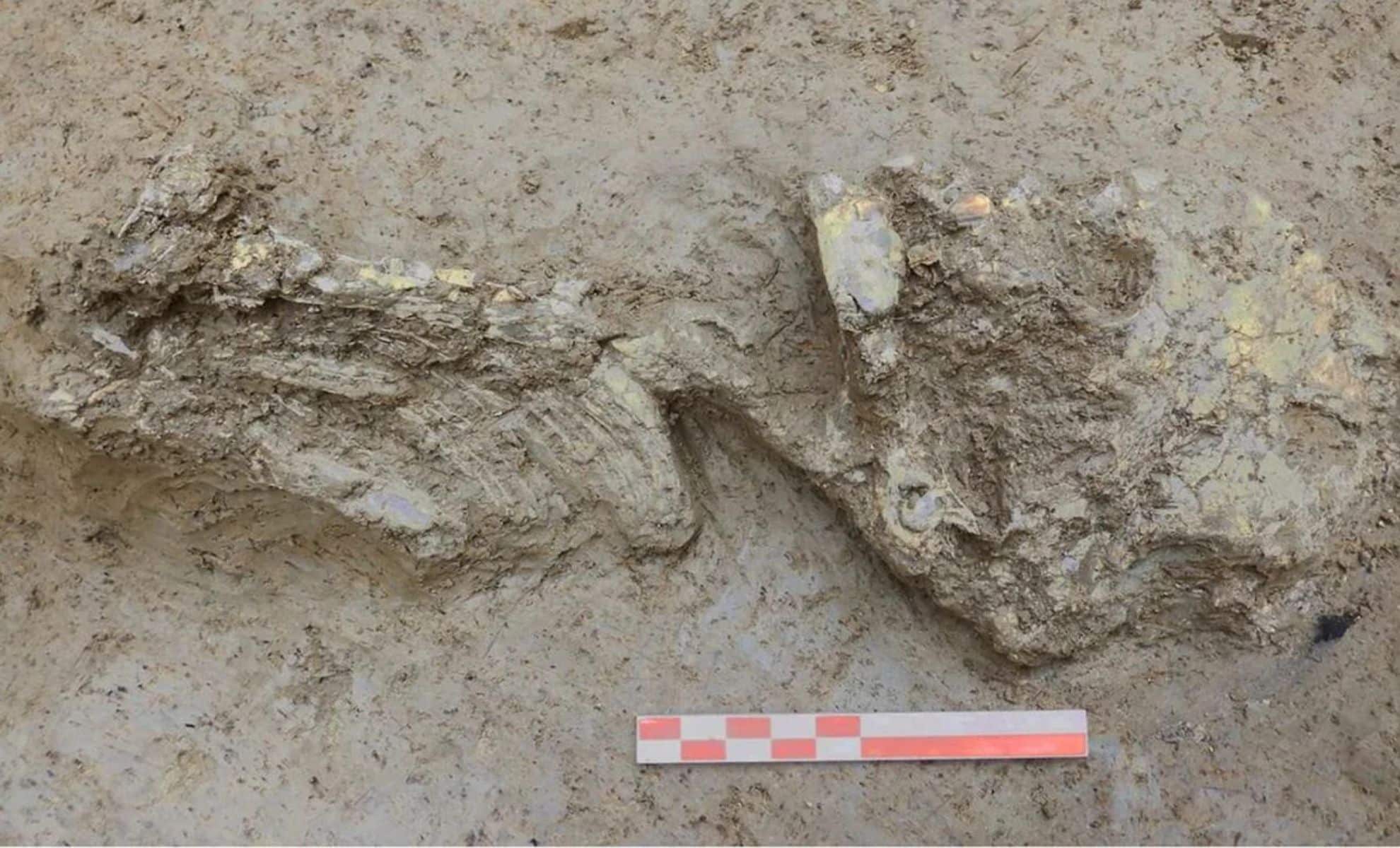
Archaeologists in Italy have discovered a Copper Age necropolis in San Giorgio Bigarello containing 22 tombs with well-preserved human remains and a variety of weapons, including flint daggers and arrowheads. The burial site, dating back 5,000 years, also contained burial goods such as soapstone bead necklaces. The skeletons were found buried on their left sides with legs bent, similar to another Copper Age culture in northern Italy. The presence of weapons suggests that many of the individuals buried were warriors, and researchers are now analyzing the DNA in the skeletons to learn more about the identities of those interred at the site.
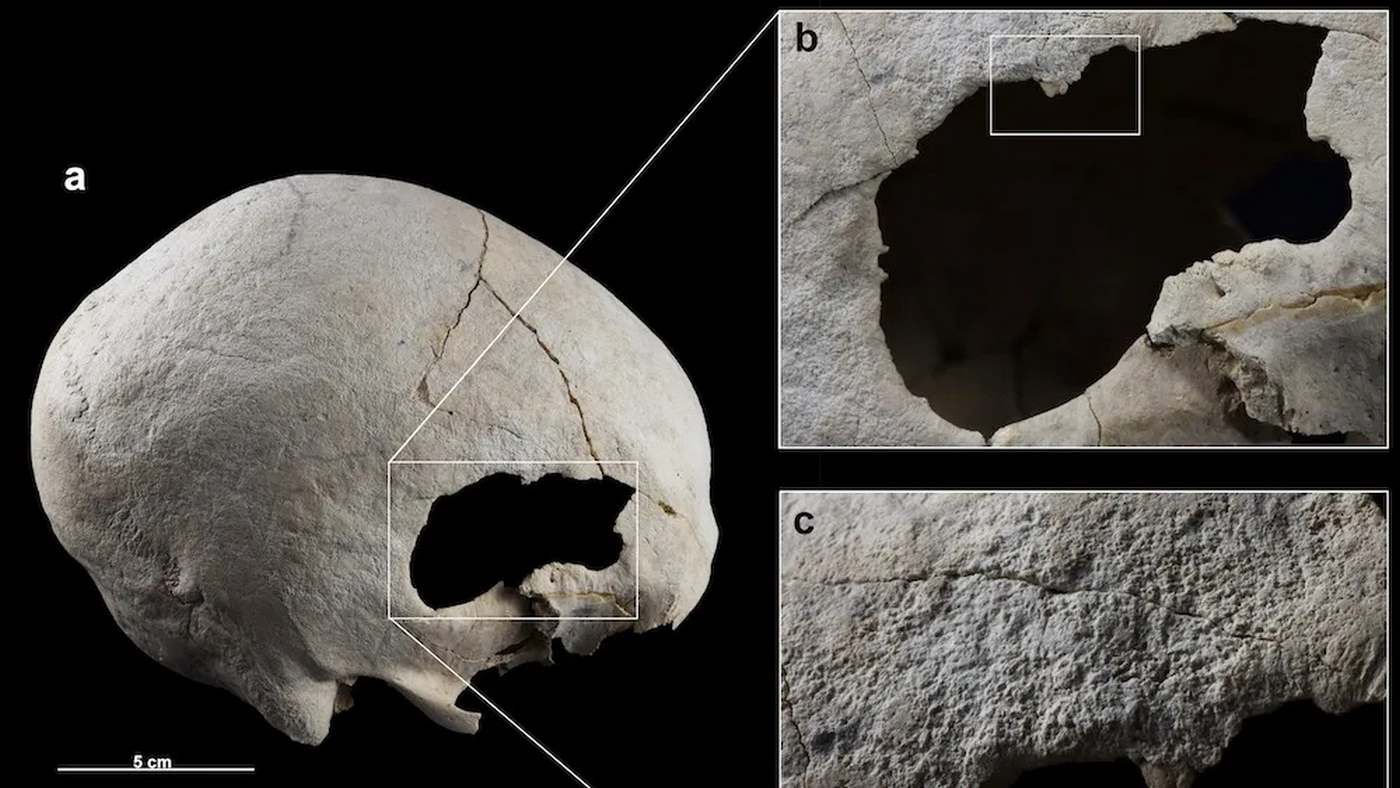
Archaeological remains from Spain have revealed that a woman from the late Neolithic/early Copper Age underwent two cranial surgeries during her adult life. The trepanations, or surgical entries into the cranium, were expertly made and aimed to access the outermost layer of tissue surrounding the brain and spinal cord. The surgeries were not the result of violence or ritual cannibalism, as the areas around the trepanations were clean, and the woman lived for months after the second procedure. This discovery showcases the medical knowledge and value placed on life in primitive societies during that time.
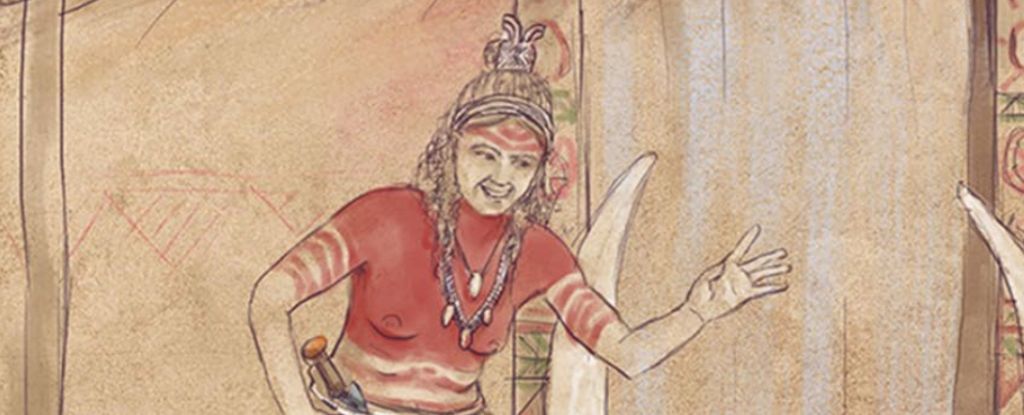
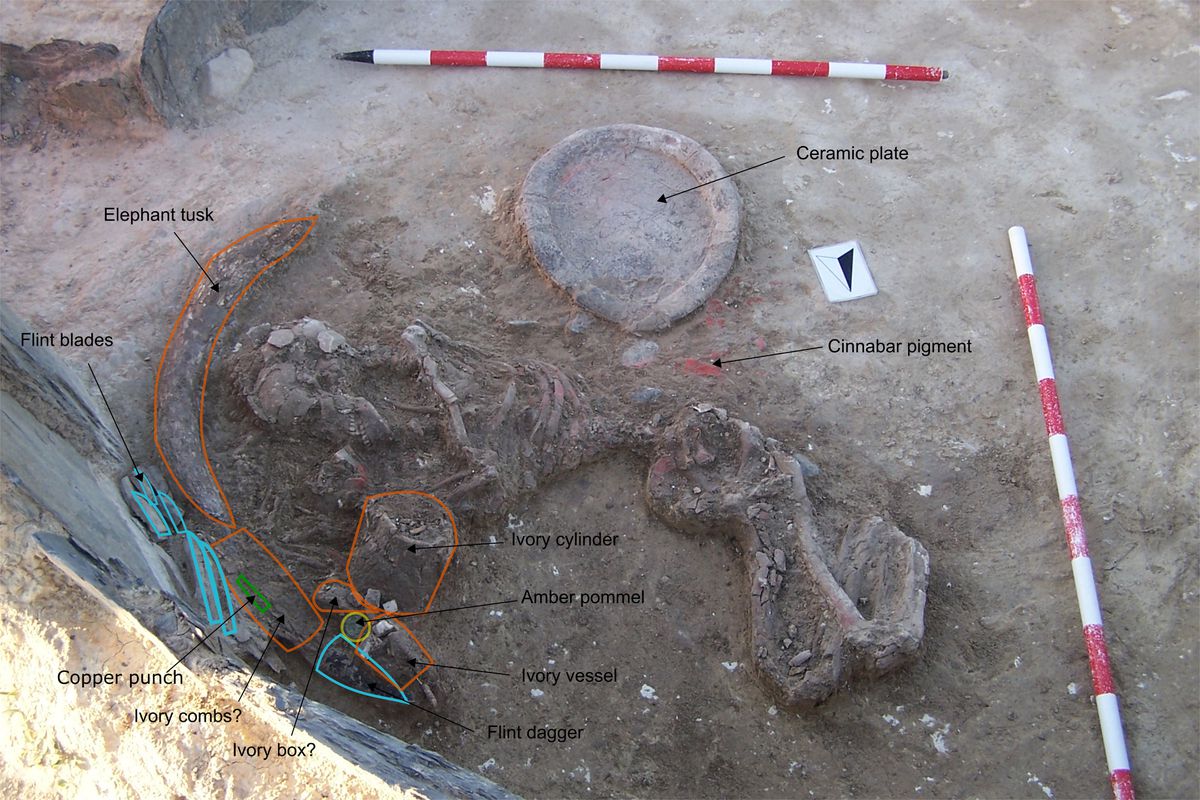
A burial site from the Copper Age in southwest Spain, previously believed to be the resting place of a young male leader, has been revealed to belong to a female ruler known as the 'Ivory Lady'. The discovery challenges the assumption of a male-centered society and suggests the existence of a matriarchal society in ancient Europe. The tomb contained a diverse array of precious objects, indicating the Ivory Lady's high social status. Another nearby burial site with similar wealth and pomp also contained mostly women, suggesting the presence of a group of religious specialists. The findings prompt a reevaluation of power dynamics, social complexity, and gender roles in early complex societies.
Researchers at the universities of Seville and Vienna have discovered evidence of a powerful female leader in ancient Iberia, challenging previous assumptions about the political role of women in early complex societies. The woman, known as the "Ivory Lady," was buried alone with a luxurious funeral trousseau, including a large ceramic dish, a copper awl, and multiple flint and ivory objects. The discovery suggests that social status during the Copper Age was achieved through personal merit rather than inherited. The findings shed new light on gender dynamics and social hierarchization in the Iberian Peninsula during this period.