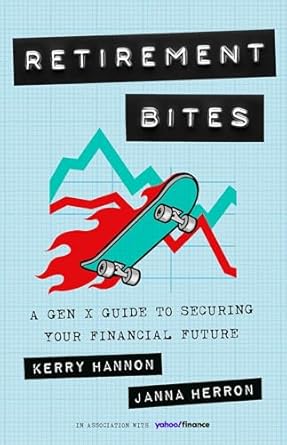
Many Generation X individuals face financial challenges for retirement, with low savings, lack of confidence, and a shift away from pensions towards 401(k)s, which have historically been less robust, leading to concerns about outliving savings and postponing retirement.
A study published in Annals of Internal Medicine reports a significant rise in appendix cancer among Millennials and Generation X, with rates more than tripling and quadrupling respectively, possibly due to environmental, lifestyle, and genetic factors, highlighting the need for further research and improved screening protocols.
A study links childhood exposure to leaded gasoline to 151 million excess cases of mental illness in the U.S., particularly affecting those born between 1966 and 1986. The research suggests that lead exposure from car exhaust has significantly contributed to increased rates of anxiety, depression, and ADHD. Although the study establishes an association rather than causation, it highlights the long-term mental health impacts of lead exposure, which was prevalent before leaded gasoline was banned in 1996. The findings underscore the ongoing risks of lead exposure from other sources like water pipes and old paint.
A study links childhood lead exposure from leaded gasoline, prevalent between 1960 and 1990, to 151 million excess mental illness cases by 2015, with Generation X most affected. This highlights the long-term public health impact of environmental toxins and the need for proactive regulation to prevent similar issues.
A new study by the National Cancer Institute projects that Generation X will face higher cancer rates at age 60 compared to Baby Boomers, with increases in various types of cancer such as thyroid, kidney, and colorectal cancers. Factors like early detection, obesity, sedentary lifestyles, and environmental pollutants may contribute to this rise. The study highlights the need for continued investment in cancer prevention research.
Despite facing financial setbacks from the dot-com bust to COVID, the average millennial expects to retire before 60, with surveys showing that many plan to retire between 51 and 60. However, they have saved only a small fraction of the $1.65 million they believe they will need for a comfortable retirement, leaving a significant "retirement gap." While millennials seem to be planning for retirement earlier than older generations, many struggle to save due to high living expenses, student loans, and economic challenges. Financial experts emphasize the need for aggressive saving and low personal expenditures to retire comfortably at 55, but the reality is that many millennials are starting much farther behind and face a retirement dilemma.
A new study led by Jon D. Miller from the University of Michigan reveals that the attitudes of Generation X Americans toward evolution evolved as they aged, with uncertainty in middle and high school solidifying into more defined beliefs as they entered adulthood. Factors such as education and fundamentalist religious beliefs strongly influenced acceptance or rejection of evolution. The study, published in the journal Public Understanding of Science, used data collected over 33 years from about 5,000 Generation X participants, shedding light on the development of attitudes toward evolution in the same individuals over formative decades.
As Generation Xers approach retirement, many are considering where to live in their later years. With a focus on aging in place, they are seeking homes with features such as single-story layouts, health and wellness amenities, and technology integration. Some are also accommodating multigenerational households and prioritizing space for potential caregiving needs. As they navigate the housing market, Gen Xers are leveraging their wealth and market power to secure homes that will meet their needs for the long term.
As the oldest members of Generation X approach retirement, they are already considering where they will live in their later years. Many are seeking homes better suited to their needs, with a focus on single-story layouts and features that will support aging in place. The desire to grow older in one's own home is common among many generations, and there is a growing demand for maintaining quality of life as people age.
A study based on data from 3,000 participants has revealed that human brains, particularly those of Generation X, are increasing in size, which could potentially reduce the risk of dementia in younger generations. The research, led by the University of California Davis, found that factors such as health, social, cultural, and educational influences may contribute to this trend. The increased brain size is seen as a potential buffer against aging-related diseases, aligning with recent trends showing a decrease in dementia incidence in younger generations due to healthier lifestyles and upbringing.
Generation X and millennials are set to inherit trillions of dollars from their baby boomer parents over the next 20 years, potentially alleviating financial struggles for many. However, this transfer of wealth could exacerbate income inequality. Financial planning and education are crucial for the recipients, and families are advised to have open and honest conversations about the wealth transfer, including setting up estate plans and discussing values and goals for the inherited assets.
A survey by Achieve, a digital personal finance company, reveals that two-fifths of baby boomers and Generation X Americans do not have a savings account, highlighting a growing sense of economic disillusionment amid reduced saving and increasing debt. Only 60 percent of respondents have a savings account, with more than one-third of them holding less than $1,000. The personal savings rate in the US has dropped to 4.3 percent, with Americans saving less than 5 percent of disposable income. Rising inflation, interest rates, and looming student loan debt have contributed to financial insecurity, leading to a decline in confidence in financial prospects. Only 11 percent of Americans believe they are living in financial freedom, with the majority equating it to living debt-free and comfortably meeting financial obligations.
The 'Righteous Memes from Generation X' Facebook group captures the essence of Gen X through memes, offering a nostalgic glimpse into the trends, products, shows, and cultural icons that dominated their lives. Gen Xers, born between 1965 and 1980, enjoy memes that reflect their unique experiences and technological advancements. However, they may face financial challenges, with lower retirement savings compared to Baby Boomers and Millennials. The Facebook group, with over 92k members, focuses on fun and relevant content while avoiding politics and generation-bashing. While nostalgia can be positive, excessive longing for the past can hinder personal growth.
Generation X workers, born between 1964 and 1980, are experiencing a growing share of unemployment in the United States, representing a quarter of the unemployed population as of May. Despite a strong labor market and job growth, the prolonged unemployment faced by Gen Xers can have far-reaching effects on their retirement savings and future earnings. This economic anxiety among Gen Xers may impact Democrats' ability to sell the economy to voters, and the Federal Reserve's interest rate hikes could further stress the labor market. However, there are still more job openings than workers, and average wages have risen over the past year.
A study by Nottingham Business School reveals that Generation X women experience age in seven distinct ways, influenced by factors such as caring responsibilities and menopause. These 'frames' of aging range from viewing age as an attitude to rejecting it as a cultural construct. The study highlights the challenges for marketers in targeting this demographic, as traditional age-based categorization may not be appropriate. GenX women are a sizable and attractive market, but their diverse perspectives on aging require a more nuanced approach.