Rodrigo Paz was sworn in as Bolivia's new president amid ongoing economic turmoil, including fuel shortages and high food prices, after defeating his opponent in a runoff election. He aims to implement gradual reforms, seek international assistance, and improve relations with the U.S. to stabilize the country's economy and restore democracy.
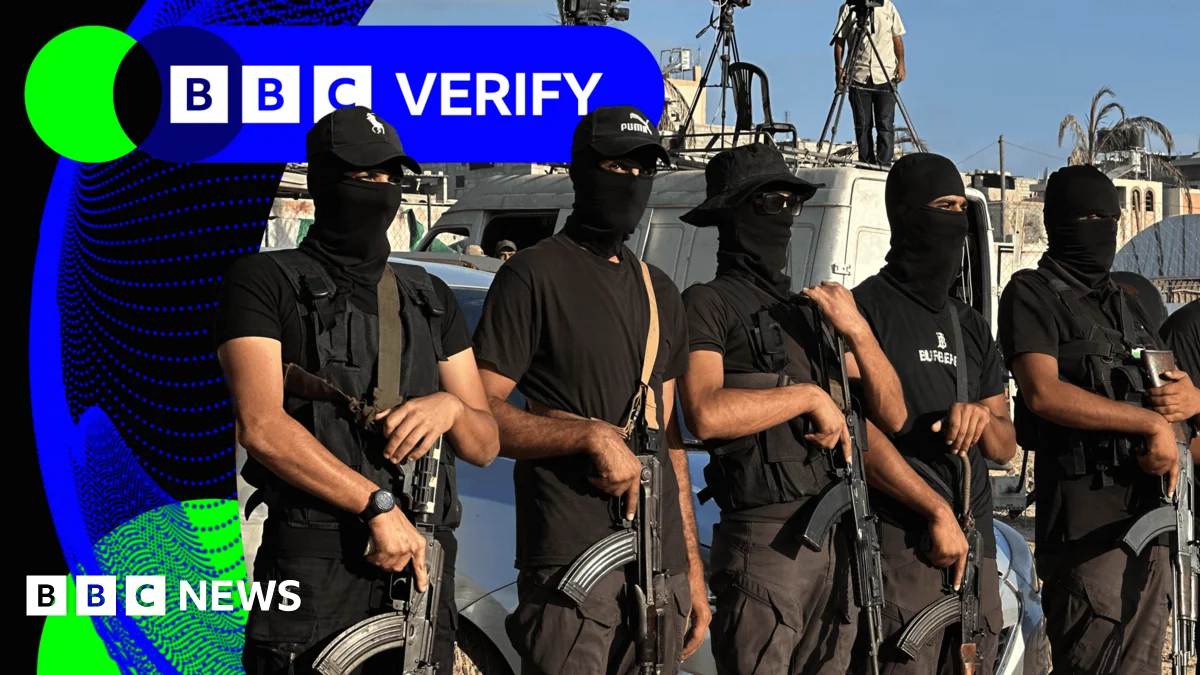
BBC Verify reports on a graphic public execution in Gaza City carried out by Hamas gunmen amid ongoing internal violence, and verifies videos showing fuel shortages in Russia and Crimea possibly linked to Ukraine's strikes on Russian oil infrastructure.
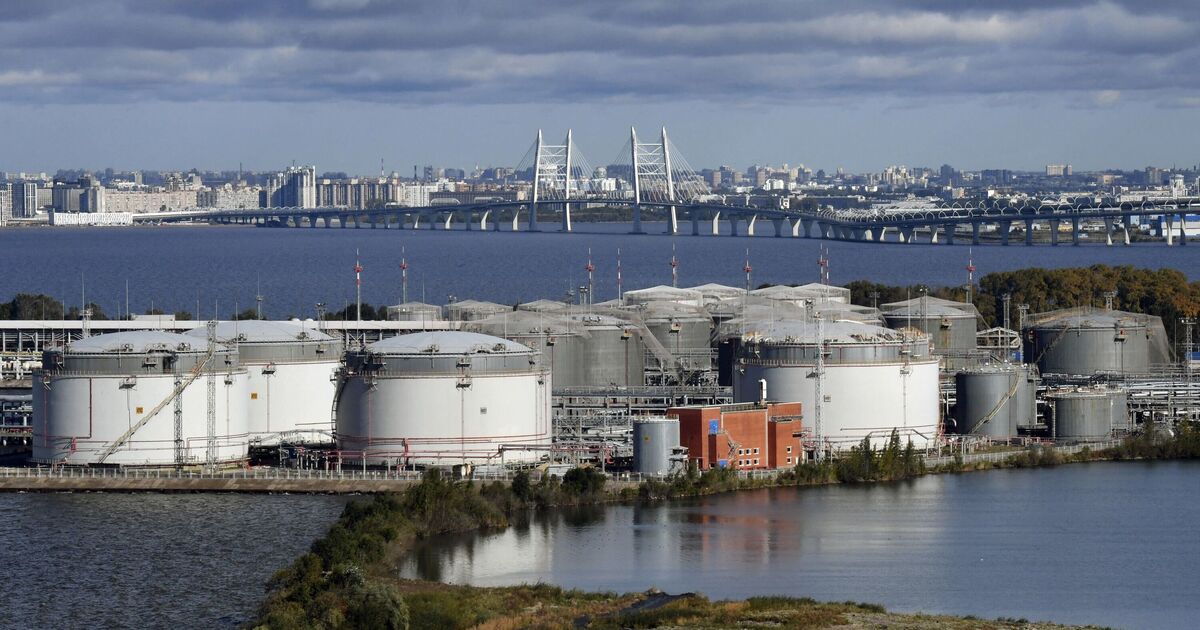
Ukrainian missile strikes on Russian oil infrastructure have severely disrupted Russia's oil supply, causing fuel shortages and impacting the economy, as Ukraine targets key sites to weaken Russia's war effort.
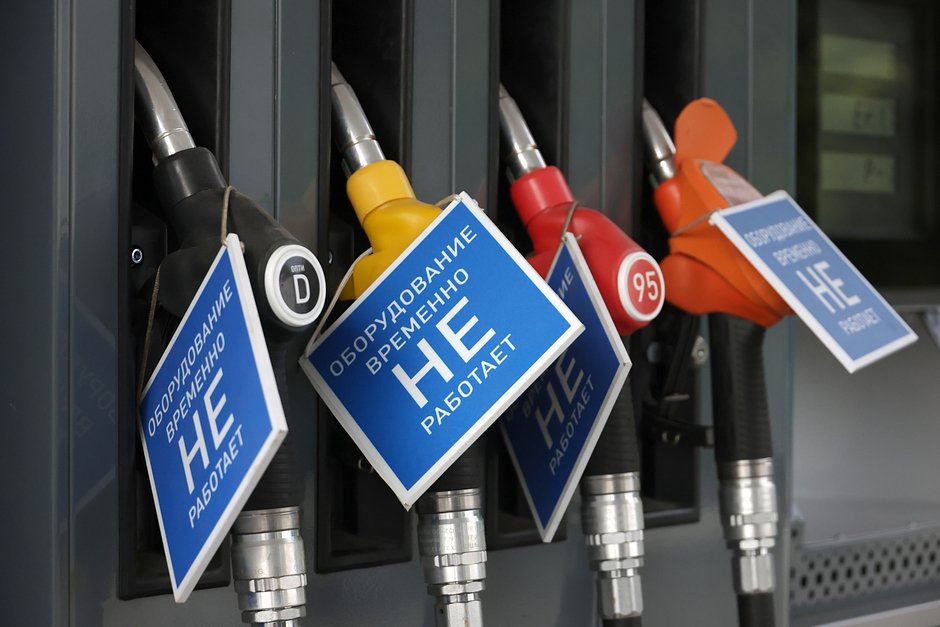
Ukraine's targeted strikes on Russian oil refineries are causing widespread fuel shortages across Russia, including remote areas like the Kuril Islands, prompting Moscow to seek emergency fuel supplies from Belarus and leading to record-high gasoline prices domestically.
Ukrainian drone strikes have significantly damaged Russian oil refineries in the Far East, causing fuel shortages, long lines at gas stations, and record-high gasoline prices, with the crisis exacerbated by seasonal demand and logistical delays.
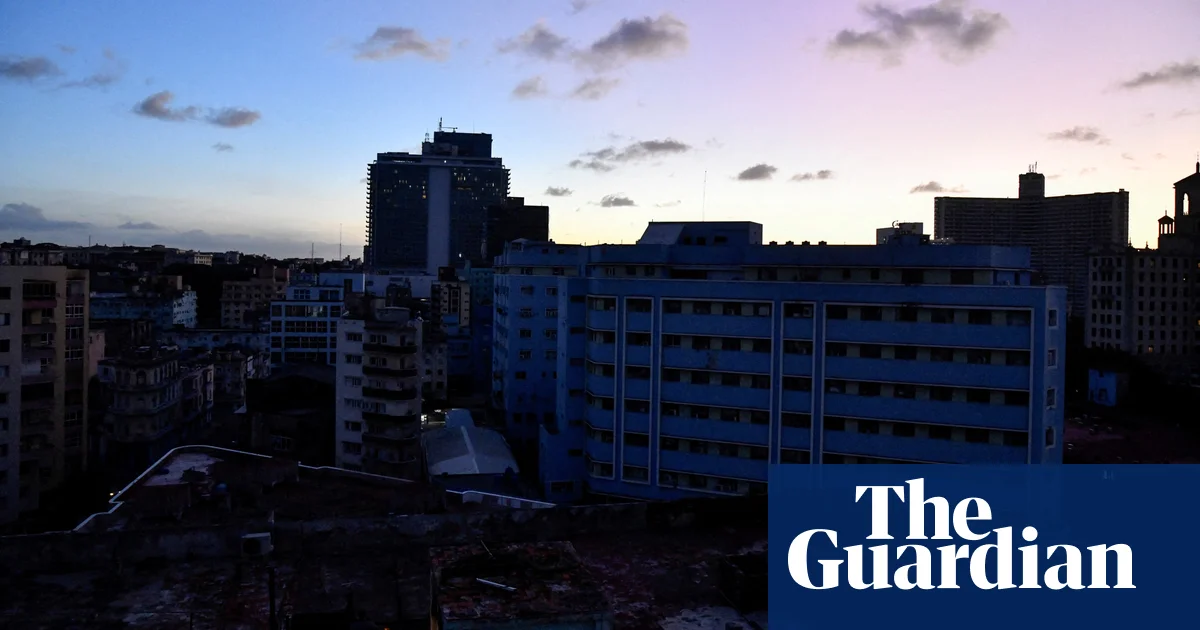
A major power outage in Cuba occurred after the failure of the Antonio Guiteras Thermoelectric Plant, leaving millions without electricity and disrupting daily life. The incident is part of a series of blackouts caused by aging infrastructure and fuel shortages, exacerbated by U.S. sanctions. Efforts to upgrade the power grid with solar energy are underway, but the island continues to face economic challenges, including food and fuel shortages, inflation, and emigration.
Cuba's national electrical grid collapsed after the failure of its largest power plant, Antonio Guiteras, amid ongoing fuel shortages and economic challenges. This latest outage left Havana and potentially the entire island without power, highlighting the country's struggle with obsolete oil-fired power plants and dwindling oil imports from Venezuela, Russia, and Mexico. The government is working to restore the grid, which has faced multiple failures in recent months due to natural disasters and fuel supply issues.
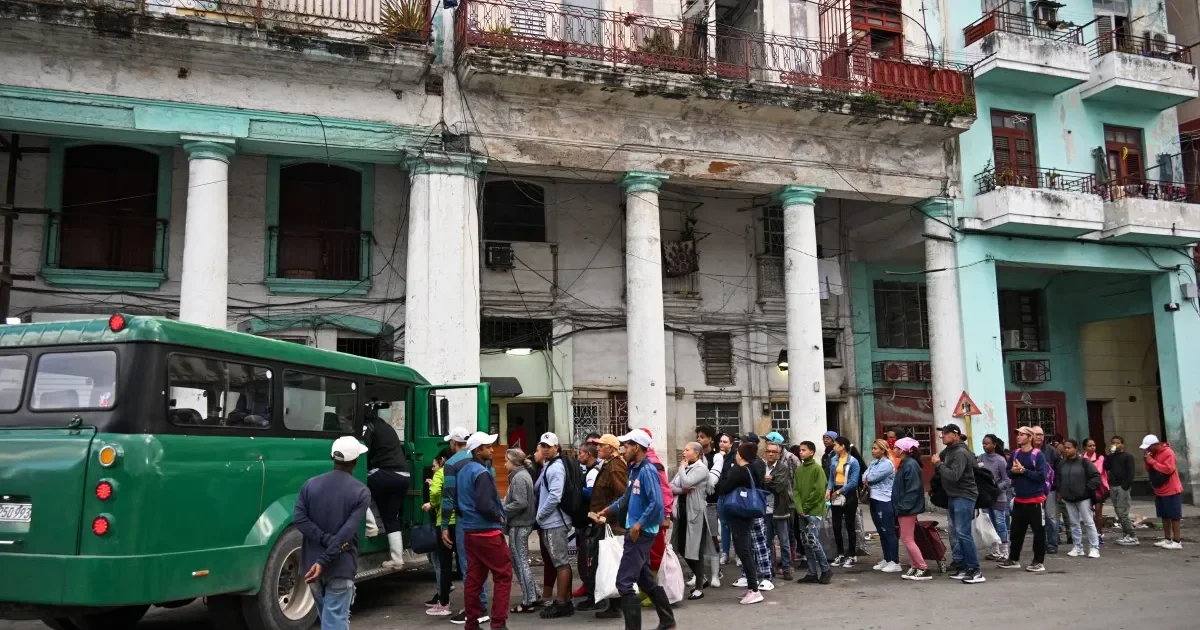
Cuban ministers have revealed the extent of the economic crisis in the country, with food production, pharmaceutical supply, and transportation down by at least 50% since 2018. Chronic fuel shortages and power outages have contributed to the decline, along with the impact of the pandemic, U.S. sanctions, and a decline in tourism. Staple foods like pork, rice, and beans have seen production drop by over 80% this year, while hospitals are facing shortages of basic supplies. Public transportation has also been severely affected, with a significant decrease in the number of buses operating. The Cuban government acknowledges the need for economic reform but is hampered by a lack of funds.
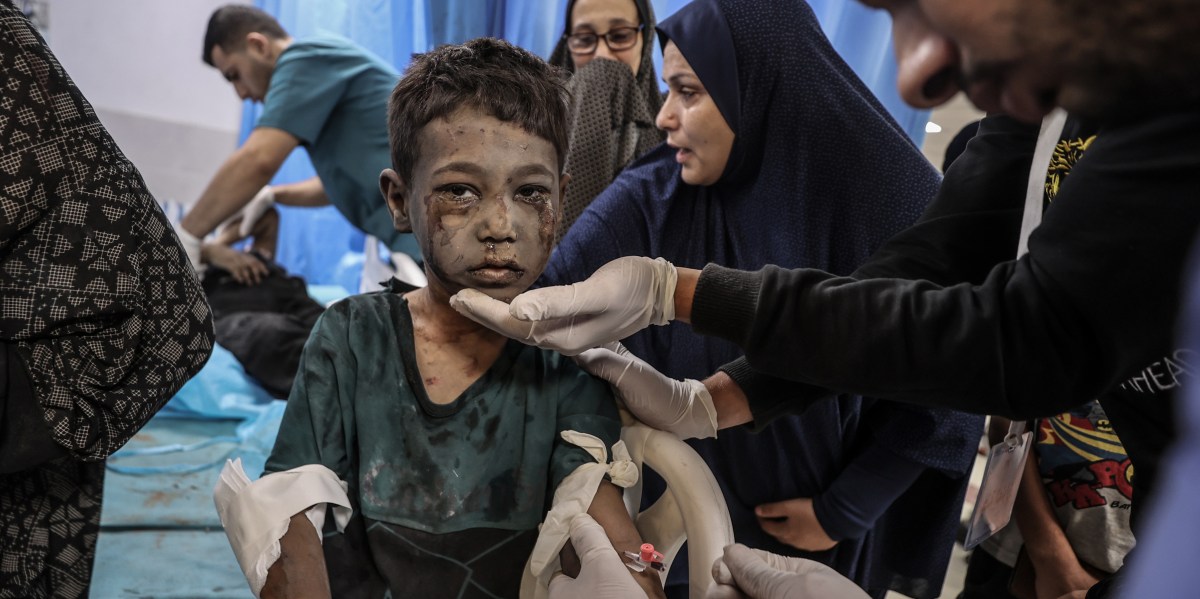
The Israeli assault on Gaza has caused the health sector to collapse, with over half of the hospitals closed and the remaining ones on the brink of closure due to power cuts, fuel shortages, and lack of medical supplies. Pregnant women and infants are particularly vulnerable, as power interruptions put neonatal care at risk. Cancer patients are also suffering, with hospitals running out of essential medicines. The blockade and limited aid have further exacerbated the dire situation, leaving hospitals without basic supplies. The ongoing war and siege have left thousands of people in Gaza in desperate need of medical care.
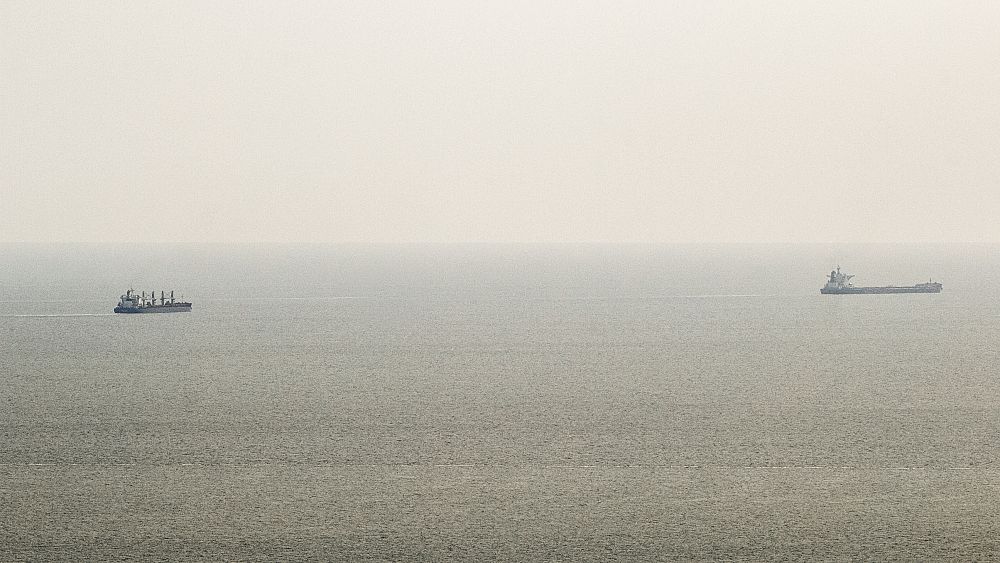
A second Ukrainian wheat cargo ship has successfully arrived in Istanbul via the Black Sea, despite threats from Moscow to attack boats entering and leaving Ukraine. This comes as Russia suffers from fuel shortages, which are likely caused by factors such as increased demand from the agricultural sector, refinery maintenance, and attractive prices. Russia suspended most diesel and petrol exports to stabilize its internal markets, further constraining supplies in a tight global market and impacting countries dependent on Russian fuel supplies.
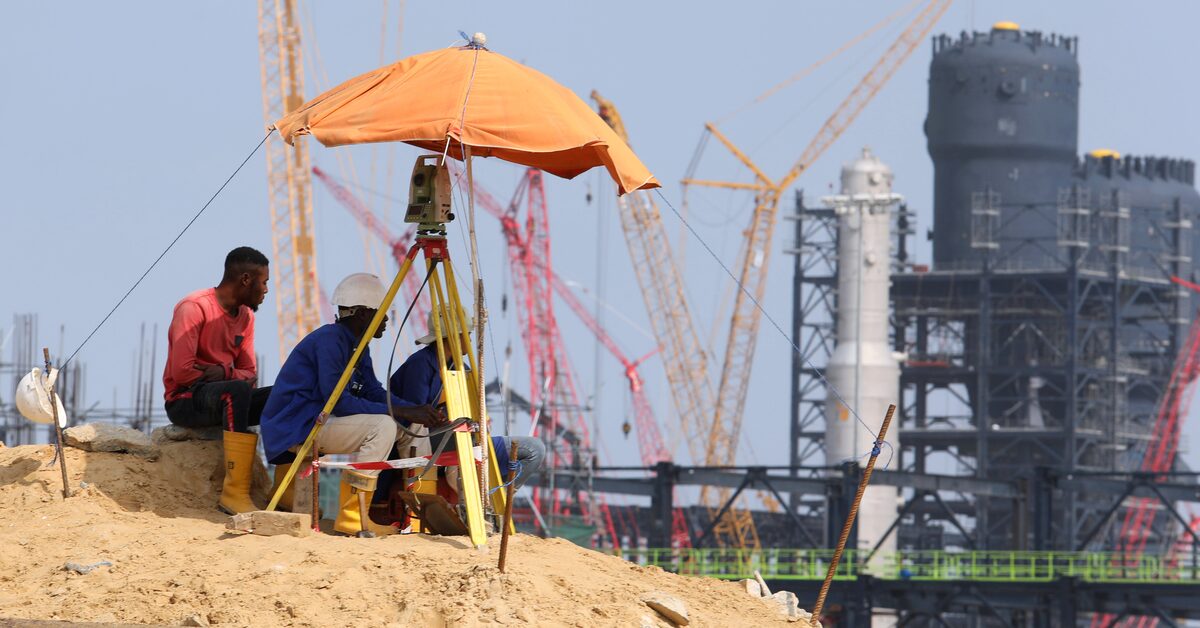
Nigeria's Dangote Petroleum Refinery, one of the country's single largest investments, will be commissioned on Monday, but a lack of crude supply poses a major risk to it achieving full production. Despite being Africa's biggest oil producer, Nigeria imports petrol, diesel and processed petroleum products because its refineries were run down over the years. The refinery needs a constant supply of crude but Nigeria's oil production has been declining due to oil theft, vandalism of pipelines and underinvestment.
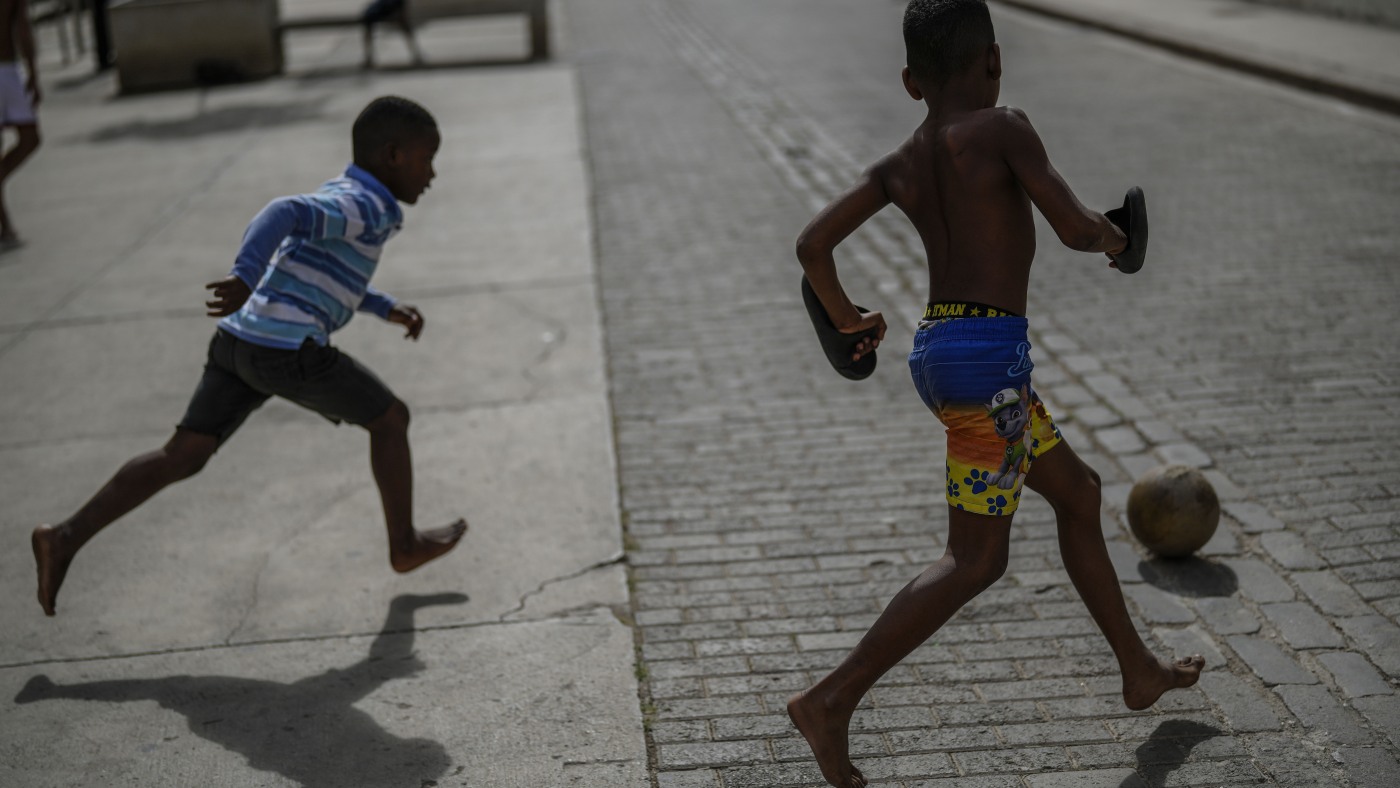
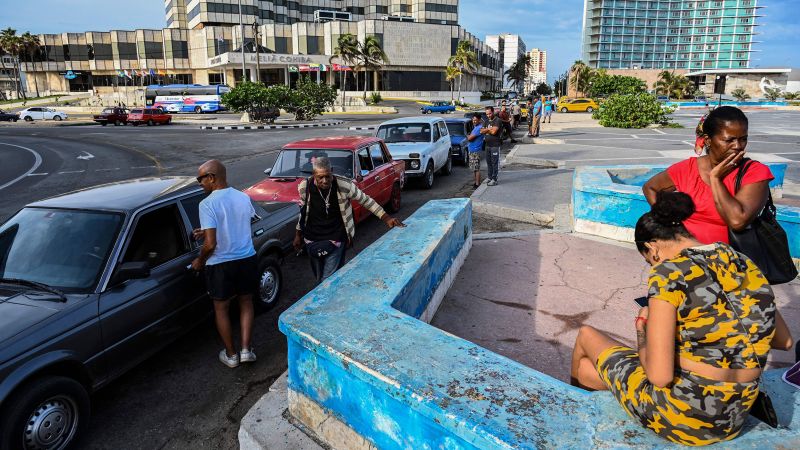
Cuba is facing its worst fuel shortages in years, with long lines at gas stations and empty roads. The communist government has blamed US sanctions and the failure of traditional oil suppliers, including Venezuela. The fuel crisis has exacerbated economic difficulties in the country, including a slump in tourism and soaring inflation. Late-night fistfights have broken out at gas stations, and the government has cancelled the traditional May Day parade due to the fuel shortages.