Ukrainian Attacks Deepen Russia's Fuel Crisis
Ukraine is escalating its drone attacks on Russian energy infrastructure, damaging refineries and fuel distribution systems across Russia, which is intensifying the Kremlin's fuel crisis.

All articles tagged with #fuel crisis
Ukraine is escalating its drone attacks on Russian energy infrastructure, damaging refineries and fuel distribution systems across Russia, which is intensifying the Kremlin's fuel crisis.
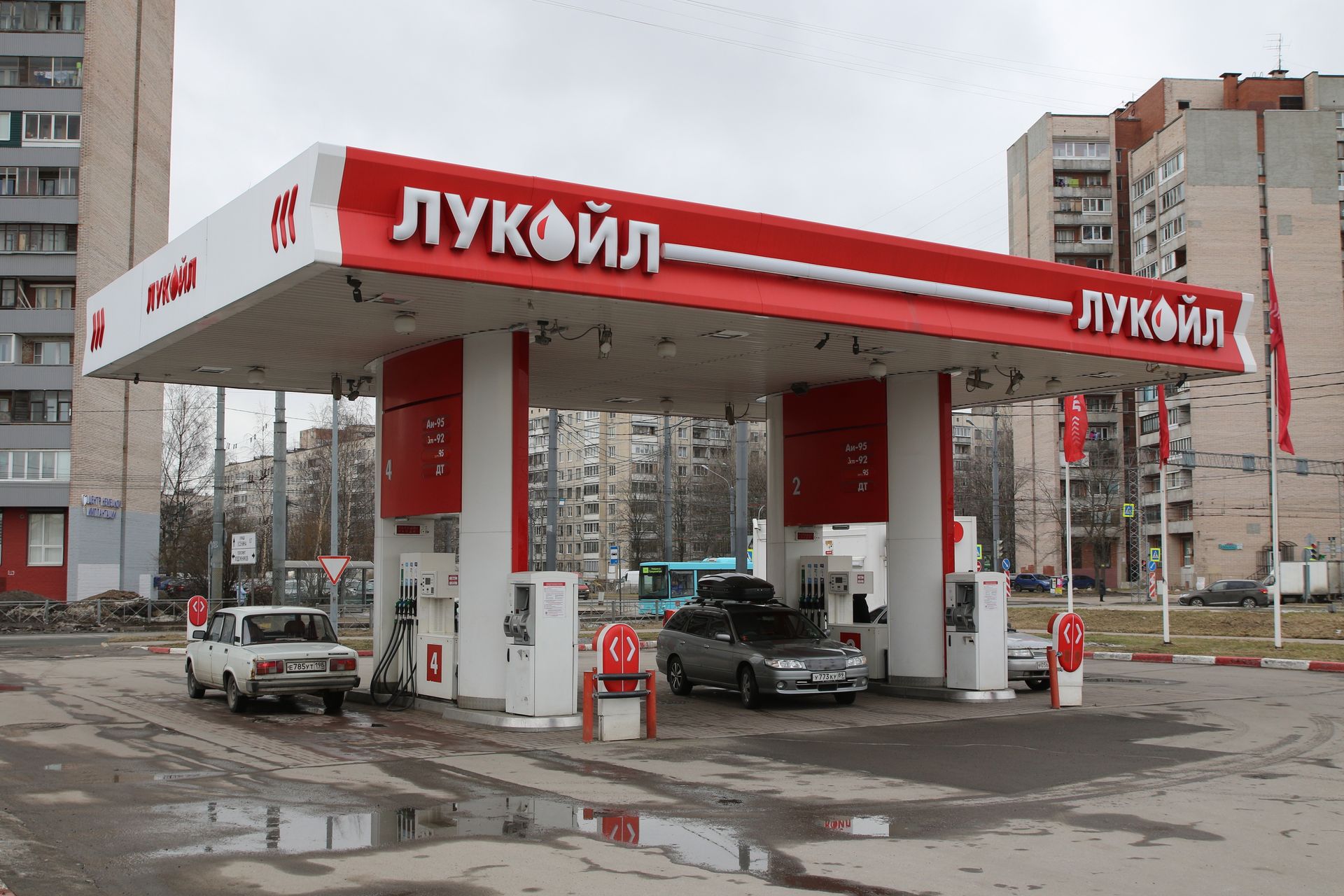
The fuel supply crisis in occupied Crimea has worsened, with half of the gas stations halting sales due to supply disruptions, exacerbated by Ukrainian drone attacks on Russian oil refineries. Russia has extended its export ban on gasoline and diesel to manage shortages amid ongoing tensions and economic struggles.
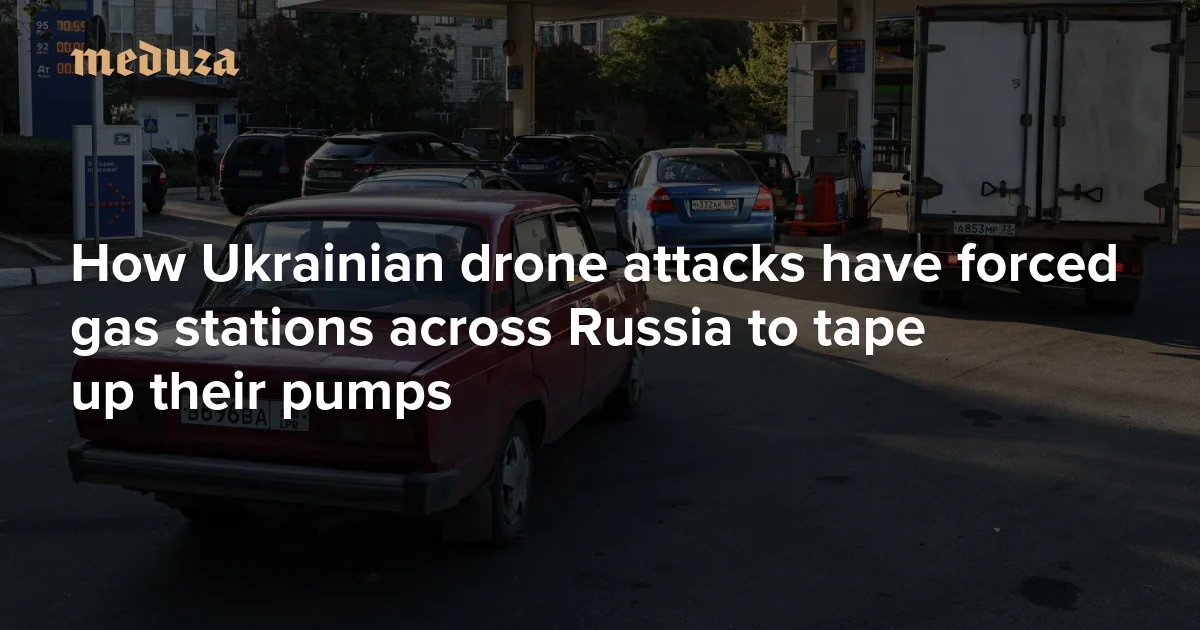
Since late summer, Russian regions have faced gasoline shortages and rising prices due to Ukrainian drone strikes damaging refineries, with independent gas stations hit hardest and shortages expected to persist until October, though experts believe the situation remains manageable.

Russia's economy is slowing down due to a combination of factors including a fuel shortage caused by Ukrainian drone attacks on refineries, high defense spending, and inflation, which could lead to stagnation or recession, impacting the population and government finances.
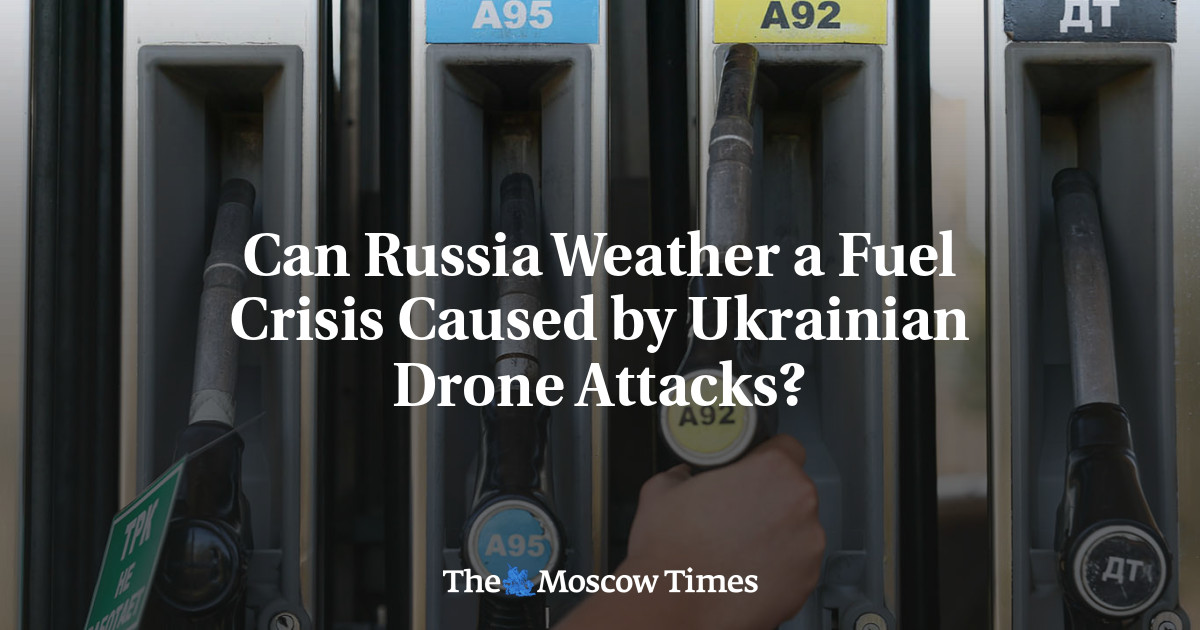
Russia is experiencing a gasoline shortage exacerbated by Ukrainian drone attacks on refineries, which have damaged multiple facilities and increased domestic fuel prices. Despite these disruptions, Russia's large fuel reserves, surplus diesel production, and the ability to import fuel help mitigate a full-scale crisis, though the situation remains challenging and could worsen if attacks continue or escalate.

Ukrainian drone strikes on Russian oil infrastructure have caused a severe fuel shortage across Russia, disrupting refining capacity and leading to record-high fuel prices and long queues, especially in remote regions, with the crisis expected to persist into winter.

Russia's economy faces increasing pressure due to ongoing conflict in Ukraine, with measures like ATM withdrawal limits, disruptions in mobile and internet services, a record-high cash circulation, a worsening fuel crisis, and a record budget deficit, prompting fears of economic contraction and potential tax hikes.

Doctors in Gaza are forced to cram multiple babies into one incubator due to critical fuel shortages that are shutting down hospitals and vital services, exacerbating an ongoing humanitarian crisis worsened by a blockade and limited aid, with urgent calls for the entry of fuel and humanitarian aid to prevent further loss of life.
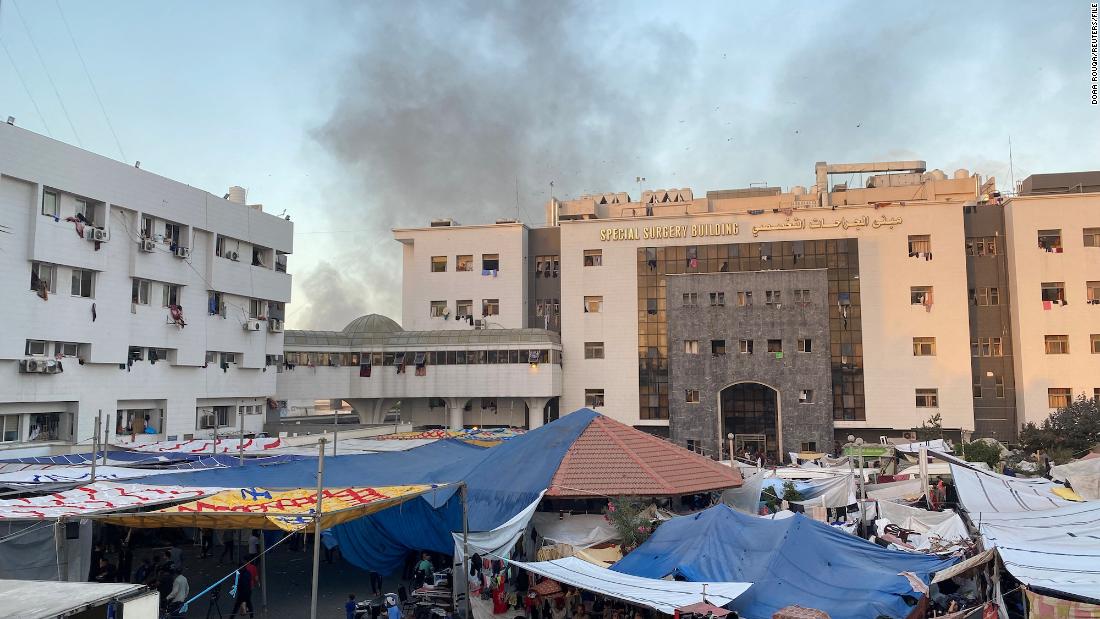
The Israeli military is tightening its grip on northern Gaza as the war with Hamas continues, with indications of a possible ground offensive in the southern part of the enclave. The lack of fuel has led to dire conditions in hospitals, where ICU patients have died and surgeries have been halted. Negotiations are ongoing to release hostages, as at least two hostages were found dead in Gaza. The International Criminal Court has received a referral to investigate possible crimes in Palestinian territories. Internet and phone services have been partially restored in some parts of Gaza, and fuel tankers have entered Gaza following the Israeli government's approval for regular deliveries.
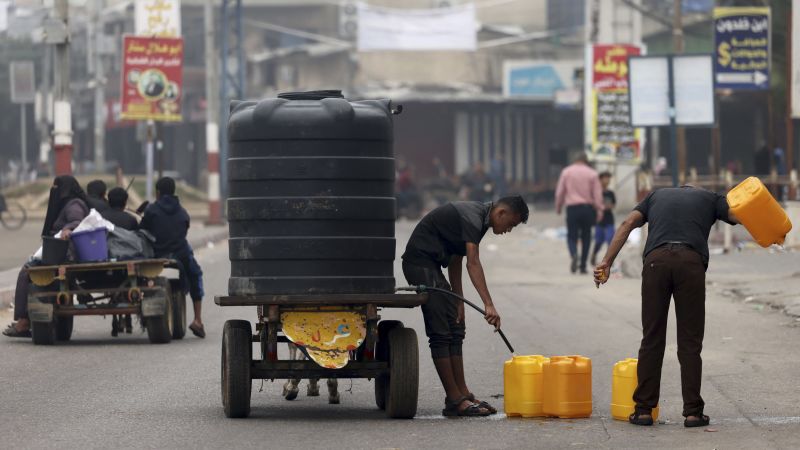
Gazans are facing a catastrophic water crisis as the fuel needed to run water systems in the Gaza Strip runs out. With water production at only 5% of normal levels, residents are forced to drink dirty, salty water, sparking concerns of a health crisis. Hospitals are struggling to sterilize surgical equipment due to the lack of water, and experts fear the spread of waterborne diseases. Israel's blockade has limited the flow of vital supplies, including water, food, and fuel, exacerbating the situation. International agencies warn that without fuel, safe drinking water will run out, leading to severe dehydration and potential deaths.