
Webb Discovers Ultra-Early Galaxy MoM-z14 That Challenges Early-Universe Theories
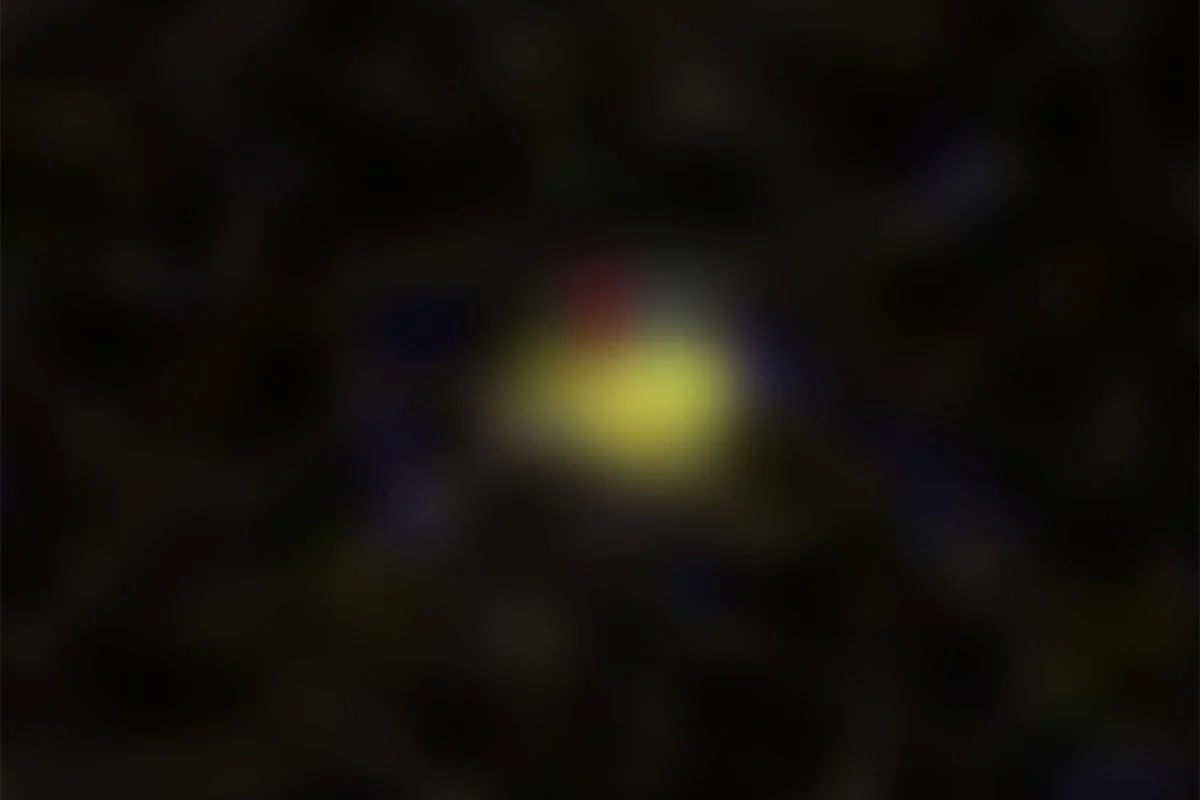
TL;DR Summary
NASA's James Webb Space Telescope identified the galaxy MoM-z14 as it appeared about 280 million years after the Big Bang (redshift 14.44), meaning light has traveled roughly 13.5 billion years. Its brightness and nitrogen enrichment exceed predictions for such an early object, challenging current models and hinting at new physics or star-formation pathways during the epoch of reionization; follow-up spectroscopy is needed to confirm details and refine our picture of the early Universe.
- Webb has done it again. New-found galaxy at the dawn of time is challenging what we know about the Universe BBC Sky at Night Magazine
- Discovery of a Galaxy at Redshift 14.4, 280-Million Years After the Big-Bang Avi Loeb – Medium
- 'Previously unimaginable': James Webb telescope breaks own record again, discovering farthest known galaxy in the universe Live Science
- "Cosmic Miracle" Confirmed: Most Distant Galaxy Ever Seen Existed 280 Million Years After The Big Bang IFLScience
- Astronomers share new insights about the early universe via the Webb Space Telescope Engadget
Reading Insights
Total Reads
1
Unique Readers
16
Time Saved
3 min
vs 4 min read
Condensed
90%
739 → 73 words
Want the full story? Read the original article
Read on BBC Sky at Night Magazine