Google DeepMind is partnering with Commonwealth Fusion Systems to use AI for accelerating fusion energy development, including simulating plasma physics and optimizing fusion reactors, as part of broader efforts to bring fusion power closer to commercial reality in the next few years.
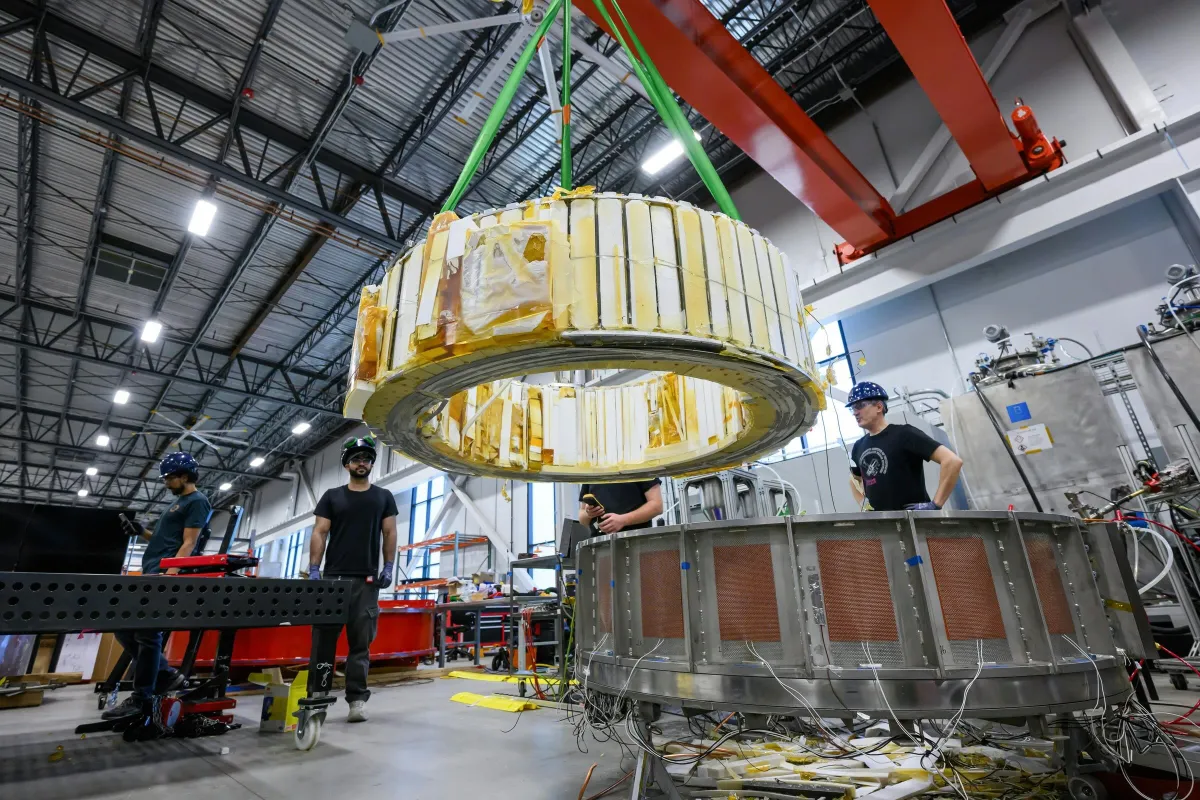
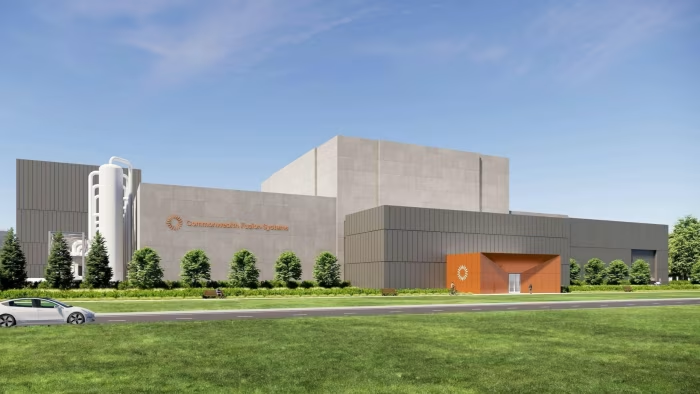
Commonwealth Fusion Systems has secured over $1 billion in power purchase agreements for its upcoming fusion reactor, Arc, expected to be operational in the early 2030s near Richmond, Virginia. The deal with Eni marks the second major agreement, following Google's purchase of half the reactor's output, and aims to establish a market for fusion energy while attracting further investment. The company is progressing with its demonstration reactor, Sparc, and aims to demonstrate the viability of fusion power as a clean energy source.
Google has agreed to buy 200 MW of power from Commonwealth Fusion Systems' planned fusion power plant in Virginia, marking one of the first offtake deals in the emerging fusion energy sector, with the plant expected to be operational by the early 2030s, signaling growing confidence in fusion as a viable clean energy source.
Google is investing heavily in nuclear fusion technology by purchasing power from a planned fusion plant in Virginia developed by Commonwealth Fusion Systems, aiming to support a potentially revolutionary, carbon-free energy source that could significantly boost future electricity production, with the plant expected to be operational by the early 2030s.
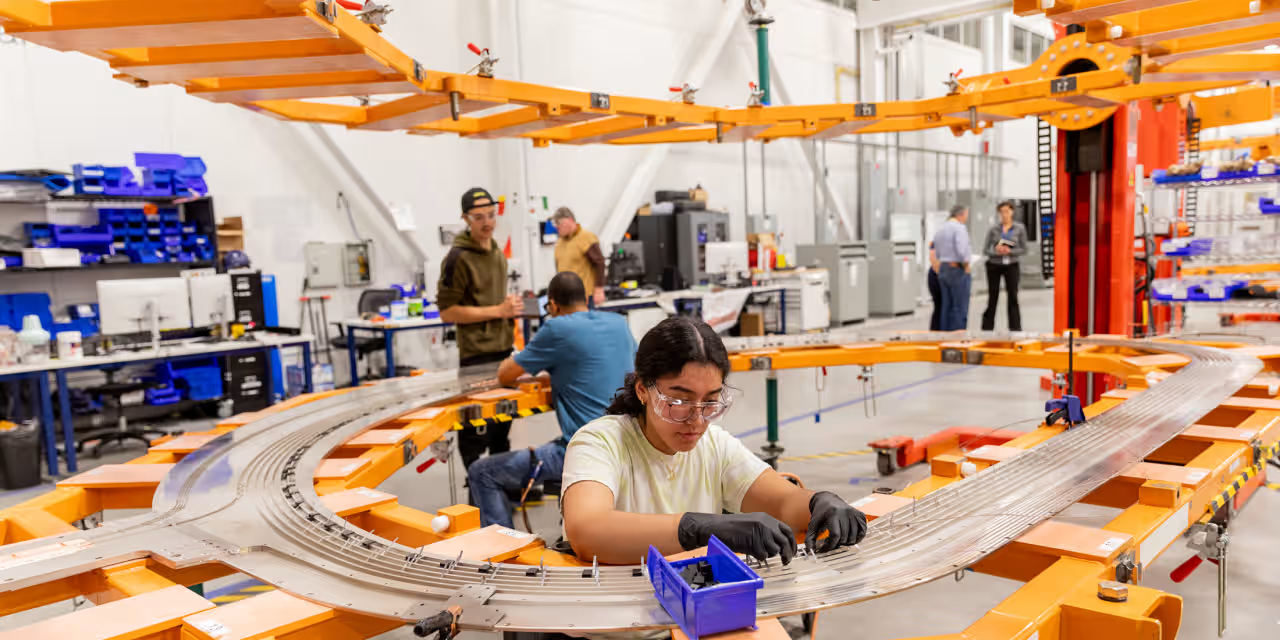
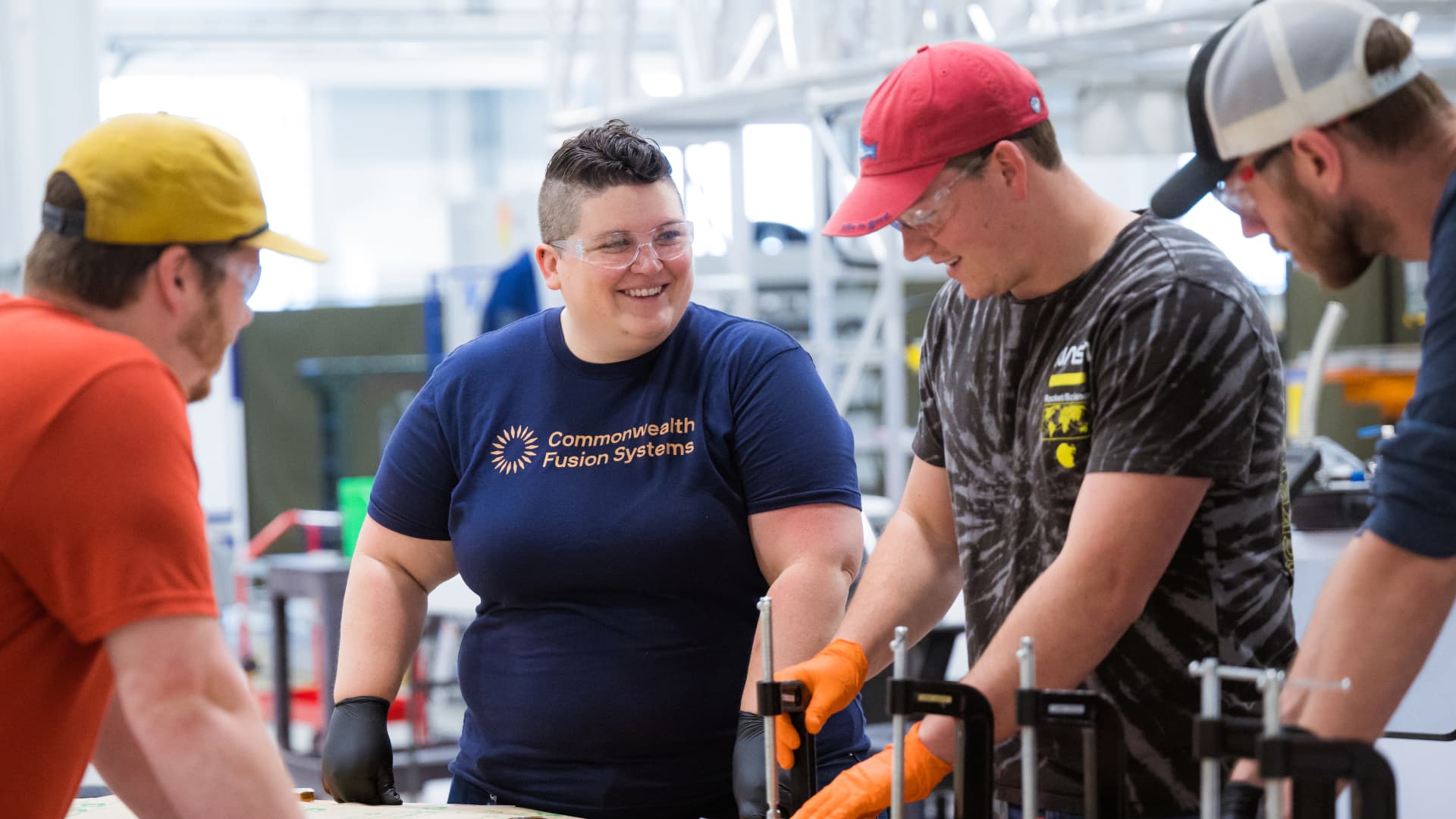
Darby Dunn, former Vice President of Operations at SpaceX, left her job building rockets to work on making nuclear fusion a reality at Commonwealth Fusion Systems. Dunn believes that fusion energy is the most energy-dense reaction in our solar system and could provide virtually unlimited clean energy. Commonwealth Fusion Systems aims to build 10,000 fusion power plants around the world by 2050 and has raised over $2 billion from investors including Bill Gates and Google. The company is currently building its SPARC tokamak to demonstrate net energy and plans to turn it on in 2025. Dunn is leading her team to develop manufacturing processes that can eventually scale to a process that looks like an automotive assembly line.