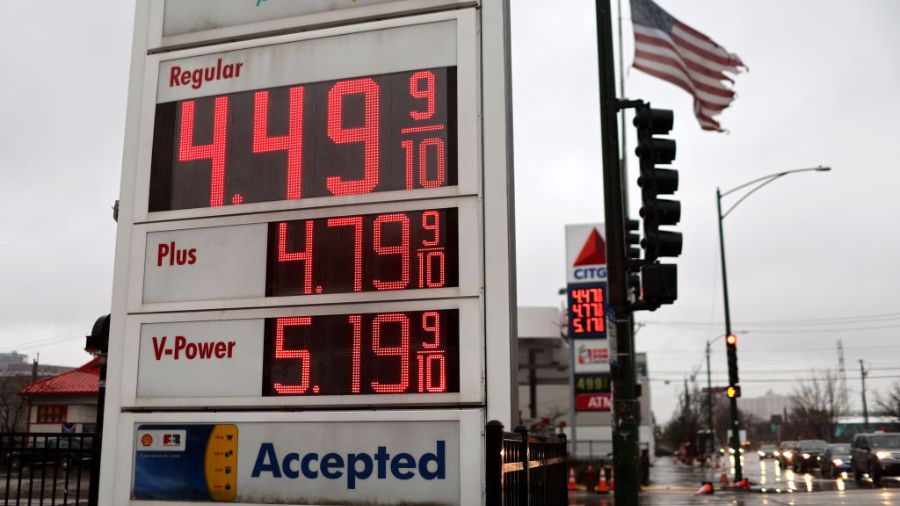
Gas prices in the U.S. are at a five-year low, with the national average dropping to $2.83 per gallon, but Pennsylvania remains among the ten most expensive states for fuel, averaging $3.05 per gallon, despite recent decreases.
Gas prices in the U.S. are at their lowest for the year, with the national average below $3 per gallon since December 2, easing consumer costs during the holiday season, despite ongoing inflation concerns and regional price disparities.
This holiday season, U.S. drivers are benefiting from the lowest gas prices since 2020, with the national average below $3 per gallon, driven by strong supply and mild crude oil prices, providing relief amid ongoing inflation concerns.
Gas prices in the U.S. have fallen to four-year lows, averaging below $3 per gallon, leading to a record number of holiday travelers, mostly by car, and potentially easing inflation pressures during the holiday season.
The White House plans to roll back a rule that would have saved Americans $23 billion on fuel costs by requiring higher fuel economy standards, a move that is expected to increase fuel prices and demand, with significant political and environmental implications.
Gas prices in the US have fallen to a four-year low, averaging $2.98 per gallon, attributed to increased American energy production under President Trump, with prices expected to stay below $3 for the near future, providing relief to consumers nationwide.
Washington state currently has the highest gas prices in the U.S., driven by factors including increased state gas taxes and the Climate Commitment Act, which aims to reduce carbon emissions but is criticized for raising costs. Lawmakers debate repealing or modifying the law amid record-high fuel prices, with some advocating for more targeted spending and infrastructure investments. The situation remains complex, with no immediate relief expected.
Gas prices in Oregon have surged by 15 cents to $4.28 per gallon due to refinery maintenance, pipeline shutdowns, and the switch to more expensive summer fuel blends, with prices expected to decrease as the Olympic Pipeline resumes operation and refineries switch to cheaper winter blends.
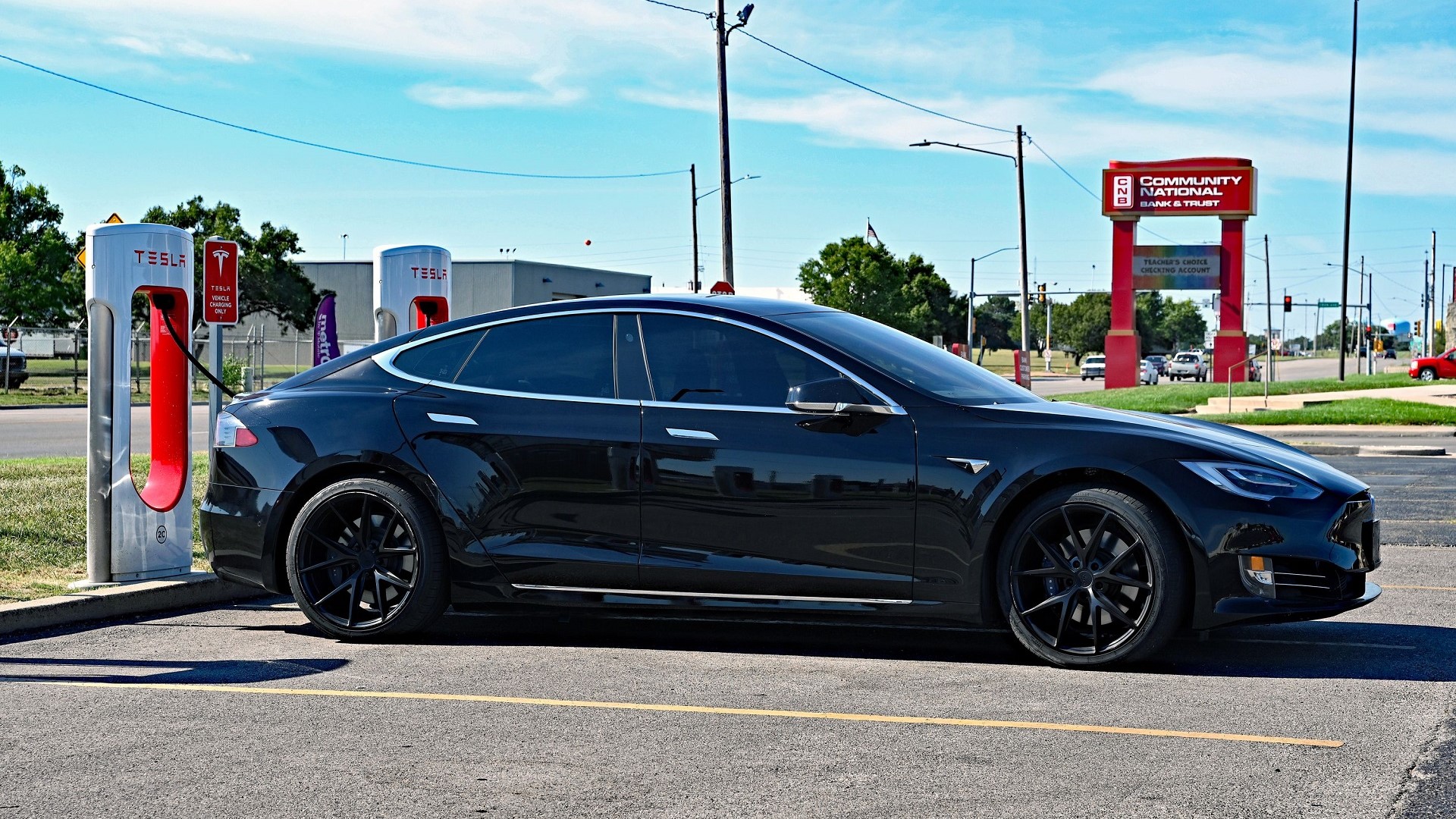
A comparison of monthly operating costs shows Tesla owners save $30 to $75 on fuel compared to Nissan Altima drivers, with Tesla charging costs significantly lower than gas expenses, especially when charging at home. However, the higher purchase price of Tesla and regional factors influence overall savings, making Tesla more cost-effective in many areas over time.
Washington's gas prices are among the highest in the U.S., with a recent increase in the gas tax raising the total to 55.4 cents per gallon, and the average price reaching $4.433 per gallon, significantly above the national average, with notable variation across counties.
Gas prices in the U.S. have dropped to their lowest in over three years, with the national average for a gallon of regular gasoline at $3.01, according to the American Automobile Association (AAA). While 32 states have averages below $3, California remains one of the most expensive markets, with an average of $4.36 per gallon. The trend suggests the national average could soon fall below $3, a level not seen since early 2021.
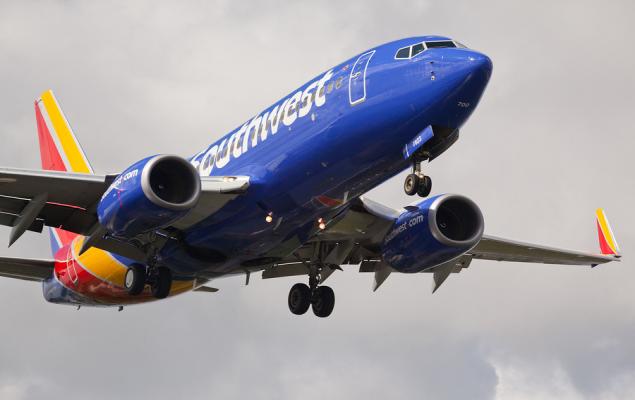
Southwest Airlines' stock fell 14.8% due to increased fuel price guidance and capacity reduction plans for 2024, stemming from Boeing's production delays. The airline expects a net loss in the first quarter and anticipates higher expenses, including fuel costs and interest expenses. Despite these challenges, Southwest remains focused on long-term financial targets and reports stable demand and operational performance for the first quarter. Additionally, GATX Corporation and SkyWest, Inc. are highlighted as better-ranked stocks in the transportation sector.
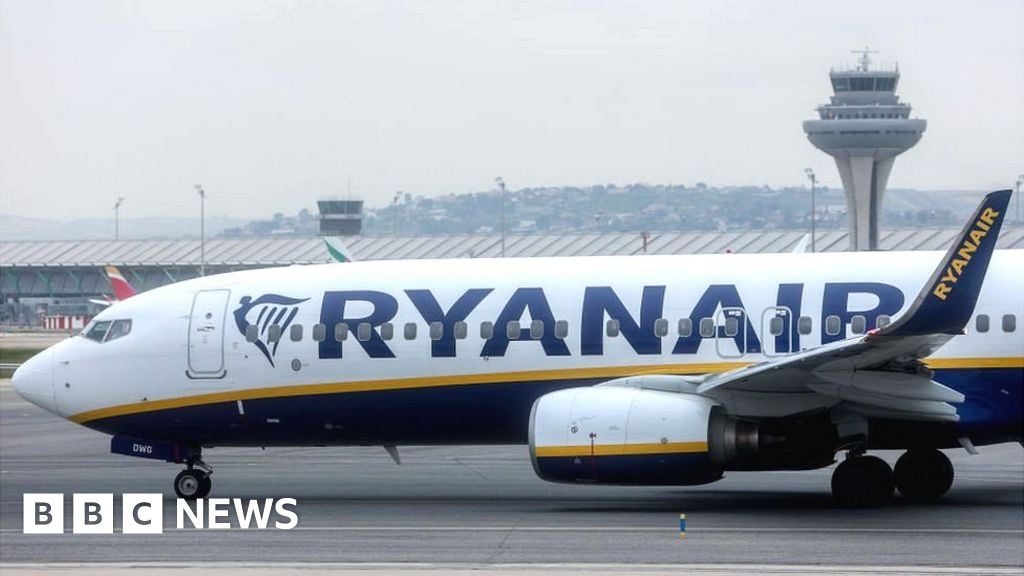
Ryanair has lowered its profit forecast for the year due to a dispute with online travel agents, which led to a decrease in flight bookings and increased fuel costs. The airline's after-tax profit is now expected to be between €1.85bn and €1.95bn, down from the previous forecast of up to €2.05bn. Ryanair's ongoing battle with online booking sites has resulted in a temporary impact on its business, but it remains optimistic about its long-term prospects despite potential challenges such as delays in the delivery of new aircraft and geopolitical events.
House Republicans have passed the CARS Act, a bill that aims to block the implementation of the EPA's new emissions rules, which could save Americans trillions of dollars in health and fuel costs and avoid nearly 10 billion tons of emissions. The bill, which is expected to be vetoed by President Biden, received support from 216 Republicans and 5 Democrats, while 197 Democrats and zero Republicans voted against it. Critics argue that the bill disregards the EPA's technology-agnostic approach and undermines efforts to protect clean air and reduce pollution.
American Airlines lowers its full-year guidance due to rising fuel costs and demand trends, but reports adjusted third quarter earnings that beat Wall Street expectations. The stock rebounds by over 4% after hitting a three-year low. The airline's adjusted earnings per share for Q3 came in at $0.38, surpassing analysts' expectations of $0.25. American Airlines now expects full-year adjusted earnings per share of $2.25-$2.50, down from the previous forecast of $3-$3.75. The downbeat forecast follows a similar warning from rival United Airlines. Despite challenges, American Airlines remains optimistic about steady demand and strong segments such as international travel.