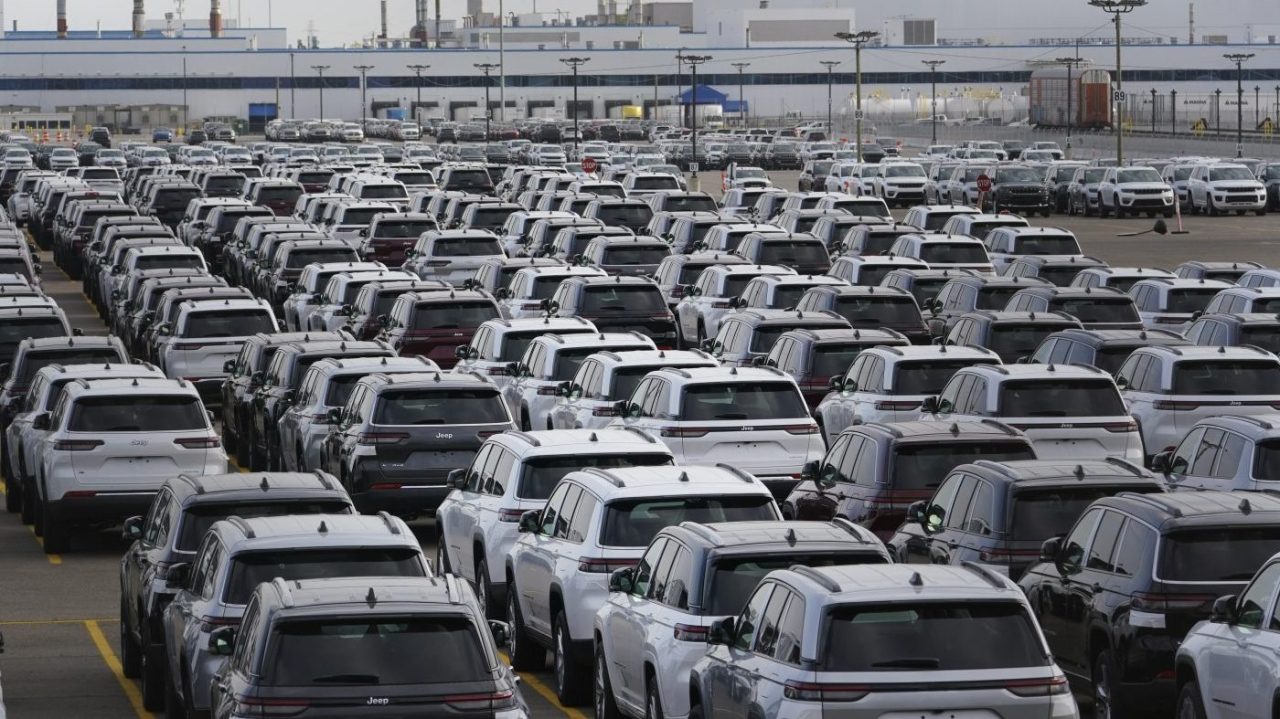
California has signed a deal with automaker Stellantis to uphold the state's strict emissions rules, committing to comply with zero-emissions vehicle sales requirements through 2030 and invest in charging infrastructure. This agreement aims to reduce greenhouse gas emissions and accelerate the deployment of zero-emissions options. Stellantis joins other automakers in supporting California's ambitious electric vehicle targets, despite potential challenges from federal administrations.
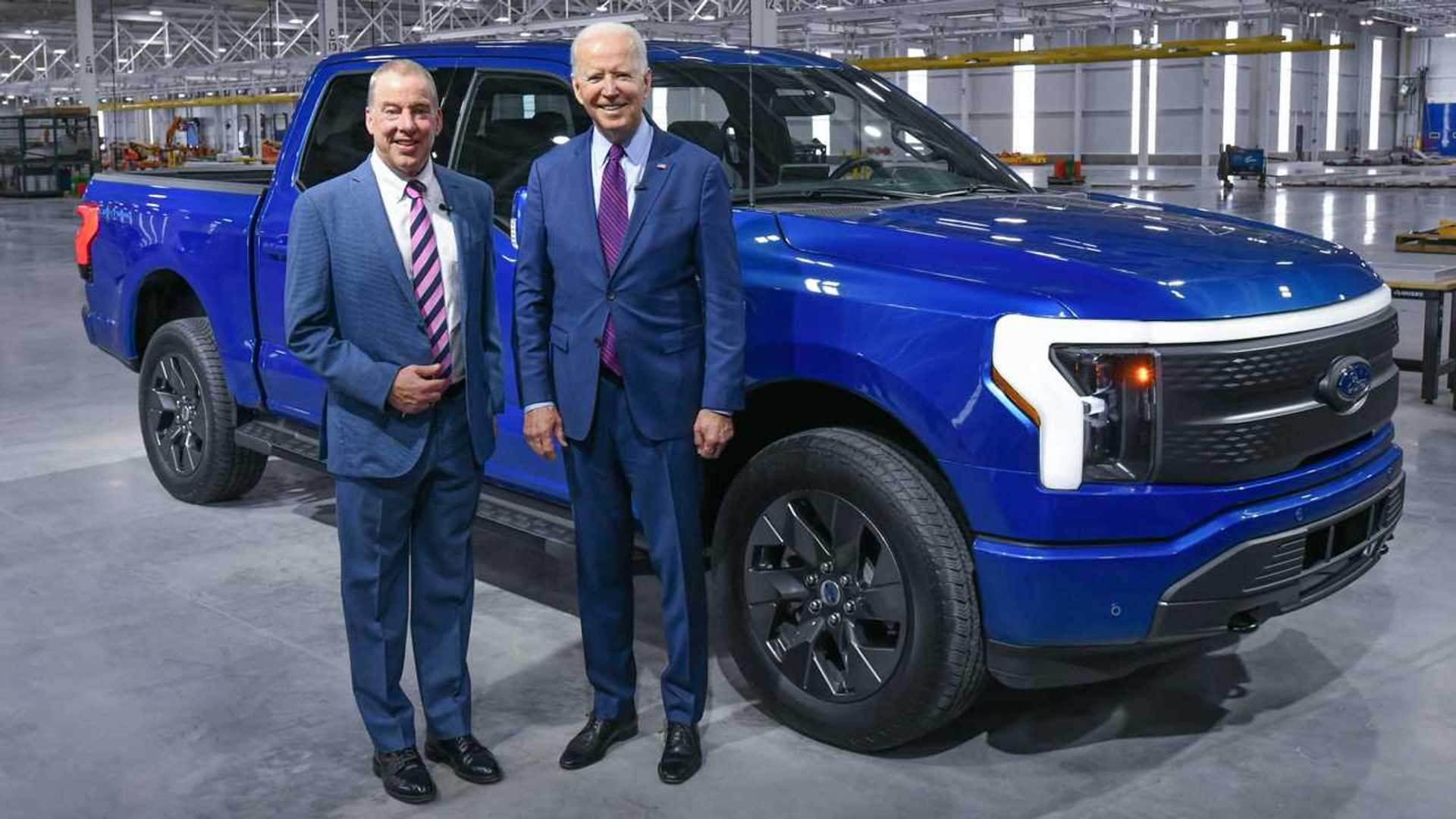
The U.S. Environmental Protection Agency (EPA) is expected to finalize emissions rules this week that would require a significant percentage of new cars to be all-electric by 2032, aiming to boost EV sales and reduce greenhouse gas emissions. The new standards, which may be announced as soon as Wednesday, could ease EV requirements in the short term but mandate aggressive ramping up of EV sales from 2031, aligning with the nation's commitment to reduce emissions under the Paris Climate Accords. The move has sparked debate between environmental and public health advocacy groups supporting the initial ruling and carmakers and petroleum companies pushing back, while also becoming a contentious issue in the upcoming presidential election.
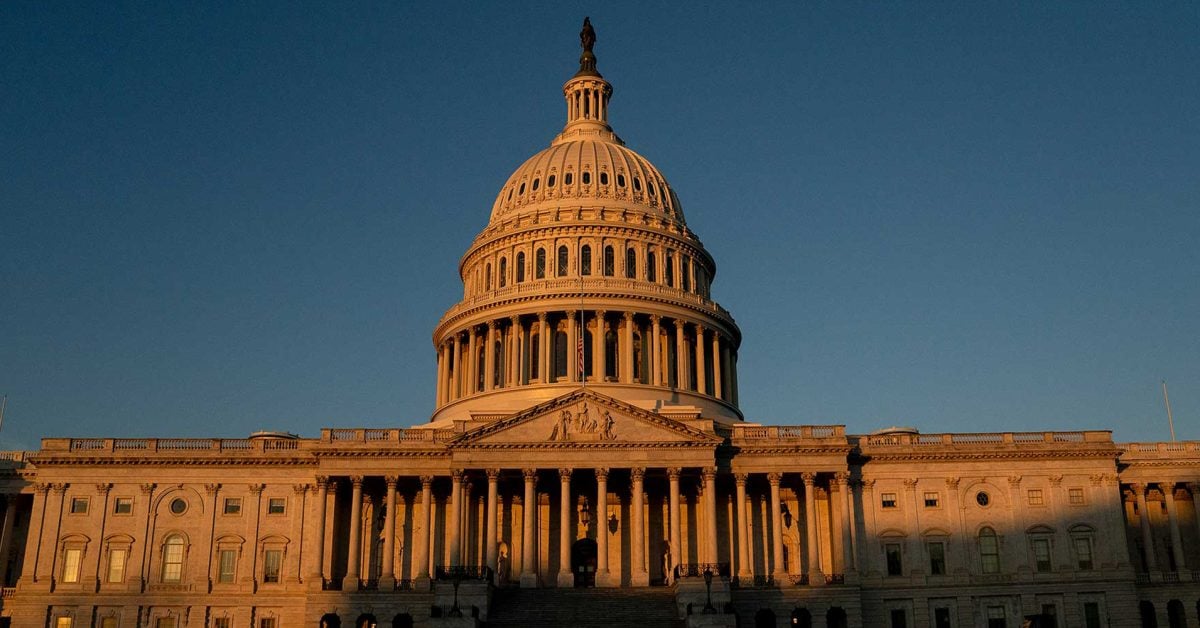
House Republicans have passed the CARS Act, a bill that aims to block the implementation of the EPA's new emissions rules, which could save Americans trillions of dollars in health and fuel costs and avoid nearly 10 billion tons of emissions. The bill, which is expected to be vetoed by President Biden, received support from 216 Republicans and 5 Democrats, while 197 Democrats and zero Republicans voted against it. Critics argue that the bill disregards the EPA's technology-agnostic approach and undermines efforts to protect clean air and reduce pollution.