Tag

Free Radicals

All articles tagged with #free radicals

"The Dangers of Excessive Antioxidant Consumption"

Originally Published 1 year ago — by Livescience.com

Featured image for "The Dangers of Excessive Antioxidant Consumption"
Source: Livescience.com

While antioxidants are beneficial in preventing cell damage, excessive intake through supplements can lead to harmful effects such as skin discoloration, digestive issues, increased risk of certain diseases, and interactions with medications. Research suggests that a balanced diet rich in fruits and vegetables provides sufficient antioxidants, and exercise can boost the body's natural antioxidant production. It's important to consult a healthcare professional before considering antioxidant supplements, as overconsumption may lead to toxicity. The concept of "hormesis" emphasizes that a low dose of antioxidants may be beneficial, but excessive amounts can be harmful.

"Tardigrade Invincibility: The Role of Free Radicals Unveiled"

Originally Published 1 year ago — by Livescience.com

Featured image for "Tardigrade Invincibility: The Role of Free Radicals Unveiled"
Source: Livescience.com

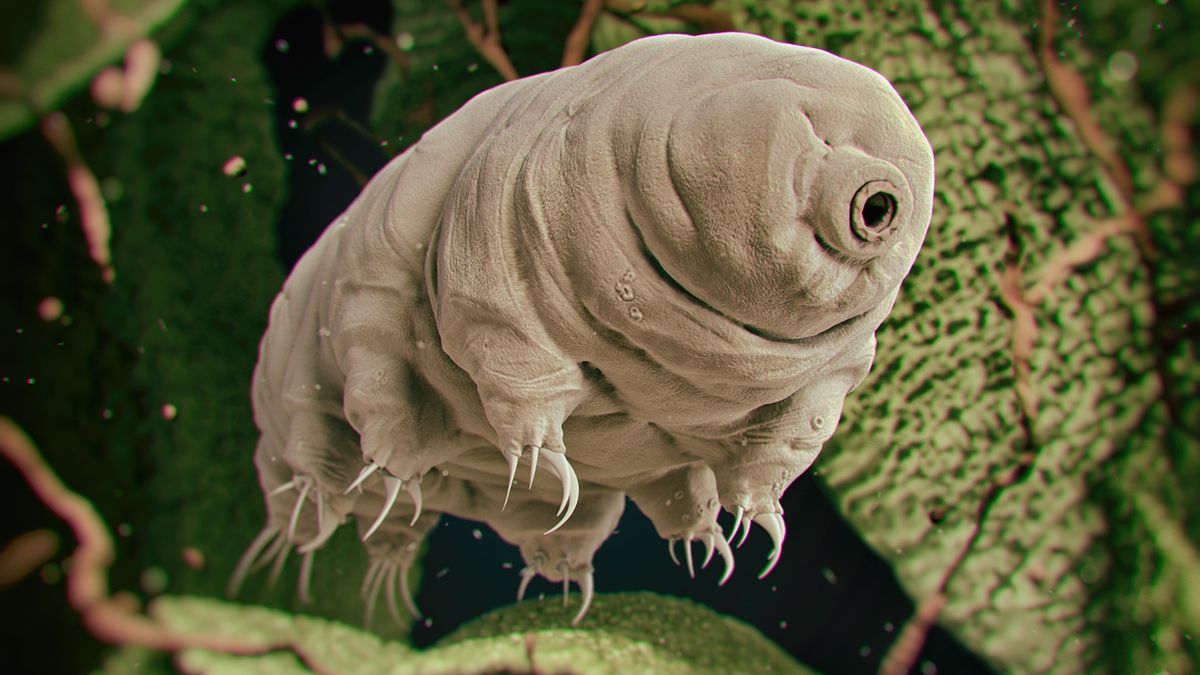
Tardigrades, also known as water bears or moss piglets, have been found to enter a near-invincible state by producing free radicals that transform them into a dehydrated hibernation state, enabling them to survive extreme conditions such as outer space and powerful radiation. Scientists discovered that the free radicals react with the amino acid cysteine to facilitate this transformation, and inhibiting this process renders the tardigrades incapable of entering the tun state. This molecular trick sheds light on the tiny creatures' remarkable survival skills and opens up avenues for further research into their resilience.

'Super Melanin': The Future of Skin Healing and Sun Protection

Originally Published 2 years ago — by Medical Xpress

Featured image for 'Super Melanin': The Future of Skin Healing and Sun Protection
Source: Medical Xpress

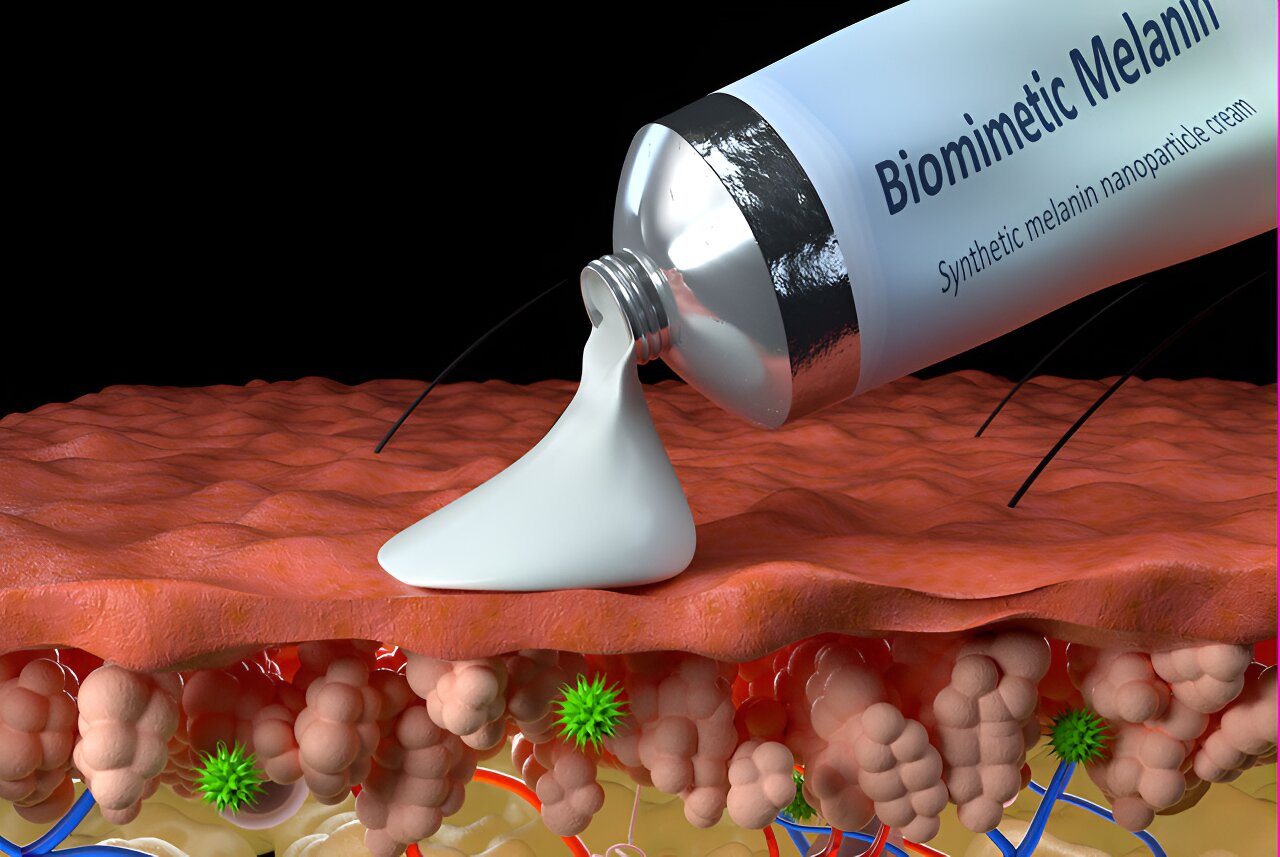
Scientists at Northwestern University have developed a synthetic melanin that mimics the natural melanin in human skin. When applied topically, the synthetic melanin accelerates wound healing and protects the skin from sun exposure and damage caused by sunburn or chemical burns. The synthetic melanin acts as a sponge, scavenging free radicals that can cause inflammation and cell damage. It also quiets the immune system, allowing for active healing. The cream could potentially be used for blisters and open sores, and may have applications in treating skin burns from radiation exposure and cancer patients undergoing radiation therapy.

"Unveiling the Top Antioxidants for Optimal Brain Health and Alzheimer's Prevention"

Originally Published 2 years ago — by Verywell Health

Featured image for "Unveiling the Top Antioxidants for Optimal Brain Health and Alzheimer's Prevention"
Source: Verywell Health

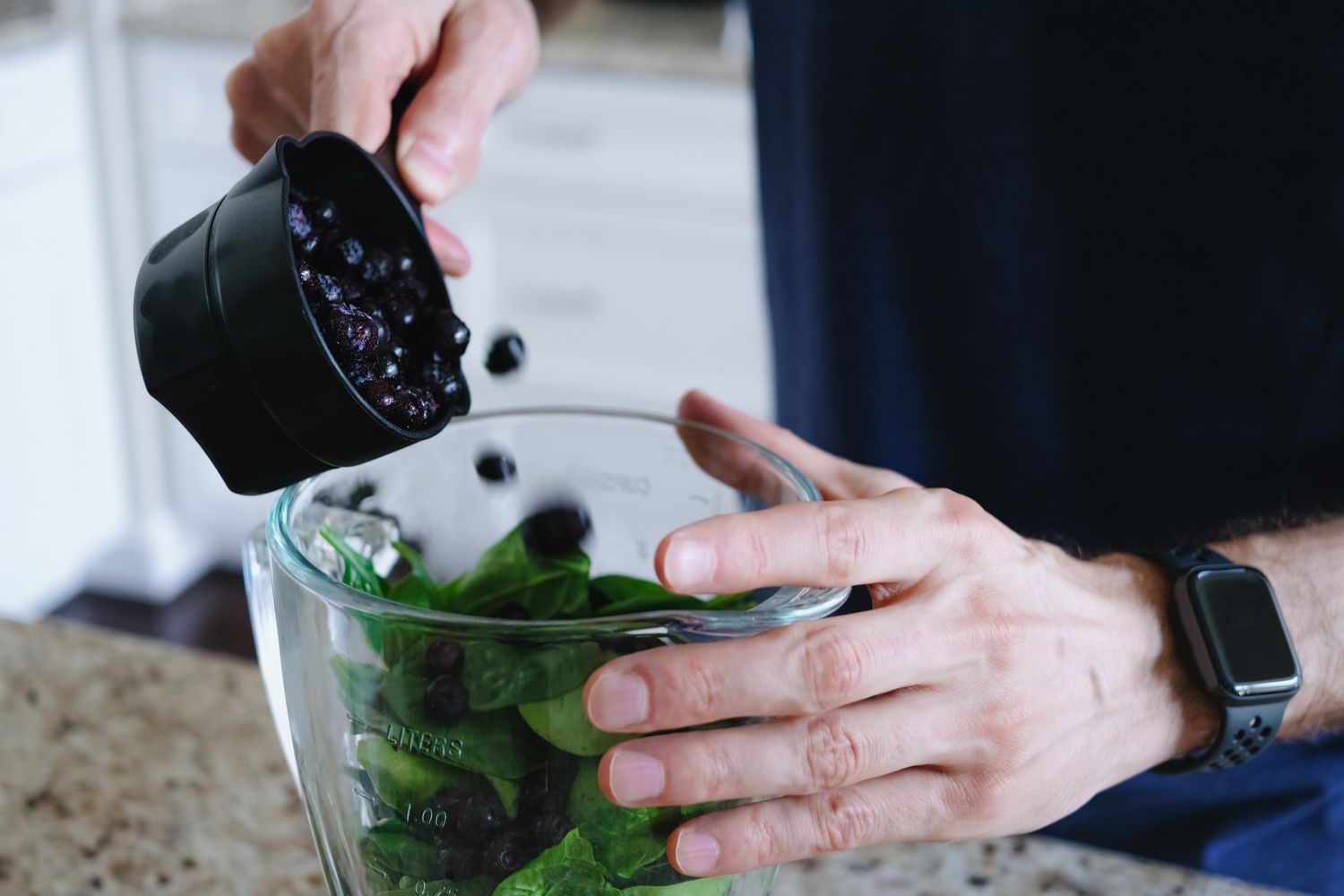
Antioxidants are important for protecting cellular health and reducing the risk of diseases. They neutralize free radicals, which can cause damage to our cells. Antioxidants are found in colorful plant foods like leafy greens, nuts, and berries, as well as in certain animal-derived sources. Consuming a variety of minimally processed foods is the best way to incorporate antioxidants into your diet. A diet low in antioxidants can increase the risk of chronic diseases. While antioxidant supplements are available, it is best to obtain antioxidants from whole foods rather than relying on high-dose supplements. Including antioxidant-rich foods in your meals and snacks can be easily done to reap the benefits.

"Breakthrough Compound Halts Mitochondrial Free Radical Generation"

Originally Published 2 years ago — by Longevity.Technology

Featured image for "Breakthrough Compound Halts Mitochondrial Free Radical Generation"
Source: Longevity.Technology

Researchers at the Buck Institute for Research on Aging and Calico Labs have developed a compound, S1QEL1.719, that selectively blocks the production of free radicals in mitochondria, the powerhouses of our cells. By inhibiting free radical production at a specific site in mitochondrial complex I, the compound prevents and treats metabolic syndrome in mice, including reversing insulin dependence. This breakthrough could potentially lead to disease-treating and anti-aging interventions by targeting the production of free radicals, which are implicated in chronic diseases of aging. The compound acts as a cork, plugging the site without hindering the mitochondria's critical function of energy metabolism.

The Impact of Oxidative Stress on Your Body: Explained.

Originally Published 2 years ago — by USA TODAY

Featured image for The Impact of Oxidative Stress on Your Body: Explained.
Source: USA TODAY

Oxidative stress occurs when there is an imbalance between free radicals and antioxidants in the body, leading to cell damage. While some low-level oxidative stress may be beneficial, chronic overload can lead to diseases such as cancer and dementia. Antioxidants found in fruits and vegetables can help neutralize free radicals. However, supplements are not proven to be protective against diseases and should be taken under the guidance of a physician.