A new study reveals a universal mathematical equation that describes how objects break apart in a way that maximizes disorder, applying to various materials and explaining the consistent size distribution of fragments when objects shatter.
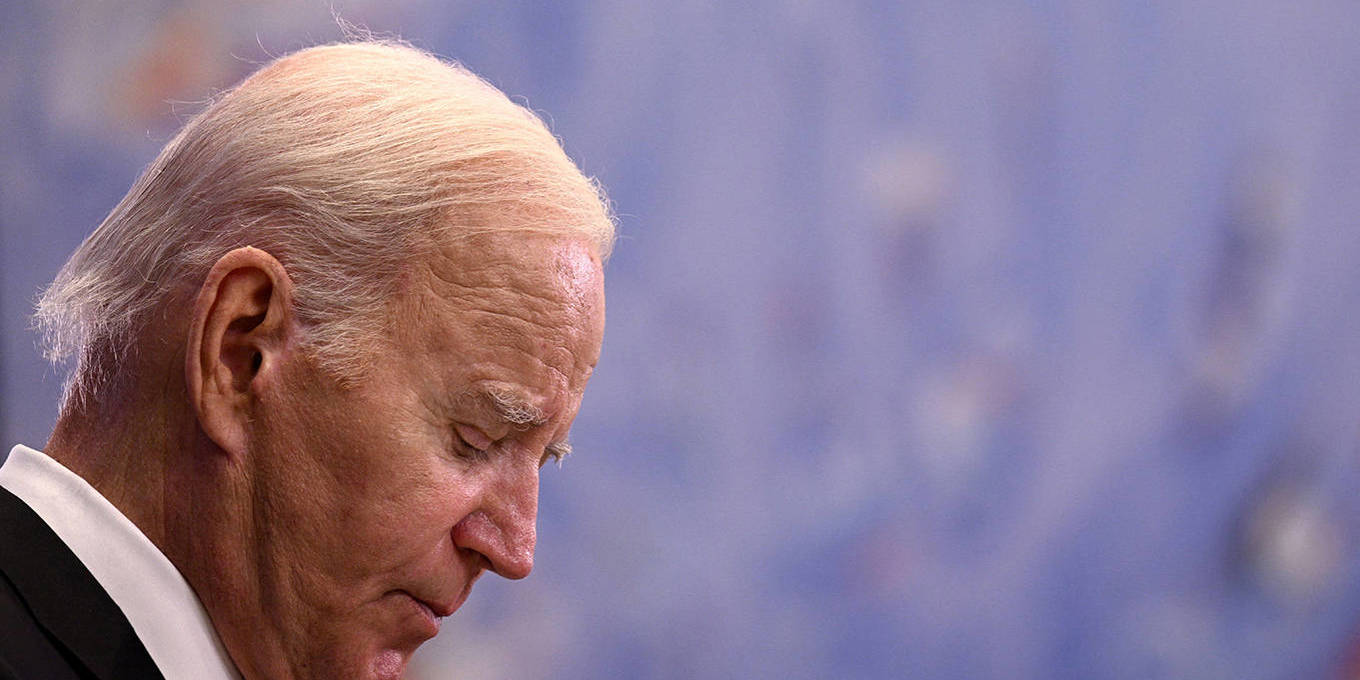
The shift from a unipolar to a multipolar world economy is not leading to a China-led alternative order, but rather to global instability. The Western-led global economic order is facing internal stress, eroding its effectiveness and legitimacy. As more countries build alternatives to the Western-led order, the global economy risks fragmentation, eroding America's leadership role and accelerating a shift toward disorder. The multilateral system is further undermined by its inability to address urgent global challenges. Russia's ability to maintain trading relationships despite sanctions and the perceived hollowness of the West's commitment to human rights in the Israel-Hamas conflict have fueled frustration with the Western-led order. To prevent further fragmentation and international disorder, Western powers must strengthen the existing multilateral architecture by reforming key institutions and addressing issues of voice and representation. Failure to do so would result in more global disorder and hinder our ability to tackle long-term challenges.
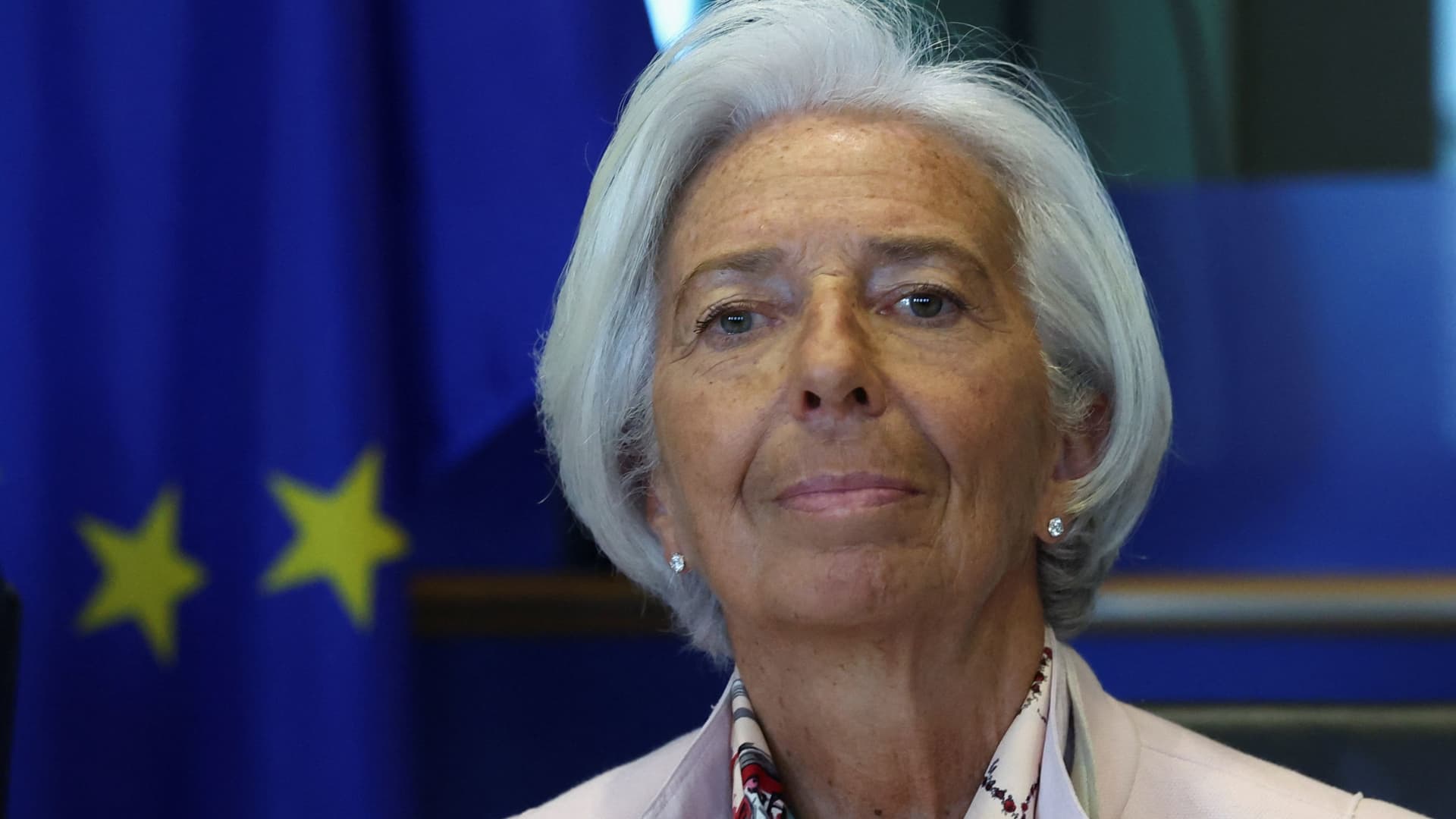
European Central Bank President Christine Lagarde warns that the global economy is showing signs of fragmenting into competing blocs, with Europe facing challenges such as deglobalization, demographics, and decarbonization. Lagarde emphasizes the need for massive investment in a short period of time to address these shocks, including reassessing supply chains, deploying new technologies, and advancing the green transition. She estimates that the planned green transition in Europe will require an additional investment of 620 billion euros per year until the end of the decade, along with 125 billion euros per year for a digital transition. Lagarde highlights the importance of the proposed capital markets union to support these investments, as governments have high debt levels and European recovery funding will end in 2026.
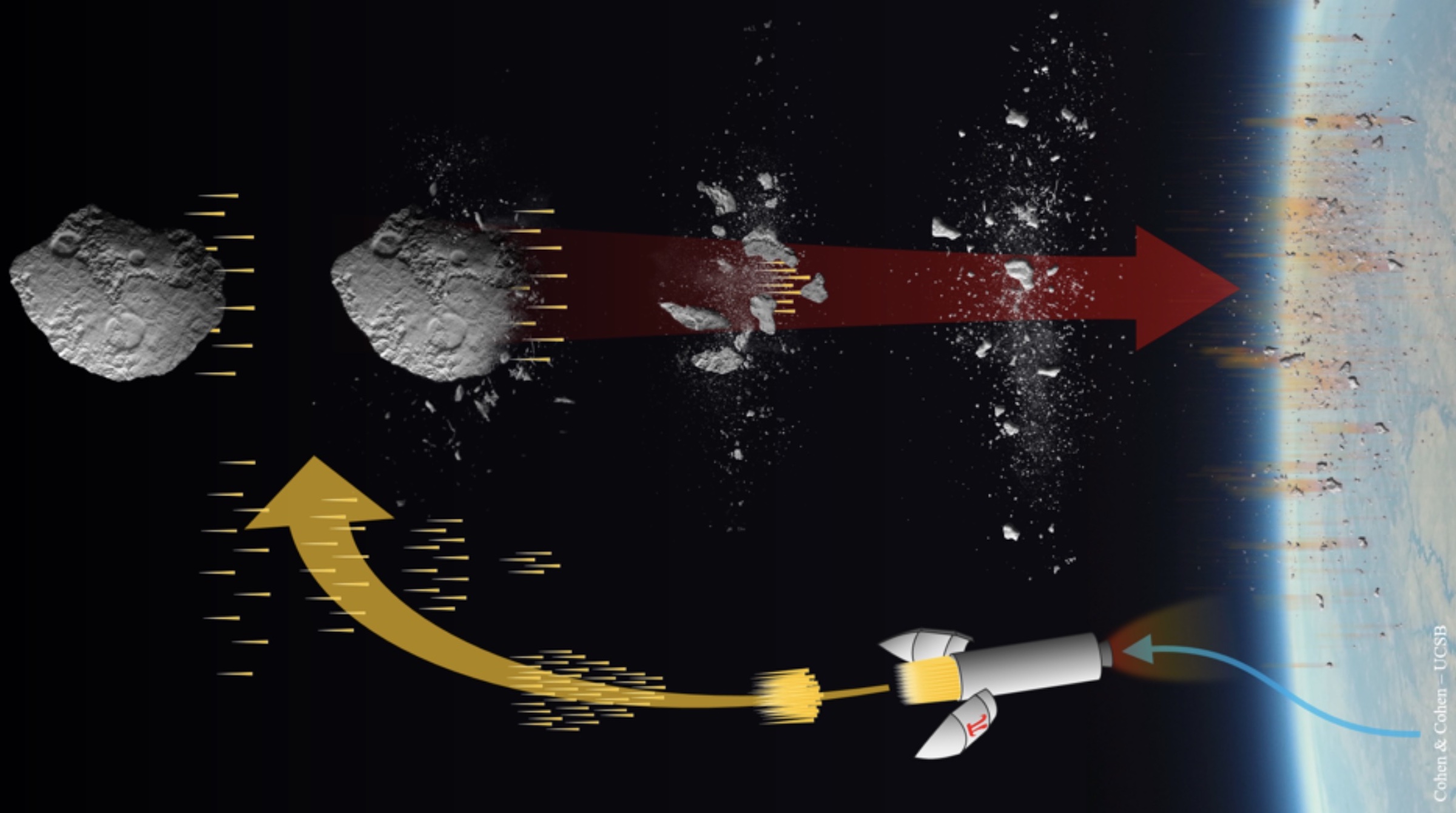
A recent study explores the possibility of countering an asteroid similar to the one that passed close to Earth in July using the Pulverize It (PI) method. The study suggests that, given current launch technology, we could launch a defense rocket within a day to fragment the asteroid into harmless bits. However, this proposal is still a proof of concept, as there are currently no rockets or impactor systems in place. The question remains whether we have the will to build a planetary defense rocket to protect against potential asteroid threats.
The World Trade Organization (WTO) has issued a warning about the fragmentation of global trade into allied blocs, emphasizing the need for cooperation and multilateralism. The organization expressed concerns that the growing trend of countries forming exclusive trade alliances could lead to a more divided and less efficient global trading system. The WTO urged nations to prioritize open and inclusive trade policies to ensure the stability and prosperity of the global economy.
European Central Bank president Christine Lagarde warned that the global economy is becoming more fragmented into competing blocs, leading to lasting instability resulting in lower growth, higher costs, and more uncertain trade partnerships. The pandemic, war in Ukraine, climate concerns, and deepening tensions between the US and China could make these problems more routine. Policymakers need to focus on securing resilient supply chains with allies and diversifying energy production, rather than simply using fiscal policy to supplement people's incomes, which is inflationary.
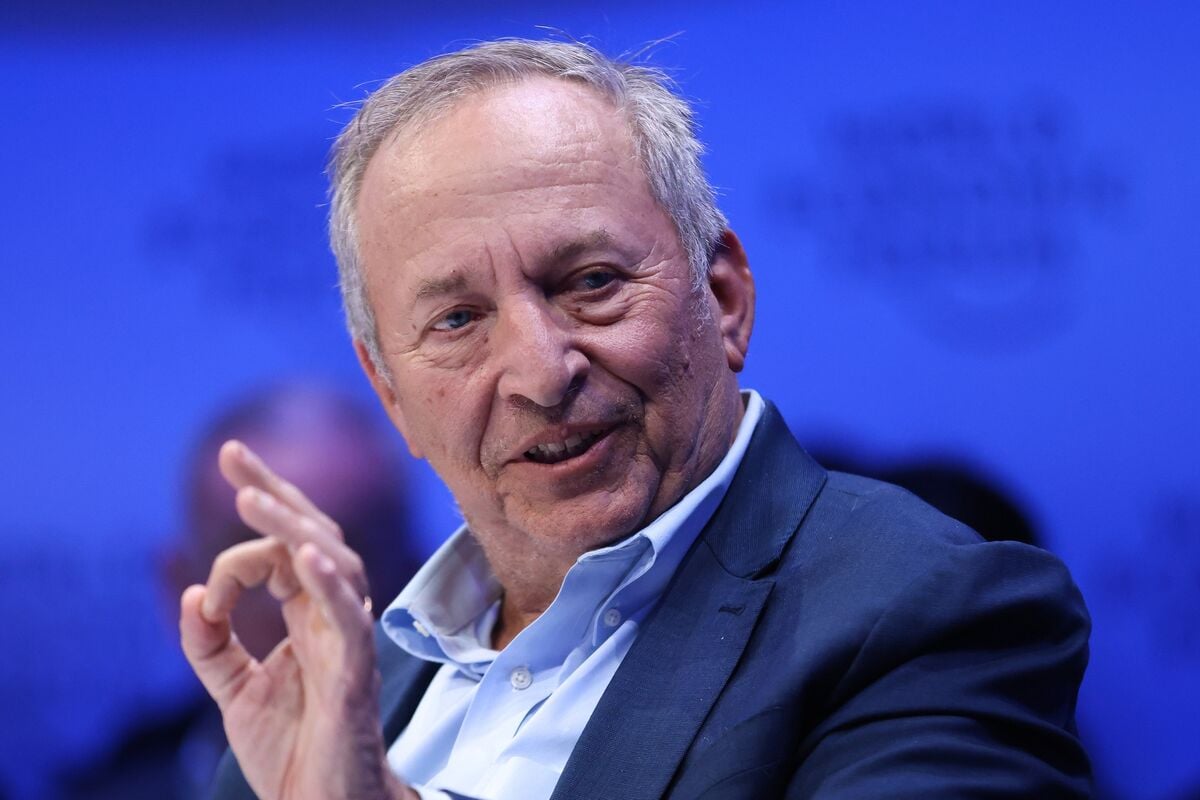
Former Treasury Secretary Lawrence Summers warns that the US is losing global influence as other powers band together and gain favor among nations not yet aligned, with a growing acceptance of fragmentation and a sense that the US may not be the best fragment to be associated with.
Android 13's distribution percentage has increased to 12.1% of Android devices, outpacing Android 12's growth. However, Android 11 still holds the largest share at 23.5%. Android's overall fragmentation remains a challenge due to the large number of OEMs and poor update commitments. Samsung's robust software support commitments are likely helping with Android adoption, along with upgraded commitments from OnePlus, OPPO, and Google.