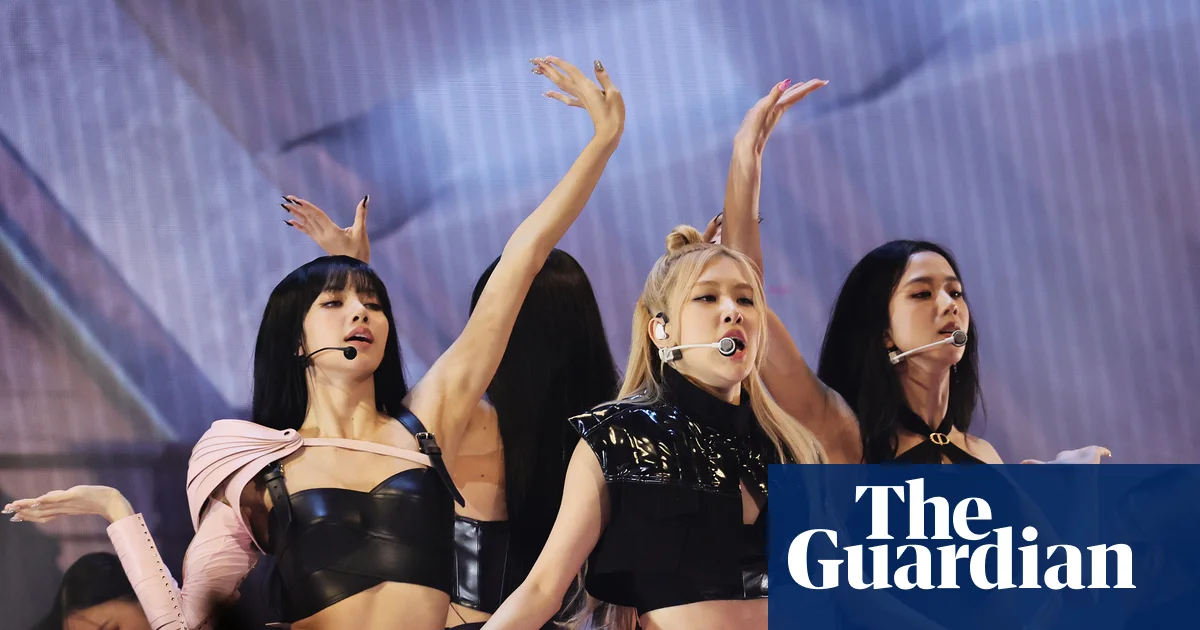
South Korea's entertainment industries, particularly cinema and K-pop, are facing significant challenges due to declining domestic revenues, changing consumer behaviors, and increased international competition, prompting government intervention and industry restructuring to sustain their global cultural influence.
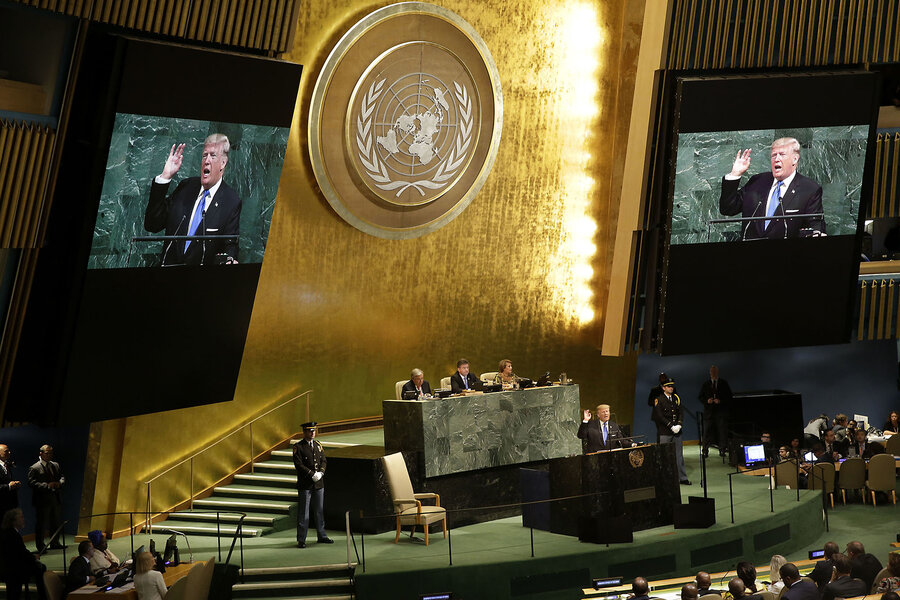
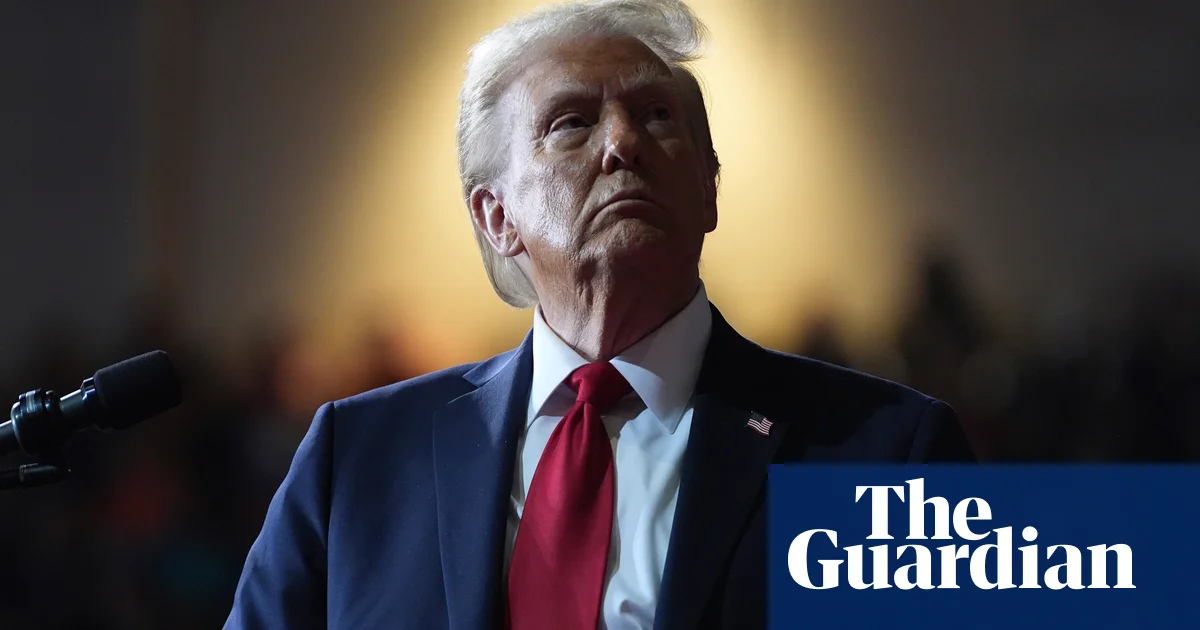
President Donald Trump is set to address the UN with a focus on a post-multilateral world order emphasizing America First policies, marking a shift from previous US engagement and leading to a significant downsizing of US support for the UN, while also impacting global power dynamics with China rising as a key influence.
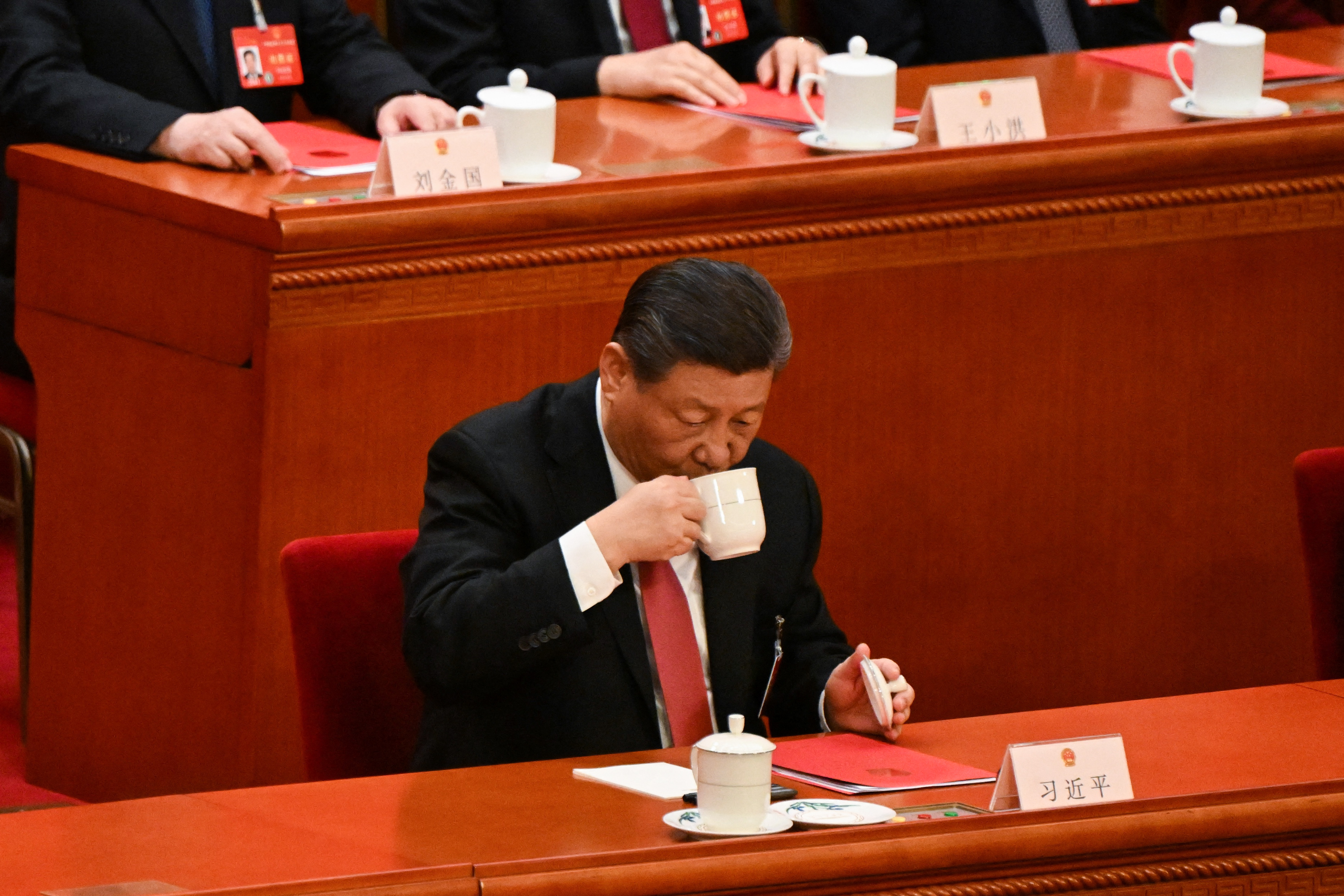
The article discusses Xi Jinping's vision of a post-American world order, highlighting China's strategic ambitions to reshape global influence and challenge US dominance.
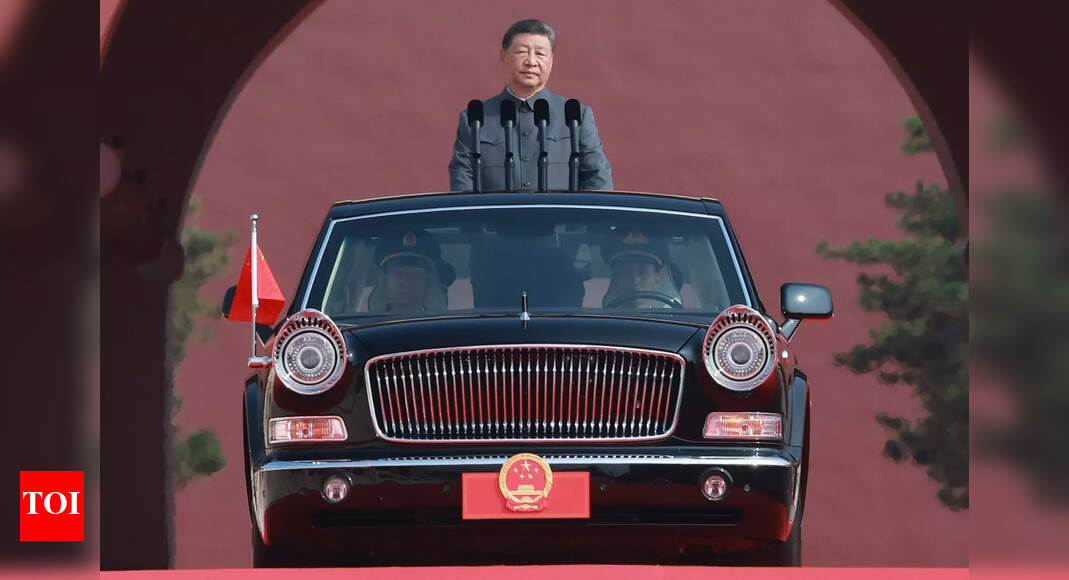
The article discusses China's emerging 'Anti-American Party' led by Xi Jinping, which aims to reshape global governance and challenge US dominance, partly fueled by Trump's confrontational policies that have eroded US alliances and emboldened China and its allies. Xi's efforts include building new institutions and military symbolism to promote a multipolar world order, positioning China as a global stabilizer and leader outside Western influence.
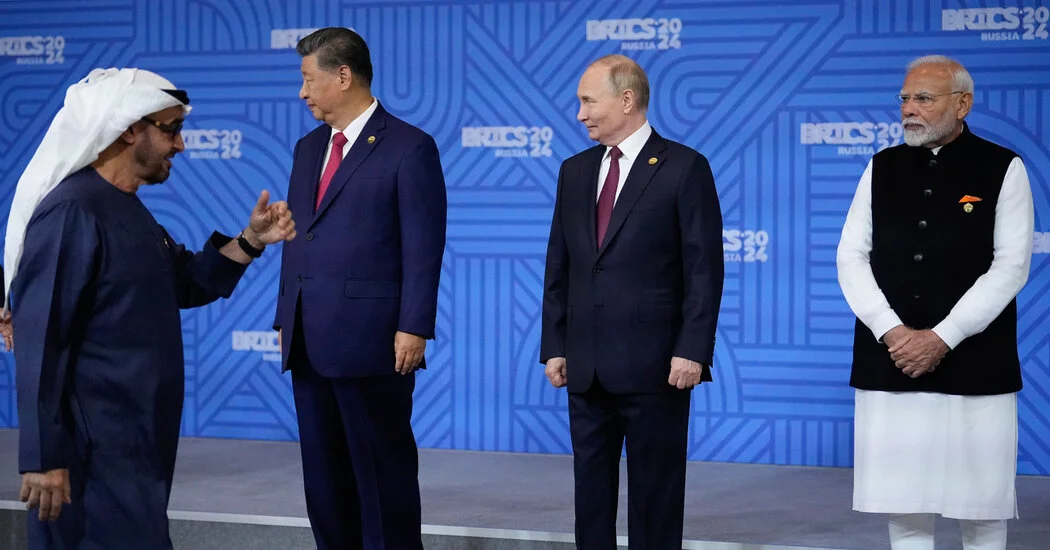
Chinese President Xi Jinping is leveraging a summit with India and Russia to showcase China's growing global influence through displays of statecraft, military strength, and historical symbolism, amid shifting international alliances and Western pressures.
Russia is expanding its state-backed media presence globally through RT and Sputnik, especially in regions like Africa, Latin America, and the Middle East, despite Western restrictions and bans. This expansion aims to influence public opinion, undermine Western narratives, and bolster Russia's geopolitical position, raising concerns about disinformation and the future of global democracy.
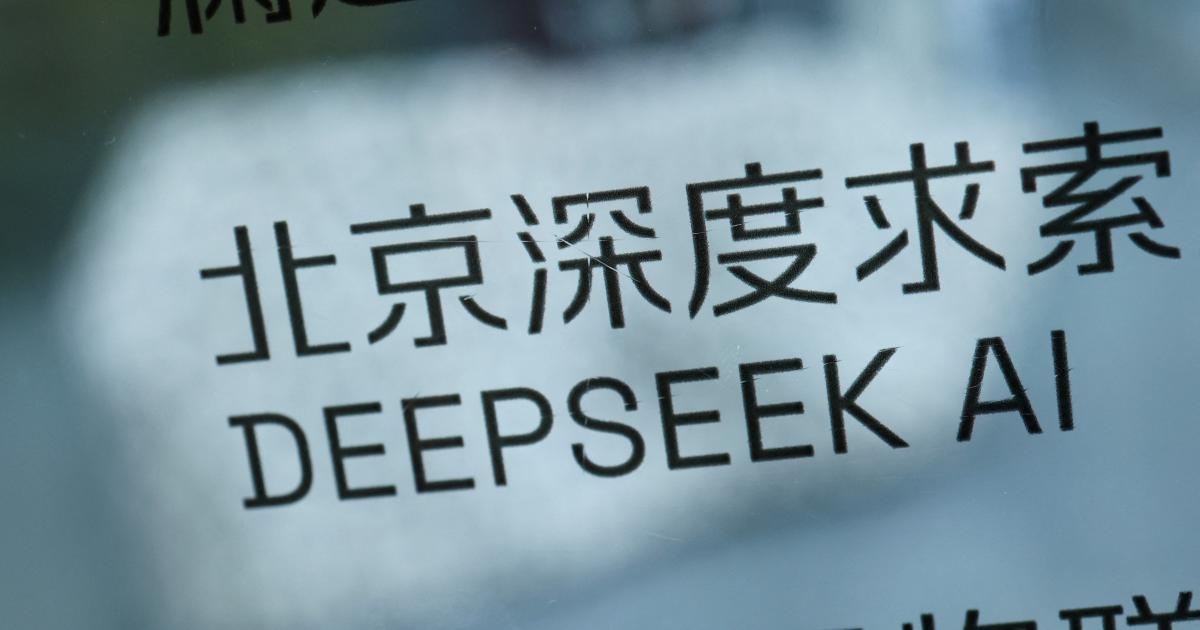
China is leveraging open-source AI models like DeepSeek R1 and Moonshot AI's Kimi K2 to expand its global influence and challenge U.S. dominance in AI, using soft power strategies that promote accessibility and customization, especially in developing countries. The U.S. must adapt by fostering open AI ecosystems and recalibrating export controls to maintain its leadership and influence in the evolving AI landscape.
The viral popularity of Labubu, a quirky Chinese plushie, symbolizes China's growing soft power and cultural influence worldwide, amidst a broader trend of Chinese products and brands gaining international recognition, despite ongoing political and ideological challenges.
Donald Trump has been named Time magazine's 'Person of the Year' for the second time, having first received the title in 2016. This recognition highlights his continued influence on global events and politics, despite his controversial political career. Trump, who has appeared on Time's cover multiple times, discussed plans to pardon Capitol rioters, address the Ukraine conflict, and tackle inflation in an interview with the magazine. His selection aligns with a tradition of US presidents being honored by Time, with Trump now joining a list of 14 presidents who have received the accolade.
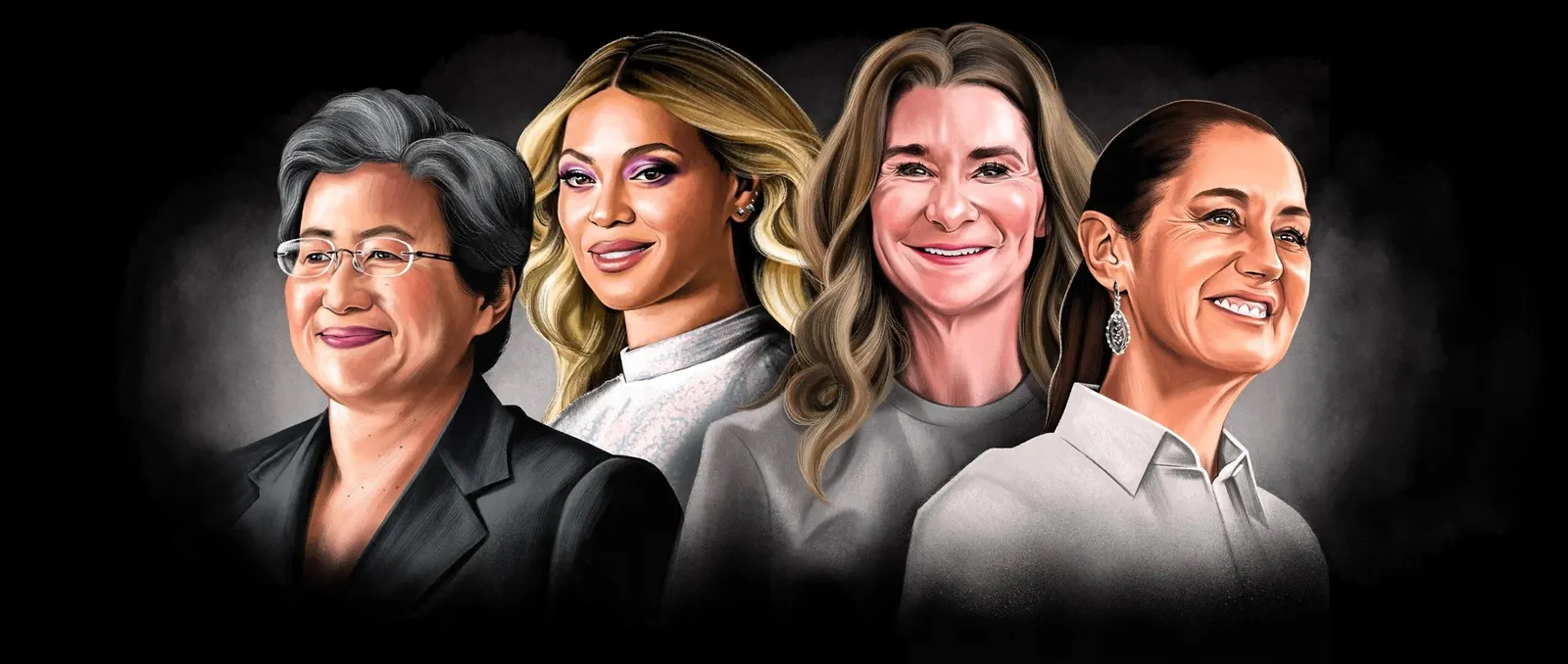
Forbes has released its 21st annual ranking of the World's 100 Most Powerful Women, highlighting influential female leaders across various sectors such as business, politics, and entertainment. Ursula von der Leyen, President of the European Commission, tops the list for the third year, followed by Christine Lagarde and Giorgia Meloni. The list reflects the evolving power dynamics and the significant impact women have in reshaping industries and economies globally. Notable newcomers include Mexico's first female president, Claudia Sheinbaum, and the DRC's first female president, Judith Suminwa Tuluka.
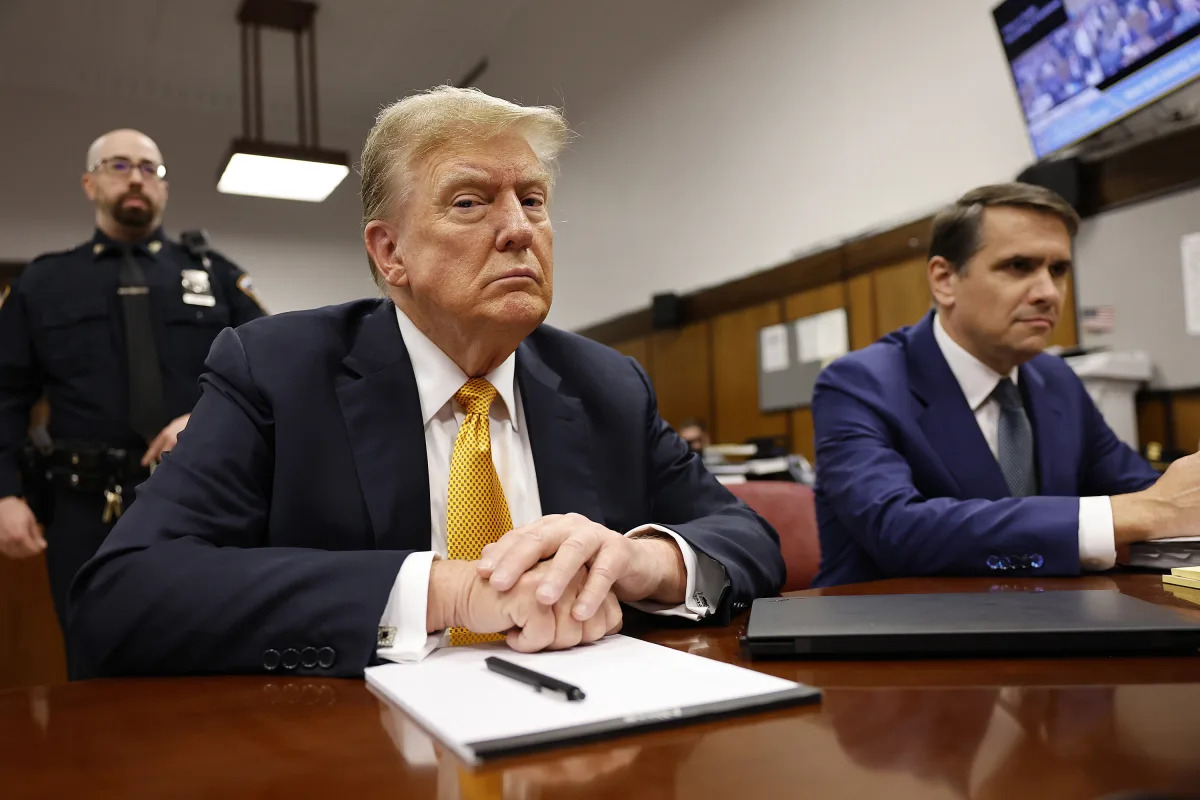
Following his conviction in a hush money case, Donald Trump attacked the U.S. justice system, claiming it was "rigged." Experts warn that such rhetoric could be exploited by autocrats like Vladimir Putin to undermine U.S. global influence and sway upcoming elections. Autocratic leaders, including those from Russia, Hungary, and China, have echoed Trump's sentiments, potentially using the political turmoil to their advantage. This could distract the U.S. from key issues like the war in Ukraine and weaken alliances such as NATO.
A US intelligence report paints a bleak picture of China's economy, forecasting a slowdown due to structural barriers and Beijing's reluctance to implement aggressive stimulus measures. The report attributes China's economic woes to Xi Jinping's prioritization of state-directed investment in manufacturing and industry, leading to slowing growth, low consumer confidence, high youth unemployment, falling foreign investment, and the aftermath of a collapsed property market bubble. The report also highlights China and Russia's intensified military efforts to challenge US influence globally, as well as North Korea's efforts to solidify partnerships with China and Russia.
China has announced a 7.2% increase in its defense budget, reaching 1.6 trillion yuan, as it aims to bolster its military capabilities amidst tensions with the U.S., Taiwan, Japan, and other neighbors. The budget, which has more than doubled since 2015, reflects China's ambition to challenge the U.S. and its allies in Asia and assert its influence in global affairs.
China is aiming to reshape world trade on its own terms by pursuing an economic strategy that emphasizes self-reliance and reduced dependence on foreign markets and technology. This approach, known as "dual circulation," seeks to bolster domestic consumption and innovation while also expanding China's global influence through initiatives like the Belt and Road infrastructure project. The country's trade policy is increasingly focused on asserting its own standards and rules, potentially challenging the existing international trade order dominated by Western economies.
China's charm campaign, aimed at improving its global image and influence, has failed to yield desired results. Despite investing heavily in diplomacy and soft power initiatives, China continues to face criticism and skepticism from the international community. Its aggressive actions in the South China Sea, human rights abuses, and lack of transparency have undermined its efforts to win over hearts and minds.