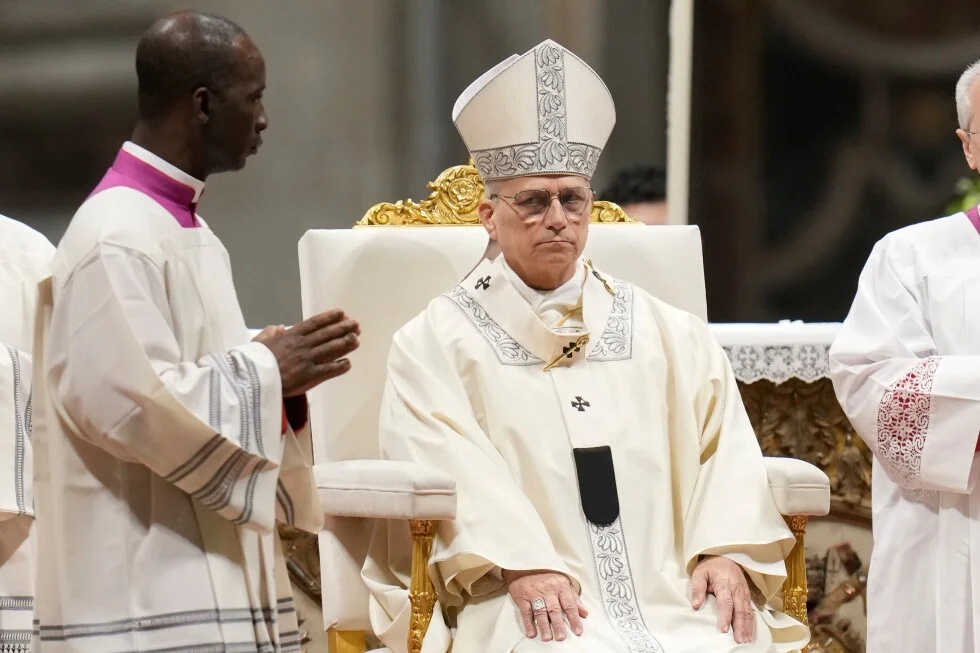
Pope Leo XIV is facing a crisis as a traditionalist faction reportedly plans to consecrate bishops without his consent, raising questions about canon law, papal authority, and the potential for internal schism while the Vatican weighs its response.
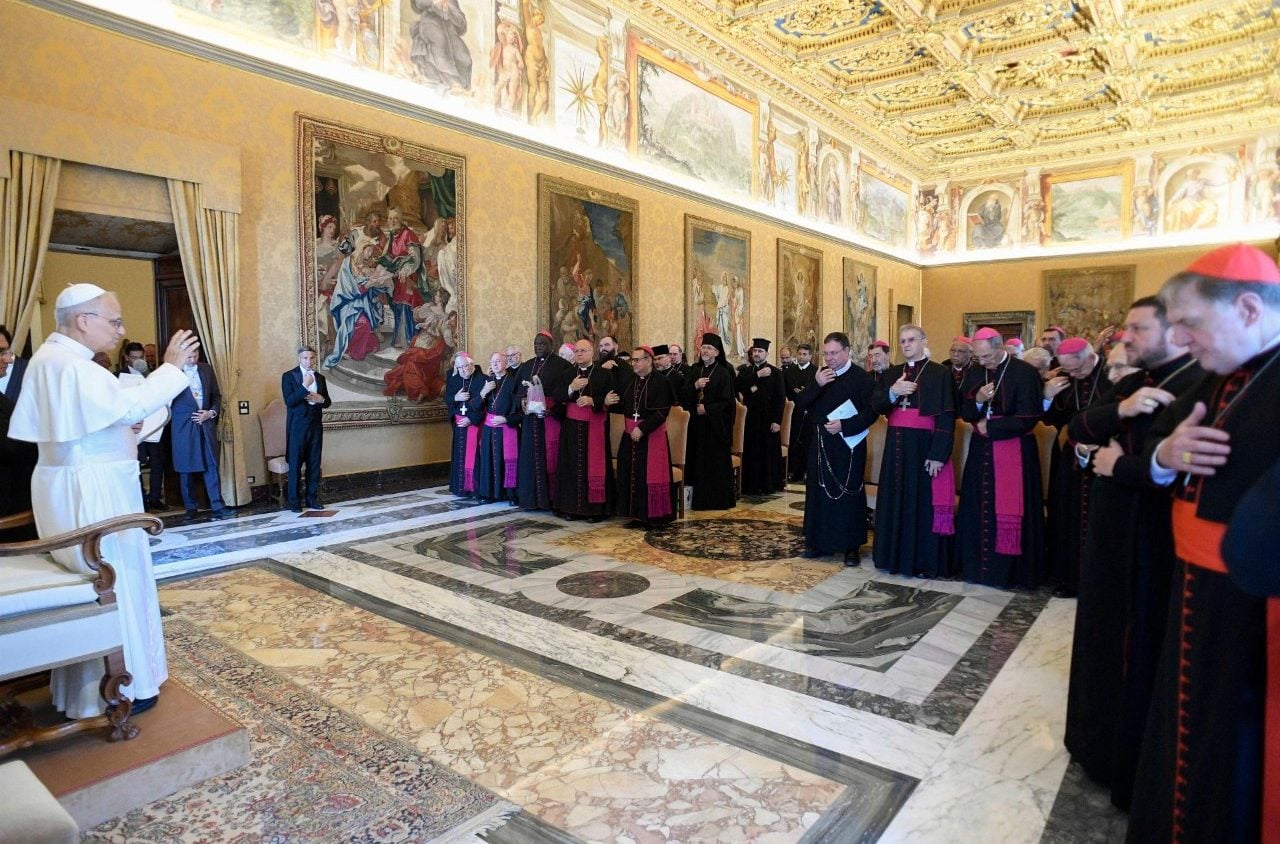
Pope Leo XIV addressed newly appointed bishops, urging them to build bridges within the Church and with the world, emphasizing mercy, dialogue, and prudence in social media use, while also highlighting the importance of prayer, mission, and addressing misconduct with justice.
Pope Leo XIV commended Redemptorist and Scalabrinian Bishops for their dedication to serving God's flock, emphasizing the importance of self-sacrifice, charity, and dialogue in their ministries, especially in addressing migration and poverty, and encouraged continued fraternal support and faith-driven work.
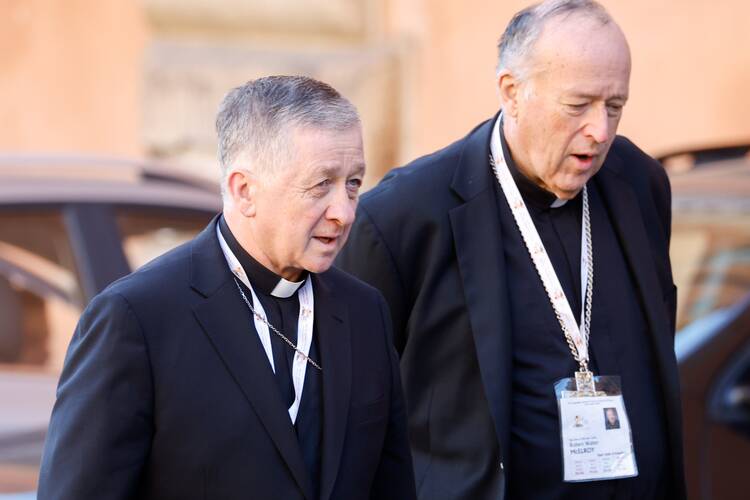
Cardinal Blase Cupich, the archbishop of Chicago, reflects on the recently concluded Synod on Synodality in Rome, emphasizing the importance of the experience over the synthesis document. He highlights the inclusion of non-bishops in the synod, the need for women to have greater roles and decision-making positions in the church, the discussion on evaluating bishops' performance, and the church's response to the abuse crisis. Cupich also mentions the absence of explicit references to LGBTQ+ issues in the document, but expects it to be addressed in future discussions. He emphasizes the importance of sharing the synodal experience with the people and replicating it in the dioceses.
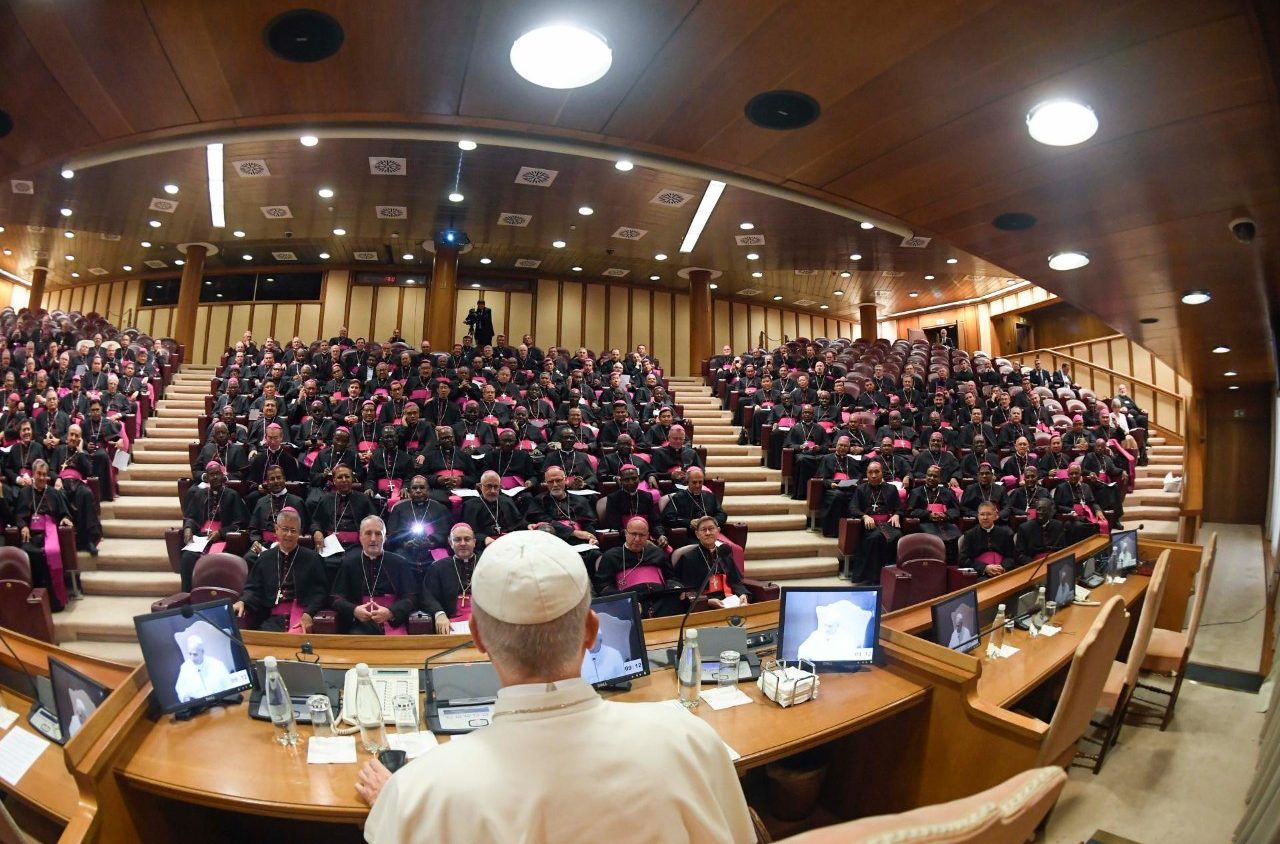
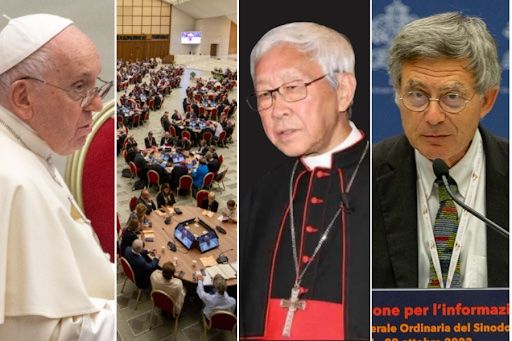
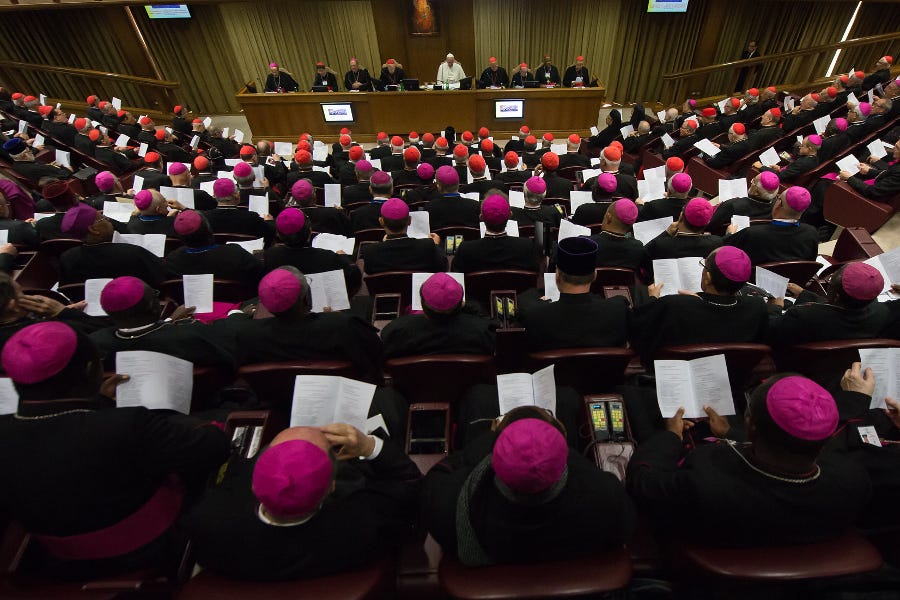
The Synod on Synodality, currently taking place in Rome, has released its rules of engagement, emphasizing confidentiality and discretion among participants. Unlike previous synods, there will be no final document, but rather a summary report that requires a two-thirds consensus from the full assembly. The innovative methodology includes round table discussions and aims to foster dialogue under the premise of equality before God. Pope Francis has urged journalists to prioritize listening and has expressed concern about public opinion overshadowing the synodal process. Various hot-button topics and agendas are being discussed, with fears of media framing and manipulation. The synod is an ongoing process under Pope Francis, and the challenge lies in deciding whether to openly discuss ideas or maintain absolute confidentiality. Communication plays a crucial role in the synod, and Pope Francis will clarify his vision for the gathering.
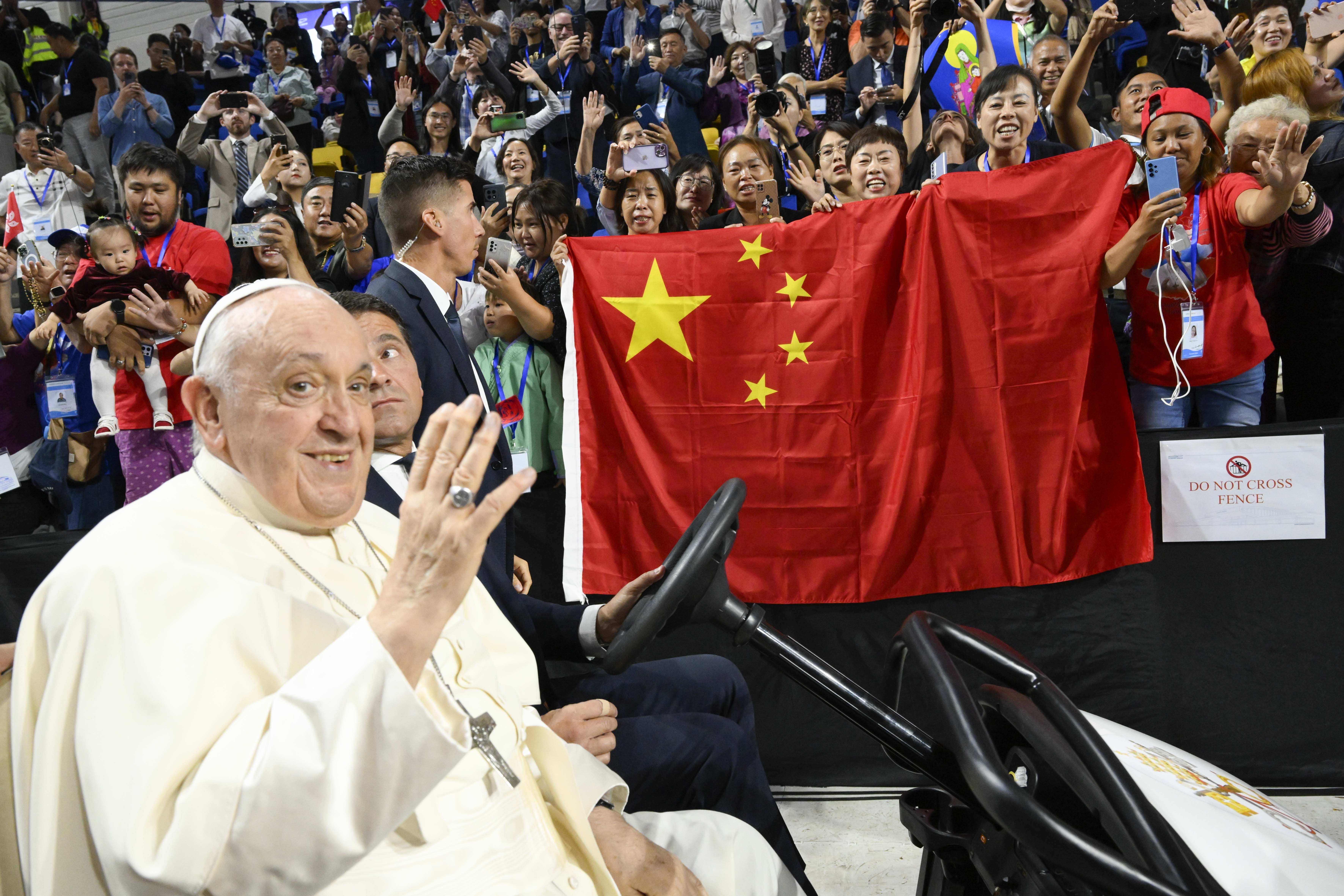
Pope Francis revealed the existence of a joint China-Vatican commission on the appointment of bishops, shedding light on the secret Vatican-China deal. The commission, presided over by Vatican Secretary of State Cardinal Pietro Parolin, aims to foster dialogue and understanding between the Chinese government and the Catholic Church. The pope emphasized the need for the Church to respect Chinese culture and values, while also expressing his respect for the Chinese people. He also mentioned the Vatican's engagement with China in terms of foreign exchanges and openness. The Vatican's diplomatic relationship with China was a focal point during the pope's recent trip to Mongolia, where Chinese Catholics attended papal events. Pope Francis also discussed the possibility of a future papal trip to Vietnam, expressing optimism about relations with the country.
The Vatican has released a working document for the first global session on the Synod on Synodality, which focuses on broader participation in the decision-making processes of the Church. The document presents a series of discernment questions, covering topics including the role of women in the Church, how to preach the Gospel more effectively on digital platforms, and how the Church can better welcome people with disabilities. The relationship between the synodal and hierarchical natures of the Church is also explored, asking how bishops can involve more people in their decision-making processes, and how the exercise of the pope’s primacy should “evolve” to make the Church more synodal.