Kraft Heinz appoints Steve Cahillane as new CEO ahead of company split
Kraft Heinz has appointed a former Kellanova executive as its new chief, signaling a leadership change in the company.
All articles tagged with #kraft heinz

Kraft Heinz has appointed a former Kellanova executive as its new chief, signaling a leadership change in the company.
Steve Cahillane has been named CEO of Kraft Heinz, effective January 1, 2026, as part of the company's plan to split into two independent entities, with Cahillane leading Global Taste Elevation Co. and a search underway for a CEO for North American Grocery Co., while leadership transitions are also set to occur.

Kraft Heinz plans to split into two companies in 2026, with Steve Cahillane, former CEO of Kellanova, appointed as CEO of the new high-growth division, as part of a strategic restructuring following sluggish sales and reversing its 2015 merger.

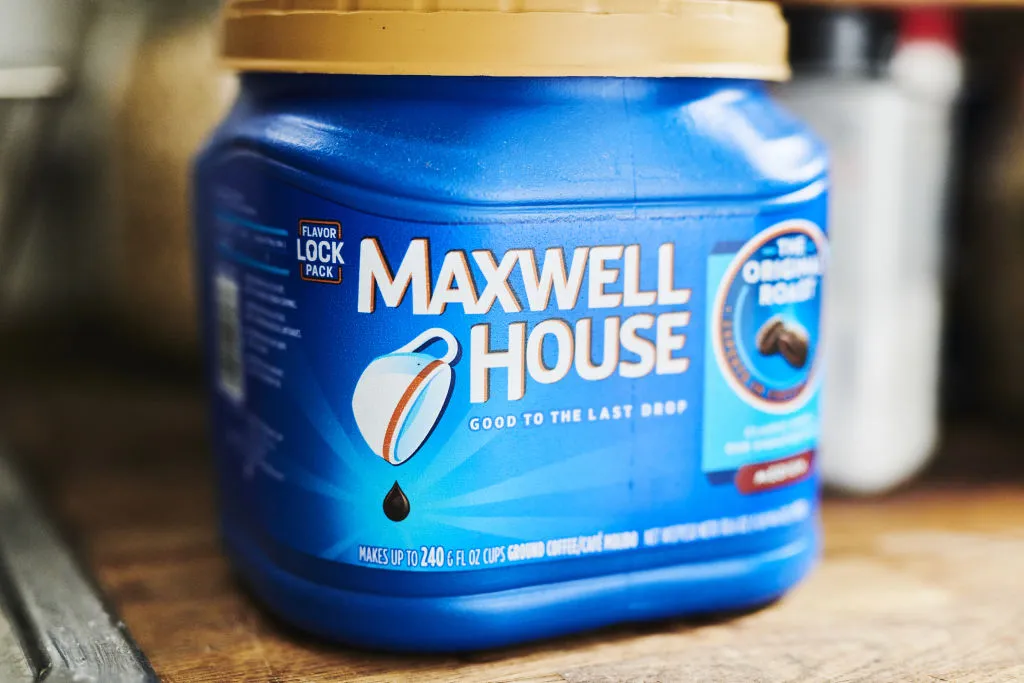
Maxwell House is temporarily rebranding as 'Maxwell Apartment' for a promotional campaign offering a 12-month supply of coffee for $40, highlighting value for consumers amid a company split by Kraft Heinz.
Warren Buffett's potential exit from Kraft Heinz is causing concern for the stock, which has been underperforming, creating uncertainty for investors.

Kraft Heinz is splitting into two companies after a decade of underperformance and a $57 billion loss in market value, marking a significant setback for Warren Buffett's investment. The breakup aims to focus on different product categories but raises questions about the effectiveness of splitting in a declining consumer demand environment for processed foods.

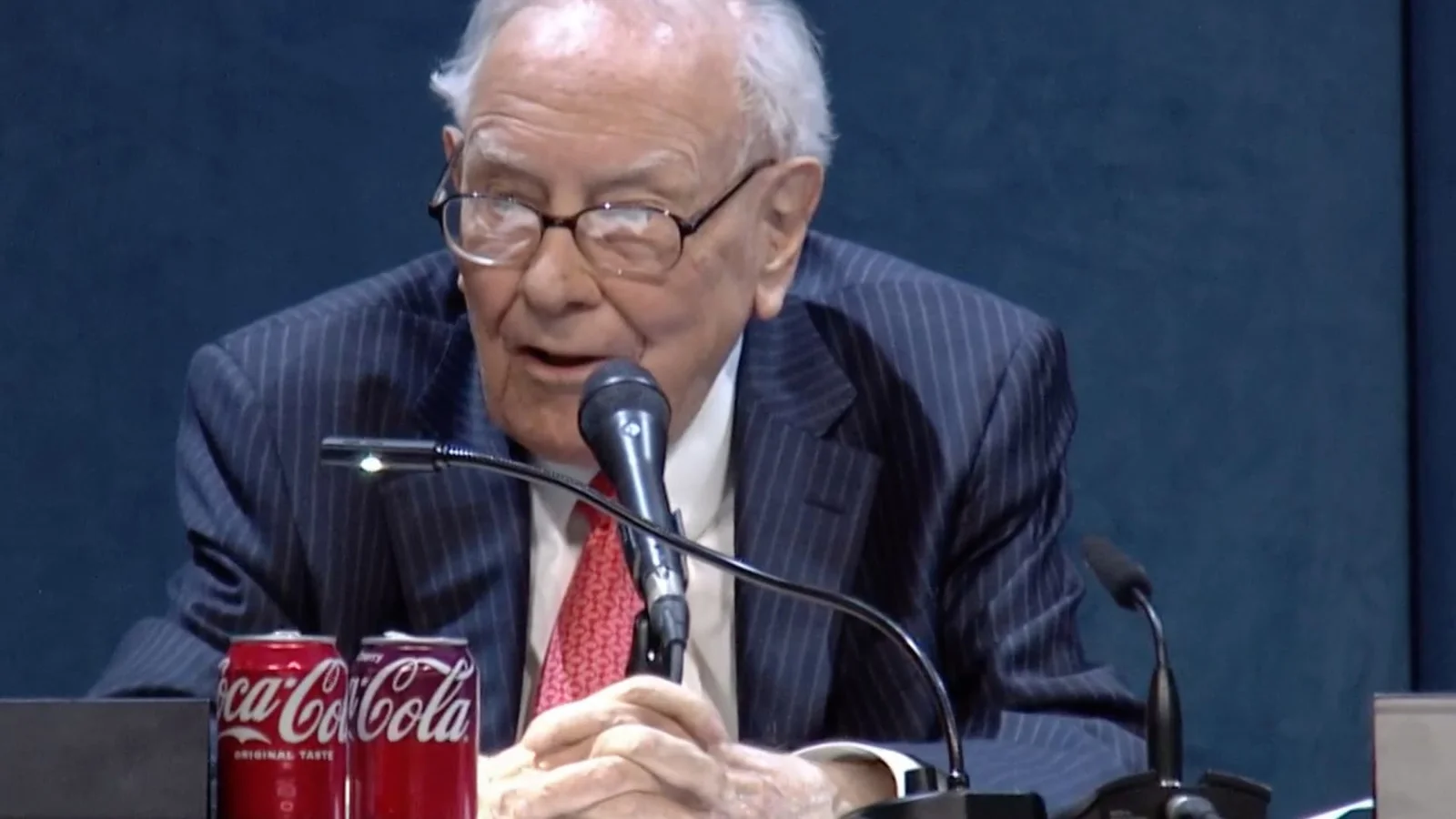
Warren Buffett expressed disappointment with Kraft Heinz's breakup plan, reflecting on a significant investment loss since the 2015 merger, with Berkshire Hathaway holding a large stake that has declined in value. Buffett doubts splitting the company will fix its struggles, which are compounded by industry challenges and past strategic missteps, including Berkshire's unchanged ownership and the company's underperformance.

Kraft Heinz is splitting into two companies to better focus on its core brands and address declining revenues and changing consumer preferences, undoing a 10-year merger that was heavily influenced by cost-cutting measures and investor pressure.

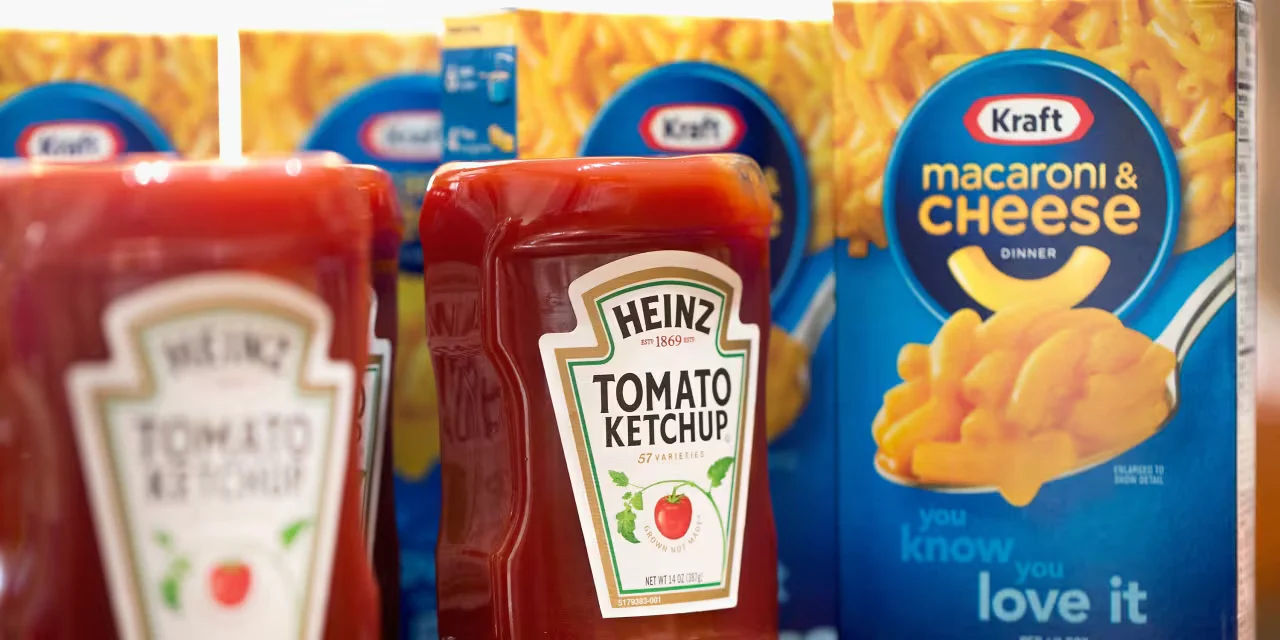
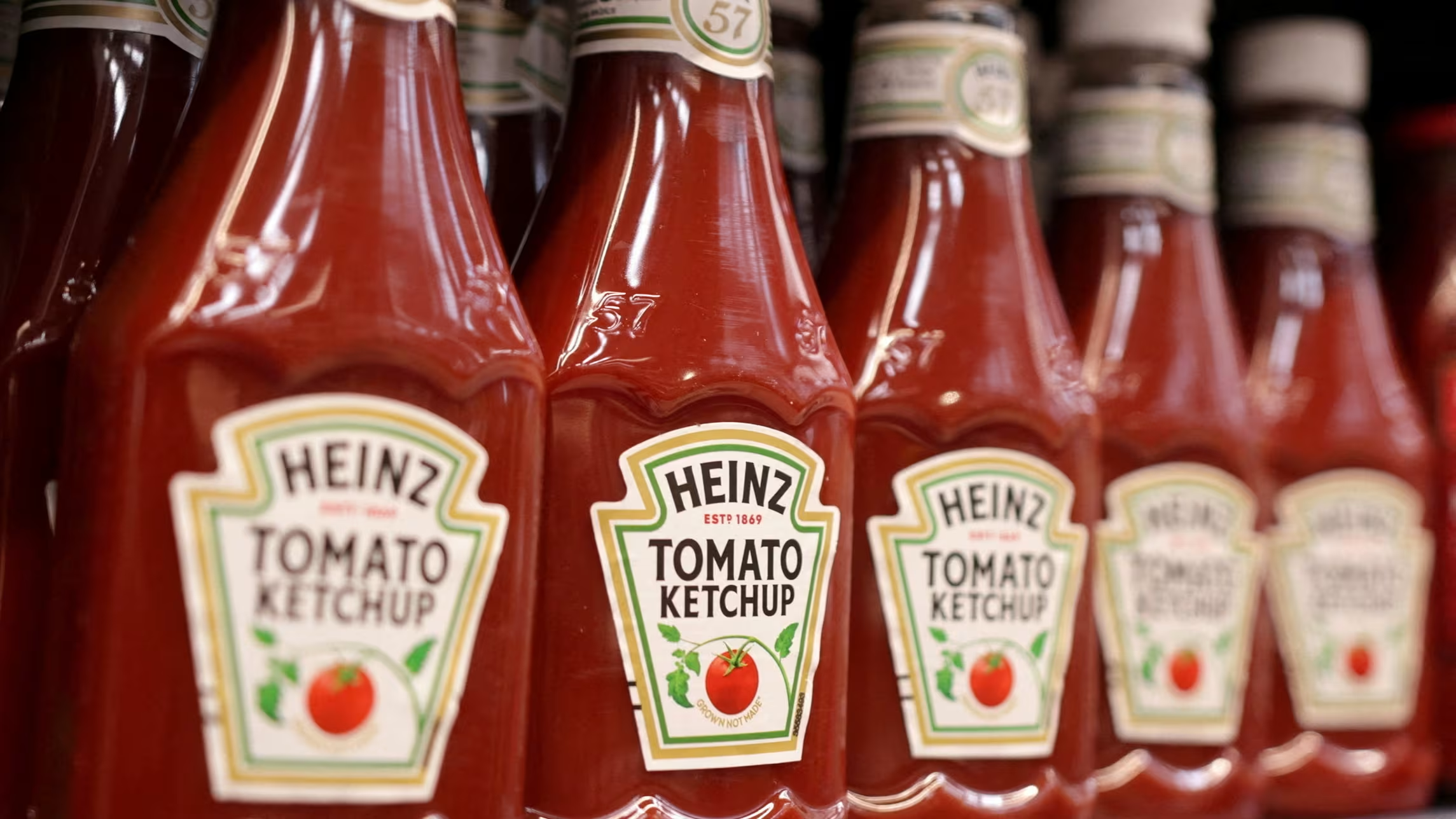
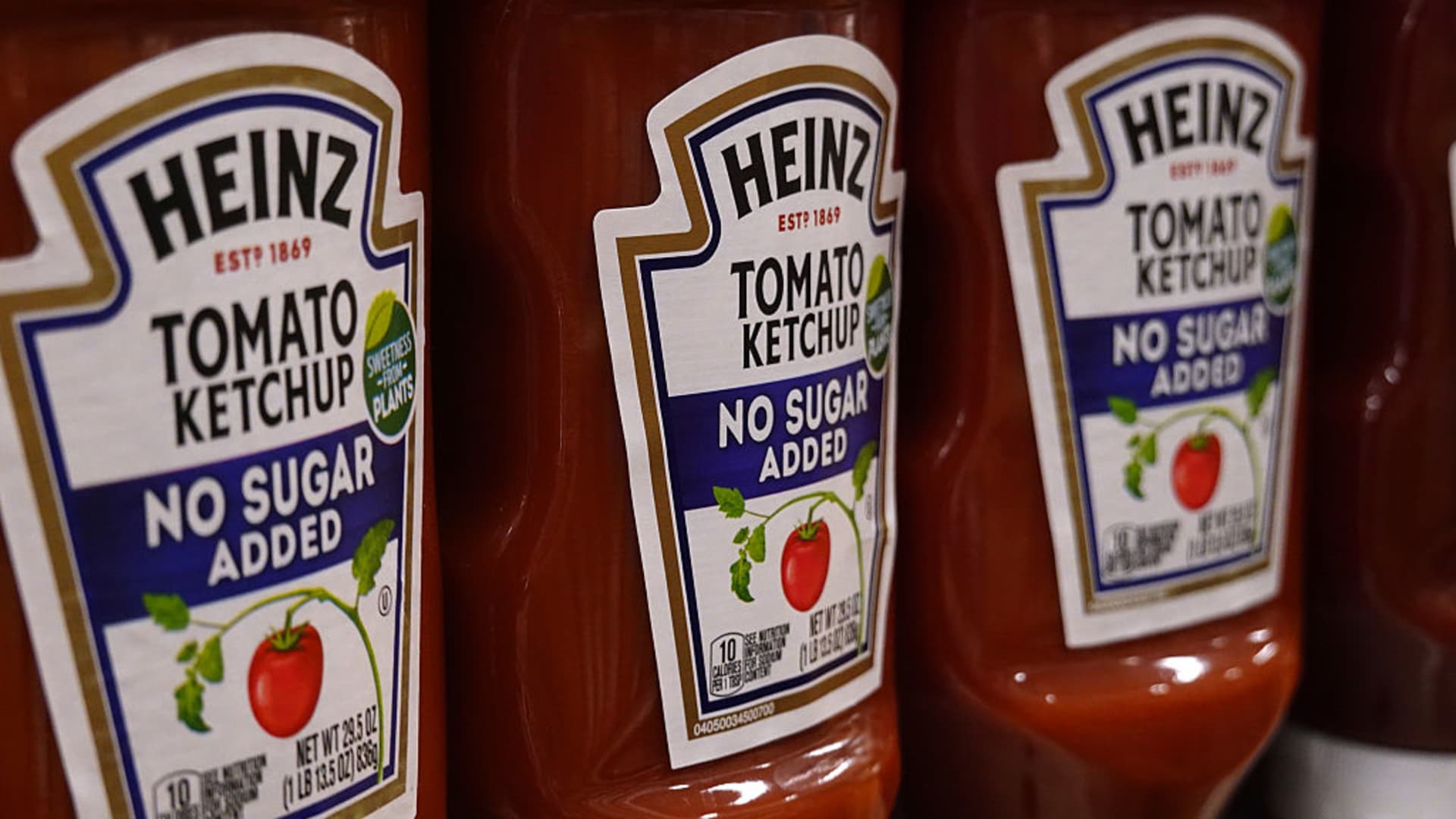
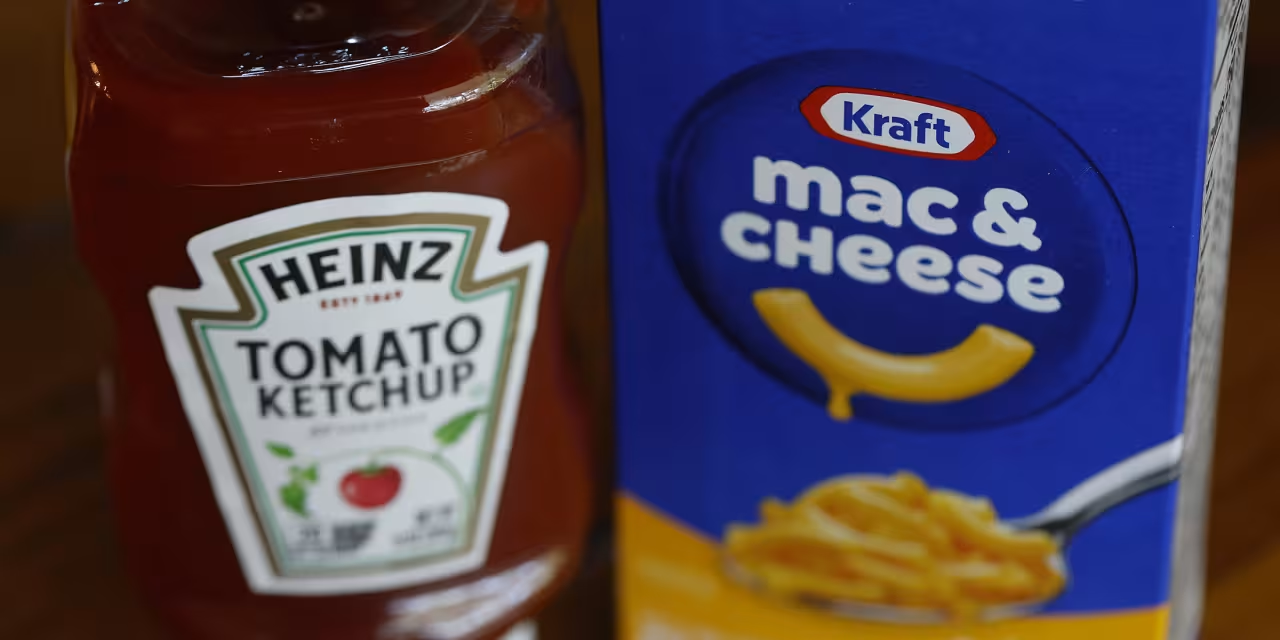
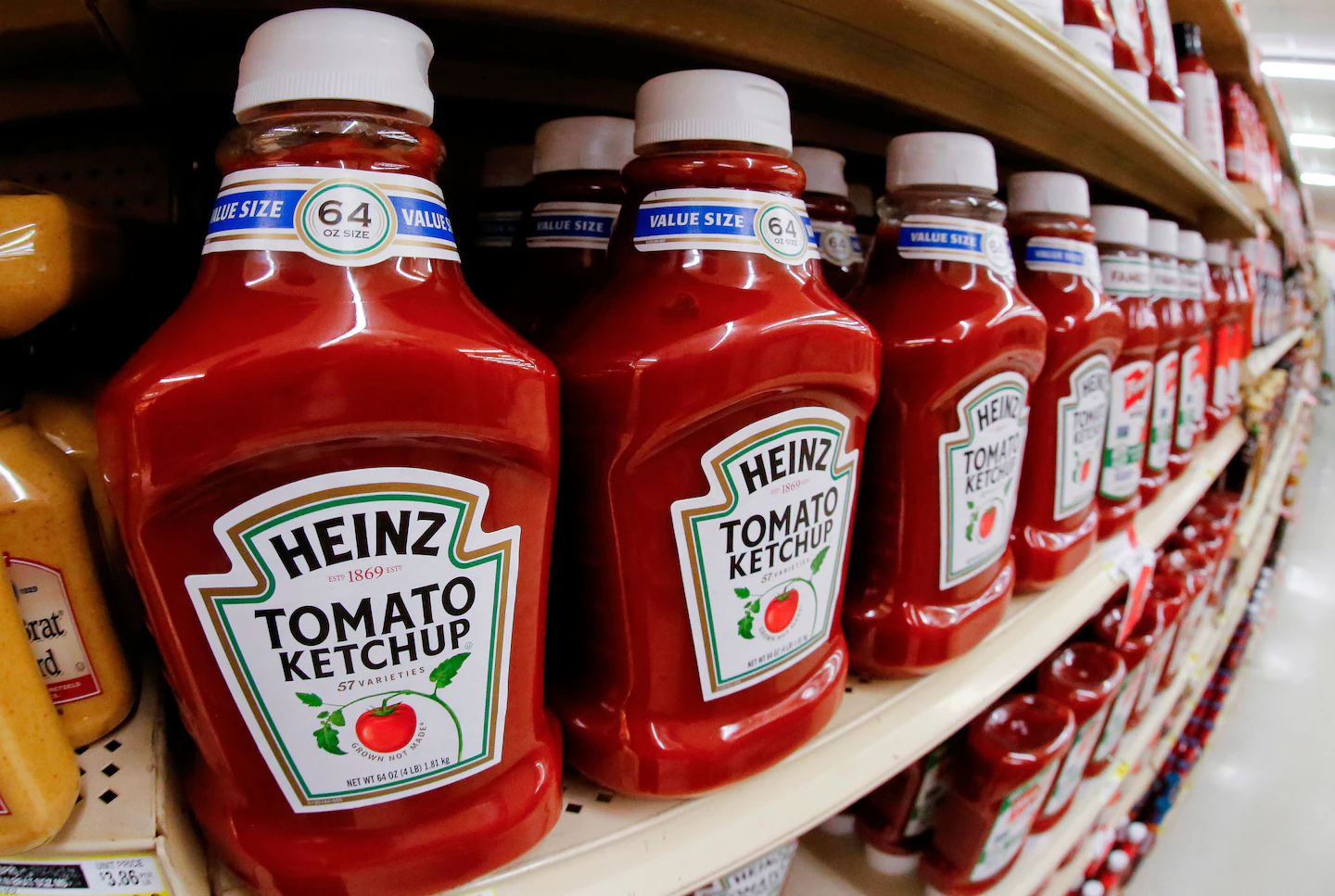
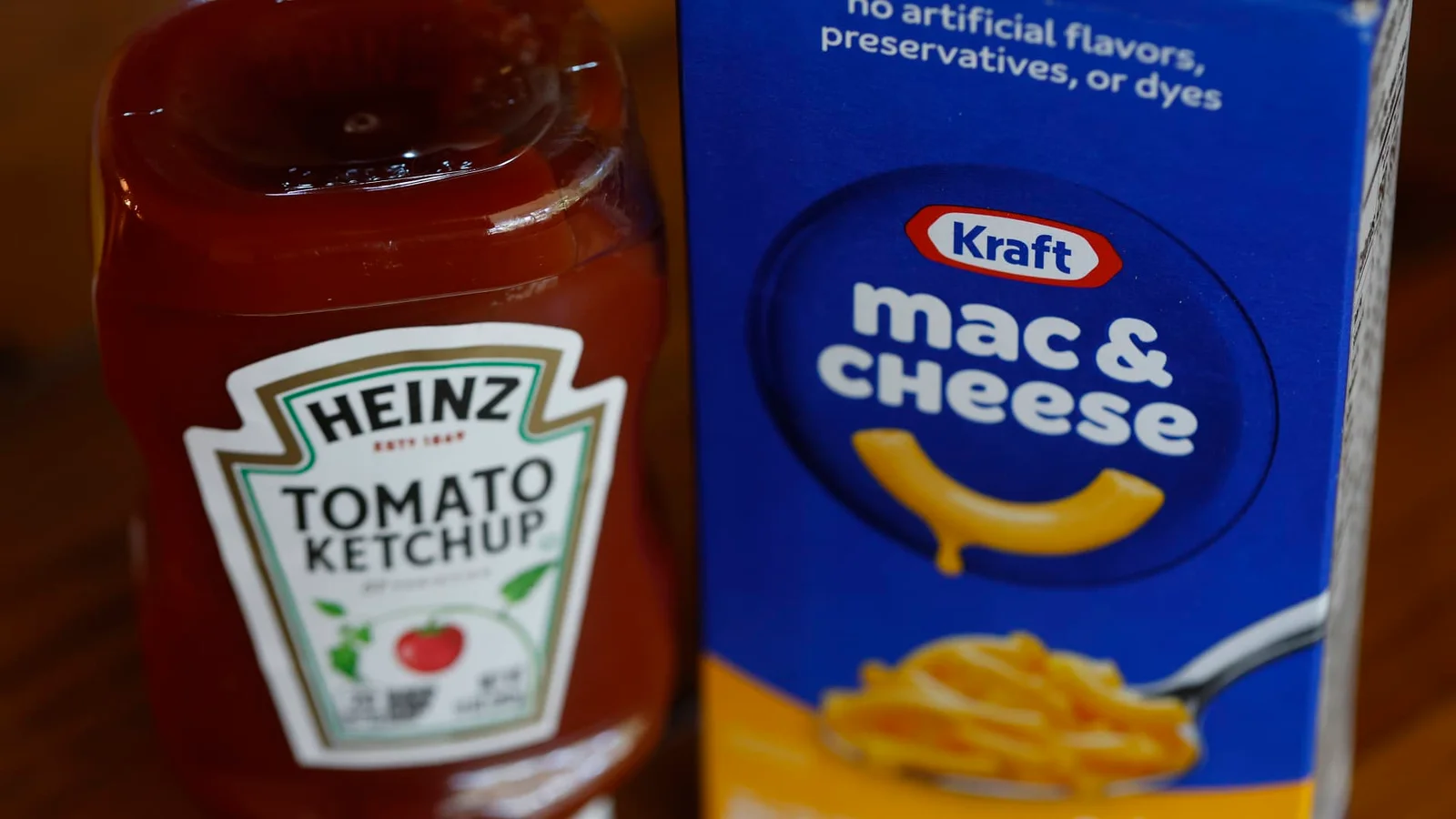
Kraft Heinz is splitting into two companies, one focusing on sauces and spreads with brands like Heinz Ketchup, and the other on meats and snacks like Oscar Mayer and Lunchables, as consumer preferences shift away from processed foods.

Centerview Partners advised Kraft Heinz on its recent decision to split into two separate publicly traded companies, unwinding a decade-old merger, as part of a broader industry trend towards breaking up large conglomerates into more focused entities.
Warren Buffett expressed disappointment in the Kraft Heinz split, which separates the company into two entities, and indicated that he does not believe dismantling the merger will resolve its issues, leading to a 5% drop in shares; Berkshire Hathaway remains the largest shareholder but is cautious about future moves.

Kraft Heinz is planning to split into two separate companies focusing on global sauces and North American grocery staples, aiming to improve focus and efficiency amid industry challenges, with the split expected to complete by late 2026. The move causes its stock to dip slightly and reflects a broader trend of major food companies restructuring to adapt to market pressures.

Kraft Heinz is splitting into two separate companies a decade after its merger, with one focusing on shelf-stable meals and the other on grocery brands, aiming to address challenges from shifting consumer preferences and operational complexities.

Kraft Heinz is splitting into two separate companies to better focus on different product categories, after a decade of challenges following its 2015 merger, which faced financial setbacks and strategic difficulties.

Kraft Heinz plans to split into two separate companies, separating its slower-growing grocery business from its faster-growing sauces and condiments, in response to changing consumer preferences and market pressures, aiming to unlock value and focus on core brands.