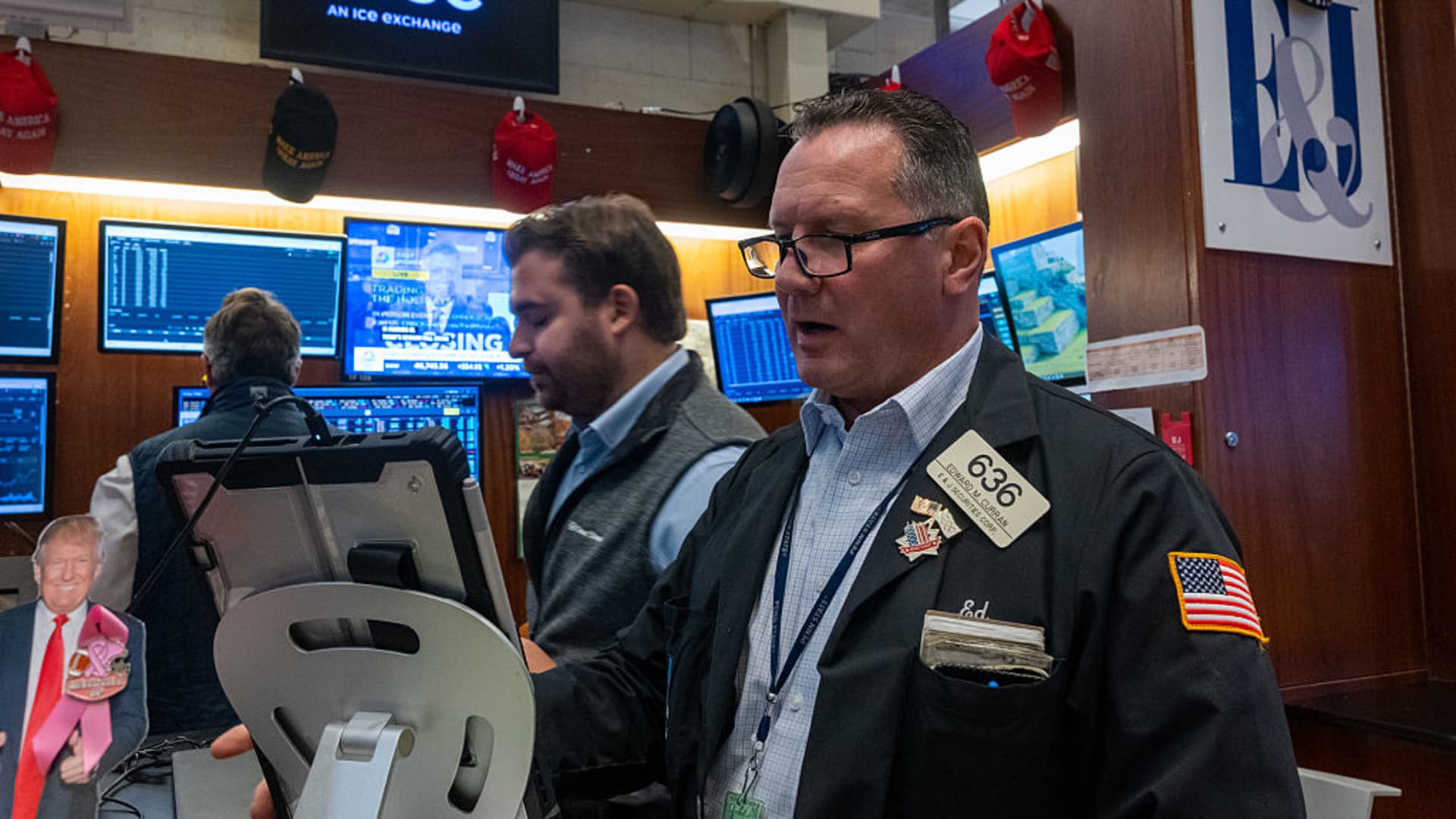
Stock futures remain stable after a record session driven by strong earnings, with the Dow reaching a new high. Netflix shares fell 6% following an earnings miss, while other companies like Intuitive Surgical and Western Alliance posted strong results. Investors await key upcoming earnings and inflation data, with market sentiment cautiously optimistic about further gains if tech stocks and earnings outperform expectations.
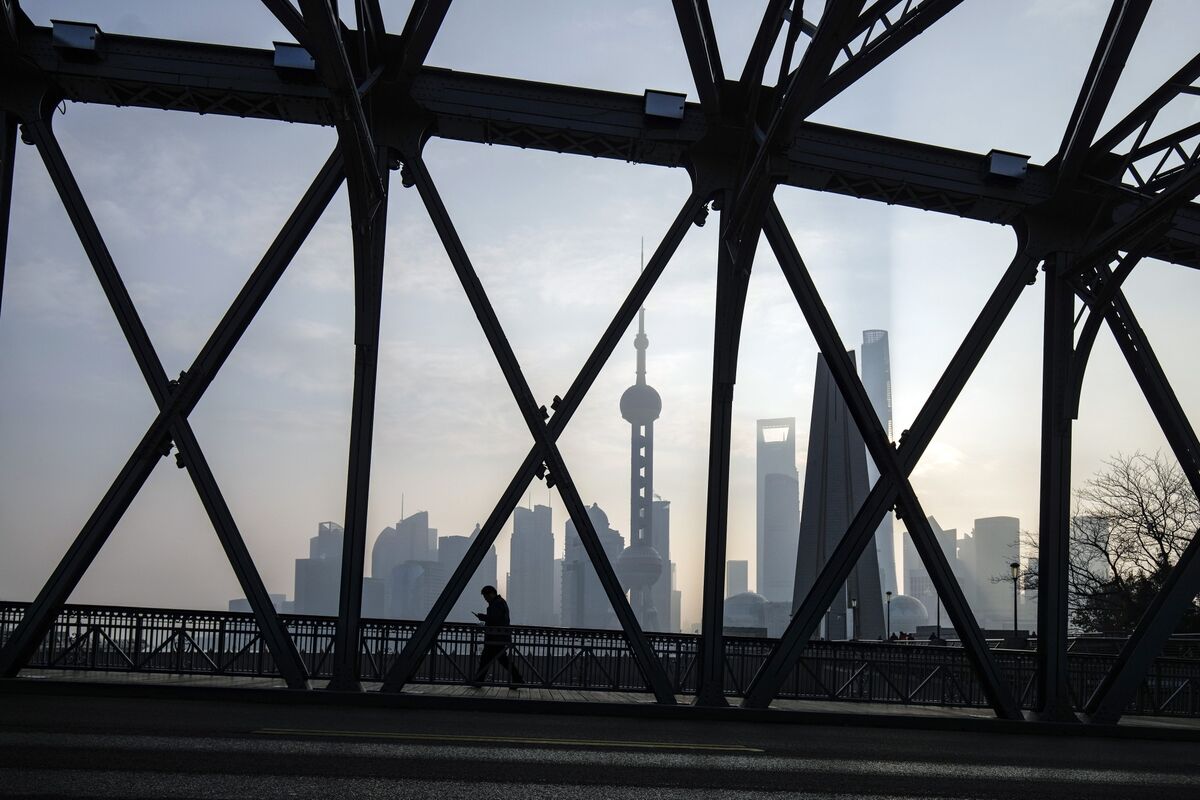
Fitch Ratings has downgraded China's outlook to negative from stable, citing the government's potential increase in debt as it aims to address a real estate-driven economic slowdown, leading to growing uncertainty about the country's economic future.
New York Community Bancorp's credit rating was downgraded to junk status by Fitch Ratings and further lowered by Moody's Investors Service after the discovery of "material weaknesses" in its loan risk tracking. Fitch cited concerns about the bank's controls around provisioning adequacy, particularly in relation to its concentrated exposure to commercial real estate. Moody's highlighted potential credit risk on office and multifamily loans, leading to expectations of increased provisions for credit losses. The stock plunged 26% following the announcement, but the bank's new CEO expressed confidence in executing a turnaround plan.
Fitch Ratings reports that banks in the Asia-Pacific region have exposure to troubled US commercial real estate (CRE), particularly office and retail properties, with some banks holding higher levels of US CRE loans than others. While exposure to US property, including CRE, is generally less than 2% of lending for publicly disclosed banks, the actual extent of exposure remains unclear due to limited data disclosure. The report highlights that US banks' exposure to US office CRE and US CRE debt in general is not as severe as initially feared, as the debt is held globally, with global investors and banks also bearing the risk.
Fitch Ratings has downgraded Ethiopia's credit rating further into junk territory, citing an "increased likelihood" of default. The country failed to pay a coupon on its $1 billion Eurobond, prompting Fitch to cut its rating to "C". If Ethiopia does not pay the coupon within a 14-day grace period, Fitch will downgrade it to "RD" or restricted default. The country's economy is still struggling with high inflation, hard currency shortages, and growing external debt repayments. Ethiopia has requested debt relief under the G20's Common Framework and has agreed to a debt service suspension with its official creditors. Talks with bondholders have broken down, and the government is in discussions with the IMF for a new lending program.
Fitch Ratings has affirmed Nigeria's 'B-' rating with a stable outlook, citing the ongoing reforms introduced by President Bola Tinubu's administration. The agency expects a partial recovery in oil production and projects moderate sovereign external debt service. The pace of reform progress has exceeded expectations, with the government eliminating fuel subsidies and streamlining exchange rate windows.
Fitch Ratings has warned that it may downgrade the credit ratings of over a dozen US banks, including major Wall Street lenders, due to downward pressure on the country's sovereign debt rating, gaps in regulatory framework, and uncertainty over interest rates. Another downgrade of the industry's score would force Fitch to reassess ratings on more than 70 US banks, potentially impacting banking giants like JPMorgan Chase and Bank of America. This comes after Moody's recently downgraded the ratings of 10 banks and placed six banking giants on review for potential downgrades, citing concerns over interest rates and commercial real estate risks.
Fitch Ratings has warned that it may downgrade the credit rating of the U.S. banking sector operating environment, potentially leading to credit downgrades for over 70 individual banks, including major institutions like JP Morgan Chase and Bank of America. If downgraded, banks would face higher borrowing costs, which would likely be passed on to consumers in the form of higher interest rates. This comes as banks are already under pressure from the Federal Reserve's anti-inflation interest rate hikes, which have reduced the value of their assets.
Shares of U.S. banks, including Bank of America, Wells Fargo, JPMorgan Chase, Goldman Sachs, Citigroup, and Morgan Stanley, dropped after Fitch Ratings warned of possible downgrades. This comes after Moody's downgraded 10 mid-sized lenders earlier this month. The sector was further affected by concerns over tighter regulation as the Federal Deposit Insurance Corp signaled a proposal to overhaul how regional banks prepare living wills. The S&P 500 banks index hit its lowest point in a month, and Discover Financial Services saw its shares fall after its CEO stepped down and a regulatory review was disclosed.
Fitch Ratings has warned that US banking giants, including JPMorgan, could face ratings reassessments if the overall industry's score is downgraded. In June, Fitch lowered its "operating environment" score for US banks, and another downgrade could lead to negative rating actions for more than 70 US banks. The restrictive monetary policy imposed by the Federal Reserve has created a challenging environment for banks, and Moody's has already slashed credit ratings for 10 US banks. The potential downgrades could have consequences for industry leaders and smaller lenders alike.
Dozens of US banks, including major players like JPMorgan Chase, could face downgrades in the near future, according to a Fitch Ratings analyst. A potential downgrade to A+ would trigger large-scale downgrades across the industry, forcing major banks like JPMorgan Chase and Bank of America to be downgraded as well. Lowering the overall industry rating would also lead to downgrades for banks below the top tier, including those on the verge of falling below investment grade. Moody's recently lowered credit ratings for 10 small and midsize US banks, with warnings of potential downgrades for major lenders like Truist Financial and State Street Corp.
Fitch Ratings has warned that multiple U.S. banks, including JPMorgan Chase, could face downgrades if the agency further reduces its assessment of the operating environment for the industry. Fitch had previously lowered the score of the U.S. banking industry's operating environment due to credit rating pressure, regulatory gaps, and uncertainty about interest rate hikes. Another downgrade would prompt Fitch to reevaluate ratings for over 70 U.S. banks. This comes after Moody's downgraded 10 mid-sized U.S. banks and indicated potential downgrades for others.
Fitch Ratings has warned that it may be forced to downgrade dozens of U.S. banks, including JPMorgan Chase, if it lowers the industry's score from AA- to A+. The credit rating agency's previous downgrade in June did not trigger downgrades on banks, but a further downgrade would require a reevaluation of ratings on over 70 U.S. banks. This move would potentially push weaker lenders closer to non-investment grade status. Factors that could lead to downgrades include the path of interest rates determined by the Federal Reserve and an increase in loan defaults beyond historically normal levels.
Fitch Ratings has downgraded the creditworthiness of the US government from AAA to AA+ due to the increasing size of US indebtedness and an "erosion of governance." The downgrade could have long-term implications for US economic growth and borrowing costs. The US Treasury currently owes $32.6 trillion, and if investors perceive US Treasury bonds as riskier, they may demand higher interest rates or become less interested in buying them, resulting in higher borrowing costs for the government. The federal government has limited options to cover its growing borrowing costs, including borrowing more money, hiking tax rates, or cutting spending, all of which have political consequences. Higher government debt is generally associated with lower long-term economic growth.
The threat of a US government shutdown looms as Congress left for an extended August recess without resolving conflicts over spending and social issues, raising the risk of a shutdown when federal funding runs out after September 30. Fitch Ratings' recent downgrade of US debt has emboldened Republicans to call for spending cuts. While the direct economic impact of a shutdown would likely be limited, it could complicate the Federal Reserve's policy making and potentially factor into their interest-rate decision in September. The shutdown could also dampen consumer spending, disrupt the labor market, and pose challenges for the US economy, which is already facing hurdles such as inflation and supply chain issues.