Millions of borrowers with defaulted federal student loans could have their income tax refunds seized under resumed government collection efforts; taxpayers can call a Treasury Department number to check if they’re on the offset list before filing, with the tax season opening Jan. 26.
The Trump administration announced it will start garnishing wages of defaulted student loan borrowers early next year, beginning with notices to about 1,000 borrowers in January, as part of efforts to recover debt after ending a pandemic-era payment pause. Critics argue this move is harsh amid economic struggles, while the administration emphasizes providing notice and opportunities for repayment.
The Trump administration will begin garnishing wages of about 1,000 defaulted student loan borrowers starting in January, as part of a broader effort to increase debt collection following the end of a repayment pause and changes to repayment plans, affecting millions of borrowers with over $1.6 trillion in federal student debt.
The Trump administration will begin garnishing the wages of defaulted student loan borrowers starting in January, affecting around 1,000 people initially, with the number expected to rise. The government can seize up to 15% of a borrower's after-tax income, leaving them with at least $217.50 weekly, as part of its efforts to recover federal debts amid a rising default rate among over 42 million student loan holders with more than $1.6 trillion in debt.
China Vanke's bondholders approved a plan to extend the grace period for a 2 billion yuan bond to January 27, narrowly avoiding default, but rejected a proposal to delay repayment by a year. The company is seeking to renegotiate terms amid ongoing debt concerns in China's property sector, which has been severely impacted since the Evergrande crisis. The outcome of these negotiations could influence Vanke's future debt management and market perception.
Google is making it easier for users to set AI mode as the default search option, which uses large language models to provide summarized information and advanced analysis, though it currently remains optional. The company is exploring ways to monetize AI results and is considering whether AI mode might become the default in the future, potentially impacting traditional web traffic and publisher revenue.
Nearly 2 million federal student loan borrowers could face wage garnishment this summer due to missed payments after pandemic relief ended, with defaults rising and credit scores dropping, prompting warnings from the Education Department and highlighting the ongoing debt crisis.
Republican leaders are taking a high-stakes gamble by relying solely on passing a comprehensive bill to raise the debt limit before the mid-July deadline, with no backup plan in place, risking a potential default if they fail to do so.
The US government is intensifying efforts to collect on defaulted federal student loans through wage garnishment and Treasury Offset, potentially affecting over 10 million borrowers, while recent legislation threatens to increase payments for millions enrolled in the SAVE plan, delaying loan forgiveness and raising financial burdens.
Federal student loan borrowers who default on their loans may face wage garnishments and other financial penalties, such as losing eligibility for certain mortgages. Borrowers are advised to address payment issues early by exploring options like deferment, forbearance, or income-driven repayment plans, which can prevent default and its consequences. Once in default, borrowers must undergo a loan rehabilitation process to access more affordable repayment options.
Fisker's stock has entered the delisting process on the New York Stock Exchange, potentially leading to a default on its 2026 notes and subsequent default on the 2025 notes. The company's decline and uncertain future are discussed by Yahoo Finance reporter Pras Subramanian, who suggests that Fisker may be sold to another company, similar to its previous acquisition by a Chinese company.
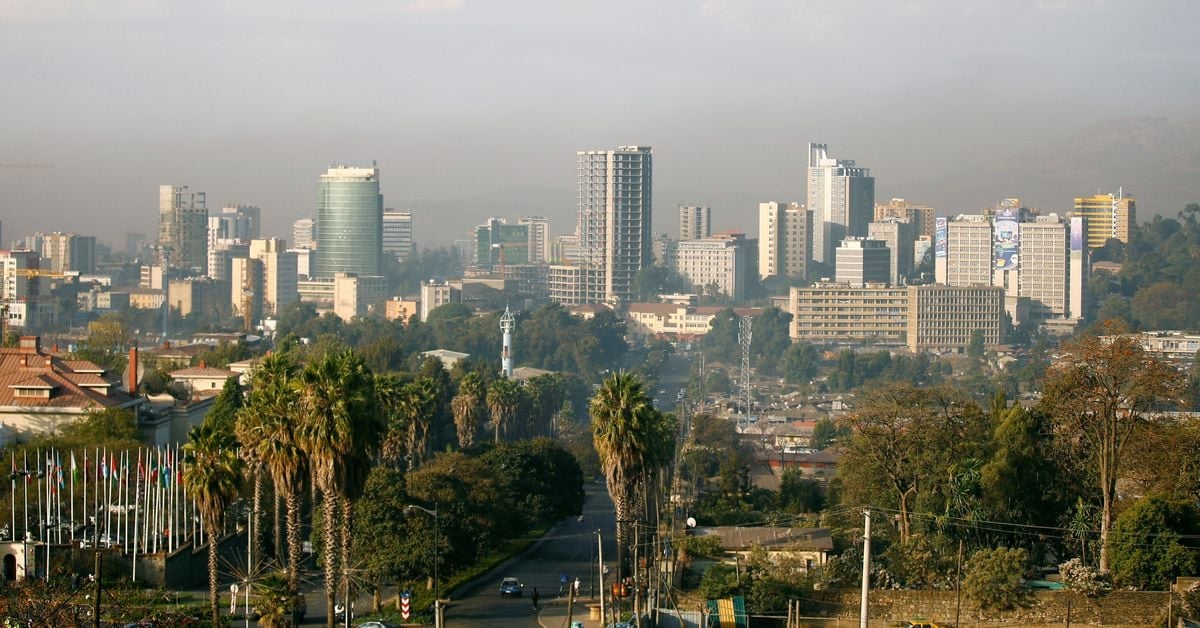
Ethiopia's government is seeking to negotiate a rework of its $1 billion Eurobond and has proposed a "loss reinstatement" provision for bondholders in case of future defaults. The country is facing default after failing to pay a $33 million coupon on its Eurobond, which has a 14-day grace period. The proposal includes addressing the concerns of bondholders who sought such a provision, but it may not meet their exact expectations. Ethiopia's economy is struggling with inflation, a hard-currency shortage, and growing external debt repayments. The government emphasized the need for debt relief to satisfy official creditors, including China, and avoid issues with other creditors. Ethiopia had requested debt relief under the G20's Common Framework and agreed to a debt service suspension with official creditors. Credit rating agency Fitch downgraded Ethiopia to "C" and warned of further downgrades if the coupon payment is not made.
Fitch Ratings has downgraded Ethiopia's credit rating further into junk territory, citing an "increased likelihood" of default. The country failed to pay a coupon on its $1 billion Eurobond, prompting Fitch to cut its rating to "C". If Ethiopia does not pay the coupon within a 14-day grace period, Fitch will downgrade it to "RD" or restricted default. The country's economy is still struggling with high inflation, hard currency shortages, and growing external debt repayments. Ethiopia has requested debt relief under the G20's Common Framework and has agreed to a debt service suspension with its official creditors. Talks with bondholders have broken down, and the government is in discussions with the IMF for a new lending program.
Ethiopia is scheduled to hold a call with its international bondholders on Thursday as it faces the possibility of defaulting on its $33 million bond coupon payment. Talks between the finance ministry and bondholders broke down last week, with disagreements over extending the maturity and spreading out repayments of its $1 billion international bond. Non-payment of the bond coupon would put Ethiopia on track to default after the grace period expires. The country, which requested a debt overhaul under the G20 Common Framework, is struggling to pay its debts due to the combined impact of the COVID-19 pandemic and a civil war. Ethiopia is also seeking a loan from the International Monetary Fund.
Chinese borrowers are defaulting on their loans in record numbers as the economic crisis in the country deepens. The default rate has been rising steadily, indicating the increasing financial strain on businesses and individuals. This trend highlights the challenges faced by China's economy and the potential ripple effects on global markets.