
Netherlands to reform €1.8tn pension system amid legal and market impacts
The Netherlands is implementing a major overhaul of its €1.8 trillion pension system to improve sustainability and adapt to changing demographics and economic conditions.

All articles tagged with #financial system
The Netherlands is implementing a major overhaul of its €1.8 trillion pension system to improve sustainability and adapt to changing demographics and economic conditions.

While the US national debt soared past $37 trillion amid increased government spending, Bitcoin's value surged as a decentralized, limited-supply asset gaining global institutional and cultural acceptance, positioning itself as a potential alternative to traditional fiat currencies and a symbol of financial freedom.
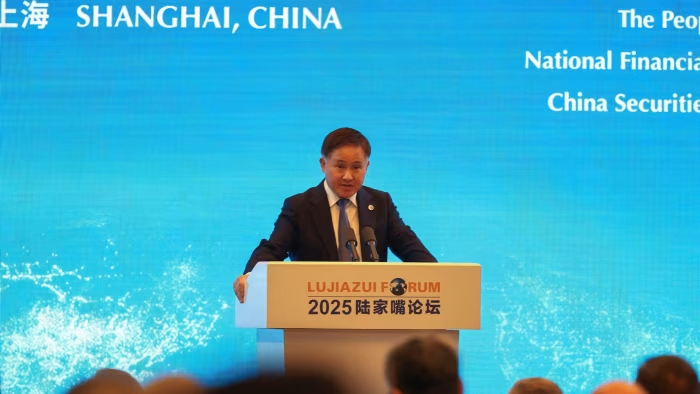
China's central bank governor predicts a shift towards a multi-polar international monetary system with the renminbi competing alongside the US dollar, driven by geopolitical tensions and financial innovations, including digital currency initiatives and international cooperation.
The Federal Reserve will engage in discussions this week regarding its balance sheet, focusing on when and how to slow the pace of draining excess cash from the financial system. The central bank will consider how much more it can shrink its $7.5 trillion portfolio of assets before potential issues arise, similar to those seen in 2019 prior to a funding squeeze.

US banks have loaned over $1 trillion to non-bank financial firms, known as shadow banks, according to Federal Reserve data, raising concerns among regulators about potential risks to the financial system. This amount has steadily risen from about $894 billion a year earlier, highlighting the growing influence of non-deposit-taking financial companies such as fintechs and private credit investors.
US lenders' debt to shadow banks has surpassed $1 trillion, raising concerns about the potential risks to the financial system. This trend highlights the growing reliance of traditional banks on non-bank financial institutions for funding, which could pose challenges during times of market stress.
The U.S. Department of the Treasury has taken action to protect the Iraqi financial system from abuse by identifying Al-Huda Bank as a primary money laundering concern and proposing a rule to sever its access to the U.S. financial system. The Office of Foreign Assets Control (OFAC) has also imposed sanctions on the bank's owner for supporting terrorist groups. These measures aim to prevent the bank from serving as a conduit for terrorist financing by Iran and its proxy groups, ultimately safeguarding the Iraqi and international financial systems from abuse.
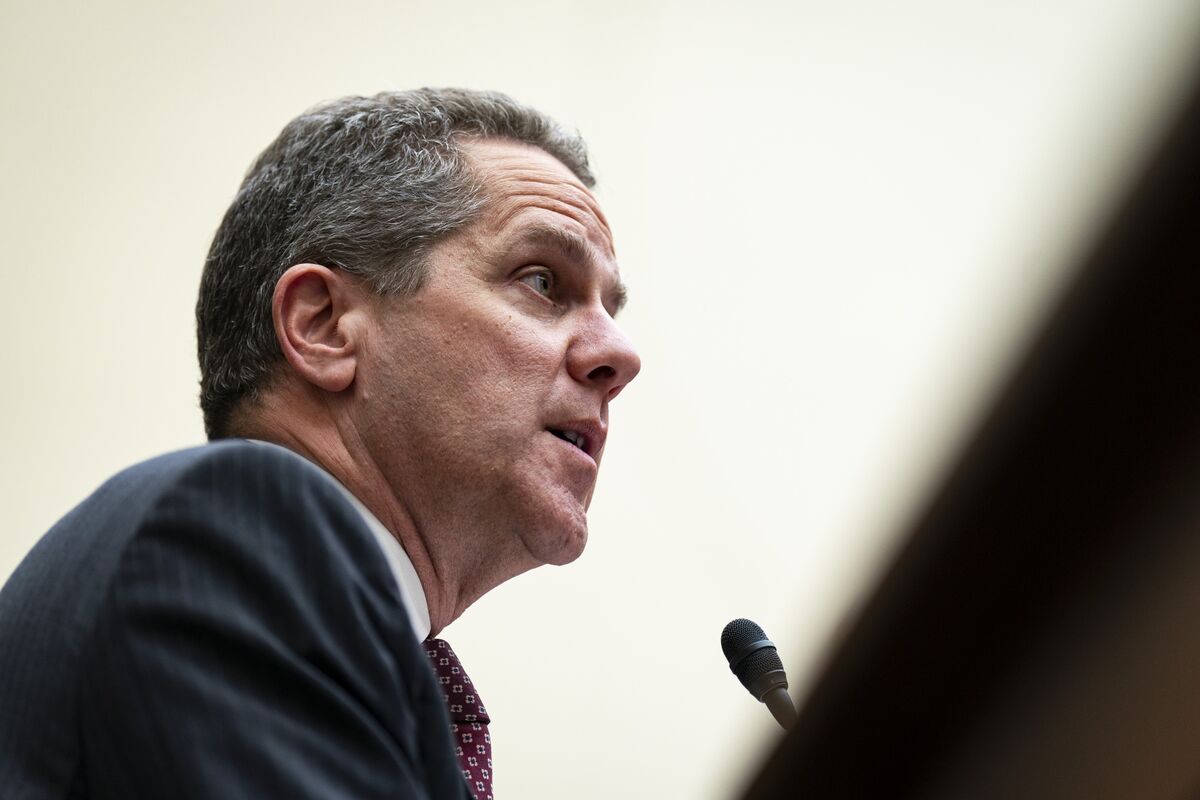
The Federal Reserve's vice chair for supervision, Michael Barr, indicated that the central bank is unlikely to extend the Bank Term Funding Program, an emergency loan program initiated during the regional banking crisis last year, as it has served its purpose in alleviating stress in the financial system. The temporary program is scheduled to expire on March 11.

The United Nations climate negotiations in Dubai will focus on the funding shortfall for climate change initiatives, particularly in developing countries. The current pledge of $100 billion per year by 2025 is inadequate, and talks are underway to establish a new funding target. Developing countries need significantly more money to adapt to the effects of climate change, with estimates suggesting they require at least 10 times the current funding. The World Bank and International Monetary Fund are being urged to play a larger role in channeling funds to vulnerable nations, while debt relief is seen as a critical way to free up resources for climate investments. Efforts are also underway to overhaul the global financial system to better support climate action.

Former BitMEX CEO Arthur Hayes argues that Binance and its founder Changpeng "CZ" Zhao have been treated unfairly in the US due to their threat to the traditional global financial system. Hayes points out the discrepancy in penalties between Binance and large traditional financial institutions, highlighting the arbitrary nature of punishment. He believes that the treatment of Binance and CZ reflects resistance against decentralization and the blockchain revolution, which challenge state power. Hayes himself has experienced state prosecution and argues that the intermediaries of the blockchain revolution are not run by the established financial and political class.
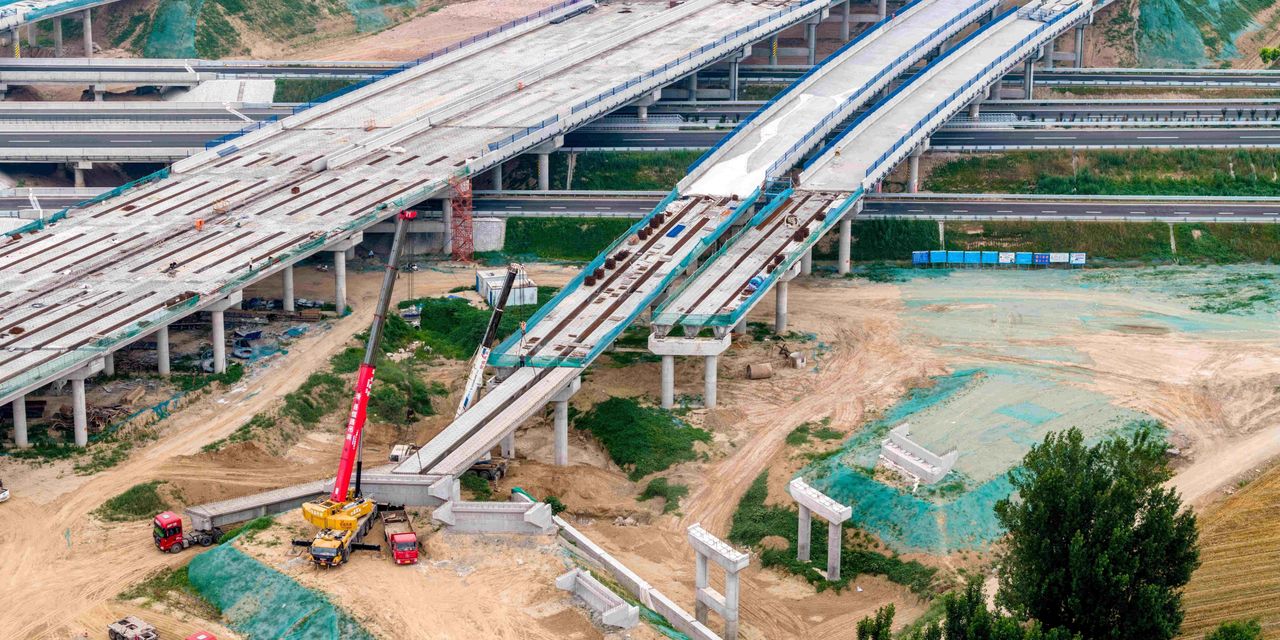
China's local government debt problem has reached a critical point after years of neglect, posing a significant risk to the country's financial system and overall economic trajectory. The actions taken by Beijing to address this issue will be crucial in determining the future stability of China's economy.

The Bank for International Settlements (BIS) has developed a prototype bitcoin monitoring system called Atlas, aimed at providing authorities with a clearer understanding of how, when, and where the cryptocurrency is being used. The system collects data from both publicly available "on-chain" crypto ledgers and harder to source "off-chain" data, offering a rough picture of cryptocurrency activity. The BIS' prototype produces dashboards that show information such as the conversion of bitcoin into US dollars in different parts of the world, providing insights into the adoption and importance of crypto markets. The system will be made available to a group of test central banks for feedback and further development.
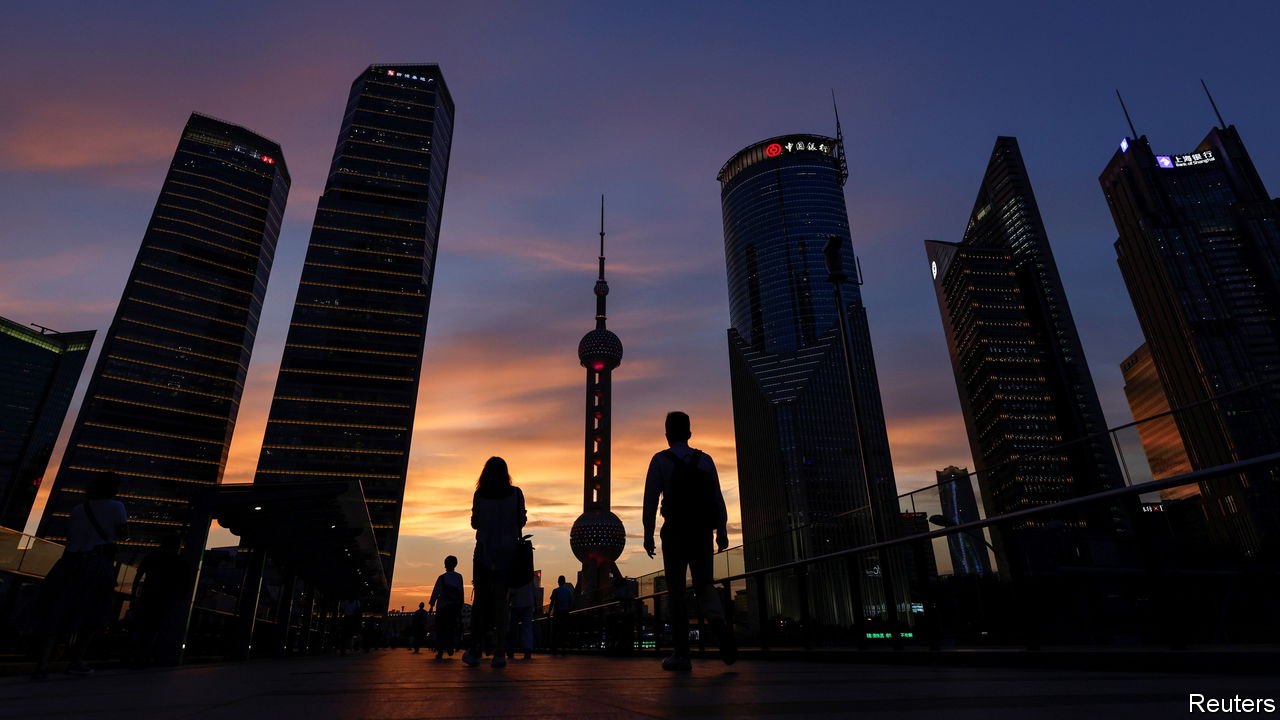
China's shadow-banking industry, particularly the trust industry, is facing significant challenges as weak economic growth and a wave of defaults in the property sector threaten the financial system. Xinhua Trust, the first Chinese trust to go bankrupt in over two decades, is selling its assets at discounted prices, signaling the troubles faced by the industry. Zhongrong, one of China's largest trusts, has also missed payments to clients, raising concerns of further collapses and economic problems. The interconnectedness between trusts, local governments, developers, and larger financial firms has spooked investors and contributed to the poor performance of the Chinese stock market. Policymakers are aware of the risks and have implemented regulatory measures, but the extent of the industry's connections and challenges may pose difficulties in resolving the situation.
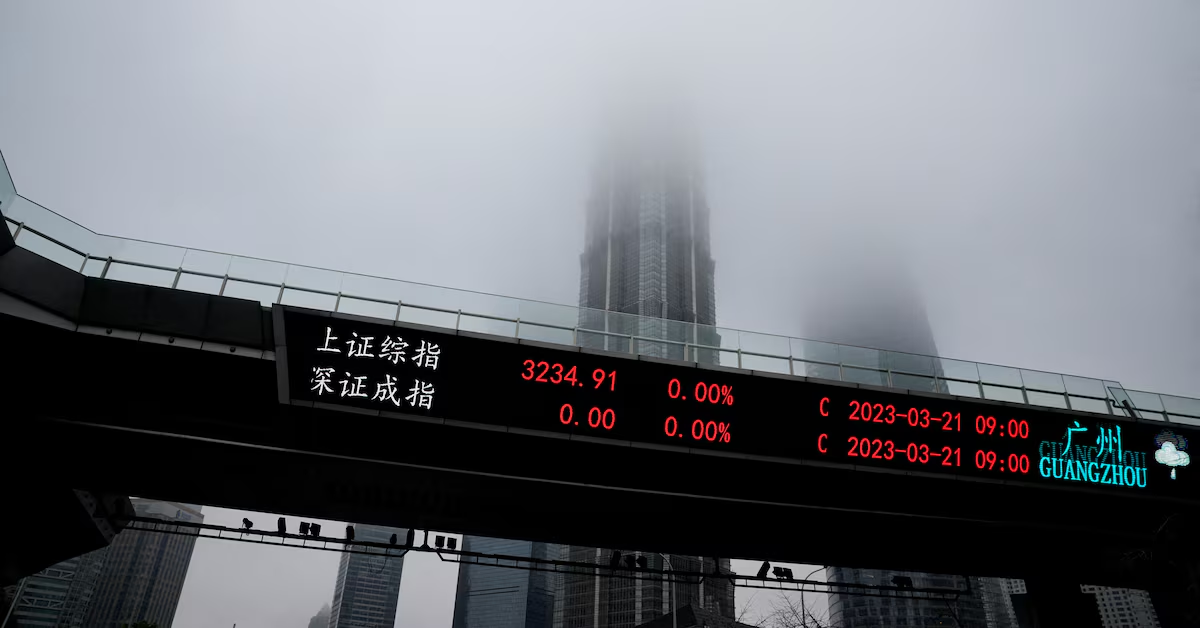
Chinese investors in trust products of Zhongrong International Trust Co., a leading Chinese shadow bank, have lodged complaints with regulators after the firm missed payments on dozens of investment products. The trust firm has missed payments on at least 22 products since late July, involving nearly 30,000 investors and an outstanding value of about $21.96 billion to $27.43 billion. Investors are urging the National Financial Regulatory Administration and the Central Commission for Discipline Inspection to intervene and demand transparency regarding the firm's defaulted products and repayment plans. The situation raises concerns about the stability of China's financial system amid a property market crisis and a slowing economy.
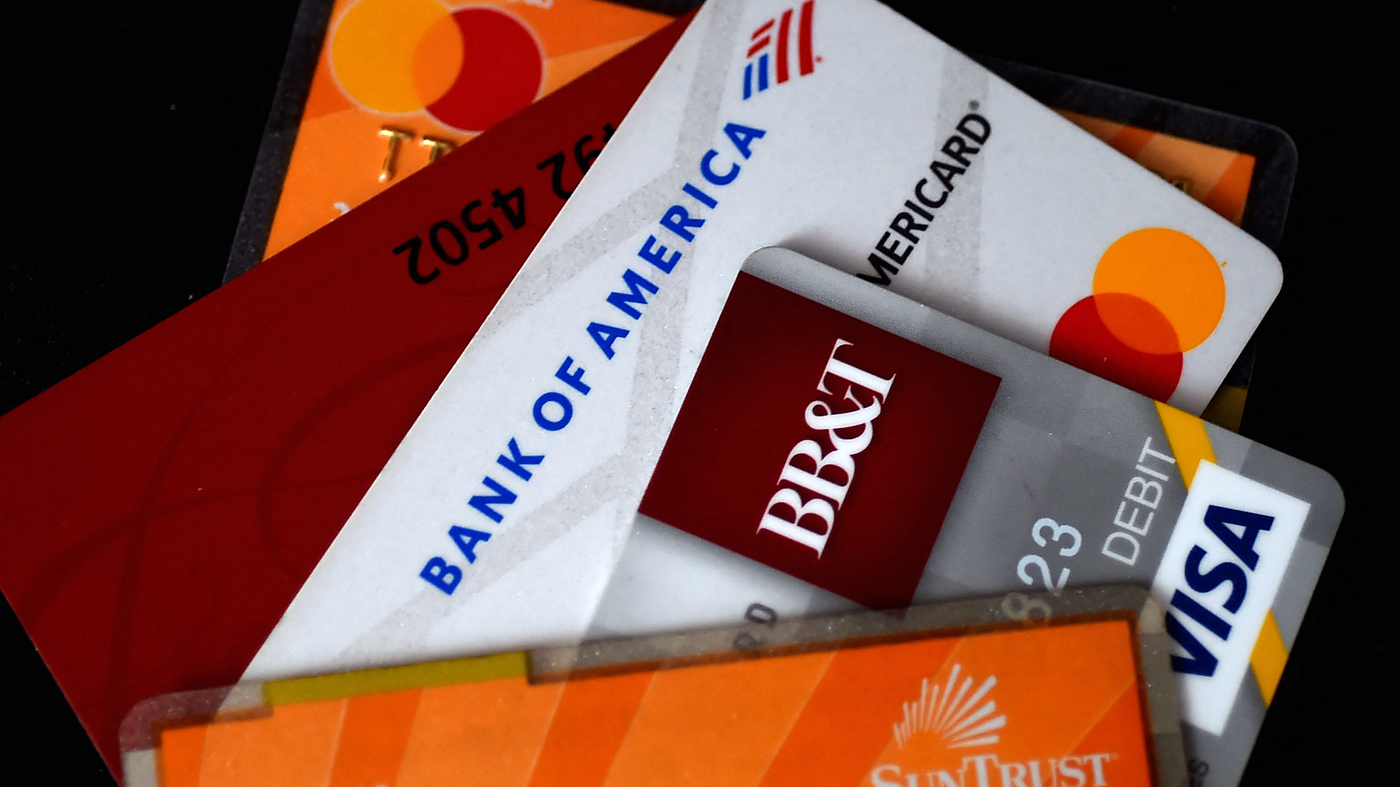
The sell-off in bond markets, which has resulted in high bond yields, is impacting borrowing costs such as interest rate payments for credit cards, mortgages, and auto loans. This could lead to a broader economic slowdown, as businesses face higher debt servicing costs and may shy away from hiring and investments. The U.S. government will also have to pay higher interest rates on its bonds, widening the country's budget deficit. Additionally, the decline in bond prices is causing difficulties for banks, as their bond holdings decline in value and they have to pay more interest to depositors.