
Car impairment-detection mandate stalls as federal timetable slips
A federal requirement to equip new cars with impairment-detection devices is facing delays, pushing back the rollout timeline and leaving implementation dates uncertain.

All articles tagged with #federal regulation
A federal requirement to equip new cars with impairment-detection devices is facing delays, pushing back the rollout timeline and leaving implementation dates uncertain.

President Trump signed an executive order to reclassify cannabis from Schedule I to Schedule III, potentially easing regulations and benefiting Colorado's marijuana industry by allowing tax deductions and recognizing medical legitimacy, though recreational use remains illegal federally. Reactions are mixed, with some officials and industry leaders optimistic about economic and research opportunities, while health experts caution about public health risks and the need for more research. The move marks a significant symbolic step towards broader acceptance of marijuana in the U.S.
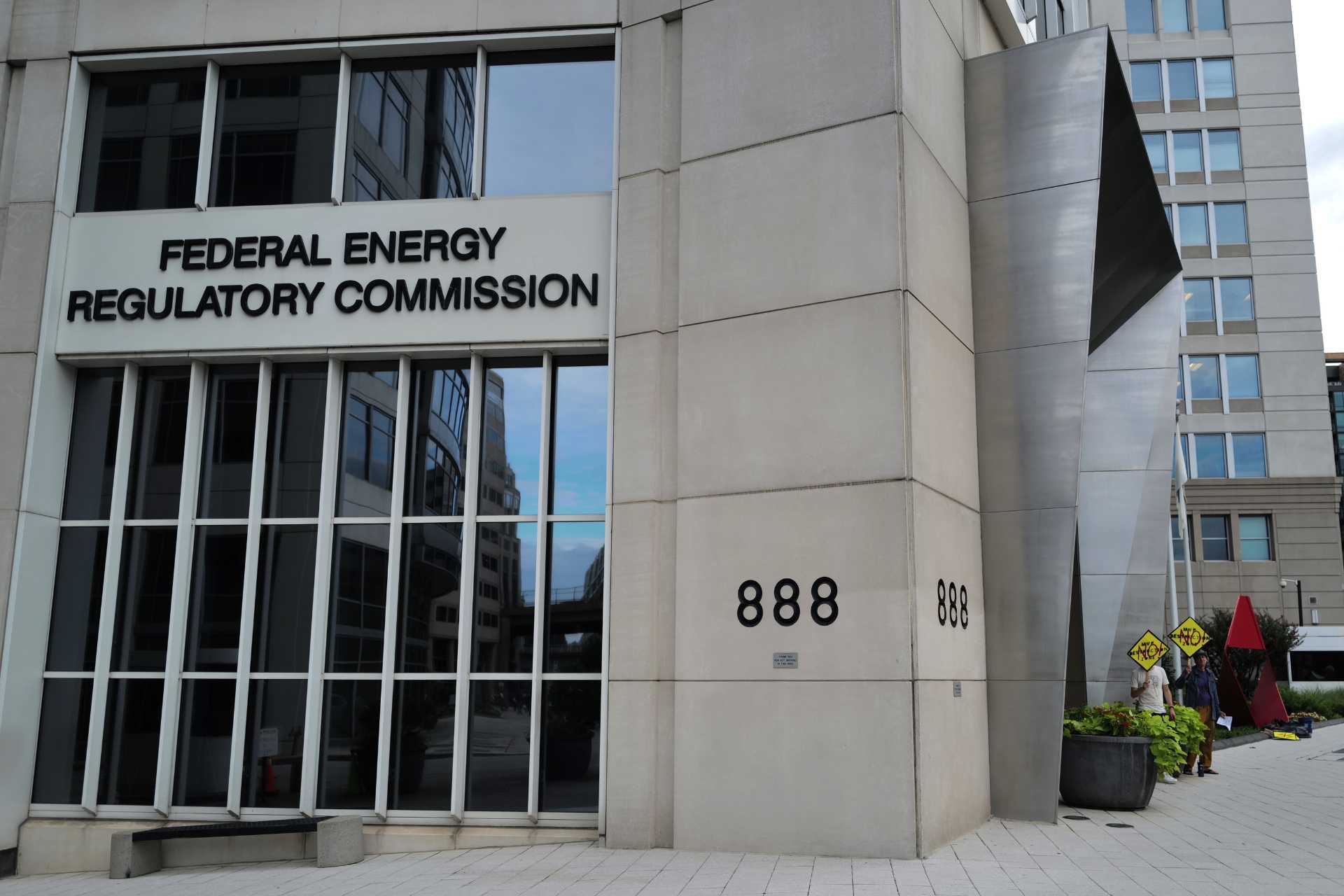
Energy Secretary Chris Wright has directed FERC to expedite the interconnection process for large, flexible loads like data centers, proposing new principles to standardize and accelerate the process amid growing demand for AI infrastructure and grid capacity concerns.

A new federal rule aimed at improving airline support for travelers with wheelchairs has been delayed and challenged in court by major airlines, raising concerns among disability advocates about the safety and reliability of air travel for disabled passengers.
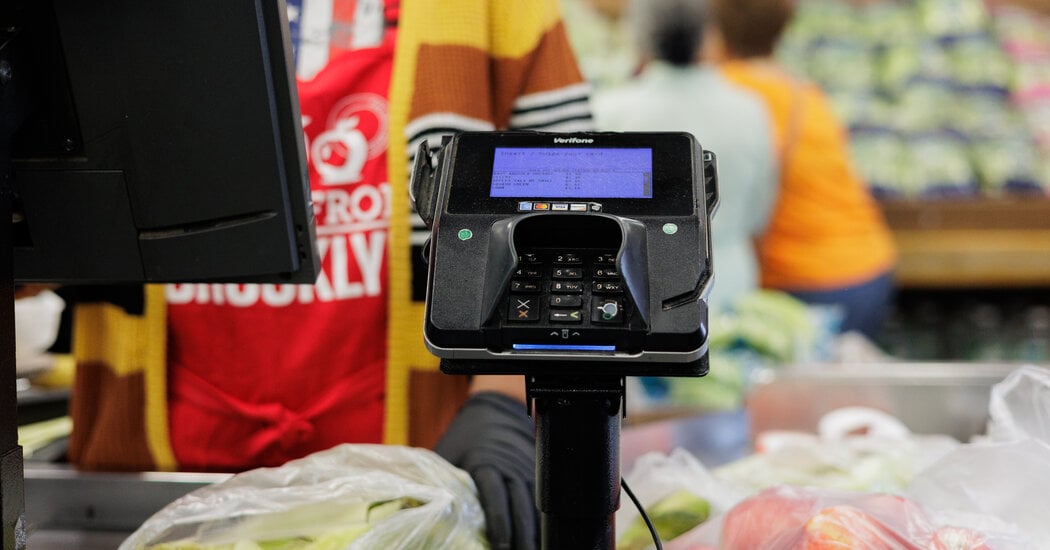
A new federal rule has been introduced to limit overdraft fees at large banks, aiming to enhance consumer protection and reduce the financial burden on customers. This regulation is part of broader efforts to ensure fair banking practices and improve transparency in financial services.
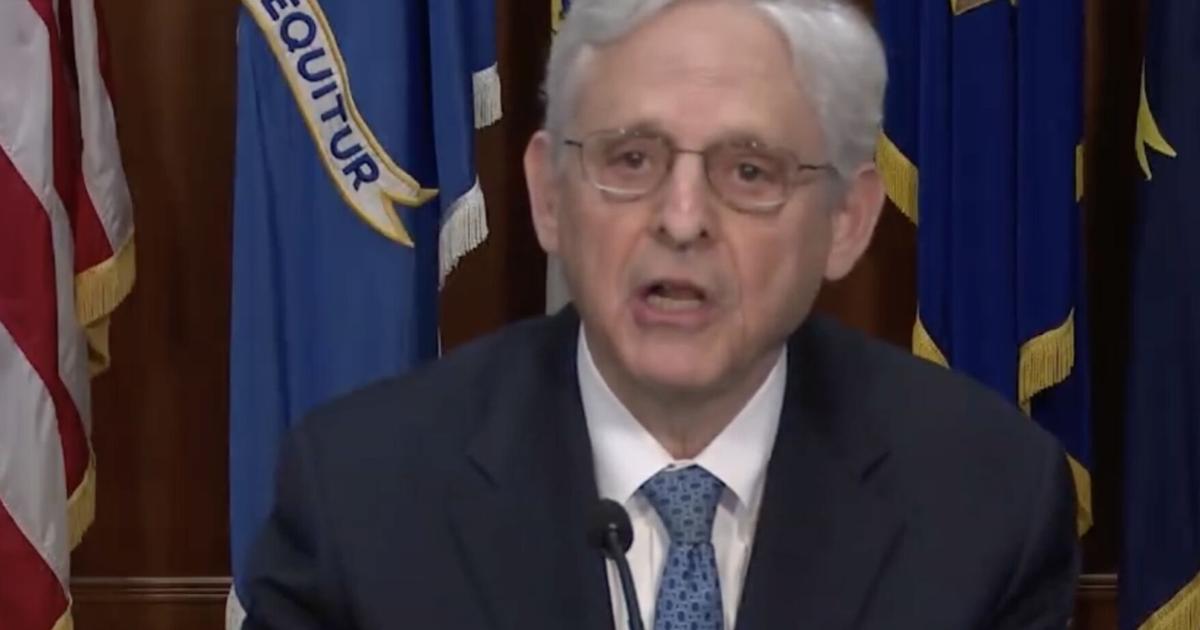
Texas secured two legal victories against federal regulations. A federal judge ruled the Corporate Transparency Act unconstitutional, blocking its reporting requirements for small businesses. The act mandated disclosure of personal information to the Treasury, which Texas argued infringed on state authority. Separately, Texas won a case against the U.S. Department of Health and Human Services, which had sought to enforce a rule allowing minors to receive contraceptives without parental consent, violating Texas law. The Biden administration conceded, ensuring Texas health entities comply with state law.
Elon Musk and Vivek Ramaswamy are leading a new initiative called the Department of Government Efficiency (DOGE), which aims to highlight and potentially exploit areas of government spending and regulation for personal and business gain. The initiative, supported by Trump, targets projects like California's high-speed rail and agencies like the FDA and CFPB, aligning with Musk's interests in transportation and Ramaswamy's pharmaceutical ventures. Critics argue that DOGE's efforts could undermine public infrastructure and regulatory oversight, benefiting billionaires and their businesses.
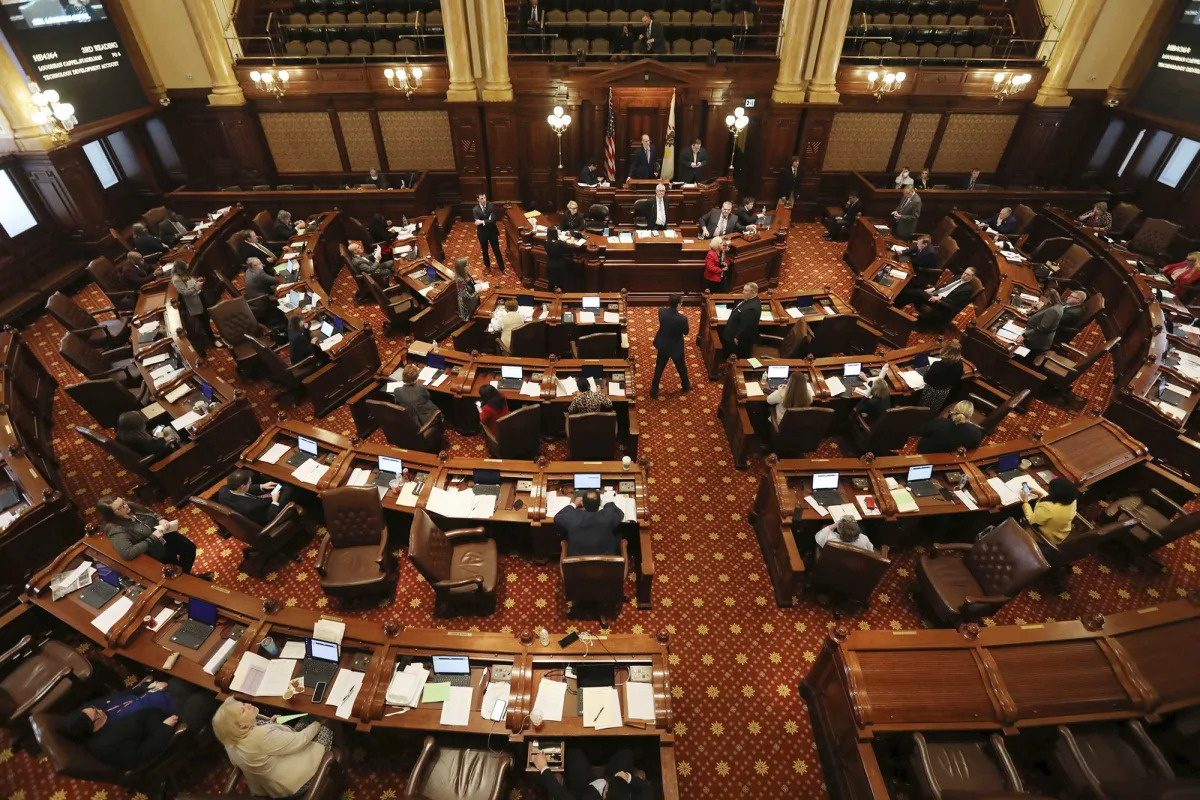
The patchwork of state laws governing artificial intelligence in the US is causing confusion for businesses, with 30 states and the District of Columbia proposing or adopting new laws placing constraints on AI systems. The lack of direct federal regulation has led to a variety of state-specific legislation targeting issues such as data transparency, reducing bias, and protecting consumers from AI-generated decisions. While these laws reflect federal priorities, their subtle differences make compliance challenging for businesses, with some states requiring risk assessments and others enacting opt-out provisions.

The Biden administration's new Energy Department regulation will modestly tighten efficiency requirements for a small fraction of gas stoves on the market, putting an end to the political fight over the appliances. Despite GOP warnings, the new measure would only affect 3% of the models on the market, and the finalized rule also included standards for electric stoves and ovens. The department projected that the standards will decrease carbon dioxide emissions by nearly 4 million metric tons cumulatively over 30 years. The fight over efficiency standards is likely to extend to other department rulemakings, including upcoming rules for dishwashers and clothes washers and dryers.

A bipartisan group of lawmakers challenged the U.S. assisted-living industry over issues such as low staffing, high costs, and poor care, following a Washington Post investigation revealing preventable deaths of elderly people with dementia wandering away unnoticed from facilities. The Senate Special Committee on Aging held a hearing to address the lack of federal oversight and transparency in the industry, with calls for national standards and federal regulation similar to nursing homes. Industry representatives expressed concerns about federal regulation, while families shared stories of inadequate care. The hearing comes after a Post investigation documented nearly 100 walkaway deaths and highlighted the industry's rapid growth and challenges in handling residents with high medical and behavioral needs.
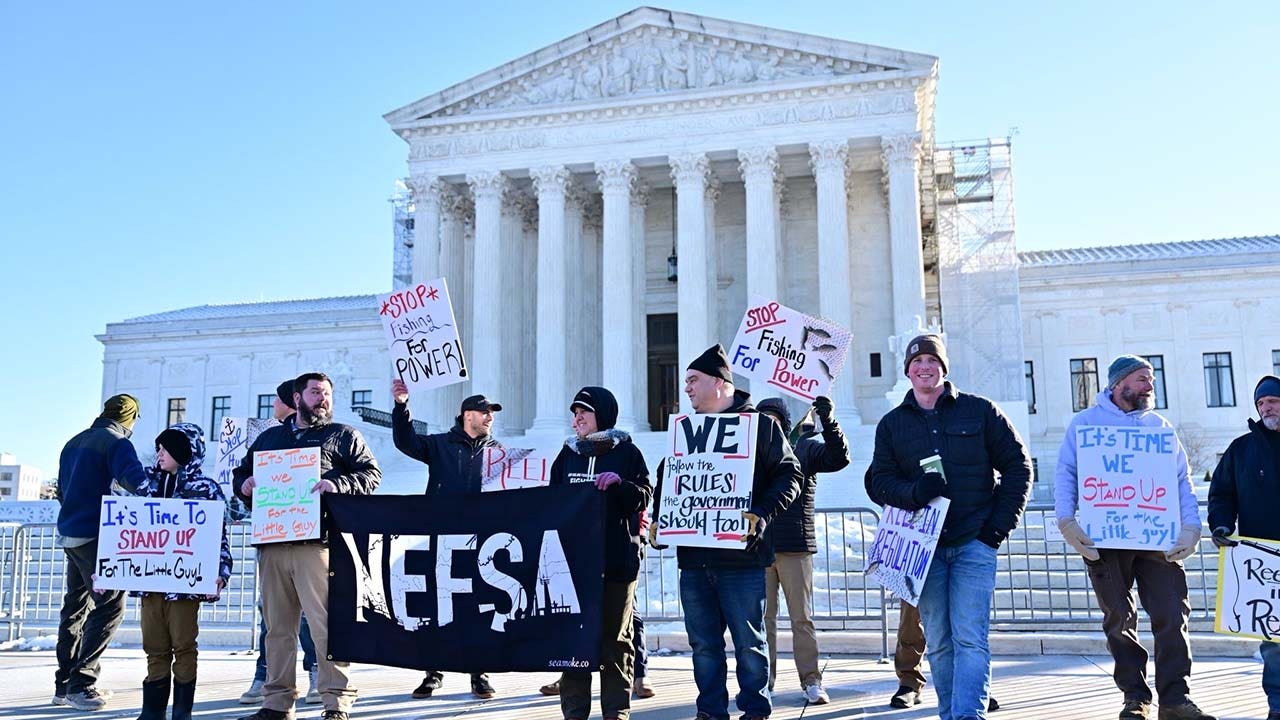
The Supreme Court's conservative majority appears inclined to challenge the Chevron doctrine, a legal theory giving deference to federal agency regulations, in response to lawsuits from East Coast fishermen contesting a National Oceanic and Atmospheric Administration (NOAA) rule. Justices expressed concerns about the doctrine's impact on various groups and its potential for instability, while the government argued that overturning Chevron would disrupt the legal framework. The fishermen argue that the mandated cost of at-sea monitors significantly impacts their businesses, and a ruling is expected by late June.
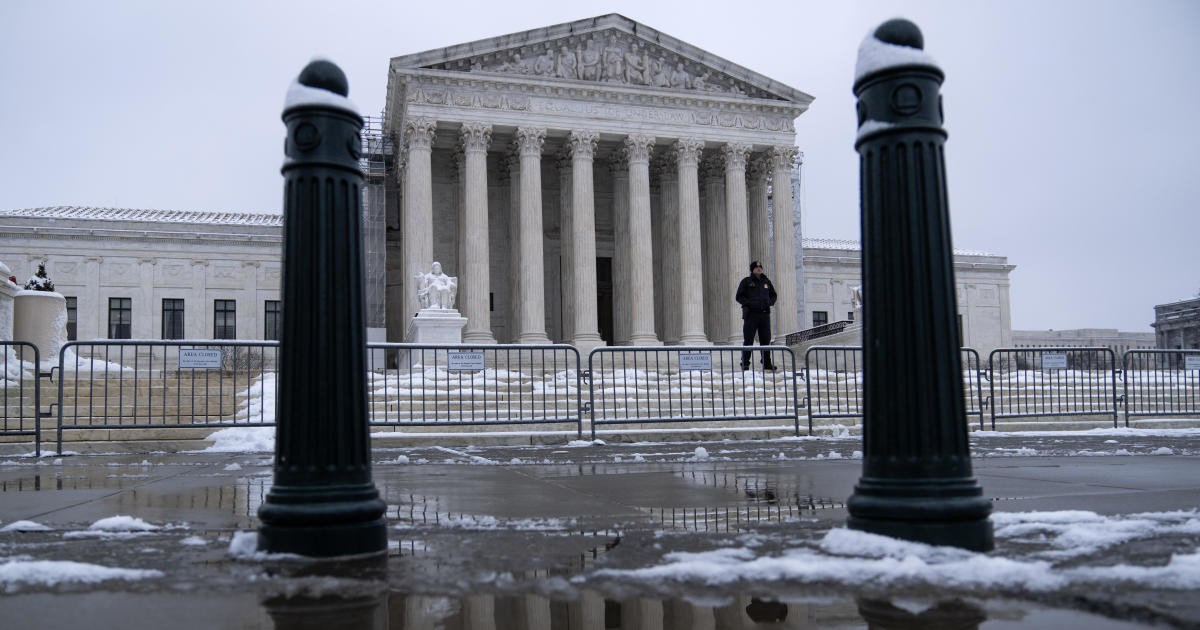
The Supreme Court's conservative majority signaled a potential shift in federal regulatory power by considering a case that could limit agencies' ability to interpret laws passed by Congress, known as "Chevron deference." The case involves a 2020 federal regulation requiring fishing vessel owners to pay for at-sea monitors, but the focus of the arguments centered on the 40-year-old legal doctrine of Chevron deference. Critics argue that this doctrine gives federal agencies too much power, and the conservative justices appeared open to curtailing it, expressing concerns about its impact on different classes of individuals. A decision from the court is expected by the summer.

The Supreme Court has agreed to hear a case brought by New Jersey fishermen challenging a regulation issued by the National Oceanic and Atmospheric Administration (NOAA) that requires fishermen to pay up to $700 per day to fund the salary of a contractor who monitors their boat to ensure compliance. The fishermen argue that the regulation is out-of-bounds for a federal agency and should only be imposed by Congress. The case could determine whether costly federal regulation has overstretched its legal boundaries and whether the Chevron legal doctrine, which gives excessive deference to administrative agencies, should be overturned.
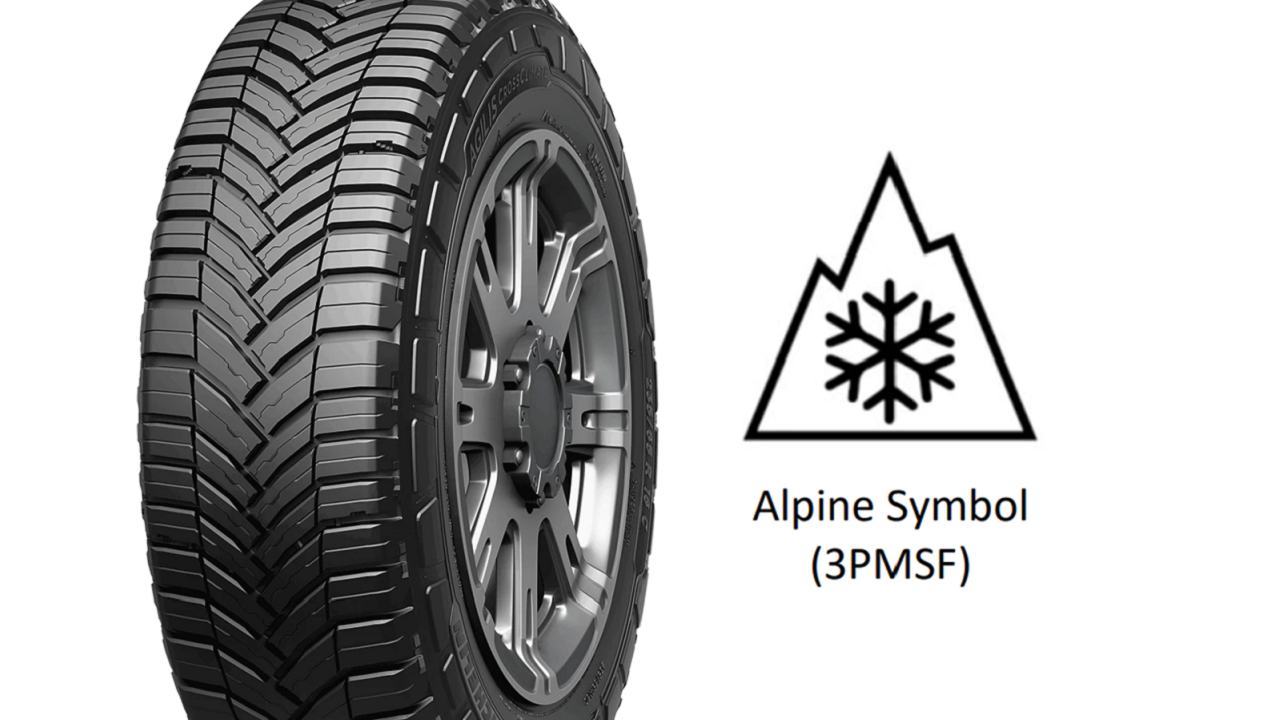
Michelin has recalled over 500,000 snow tires for failing to meet federal regulation standards for traction. The recall affects the Agilis CrossClimate C-Metric tires, which are commonly found on vehicles such as the Ford Transit, RAM ProMaster, Volkswagen Crafter, Nissan NV200, Chevrolet City Express, and Mercedes-Benz Sprinter. The affected tires are marked with the "Alpine Symbol," and Michelin recommends exchanging them. The recall is the first from Michelin since December 2022.

A federal judge has temporarily blocked a federal rule in 24 states that is intended to protect thousands of small streams, wetlands and other waterways throughout the nation. The regulations were finalized in December 2022, repealing a rule implemented during President Donald Trump’s administration but thrown out by federal courts. Opponents of the regulations, which define which “waters of the United States” are protected by the Clean Water Act, have called the rules an example of federal overreach and argued they would unfairly burden farmers and ranchers.