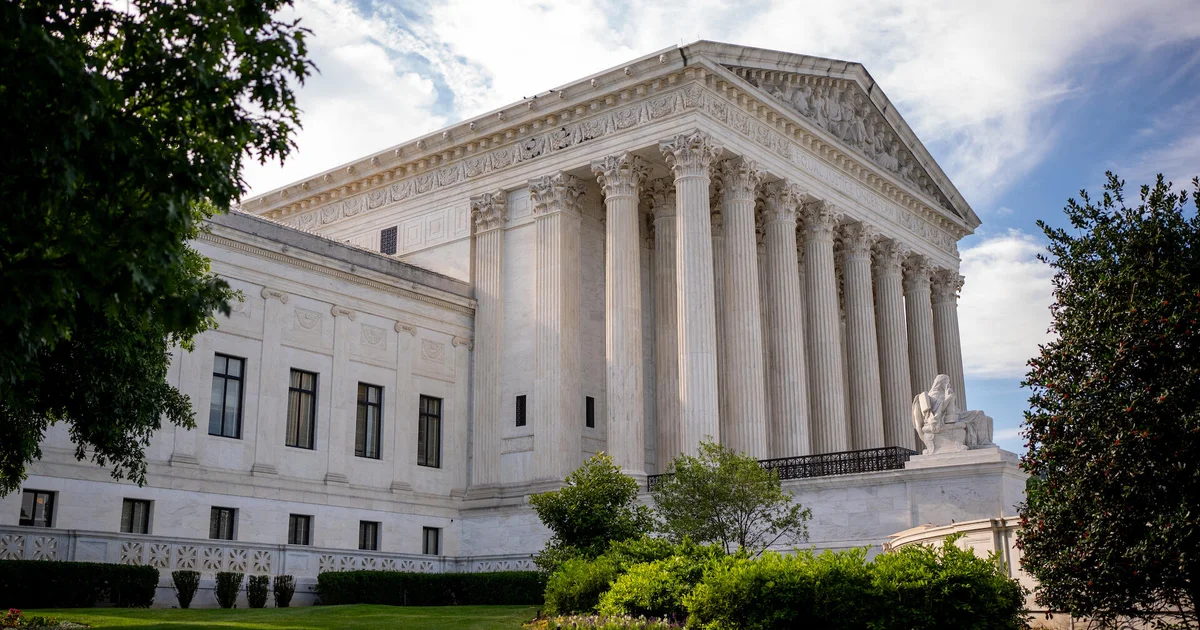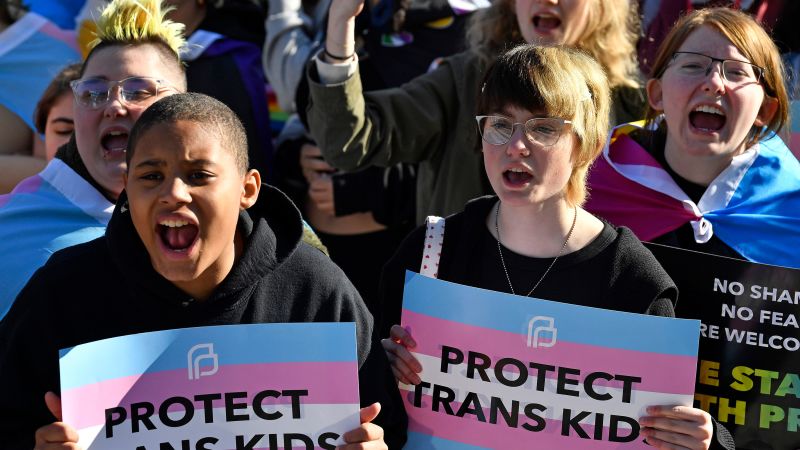
The U.S. Supreme Court declined to hear a case from Colorado families claiming their parental rights were violated by school policies that discussed gender identity without parental consent, though some justices expressed concern about the broader issue of parental rights and school disclosures.
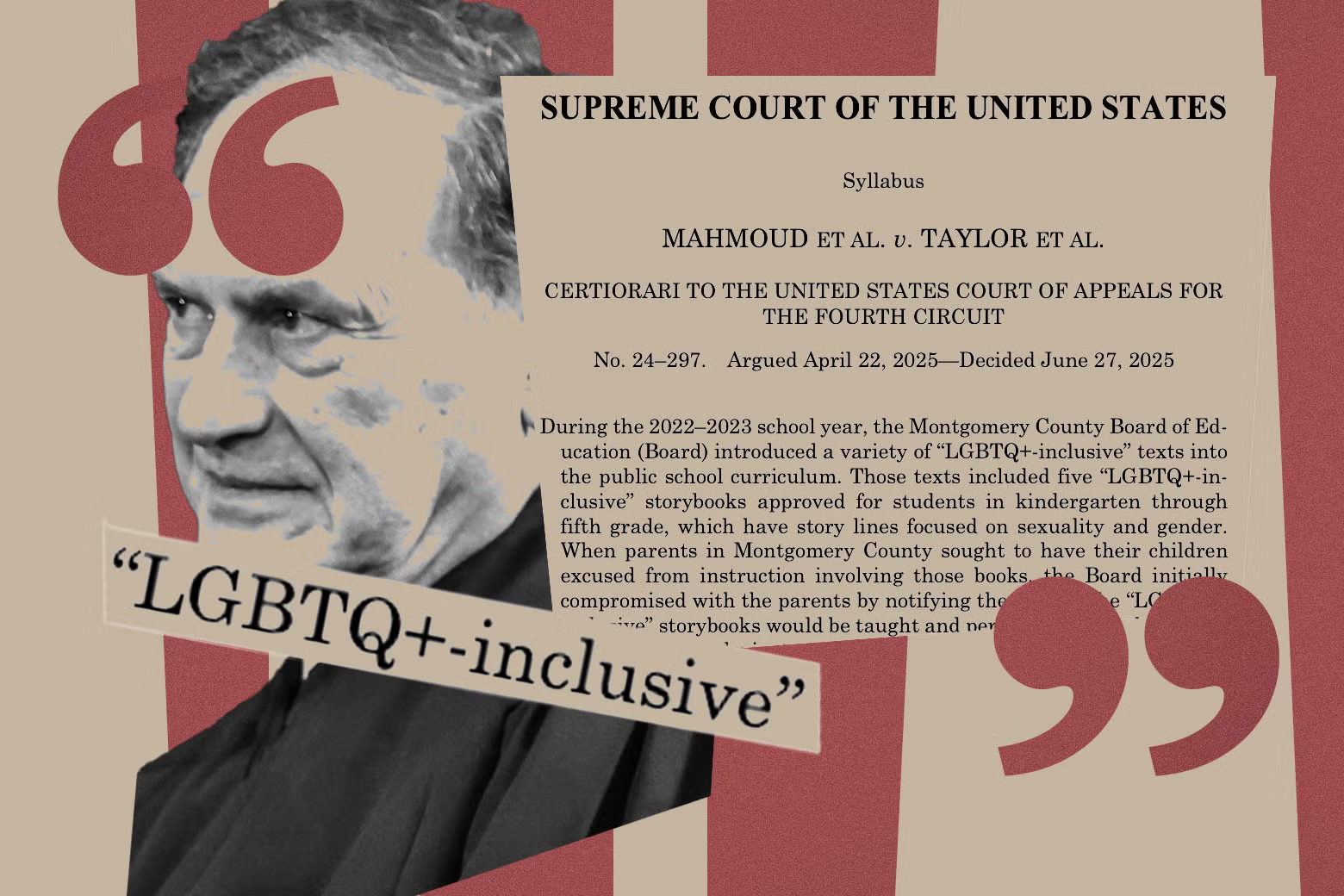
The Supreme Court, in a 6-3 decision authored by Justice Samuel Alito, ruled that parents have a constitutional right to prevent their children from viewing LGBTQ+ related books in schools, a decision criticized as homophobic and harmful to LGBTQ+ equality and inclusive education. The ruling effectively allows parents to veto educational content they oppose on religious grounds, leading to the removal of such books from classrooms and sending a stigmatizing message to LGBTQ+ children. Critics argue this decision undermines public education principles and promotes discrimination.
The U.S. Supreme Court ruled 6-3 that parents can opt their children out of LGBTQ-themed books in schools, citing religious freedom concerns, a decision that critics say could create chaos in public education by requiring advance notice and opt-outs for various lessons. The ruling stems from a case involving Montgomery County, Maryland, where parents challenged the school's inclusion of such books in the curriculum.
The Supreme Court ruled in favor of parents in Maryland who wanted to opt their children out of LGBTQ-themed storybooks in public schools, citing religious freedom and parental rights.
The U.S. Supreme Court declined to hear a case challenging a Boston high school admissions policy that allegedly considered race, despite objections from conservative justices who argued it constituted racial discrimination. The policy, which was in effect for one year, was deemed lawful by lower courts as it was race-neutral. The court also refused to take up a Wisconsin case on school policies for gender identity, with conservative justices again dissenting. These decisions highlight ongoing debates over race and parental rights in education.
The Supreme Court declined to hear an appeal from Wisconsin parents who claimed their school district was hiding transgender support plans from them. Justices Kavanaugh, Alito, and Thomas dissented, with Alito expressing concern over courts using standing to avoid contentious issues. The lower courts ruled against the parents, stating they lacked standing as they couldn't prove the policy affected their children. The case highlights ongoing legal challenges regarding parental rights and school policies on gender identity.
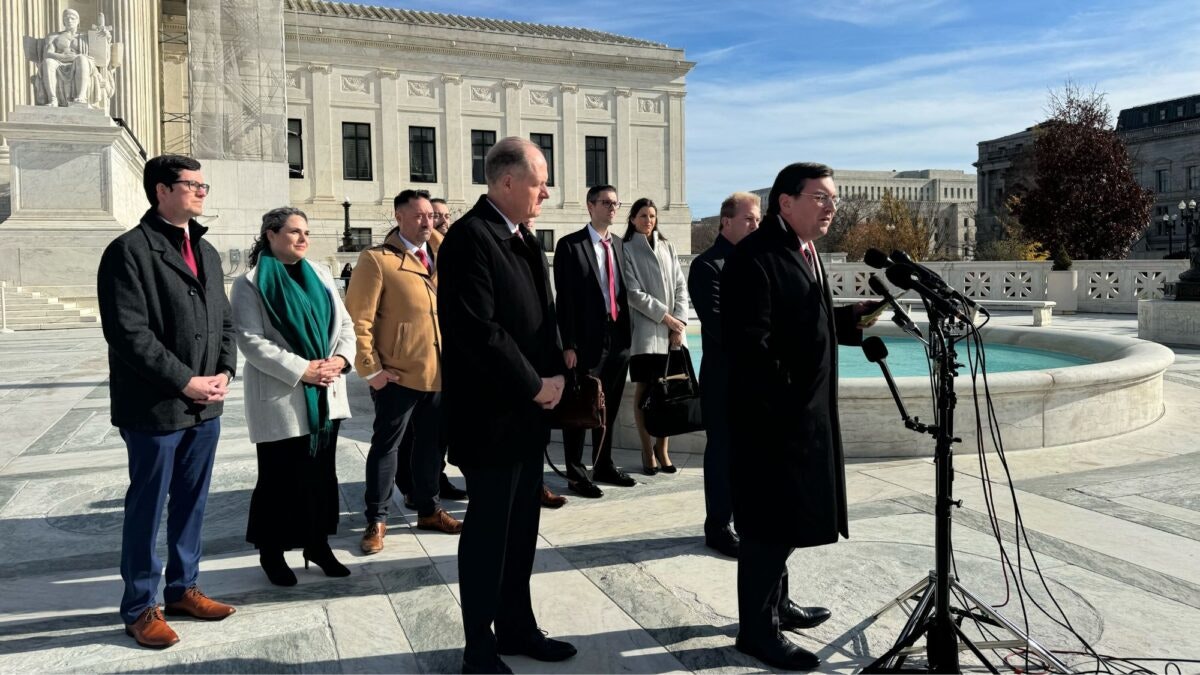
Tennessee Attorney General John Skrmetti discusses the landmark Supreme Court case United States v. Skrmetti, which addresses a state law restricting transgender medical procedures for minors. Skrmetti argues the law is not discriminatory and is intended to protect minors from potential long-term harm. The case could set a significant precedent affecting similar laws in other states. Skrmetti also highlights the bipartisan support for the law and the broader cultural debate surrounding transgender issues.
Texas secured two legal victories against federal regulations. A federal judge ruled the Corporate Transparency Act unconstitutional, blocking its reporting requirements for small businesses. The act mandated disclosure of personal information to the Treasury, which Texas argued infringed on state authority. Separately, Texas won a case against the U.S. Department of Health and Human Services, which had sought to enforce a rule allowing minors to receive contraceptives without parental consent, violating Texas law. The Biden administration conceded, ensuring Texas health entities comply with state law.
The Supreme Court is set to hear a significant case on transgender rights, focusing on a Tennessee law banning gender-affirming care for minors. This case has sparked a divide among conservatives, traditionally advocates for parental rights, as some support the Biden administration's challenge against the law, arguing it infringes on parental decision-making. The case highlights a broader cultural and political debate over transgender rights and parental authority, with implications for conservative ideologies and state regulation of medical care.
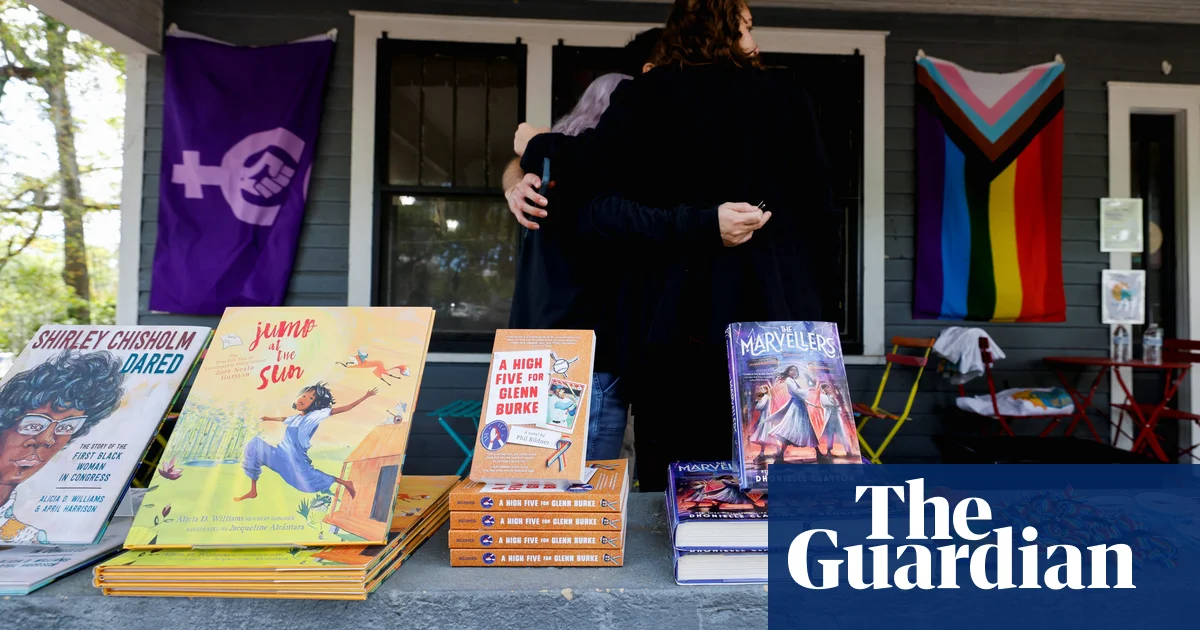
Florida education officials report that hundreds of books, including works by Toni Morrison and Stephen King, have been removed from school libraries following challenges by parents and residents. Recent state laws have facilitated these removals, leading Florida to lead the nation in book bans, according to the American Library Association and PEN America. The removed books often feature LGBTQ themes, discussions of gender and sexuality, or are deemed "sexually explicit" by conservative advocates. Legal challenges have arisen, with some districts facing lawsuits over restricted access to literature.
Florida's Department of Education has released a list of over 700 books removed from schools following a state law allowing parents to challenge library content. The list, which has doubled since last year, includes classics like "Beloved" and "Slaughterhouse-Five." The law, House Bill 1069, mandates a process for parents to object to materials deemed inappropriate. Critics argue this has led to widespread censorship, driven by conservative groups, limiting students' access to diverse literature. Florida leads the nation in book bans, with significant financial and educational impacts reported.
The Chino Valley Unified school district in Southern California is suing Governor Gavin Newsom over a new law that bans schools from requiring parental notification of a child's gender identity change. The district argues the law violates parental rights, while Newsom's administration defends it as preserving the child-parent relationship and protecting LGBTQ+ students. The law, which takes effect in January, has sparked significant debate and legal challenges, reflecting broader national disputes over parental rights and student privacy.
The Chino Valley Unified School District in Southern California is suing Governor Gavin Newsom over a new law that bans schools from requiring parental notification of a child's gender identity change. The district argues the law violates parental rights, while Newsom's office defends it as preserving the child-parent relationship. The law, which takes effect in January, aims to protect LGBTQ+ students and has sparked a broader debate on parental rights and student privacy.
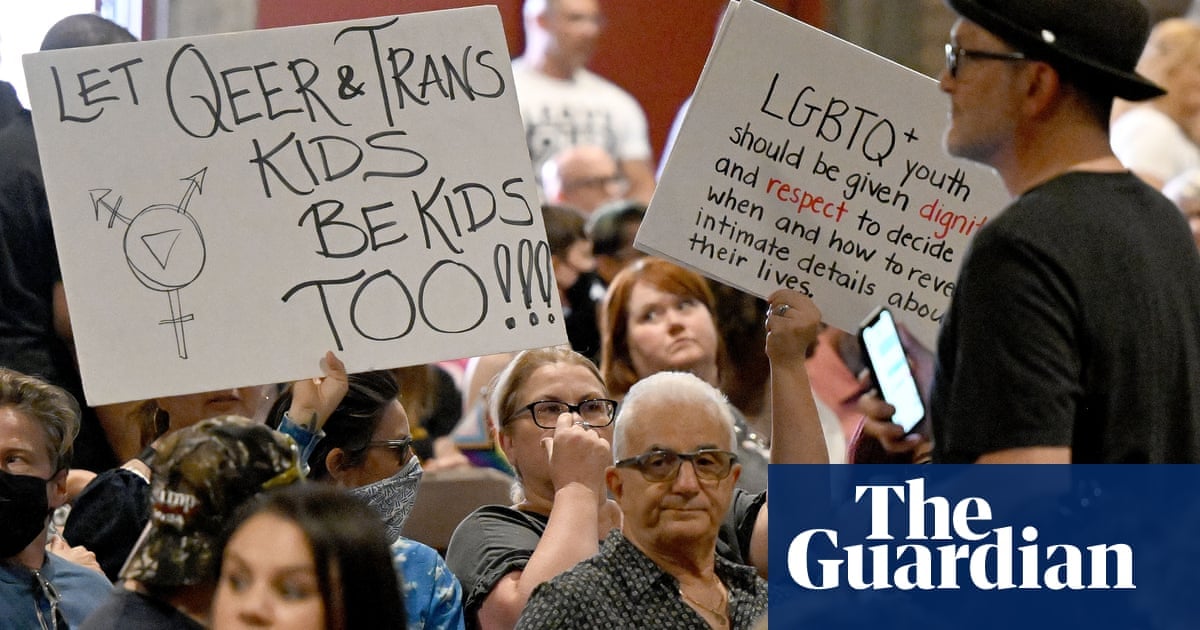
Opponents of California's new law banning schools from notifying parents about a student's gender identity without the student's consent vow to challenge the legislation in court. Governor Gavin Newsom signed Assembly Bill 1955 into law, which LGBTQ advocates praise for protecting students' autonomy. Critics, including the California Family Council and Assemblymember Bill Essayli, argue the law undermines parental rights and endangers children. The Liberty Justice Center has already filed a lawsuit, and Elon Musk announced plans to move SpaceX and X headquarters to Texas in response to the law.