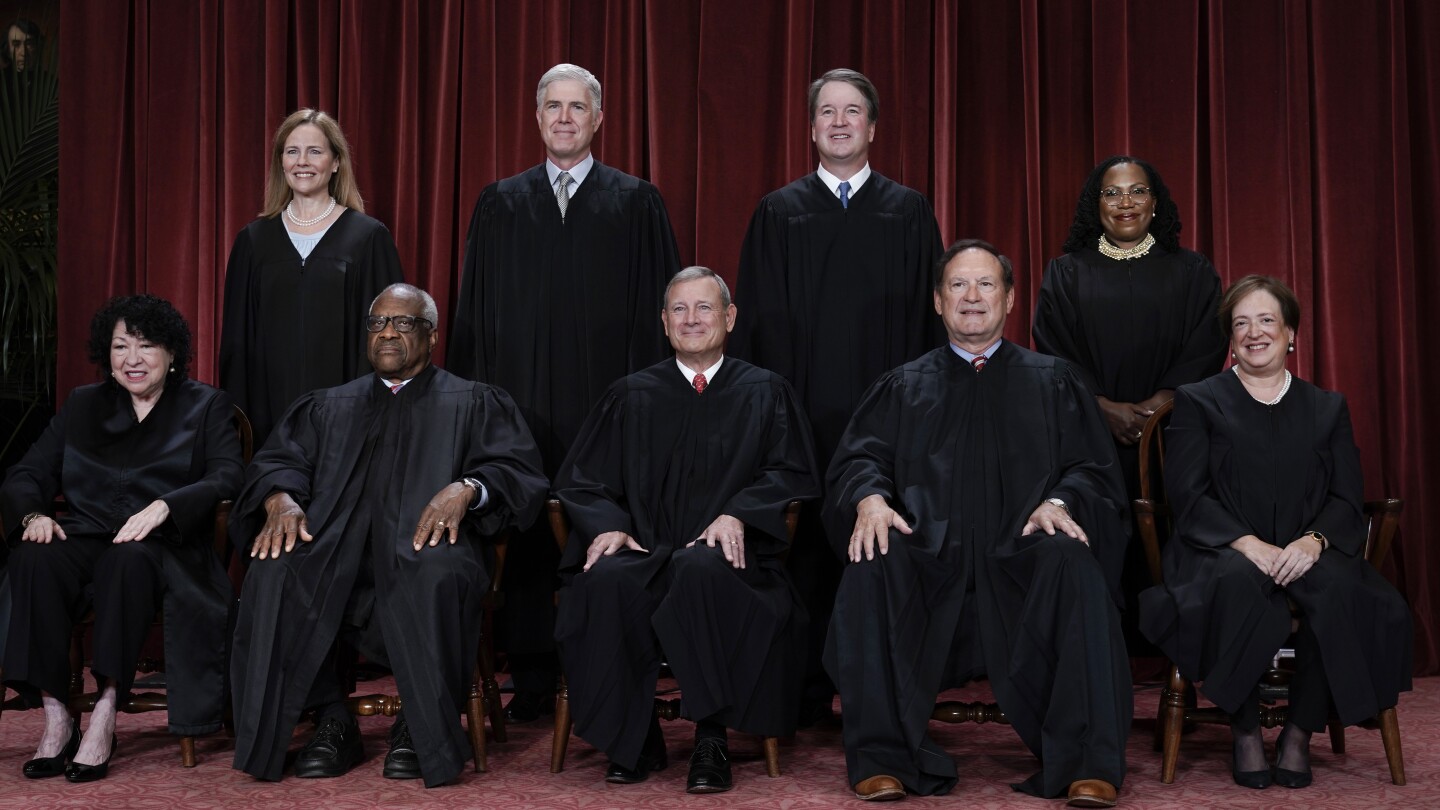
Justice Amy Coney Barrett defends the Supreme Court's decision to overturn Roe v. Wade, describing the 1973 ruling as a historic outlier that went against the will of many Americans, in her new memoir.
The article discusses how President Trump's various controversial actions, deemed illegal in lower courts, are likely to be challenged and potentially upheld by a Supreme Court with a conservative 6-3 majority, raising concerns about the rule of law and potential authoritarian tendencies.
Justice Ketanji Brown Jackson has quickly established herself as a vocal critic of her conservative colleagues on the Supreme Court, frequently dissenting and warning against what she perceives as lawless shortcuts and threats to democracy, notably criticizing the court's approach to Trump-era policies and its handling of emergency applications.
The U.S. Supreme Court, with its conservative majority, delivered key victories for Donald Trump in its final rulings of the term, including limiting judicial oversight of his policies and allowing his administration to implement several contentious policies, reflecting a shift towards a more conservative judicial stance and strengthening executive power.
The recent Supreme Court term was highly favorable to Trump, with a conservative majority issuing numerous emergency rulings that largely supported his policies, including significant decisions on immigration, transgender rights, and religious freedoms, often using expedited procedures that limited transparency and debate.
The US Supreme Court, with its conservative majority, faces high stakes as it hears cases that could impact key constitutional rights and potentially serve as a check on Donald Trump's influence, amid concerns about the court's impartiality and adherence to the law.
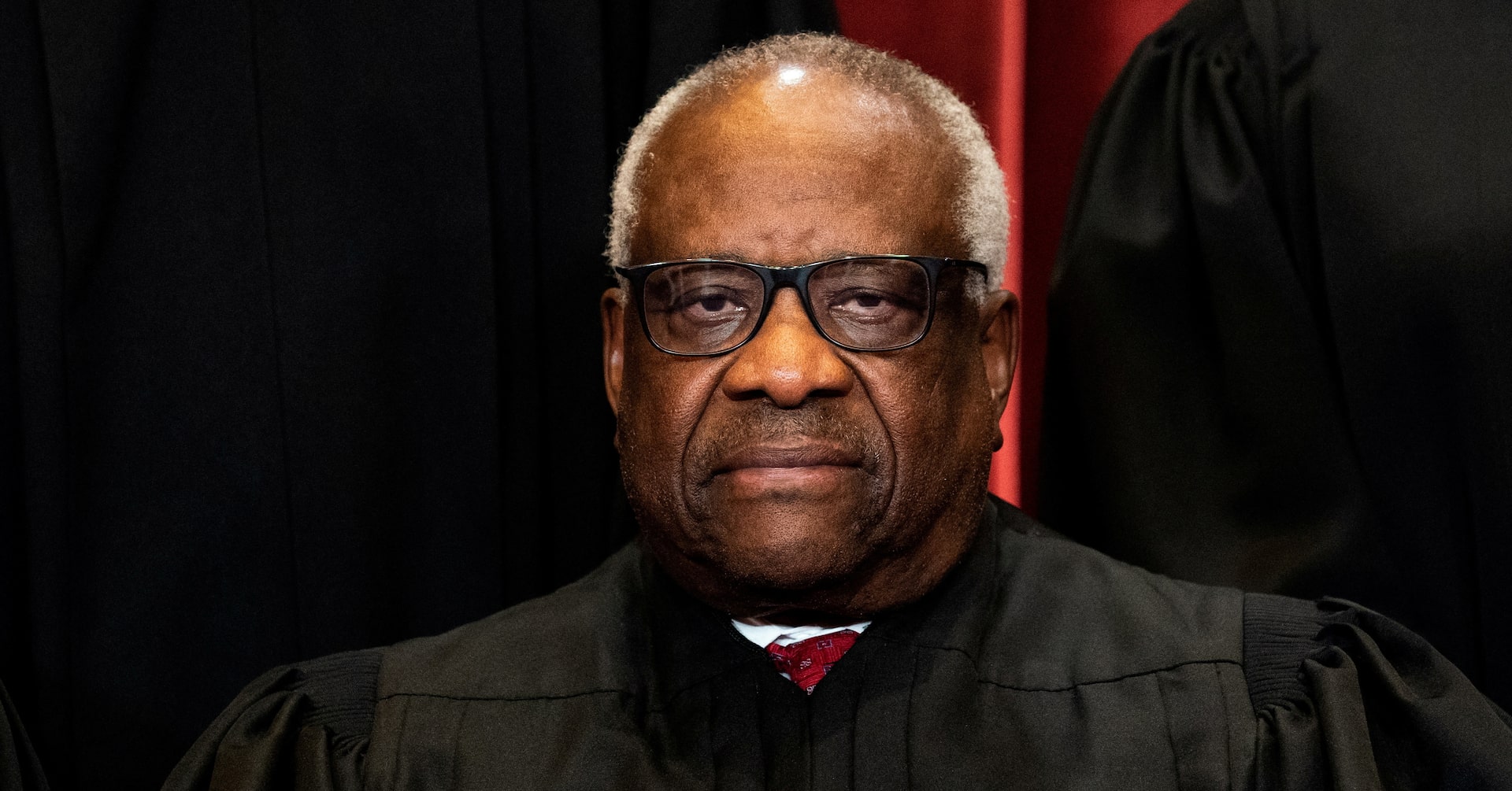
Justice Clarence Thomas, the oldest and longest-serving member of the US Supreme Court and part of its conservative majority, was absent from the bench during Monday's session with no reason given. Chief Justice John Roberts noted his absence but did not offer an explanation, stating that Thomas would participate using written legal briefs and transcripts. The court spokeswoman did not provide additional information, and Thomas had previously missed arguments in March 2022 due to hospitalization.
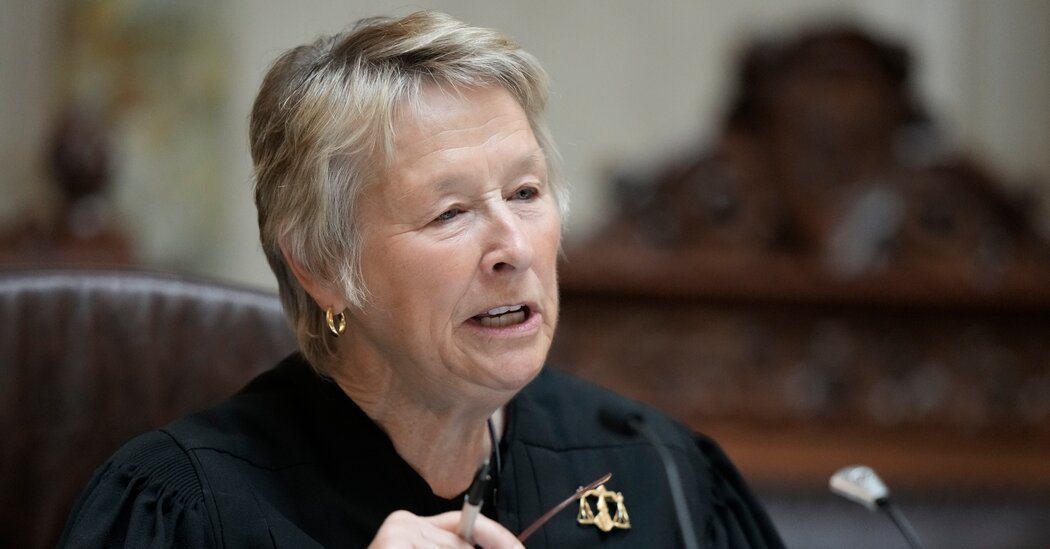
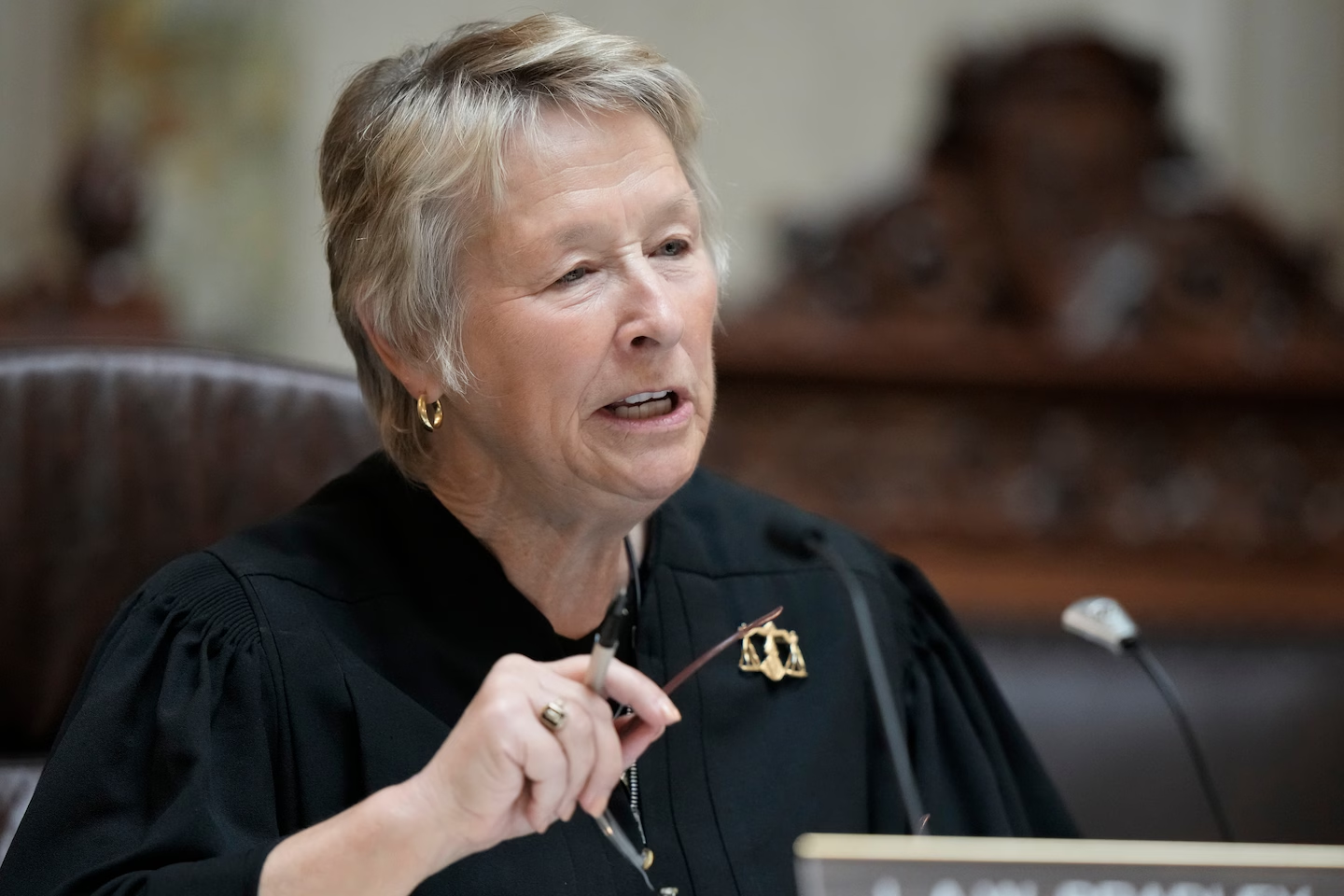
Justice Ann Walsh Bradley of the Wisconsin Supreme Court has announced that she will not seek re-election, leaving her seat up for grabs in a contest that will determine whether the court maintains a liberal or conservative majority. Her decision sets the stage for a heated election, similar to the recent 2023 contest that resulted in a shift of power to the liberals. With Wisconsin's electorate closely divided, the race to replace Justice Walsh Bradley is expected to be closely fought.
Justice Ann Walsh Bradley, the longest-serving member of the Wisconsin Supreme Court's liberal majority, announced she will not seek reelection, setting the stage for a consequential race in a swing state and potentially allowing conservatives to retake control. Her retirement comes after the court's recent 4-3 decisions on key issues such as election maps, ballot drop boxes, and abortion. With Bradley out of the race, the April 2025 election becomes crucial for conservatives, who aim to defend seats in 2026 and 2027.
The Supreme Court is facing a backlog of politically charged disputes on guns, elections, and transgender rights, with its conservative majority set to play a pivotal role in the upcoming presidential contest. The court's slow pace in issuing opinions this term has raised concerns, with only 22% of argued cases resolved so far. Delays in resolving cases, including those involving former President Trump's immunity from criminal prosecution and abortion rights, could impact the political landscape as the Biden-Trump rematch looms. The court's handling of these cases and its slower pace have sparked debate and speculation among legal experts and court watchers.
The Supreme Court's conservative majority signaled a potential shift in federal regulatory power by considering a case that could limit agencies' ability to interpret laws passed by Congress, known as "Chevron deference." The case involves a 2020 federal regulation requiring fishing vessel owners to pay for at-sea monitors, but the focus of the arguments centered on the 40-year-old legal doctrine of Chevron deference. Critics argue that this doctrine gives federal agencies too much power, and the conservative justices appeared open to curtailing it, expressing concerns about its impact on different classes of individuals. A decision from the court is expected by the summer.
The Supreme Court is considering overturning the 1984 Chevron ruling, which grants federal agencies leeway in interpreting ambiguous statutes, in two cases involving fisheries regulations. The ruling has been a target for conservatives who view it as bolstering federal agency power. The cases reflect a broader attack on federal agency authority by business interests and the conservative legal establishment, with the court's 6-3 conservative majority potentially reshaping the balance of power between federal agencies and Congress.
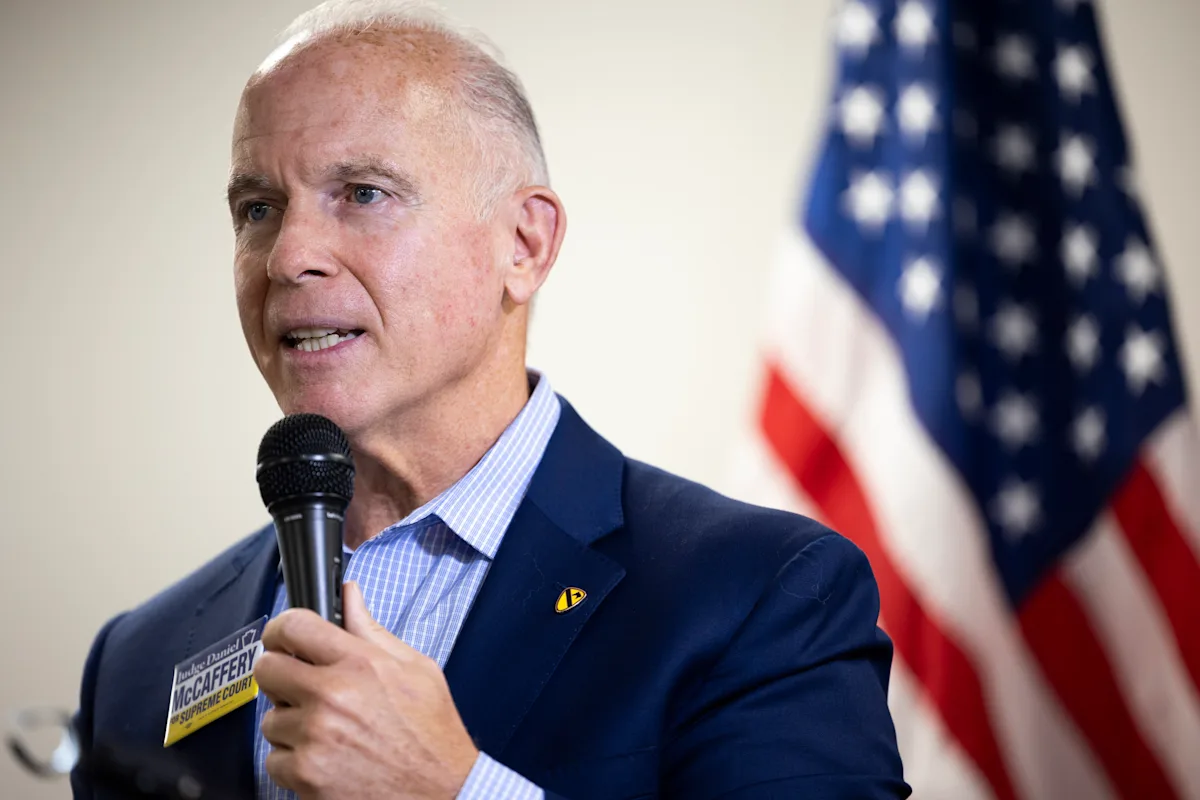
The conservative majority in the US Supreme Court has become a key issue in Pennsylvania's fall election, with the Democrat candidate for an open seat on the state's Supreme Court warning that the court poses a threat to federally protected rights. The campaign reflects the growing political polarization in the courts, as advocates on both sides recognize the importance of controlling the courts at every level. The dominant theme in this year's state Supreme Court contest is abortion rights, following the US Supreme Court's decision to overturn Roe v. Wade. The Democrat candidate frequently targets the US Supreme Court in his campaign, while his Republican opponent accuses him of hypocrisy.
The Supreme Court's recent term saw significant decisions on affirmative action, student loan relief, free speech, and LGBTQ+ rights, with the conservative majority asserting its influence. Chief Justice John Roberts, who was in the majority 95% of the time, played a pivotal role in shaping the court's decisions. While the court realized conservative policy goals, unexpected rulings on election law, voting rights, and Native American adoption preferences showcased a more complex term. Roberts, an institutionalist concerned about the court's legacy, demonstrated a willingness to move incrementally and form cross-ideological alliances. The court's next term is expected to address cases involving administrative law and the Second Amendment.
In a span of 370 days, the conservative majority of the Supreme Court, reshaped by three justices nominated by former President Donald Trump, overturned long-standing precedents on abortion and affirmative action. The court ended nationwide protections for abortion rights and declared race-conscious admissions programs at Harvard and the University of North Carolina unlawful. The court also made other consequential decisions, including rejecting the Biden administration's student loan forgiveness program and ruling in favor of a Christian graphic artist's right to refuse designing websites for same-sex couples. Chief Justice John Roberts played a pivotal role in shaping the court's decisions, which aimed to counter arguments about the court's legitimacy. President Joe Biden criticized the court's decisions, stating that it has "done more to unravel basic rights and basic decisions than any court in recent history."