Tag

Chevron Deference

All articles tagged with #chevron deference

"Supreme Court's Potential Impact on Regulatory Cases"

Originally Published 1 year ago — by Slate

Featured image for "Supreme Court's Potential Impact on Regulatory Cases"
Source: Slate

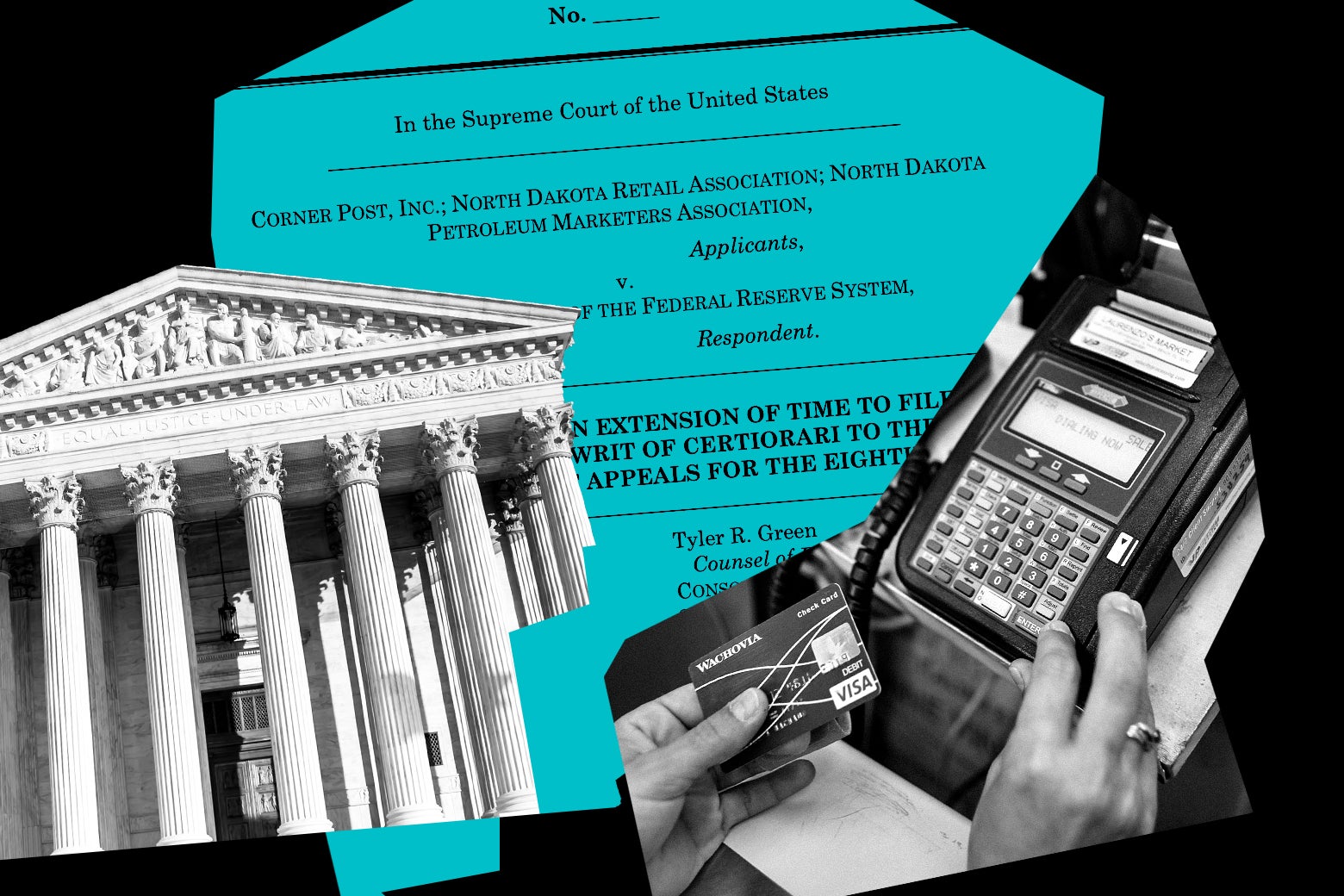
The Supreme Court case Corner Post v. Board of Governors could have far-reaching implications for the administrative state and regulatory past and future. The case involves a technical debate over the statute of limitations for challenging regulations, with potential to open the door for nonstop litigation against old rules. If successful, it could empower industry to challenge old regulations and significantly restrict agencies' ability to make and enforce rules, ultimately impacting millions of Americans and posing a threat to constitutional democracy.

"Supreme Court's Potential Impact on Government Agencies and Environmental Protection"

Originally Published 1 year ago — by Bloomberg Law

Featured image for "Supreme Court's Potential Impact on Government Agencies and Environmental Protection"
Source: Bloomberg Law

The US Supreme Court's potential weakening or overturning of Chevron deference, which allows federal agencies to interpret ambiguous laws, could lead to a significant increase in caseloads for lower courts, particularly in areas like environment and finance. This could result in judicial emergencies and a flood of legal challenges, as well as greater uncertainty and instability in agency actions. The impact would be felt particularly in courts with vacancies and could lead to more division between appeals courts, prompting a surge in litigation.

"The Battle for Democracy: The Supreme Court's Role in Curbing Bureaucratic Power"

Originally Published 1 year ago — by The Federalist

Featured image for "The Battle for Democracy: The Supreme Court's Role in Curbing Bureaucratic Power"
Source: The Federalist

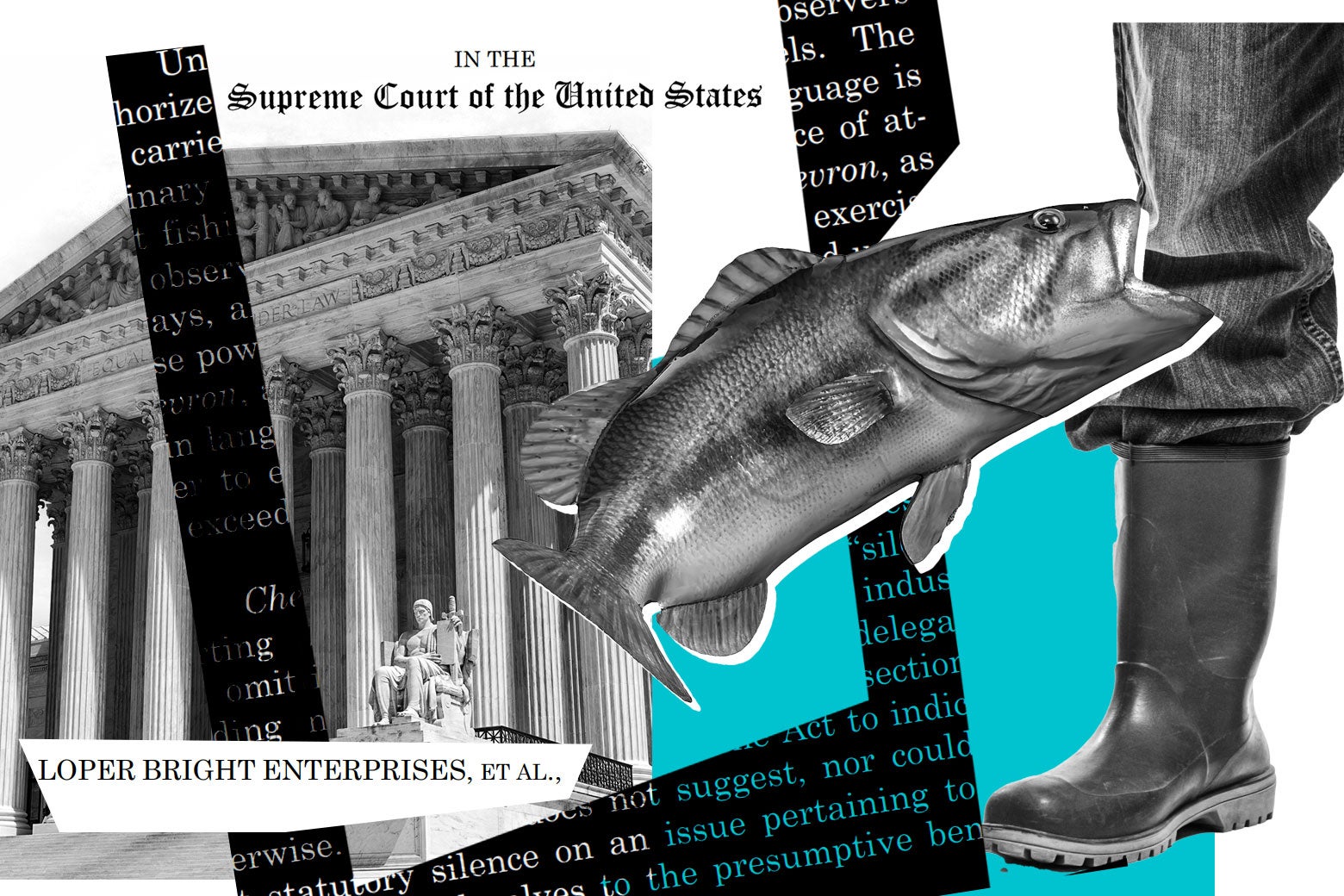
The case of Loper Bright Enterprises v. Raimondo, brought by New England fishermen against Commerce Secretary Gina Raimondo, may weaken Chevron deference, which has empowered the administrative state. The debate centers on who should have the power to decide laws - unelected judges or bureaucrats. The author argues that unelected bureaucrats should not have the authority to create laws, and that Chevron deference incentivizes vague laws and presidential abuse of power, posing a real threat to democracy.

"Supreme Court's Phony Case: Uncovered"

Originally Published 2 years ago — by Slate

Featured image for "Supreme Court's Phony Case: Uncovered"
Source: Slate

The Supreme Court heard oral arguments in cases aiming to undermine federal agencies' power by overturning Chevron deference, which requires courts to defer to an agency's reasonable interpretation of an ambiguous law. The cases involve a defunct program, but conservative legal activists seized on them to challenge Chevron deference. The Court's focus on this issue, rather than the original statutory interpretation question, has raised concerns about the justices' agenda and the potential impact on federal agency authority.

"Chevron Doctrine: The Supreme Court's Game-Changing Decision on Fishing Boats and Government Power"

Originally Published 2 years ago — by The Verge

Featured image for "Chevron Doctrine: The Supreme Court's Game-Changing Decision on Fishing Boats and Government Power"
Source: The Verge

The Supreme Court is considering overturning or limiting Chevron deference, a legal doctrine that allows federal agencies to interpret laws. This could significantly impact how federal agencies regulate various industries, potentially leading to uncertainty and chaos. The court's decision could shift regulatory power from federal agencies to federal courts, affecting issues such as climate change, net neutrality, and gun rights. The outcome is expected to be a pivotal moment in the balance of powers between Congress, the President, and the courts.

"Supreme Court's Potential Impact on Federal Agency Power and Climate Action"

Originally Published 2 years ago — by Semafor

Featured image for "Supreme Court's Potential Impact on Federal Agency Power and Climate Action"
Source: Semafor

The US Supreme Court's potential overturning of the Chevron deference, a legal principle giving deference to federal agencies' interpretations of ambiguous laws, could significantly hinder the Biden administration's climate regulations and embolden legal challenges from fossil-fuel trade groups. Without Chevron deference, agencies would be more cautious in their interpretations of environmental laws, making it difficult for the administration to pursue its climate change agenda. This could lead to increased legal uncertainty and hinder progress in addressing climate change.

"Supreme Court's Potential Impact on Government Oversight and Climate Action"

Originally Published 2 years ago — by Yahoo! Voices

Featured image for "Supreme Court's Potential Impact on Government Oversight and Climate Action"
Source: Yahoo! Voices

The US Supreme Court is considering overturning the Chevron deference, a 40-year legal precedent that shields environmental and climate policies from being easily rolled back, which could make it easier for fossil-fuel trade groups to challenge President Biden's climate regulations. This move could have significant implications for future climate regulations and legal challenges, potentially hindering the government's ability to enforce climate policies and leaving existing policies vulnerable to legal attacks.

"Supreme Court Poised to Limit Federal Agency Power in Landmark Decision"

Originally Published 2 years ago — by CNN

Featured image for "Supreme Court Poised to Limit Federal Agency Power in Landmark Decision"
Source: CNN

The Supreme Court's conservative majority signaled a willingness to roll back the power of federal agencies by attacking the Chevron deference, a doctrine that gives agencies wide latitude to create policies and regulations based on ambiguous laws. Justices expressed concerns about the doctrine favoring the government over individuals and its impact on different classes of people, while liberals warned that overturning Chevron would force courts to make policy decisions better left to agency experts. The cases heard centered on whether the National Marine Fisheries Service had the authority to mandate fishing vessels to pay for onboard observers, with the justices focusing on the question of overturning Chevron.

"Supreme Court Poised for Major Shift in Federal Regulatory Power"

Originally Published 2 years ago — by CBS News

Featured image for "Supreme Court Poised for Major Shift in Federal Regulatory Power"
Source: CBS News

The Supreme Court's conservative majority signaled a potential shift in federal regulatory power by considering a case that could limit agencies' ability to interpret laws passed by Congress, known as "Chevron deference." The case involves a 2020 federal regulation requiring fishing vessel owners to pay for at-sea monitors, but the focus of the arguments centered on the 40-year-old legal doctrine of Chevron deference. Critics argue that this doctrine gives federal agencies too much power, and the conservative justices appeared open to curtailing it, expressing concerns about its impact on different classes of individuals. A decision from the court is expected by the summer.

"Supreme Court's Impact on Federal Agency Power: A Small Fish, Big Implications"

Originally Published 2 years ago — by The Guardian US

Featured image for "Supreme Court's Impact on Federal Agency Power: A Small Fish, Big Implications"
Source: The Guardian US

The US Supreme Court heard arguments in a case involving a government program to monitor overfishing of herring, which could limit the regulatory powers of federal agencies. The case involves two fishing companies challenging the National Marine Fisheries Service's authority to require commercial fishermen to fund the program. The conservative majority on the court expressed skepticism towards the Chevron deference doctrine, which calls for judges to defer to federal agency interpretation of ambiguous US laws. The case is part of a broader effort to weaken federal agency bureaucracy, and rulings are expected by the end of June.

"Supreme Court's Decision Looms Over Federal Agency Power"

Originally Published 2 years ago — by The New York Times

Featured image for "Supreme Court's Decision Looms Over Federal Agency Power"
Source: The New York Times

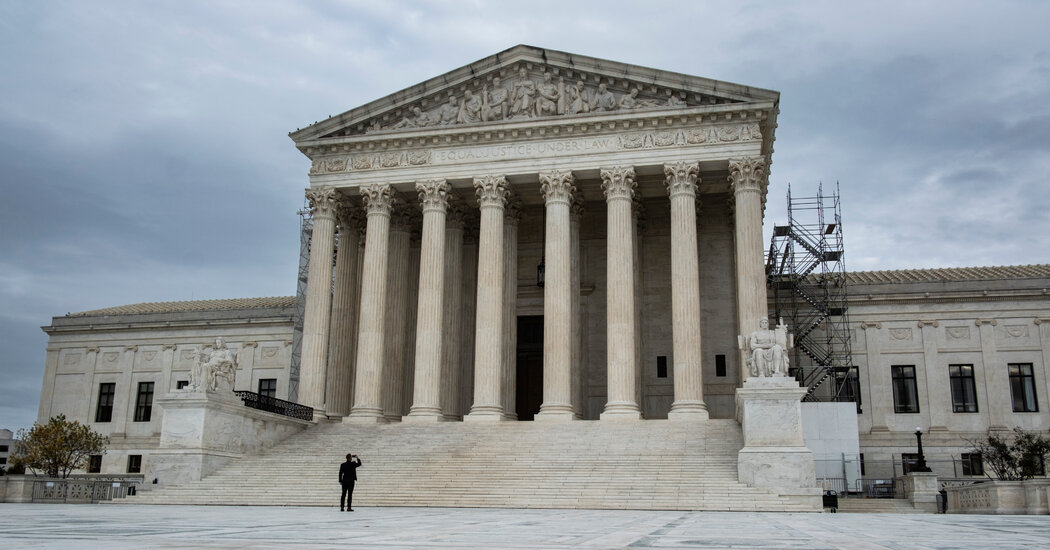
The Supreme Court is considering whether to overturn the Chevron deference, a key 1984 decision that empowers executive agencies and affects countless regulations. Overturning this precedent could transfer power from agencies to Congress and the courts, potentially impacting areas such as the environment, health care, and consumer safety. The doctrine requires judges to defer to agencies' reasonable interpretations of ambiguous statutes, and the cases being considered involve objections to a maritime agency's interpretation of a 1976 law regarding overfishing prevention.

"Supreme Court Grapples with Federal Regulator Power in Landmark Case"

Originally Published 2 years ago — by POLITICO

Featured image for "Supreme Court Grapples with Federal Regulator Power in Landmark Case"
Source: POLITICO

The Supreme Court is set to hear arguments in a significant battle over the authority of federal agencies, particularly focusing on the Chevron deference doctrine, which dictates how much deference judges should give to federal agency regulations and executive branch decisions when interpreting ambiguous laws. A ruling against agency power could significantly limit federal regulators' authority and impact policymaking under the Biden administration and beyond, with potential implications for a wide range of federal government policies.

"Supreme Court's Crucial Role in Shaping Federal Administrative Power"

Originally Published 2 years ago — by Fox News

Featured image for "Supreme Court's Crucial Role in Shaping Federal Administrative Power"
Source: Fox News

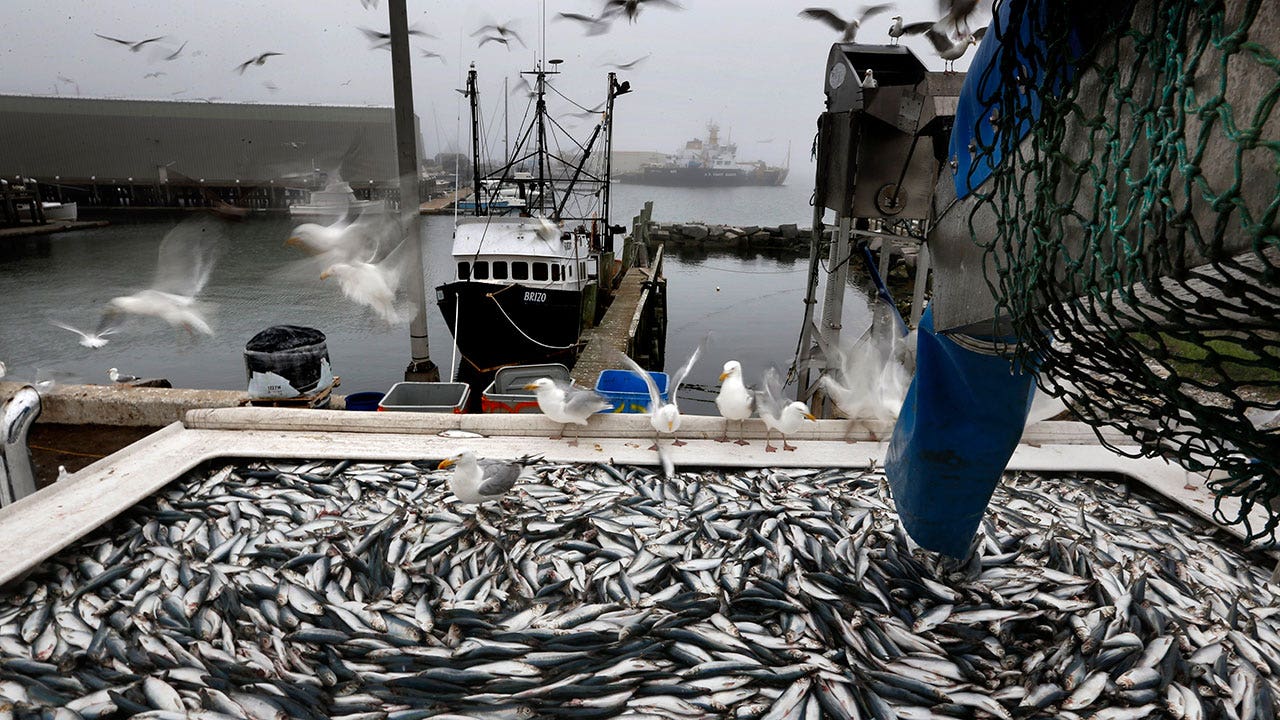
The Supreme Court is set to hear oral arguments on whether federal agencies have the authority to enforce regulations without specific congressional authorization, in a case involving Atlantic herring fishermen being required to pay for federal officials to monitor their catches. The outcome could have significant implications for the power of executive agencies and the longstanding "Chevron deference." Justices Clarence Thomas and Neil Gorsuch have advocated for scaling back this deference, and the views of fellow conservative justices, including Chief Justice John Roberts and Justices Brett Kavanaugh and Amy Coney Barrett, could be pivotal.

"Supreme Court Case Raises Concerns Over Ties to Oil Baron and Regulatory Power"

Originally Published 2 years ago — by The Guardian

Featured image for "Supreme Court Case Raises Concerns Over Ties to Oil Baron and Regulatory Power"
Source: The Guardian

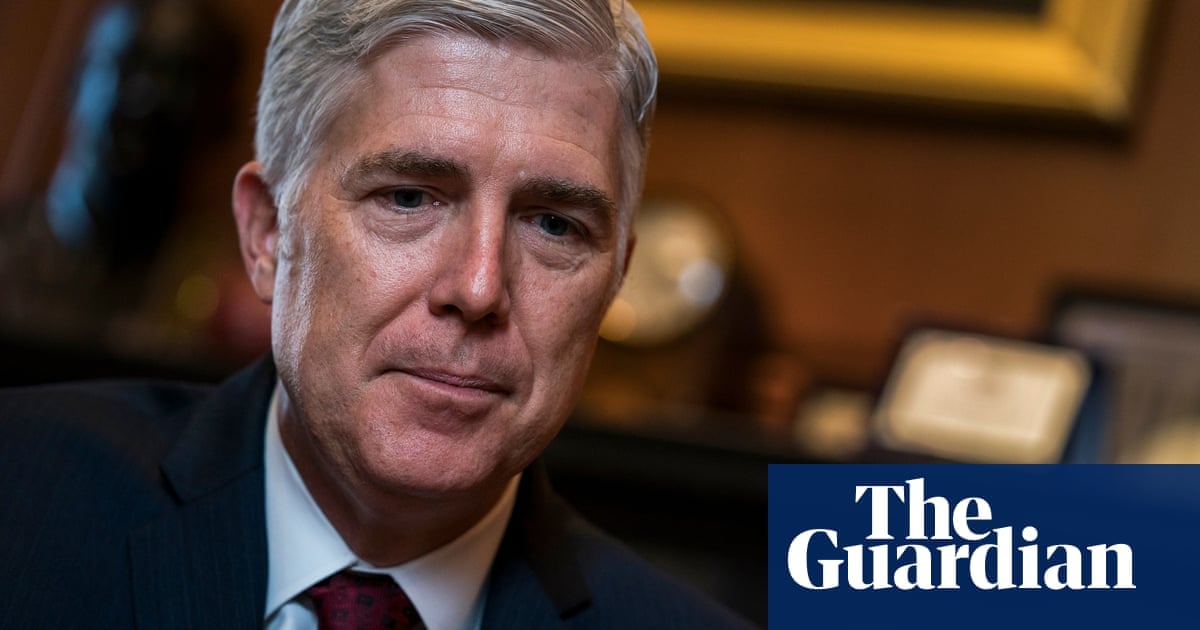
A government watchdog has called for Supreme Court Justice Neil Gorsuch to recuse himself from an upcoming case due to his close ties to billionaire oil baron Philip Anschutz, who stands to benefit from the ruling. The case, Loper Bright Enterprises v Raimondo, could have wide-ranging implications on federal health and environmental regulation by potentially removing the Chevron deference principle. Gorsuch's past connections to Anschutz, including being recommended for a court of appeals position by the billionaire, have raised concerns about conflicts of interest and the integrity of the Supreme Court.

"Supreme Court Case Threatens Federal Regulatory Power"

Originally Published 2 years ago — by The New York Times

Featured image for "Supreme Court Case Threatens Federal Regulatory Power"
Source: The New York Times

The Supreme Court is set to hear a case involving commercial fishermen opposing a government fee, but the lawyers behind the case are linked to Charles Koch and have a broader agenda to limit federal regulatory authority. A victory for the fishermen could significantly curtail the power of federal agencies to regulate various sectors, including fisheries, the environment, health care, finance, and telecommunications. The lawyers representing the fishermen are associated with a public-interest law firm that is connected to Americans for Prosperity, a group funded by Koch Industries.