Tag

Clean Water Act

All articles tagged with #clean water act

environment1 day ago

EPA Narrows States’ Veto Power Over Pipelines and Energy Projects

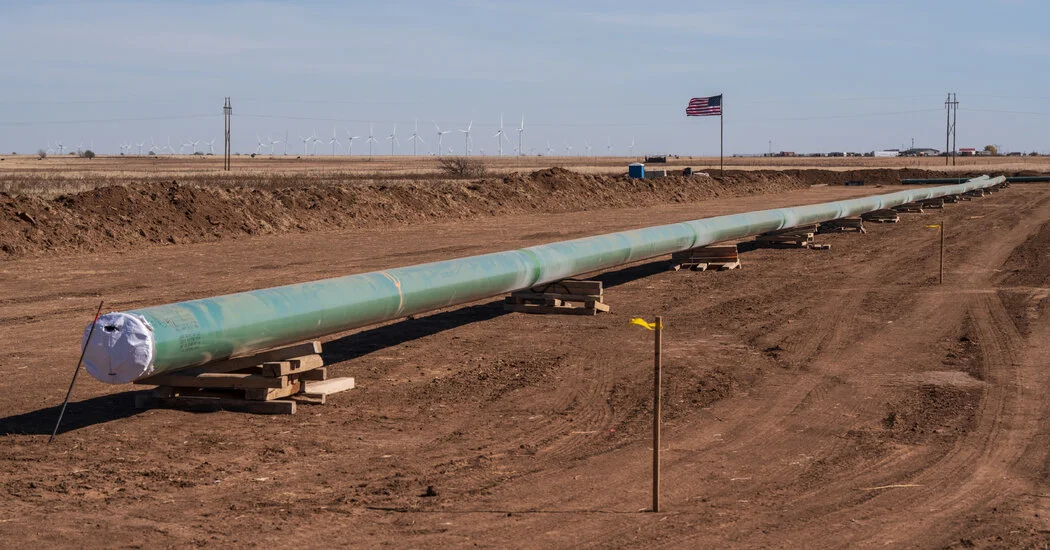
The EPA proposed a rule to narrow Section 401 of the Clean Water Act, limiting states’ and tribes’ ability to block or delay fossil-fuel projects by focusing only on direct water-quality effects and giving them up to one year to act on certification requests, a move aimed at speeding permitting but likely to provoke legal challenges from Democratic officials and environmental groups who warn it could weaken protections.
legalenvironment1 year ago

Animal Breeder Fined Record $35M for Welfare and Pollution Crimes

Envigo RMS LLC and Envigo Global Services Inc. have pleaded guilty to violating the Animal Welfare Act and Clean Water Act, respectively, resulting in a record $35 million settlement. The case involves the inhumane treatment of over 4,000 beagles and significant environmental pollution from a dog breeding facility in Virginia. The resolution includes heightened animal care standards, a compliance monitor, and substantial fines and payments to various organizations.

environment1 year ago

"Urgent Call to Protect Endangered Rivers Across America"

American Rivers has released its 39th annual "most endangered rivers" list, highlighting 10 waterways facing threats such as sewage, toxic algae, and construction. New Mexico's rivers top the list due to a Supreme Court decision limiting the Clean Water Act's enforcement, leaving 96% of the state's streams vulnerable. Other imperiled rivers include the Big Sunflower and Yazoo Rivers in Mississippi, the Duck River in Tennessee, and the Santa Cruz River in Arizona. Advocates urge action to protect these rivers and press for stronger clean water protections.

environmental-policy2 years ago

"Supreme Court Ruling Weakens Wetland Protections, Biden Administration Responds"

The Biden administration has weakened regulations protecting wetlands after a Supreme Court ruling limited the federal government's jurisdiction over them. The new rule requires wetlands to be more clearly connected to other bodies of water, departing from previous federal rules. The ruling in favor of an Idaho couple seeking to build a house near a lake prioritized property rights over clean water concerns. Environmental groups argue that the new rule weakens protections for wetlands and restricts the federal government's ability to safeguard critical waters. The change takes effect immediately and comes as two hurricanes approach the coasts. The power of the Clean Water Act has fluctuated depending on the political party in the White House.

environment2 years ago

"EPA and Biden Administration Roll Back Wetland Protections Following Supreme Court Ruling"

The Environmental Protection Agency (EPA) has removed federal protections for the majority of the country's wetlands in compliance with a recent Supreme Court ruling. The ruling narrowed the scope of the Clean Water Act and the EPA's authority to regulate waterways and wetlands. The EPA's new rule eliminates the "significant nexus" test and shifts the responsibility of protecting waterways and wetlands to the states. Environmental groups argue that the ruling undermines clean water and wetland protections, leaving communities more vulnerable to pollution and flooding. Some business groups, however, believe the EPA's rollback does not go far enough.

environmental-policy2 years ago

Biden administration weakens water protections in response to Supreme Court ruling

The Biden administration has weakened regulations protecting wetlands, citing a Supreme Court ruling that limited the federal government's jurisdiction over them. The new rule requires wetlands to be more clearly connected to other bodies of water, departing from previous federal rules. The Supreme Court ruling favored property rights over clean water concerns, narrowing the reach of environmental regulations. The rule change responds specifically to the court's decision and is final. Environmental groups have pushed for a broader definition to protect more waters, while developers and agriculture groups have sought to limit federal power. The new rule takes effect immediately and removes the "significant nexus" test for federally protected waters.

environment2 years ago

"Biden's Rule Threatens Protection of Majority of U.S. Wetlands"

The Environmental Protection Agency (EPA) has revised a key rule to comply with a recent Supreme Court ruling, potentially removing federal protections from up to 63% of the nation's wetlands. The EPA and the Department of the Army changed the definition of "waters of the United States" to align with the court's decision, which weakened the agencies' power to regulate waterways. As a result, numerous types of waters, including wetlands and ephemeral streams, will no longer be under federal protection. The ruling in Sackett v. EPA determined that wetlands are protected only if they have a continuous surface connection to bodies of water considered "waters of the United States." The EPA stated that the amendments made are limited and only address the parts of the previous rule that are invalid under the court's decision.

environment2 years ago

"EPA Redefines Federal Waters, Rolling Back Protections"

The Environmental Protection Agency (EPA) and US Army have released a new rule that significantly reduces the scope of what qualifies as federal waters, following a Supreme Court decision in May that rolled back protections for US wetlands. The rule invalidates the previous definition of "waters of the United States" and excludes wetlands and smaller tributaries from protection. The decision has sparked criticism from environmental groups and even conservative Supreme Court Justice Brett Kavanaugh, who dissented with the majority, stating that the ruling will have significant repercussions for water quality and flood control in the US.

environmental-policy2 years ago

"EPA and Biden Administration Roll Back Clean Water Protections Following Supreme Court Decision"

The U.S. Environmental Protection Agency (EPA) and the U.S. Department of the Army have announced a final rule amending the definition of "waters of the United States" to conform with the recent Supreme Court decision in Sackett v. EPA. The amendments remove certain aspects of the 2023 rule that were deemed invalid by the Supreme Court, providing clarity and a path forward for Clean Water Act implementation. The rule will take effect immediately, allowing the Army Corps of Engineers to resume issuing jurisdictional determinations. The agencies will continue to work with state, Tribal, and local partners to protect and restore the nation's waters while ensuring economic opportunities and agricultural activities.

environment2 years ago

Pipeline Companies Fined $12.5 Million for Spills in Montana and North Dakota

Belle Fourche Pipeline Company and Bridger Pipeline LLC have agreed to pay a $12.5 million civil penalty to resolve claims under the Clean Water Act and pipeline safety laws related to oil spills in Montana and North Dakota. The companies will also implement compliance measures to prevent future spills, including control room operation requirements, employee training, and updating their integrity management program. The settlement aims to protect public health, safety, and the environment, and holds the companies accountable for their significant oil spills.

technology2 years ago

SpaceX's Environmental Permit Issues Surround Starship's Testing in Texas

SpaceX conducted a "full-pressure test" of its new flame deflector system at its Starship Super Heavy launch site in Texas without obtaining the necessary environmental permits. The company did not apply for permits that would allow it to discharge industrial process wastewater into the surrounding area as required by the Clean Water Act. The flame deflector system is designed to diffuse heat, sound, and energy generated during test flights and launches. The site is located near wetlands crucial for endangered species and indigenous populations. SpaceX has not disclosed the amount of water used in the test or its disposal methods. Environmental experts warn that unregulated wastewater discharge can degrade water quality and harm wetland habitats. The Texas Commission on Environmental Quality confirmed that SpaceX had not applied for the required permit. The company has not provided a reason for proceeding without the permit.

environment2 years ago

Supreme Court decision threatens wetland protection and ecosystems.

The Supreme Court's decision to deregulate millions of acres of pollution-filtering wetlands could have serious consequences for the region, according to environmental advocates. The decision in Sackett v. EPA resulted in a more stringent definition that environmental regulators must meet to protect wetlands. The court's opinion is that the Clean Water Act covers wetlands with a continuous surface connection to a traditional navigable waterway, such as the sea, a river, creek, or lake. This decision marks the fourth time in 38 years where the Supreme Court clarified the phrase.

environment2 years ago

Supreme Court Weakens Wetlands Protections, Raising Concerns for Ecosystems.

The Supreme Court, with its new right-wing supermajority, has revoked the Clean Water Act's authority over at least 59 million acres of wetlands across the US, eliminating even the few safeguards the Trump administration tried to preserve. The ruling is part of a trend by the court to curb the federal government's legal authority to regulate pollution in an era of dramatic ecological upheaval. The decision effectively restores a variable patchwork of state water rules, undermining the Clean Water Act and creating significant disparities among the states in terms of protections for our waters.

politics2 years ago

Supreme Court decisions threaten environmental protections and child labor laws.

Justice Clarence Thomas's concurring opinion in the recent Supreme Court decision on the Clean Water Act would severely limit Congress's power to legislate, endangering countless laws governing private business, including the federal ban on child labor, minimum wage, and workplace discrimination. Thomas argues that the federal government's authority over the "channels of interstate commerce" is limited only to the power to "keep them open and free from any obstruction to their navigation." This approach could gut much of the Clean Water Act and allow a chemical company to dump countless tons of a deadly poison into the Mississippi River.

environment2 years ago

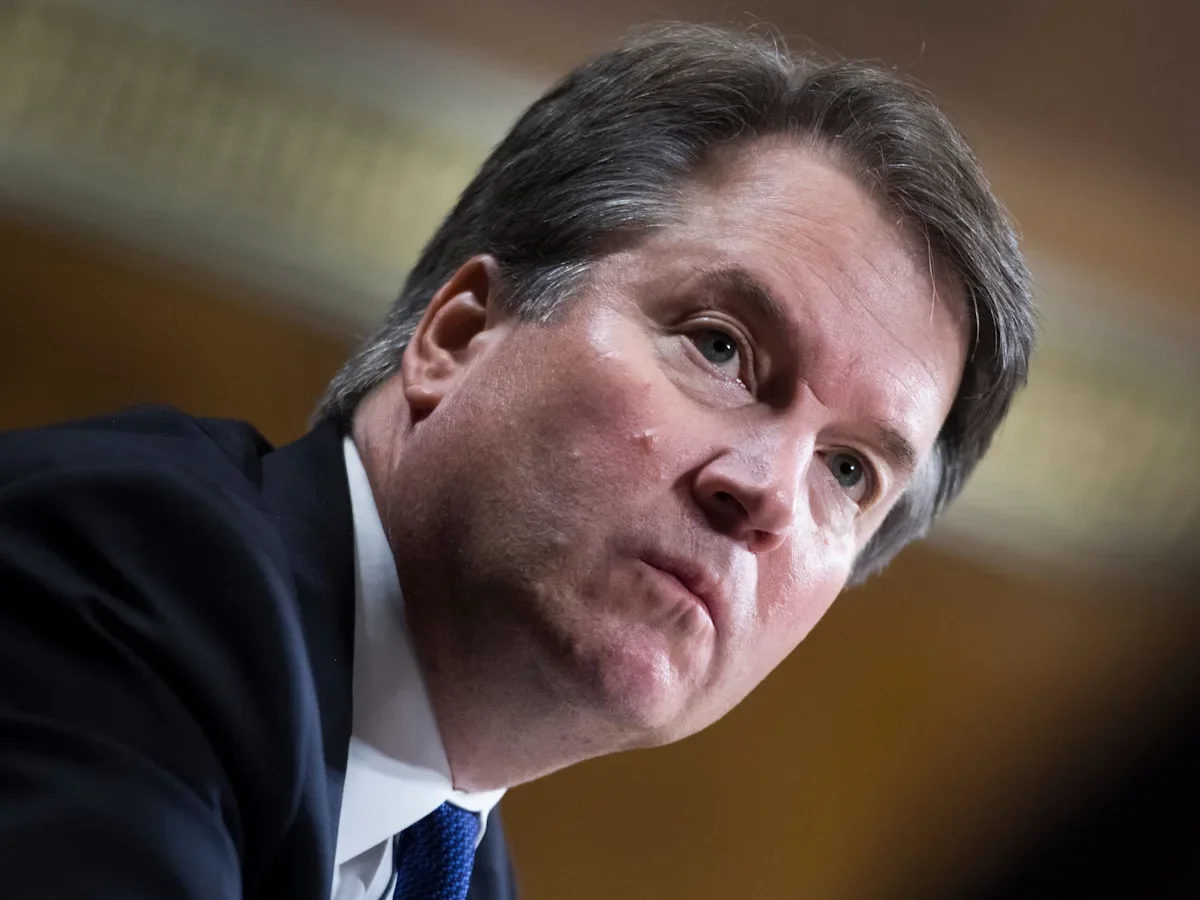
Brett Kavanaugh warns conservative Supreme Court ruling could harm water quality.

The Supreme Court issued a ruling that limits the EPA's ability to protect wetlands and address water pollution, with all but one conservative justice, Brett Kavanaugh, signing off on it. Kavanaugh warned that the majority's "new test for assessing when wetlands are covered by the Clean Water Act" runs counter to the law, departs from decades of agency practice, and contradicts precedent set by the Supreme Court itself. The decision could remove protections for nearly half of all wetlands in the US.