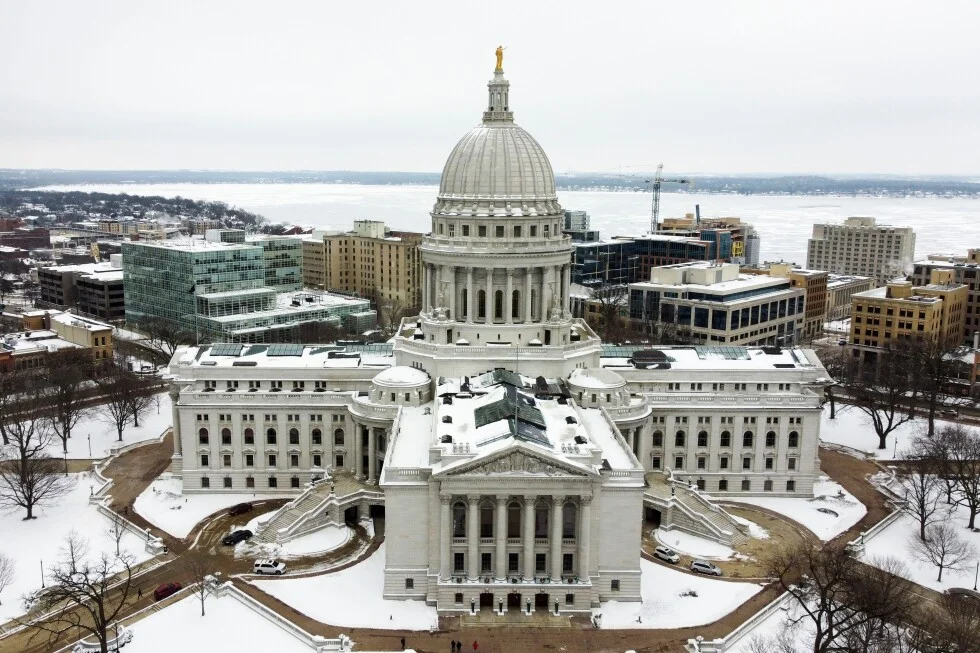
A coalition of Wisconsin school districts and teachers filed a lawsuit against the state Legislature, seeking increased funding for K-12 education, arguing current allocations are insufficient to meet student needs and duties under state law.
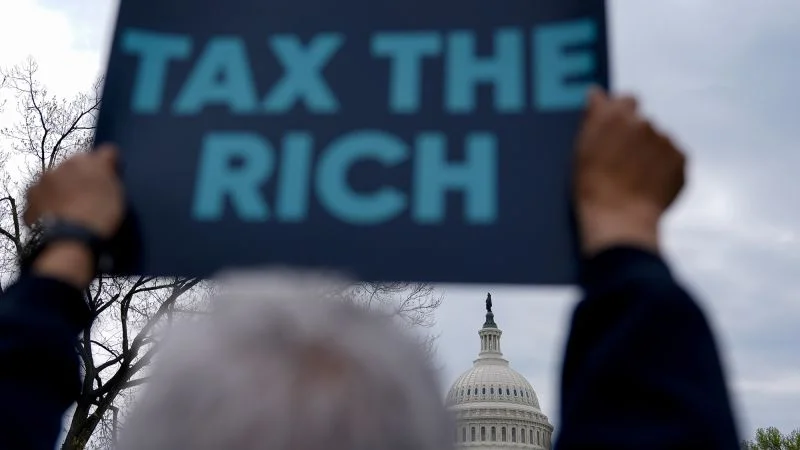
Faced with budget gaps, fourteen states consider raising taxes on the rich to fund schools and hospitals; Massachusetts cites the Fair Share Amendment as a successful example, while California’s Billionaire Tax Act proposes a one-time 5% wealth levy on net worth above $1 billion to raise roughly $100B. Critics warn such taxes could trigger capital flight and harm revenue, even as other states cut taxes or adopt flat-rate schemes, highlighting a broad but uneven national split on how to balance budgets.
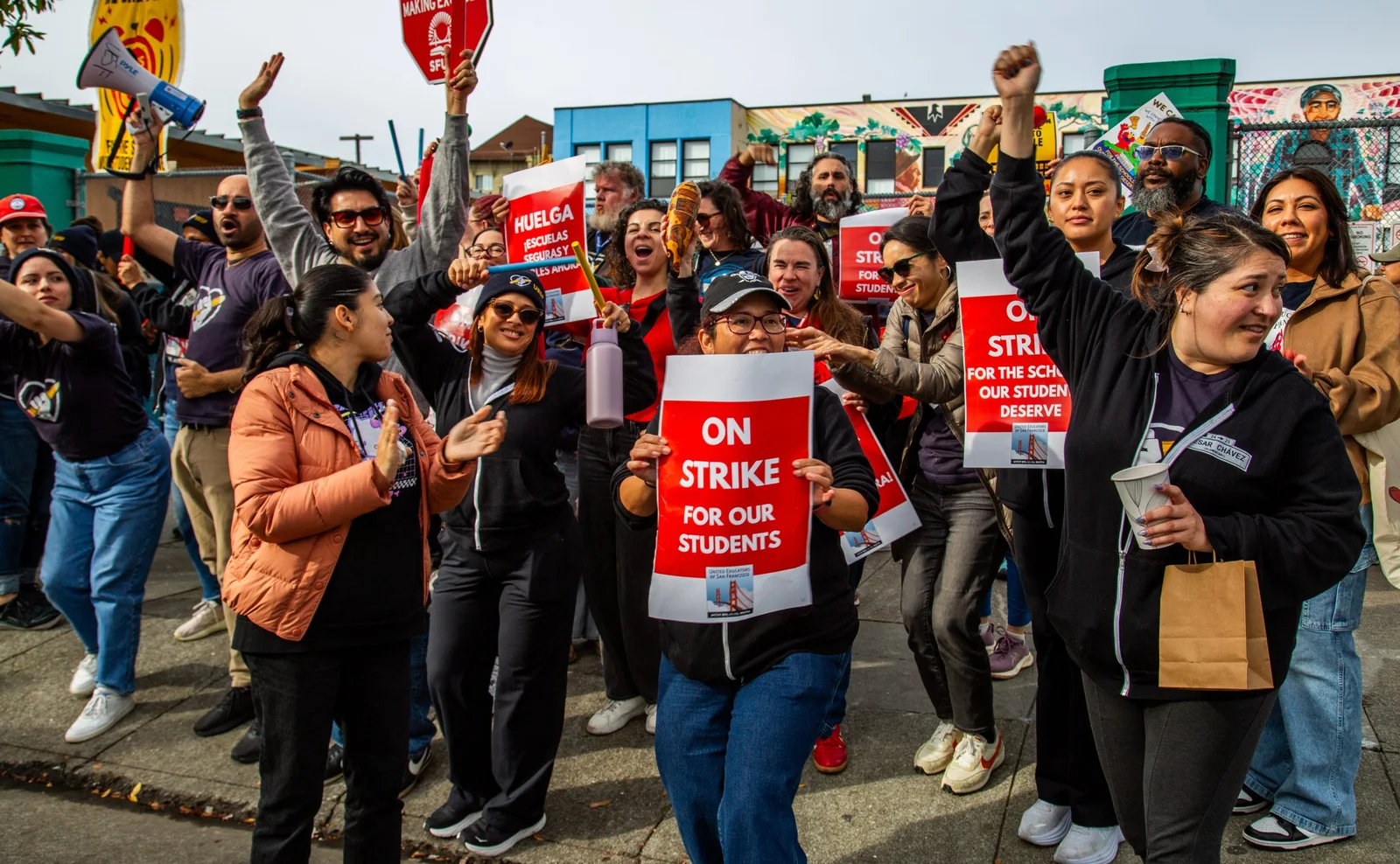
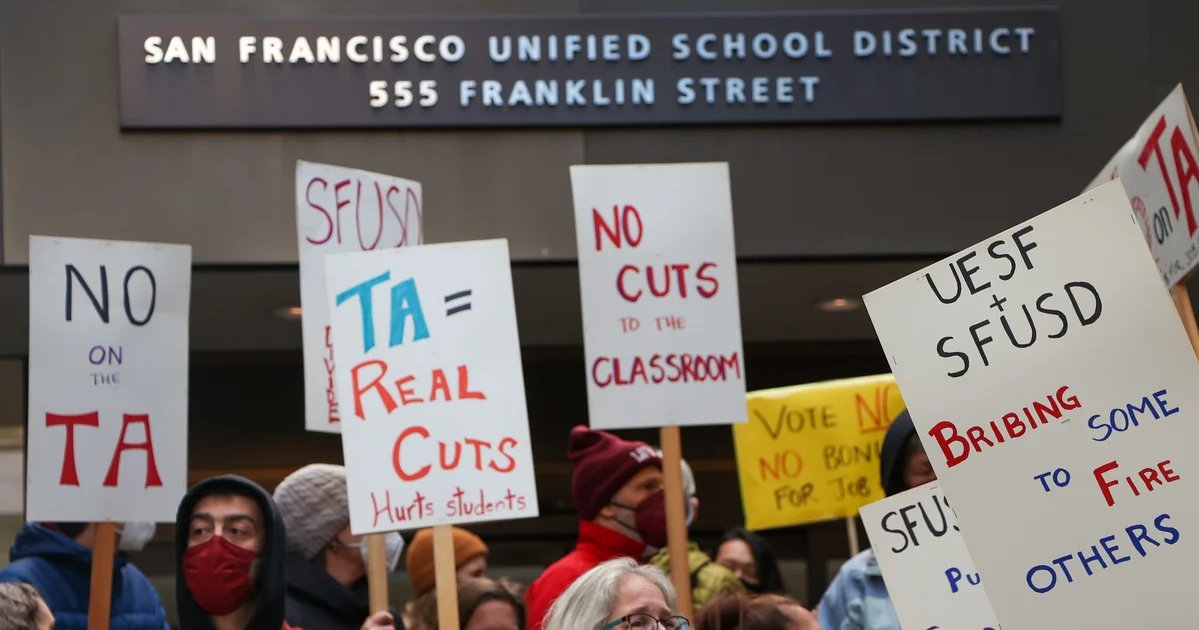
The San Francisco Unified School District’s four‑day teachers strike ended with a negotiated win for educators—fully funded family healthcare and a roughly 5% pay increase—after months of deadlock. The district’s late bargaining, unresolved non‑monetary issues (sanctuary campuses, AI policy) and thin contingency plans left administrators on the back foot when sympathy strikes by principals and other staff shut schools. Public support from families helped sustain the strike, but the district faces ongoing fiscal pressures and tougher bargaining ahead as money and staffing concerns linger.
San Francisco’s about 6,000 public school teachers plan a Monday strike over higher wages, improved health benefits, and increased staffing for special-education students, potentially the district’s first teachers walkout since 1979. A fact-finding panel urged a 6% raise over two years, while the union seeks up to 14%, arguing the district can use a $111 million reserve to fund raises though the district contends it cannot afford the full demands. Negotiations continue as parents and administrators weigh the impact on 50,000 students.
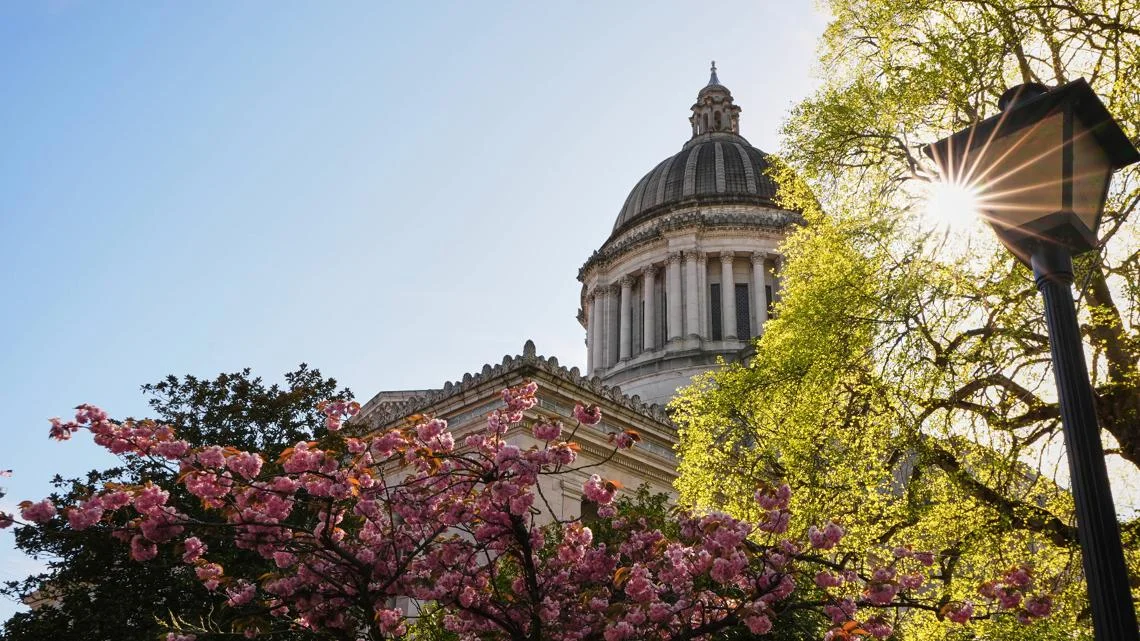
Democrats in Olympia unveiled Senate Bill 6346 proposing a 9.9% tax on household incomes above $1 million to raise about $3.7 billion annually for public education, early learning, childcare, healthcare and other services. The plan would also eliminate the sales tax on grooming products, create a small-business gross-revenue threshold exemption, expand the Working Families Tax Credit and direct 5% of revenue to counties for public safety. Gov. Jay Inslee’s office notes the proposal doesn’t go far enough for Washingtonians, while Republicans call it unconstitutional and warn of potential court challenges or voter referendum.
Federal investigators concluded that California’s policy allowing districts to withhold information about a student’s gender identity from parents violates the Family Educational Rights and Privacy Act, a finding that could endanger roughly $8 billion in annual federal education funding unless the state aligns with federal requirements. California argues AB 1955 does not force nondisclosure and cites ongoing legal battles as the case plays out in courts and with federal officials.
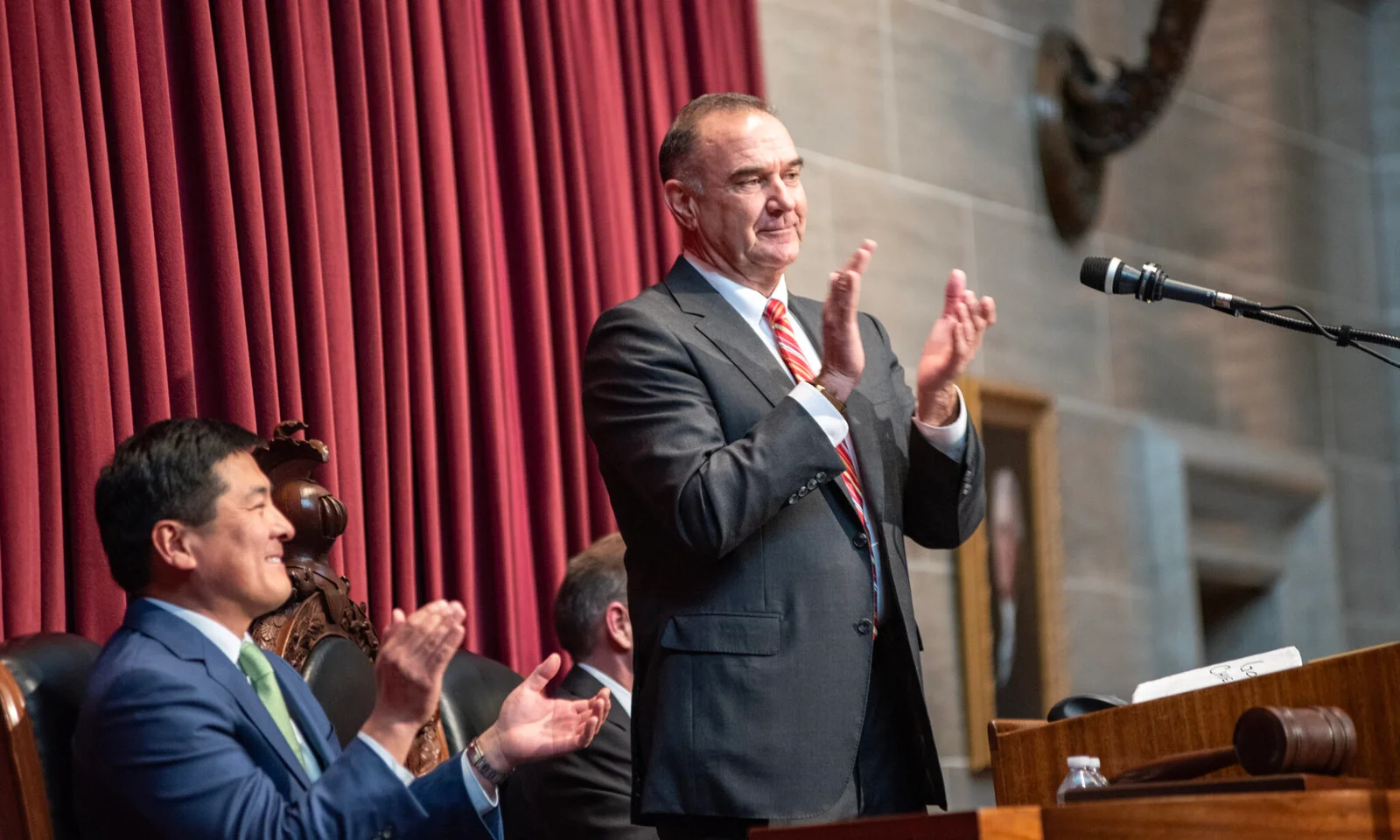
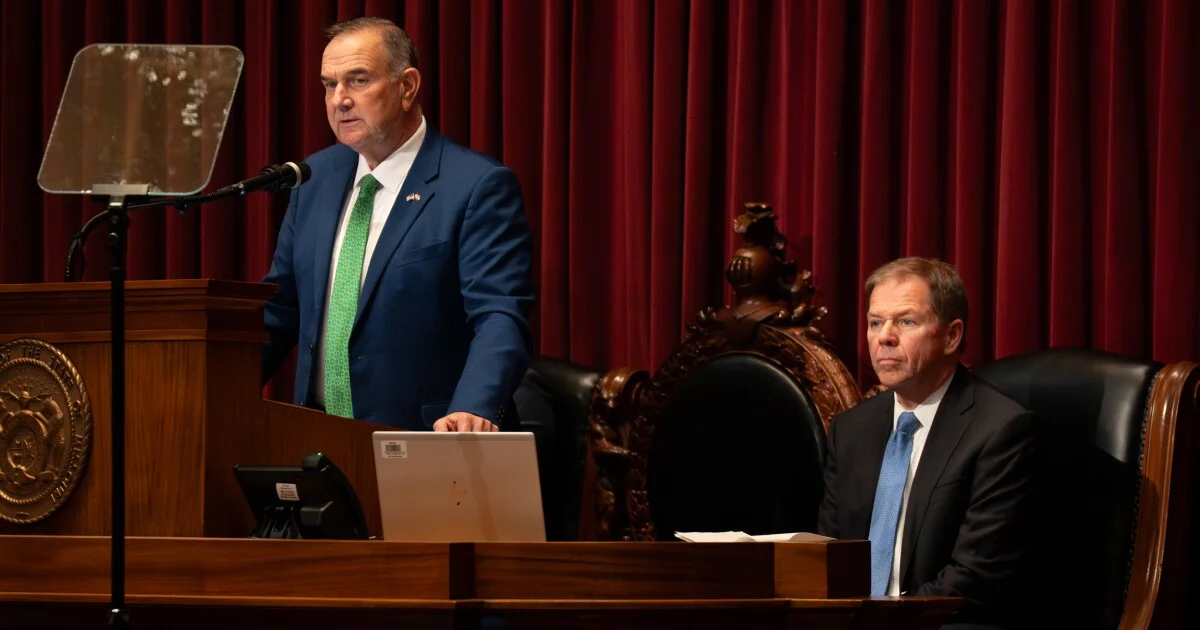
Missouri's budget surplus is projected to be exhausted by the end of the next fiscal year, as Gov. Mike Kehoe unveiled a $54.5 billion plan with no new money for public schools, higher education, or state employee raises. The proposal would cut about $600 million in general revenue, rely on replacing about $1 billion in exhausted federal COVID relief funds, and offer limited spending increases—mostly a health-plan boost and a few targeted programs—while reviving a push to eliminate the state income tax via a voter referendum. Democrats warn the approach will shift costs to residents and threaten services, while Republicans tout spending restraint amid a shifting revenue outlook and Medicaid cost pressures.
Gov. Mike Kehoe proposes phasing out Missouri’s income tax over five years, to be funded by taxes on services and require a statewide vote; the lean budget also funds tornado debris cleanup, expands private K–12 tuition aid, and keeps a 4% general-revenue cut while drawing partisan feedback on feasibility and potential sales-tax shifts.
Despite record-breaking sales, the North Carolina Education Lottery has been allocating a smaller share of its revenue to public schools, dropping from 23% in 2023 to just 16% in 2025, due to increased winnings paid out and a shift to higher payout digital games, raising concerns about the impact on education funding.
Michigan lawmakers approved an nearly $81 billion state budget ending a months-long stalemate, boosting road and education funding, continuing free school meals, and cutting vacant government jobs, while excluding funding for a controversial copper mine and certain culture war issues.
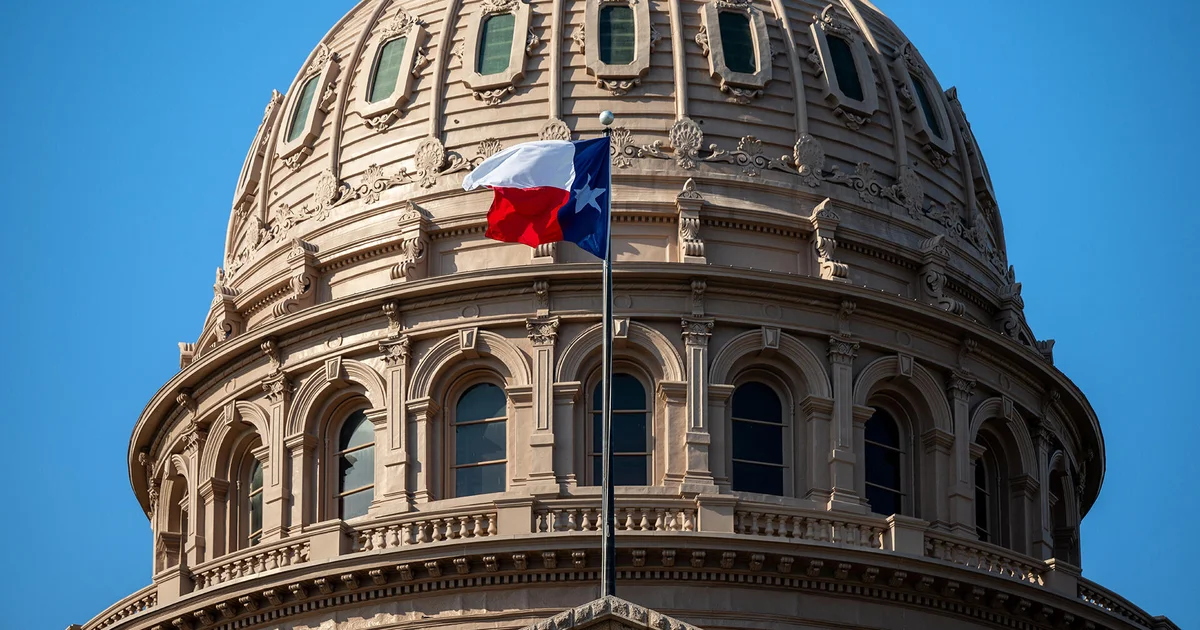
Over 800 new laws are taking effect in Texas, covering areas such as education funding, school vouchers, water infrastructure, and social policies, with some laws requiring future voter approval or delayed implementation, reflecting significant legislative changes in the state.
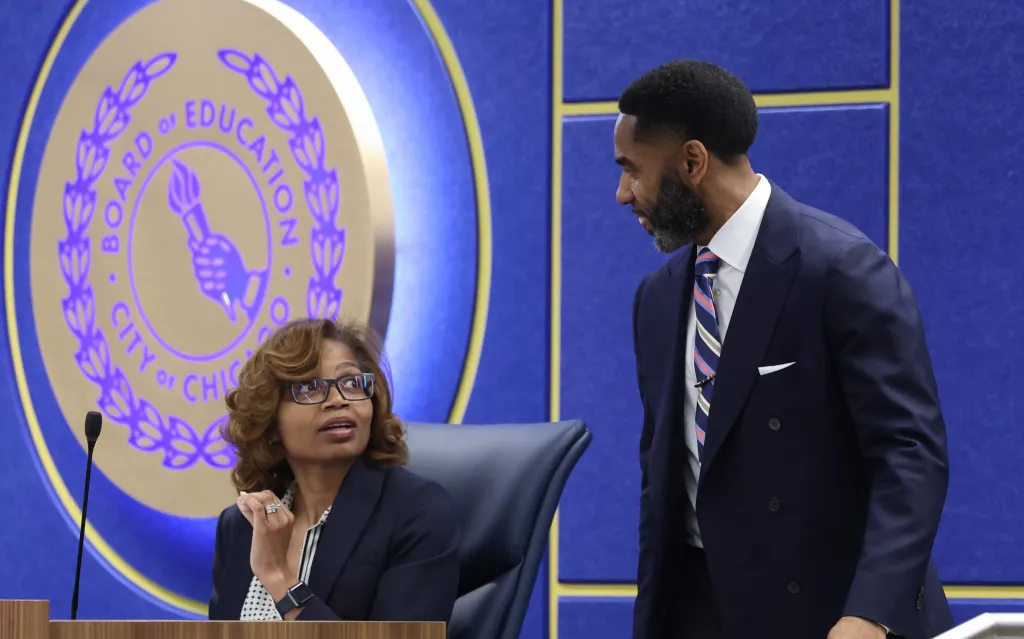
The Chicago Board of Education approved the 2025-26 budget without a controversial $200 million loan, marking a shift in internal dynamics and reflecting ongoing debates over funding strategies, including reliance on TIF surplus and potential borrowing, amidst tensions between mayoral appointees and elected members.
NYC parents and teachers are struggling to afford school supplies due to a 30% tariff on Chinese imports, leading to higher prices and increased financial strain, especially on low-income families, with many resorting to reusing supplies or seeking donations to cope with the rising costs.
The Trump administration agreed to restore $6.8 billion in education funds after a lawsuit by multiple states challenged its decision to freeze the funds, which affected programs for millions of students, especially in low-income communities, amid broader efforts to reshape US public education policies.
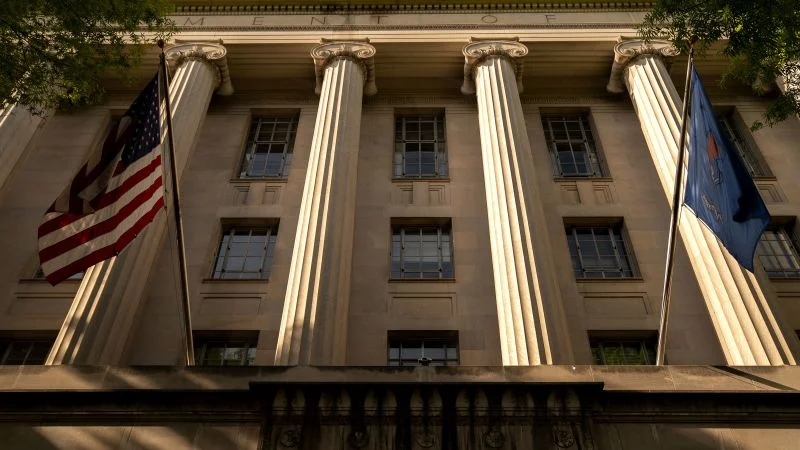
The Justice Department under the Trump administration announced it will not defend a longstanding grant program for Hispanic-serving colleges, claiming the program is unconstitutional as it provides racial advantages, leading to a legal challenge from Tennessee and a conservative group. The case questions the constitutionality of race-based funding for colleges with high Hispanic enrollment, amid broader debates over affirmative action and diversity policies.