Tag

Federal Debt

All articles tagged with #federal debt

Trump administration to resume wage garnishments for defaulted student loans in January

Originally Published 19 days ago — by Axios

Featured image for Trump administration to resume wage garnishments for defaulted student loans in January
Source: Axios

The Trump administration will begin garnishing wages of about 1,000 defaulted student loan borrowers starting in January, as part of a broader effort to increase debt collection following the end of a repayment pause and changes to repayment plans, affecting millions of borrowers with over $1.6 trillion in federal student debt.

Trump administration to resume wage garnishment for defaulted student loans

Originally Published 19 days ago — by CNBC

Featured image for Trump administration to resume wage garnishment for defaulted student loans
Source: CNBC

The Trump administration will begin garnishing the wages of defaulted student loan borrowers starting in January, affecting around 1,000 people initially, with the number expected to rise. The government can seize up to 15% of a borrower's after-tax income, leaving them with at least $217.50 weekly, as part of its efforts to recover federal debts amid a rising default rate among over 42 million student loan holders with more than $1.6 trillion in debt.

Trump administration considers selling parts of $1.6 trillion federal student loan portfolio

Originally Published 3 months ago — by Politico

Featured image for Trump administration considers selling parts of $1.6 trillion federal student loan portfolio
Source: Politico

The Trump administration is considering selling parts of the $1.6 trillion federal student loan portfolio, but experts and advocacy groups express skepticism about the financial benefits and concerns that such a sale could shortchange borrowers and benefit wealthy investors at the expense of struggling families.

Trump's Tariffs Could Reduce US Debt by $4 Trillion, CBO Reports

Originally Published 4 months ago — by CNN

Featured image for Trump's Tariffs Could Reduce US Debt by $4 Trillion, CBO Reports
Source: CNN

President Trump claims that his tariffs will reduce the US federal debt by $4 trillion over a decade, based on a CBO report, but this figure is subject to many caveats including economic impacts, legal challenges, and policy changes. The tariffs have already generated significant revenue but also pose risks to the economy and consumer prices, with future effects uncertain.

Potential Long-Term Impact of Recent U.S. Fiscal Policies on National Debt

Originally Published 5 months ago — by ABC News

Featured image for Potential Long-Term Impact of Recent U.S. Fiscal Policies on National Debt
Source: ABC News

President Trump's $4 trillion spending measure will significantly increase the US national debt over the next decade, leading to higher interest rates, increased borrowing costs for consumers and businesses, and potential economic challenges for future generations, despite White House claims of economic growth and debt reduction.

Trump's Rate Cut Demands Clash with Fed's Inflation Concerns

Originally Published 5 months ago — by CNN

Featured image for Trump's Rate Cut Demands Clash with Fed's Inflation Concerns
Source: CNN

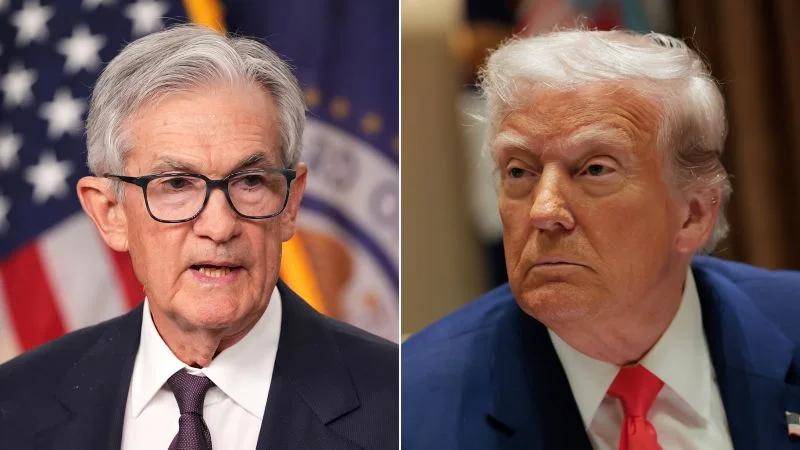
President Trump blames Fed Chair Powell for high interest costs and urges rate cuts, but experts suggest that lowering rates may not significantly reduce the US's rising interest payments, which are driven by the growing federal debt and other factors. The focus should be on reducing the deficit rather than solely manipulating interest rates.

U.S. Market Resilience and Global Investment Outlook

Originally Published 6 months ago — by Bloomberg

Featured image for U.S. Market Resilience and Global Investment Outlook
Source: Bloomberg

The article examines whether American exceptionalism, characterized by the US's dominant financial markets, stable institutions, and economic resilience, remains valid amid political and economic challenges such as trade protectionism, rising federal debt, and global shifts in investment. Despite recent uncertainties, US assets continue to attract significant foreign investment, supported by the dollar's status and the strength of US companies, especially in technology. However, concerns about long-term sustainability and the potential for diversification are prompting some investors to reconsider their reliance on US assets, exploring alternatives like Europe and China.

The Impact of the Big Bill on the Economy and Working Class

Originally Published 6 months ago — by NPR

Featured image for The Impact of the Big Bill on the Economy and Working Class
Source: NPR

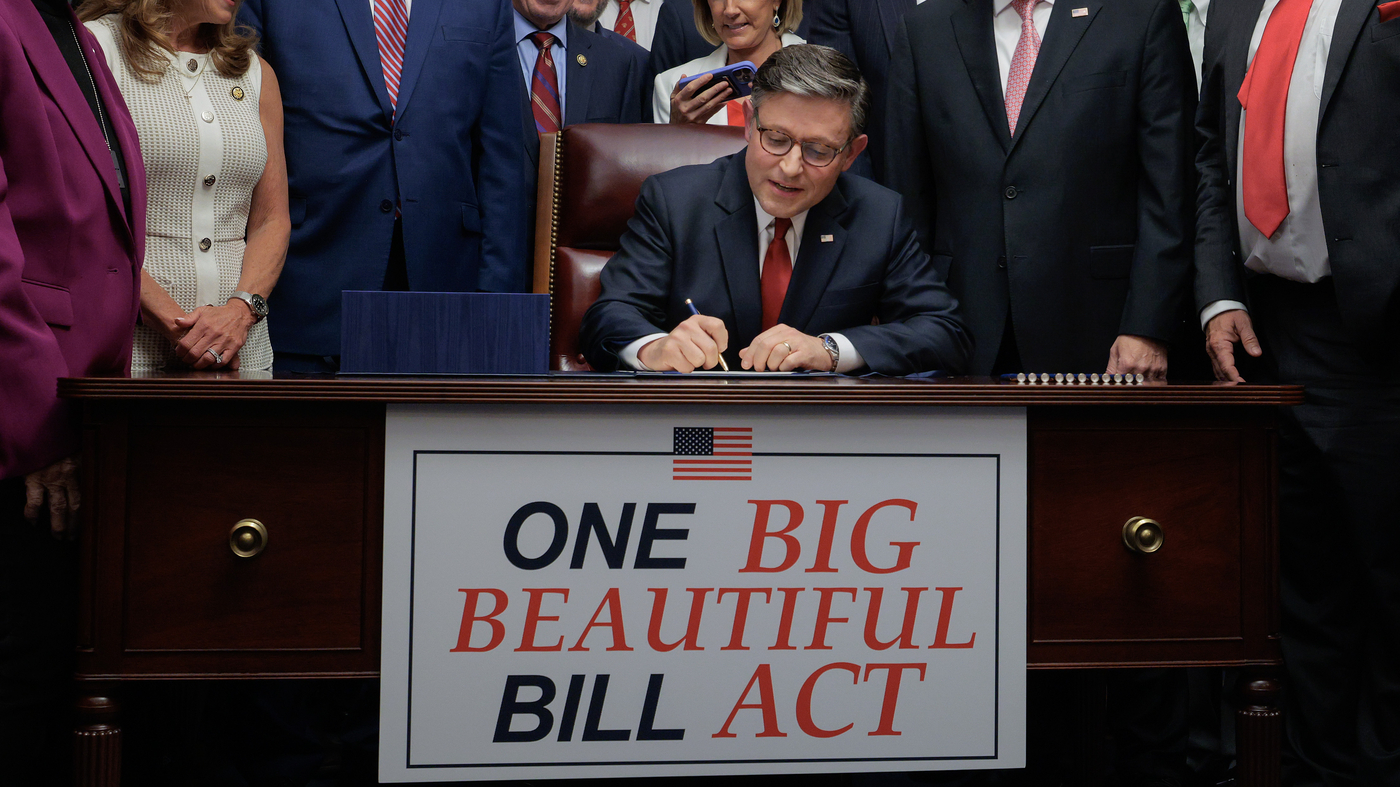
The article discusses the economic implications of President Trump's recent big taxing and spending bill, highlighting that it involves making tax cuts permanent, funded by spending cuts and borrowing, leading to a larger federal deficit with significant long-term consequences for the economy and everyday lives.

Trump poised to sign major bill amid political and legal debates

Originally Published 6 months ago — by ABC News - Breaking News, Latest News and Videos

Featured image for Trump poised to sign major bill amid political and legal debates
Source: ABC News - Breaking News, Latest News and Videos

Economists warn that the significant increase in the US federal deficit due to Trump's tax and spending bill could lead to dangerous economic consequences, including higher interest rates, reduced government flexibility in crises, and potential a doom loop of rising debt and interest costs, threatening long-term economic stability.

Trump's 'Big, Beautiful' Bill: Impact on National Debt and Your Wallet

Originally Published 6 months ago — by The Washington Post

Featured image for Trump's 'Big, Beautiful' Bill: Impact on National Debt and Your Wallet
Source: The Washington Post

President Donald Trump has solidified a costly economic legacy by supporting a second major tax cut approved by Congress, which is expected to significantly increase the national debt, adding to the $8 trillion rise during his first term due to tax cuts and pandemic-related spending.

Experts Warn Trump’s Tariffs May Reduce Debt but at Economic and Political Costs

Originally Published 7 months ago — by NPR

Featured image for Experts Warn Trump’s Tariffs May Reduce Debt but at Economic and Political Costs
Source: NPR

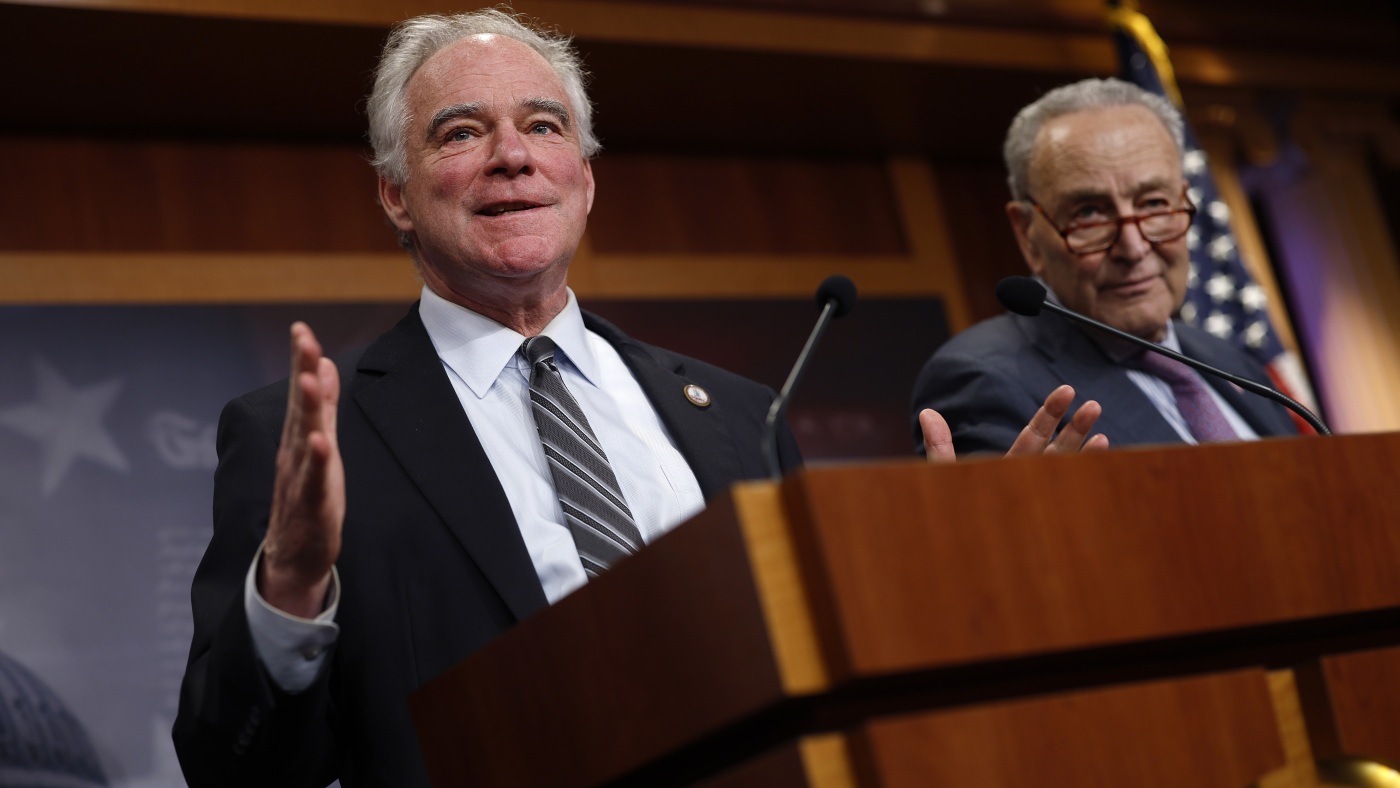
Sen. Tim Kaine argues that while Trump's tariffs could raise $2.8 trillion over a decade and reduce the federal deficit, they would disproportionately burden low- and middle-income Americans through regressive sales taxes, potentially harming economic growth and increasing inequality, as the revenue is used to fund tax cuts for the wealthy and cut social programs.

GOP Tax and Spending Bills to Significantly Increase Deficit and Uninsured Rates

Originally Published 7 months ago — by The New York Times

Featured image for GOP Tax and Spending Bills to Significantly Increase Deficit and Uninsured Rates
Source: The New York Times

President Trump and his allies are attempting to discredit economists and budget experts who warn that their proposed tax legislation could add approximately $2.4 trillion to the US federal debt over a decade, amid political and economic debates over the bill's fiscal impact.

Government Debt Crisis: Your Borrowing Challenge and Saving Opportunity

Originally Published 7 months ago — by MarketWatch

Featured image for Government Debt Crisis: Your Borrowing Challenge and Saving Opportunity
Source: MarketWatch

Rising bond yields, driven by increased government debt and fiscal policy concerns, are raising borrowing costs for consumers on mortgages and car loans, while also presenting opportunities for savers due to higher fixed-income returns. The situation is influenced by political decisions, inflation, and Federal Reserve policies, creating a complex environment for both borrowers and investors.

Trump's Economic Plans: A Double-Edged Sword for Markets and Policy

Originally Published 1 year ago — by NPR

Featured image for Trump's Economic Plans: A Double-Edged Sword for Markets and Policy
Source: NPR

Donald Trump's proposed economic policies, including extending tax cuts and imposing higher tariffs, aim to boost growth but risk increasing the federal deficit by nearly $8 trillion over the next decade. While the stock market has reacted positively to his business-friendly stance, bond markets are concerned about rising debt. Trump's plans could lead to higher borrowing costs and inflation, and his approach to the Federal Reserve's independence remains uncertain.