The article discusses the decline of American exceptionalism, exploring how the United States' unique global role and influence are diminishing amid changing political and international dynamics.
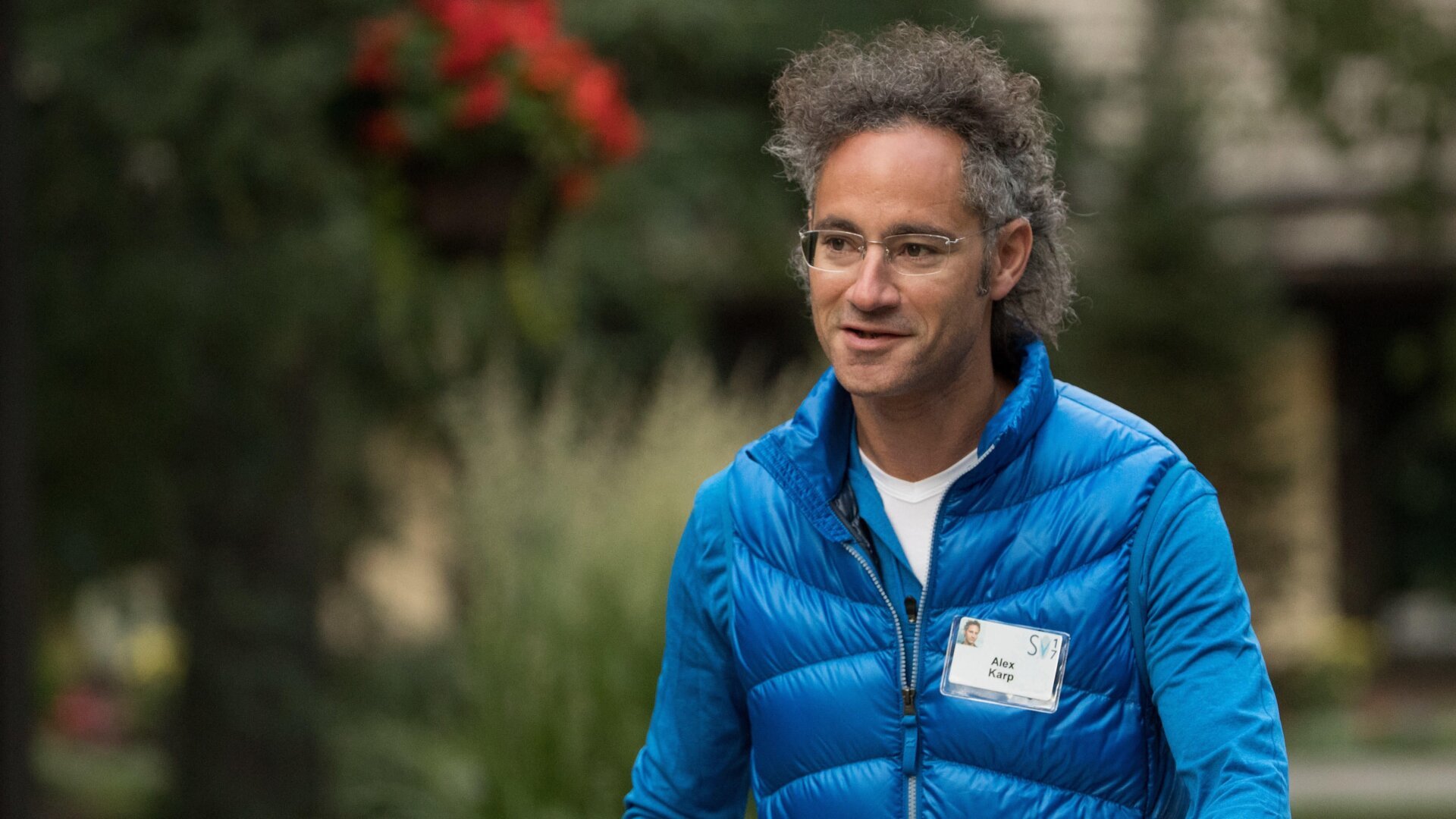
Palantir CEO Alex Karp advocates for a surveillance state over China winning the AI race, emphasizing AI's role in US economic growth and national security, while dismissing privacy concerns and highlighting the risks of social instability from AI proliferation.
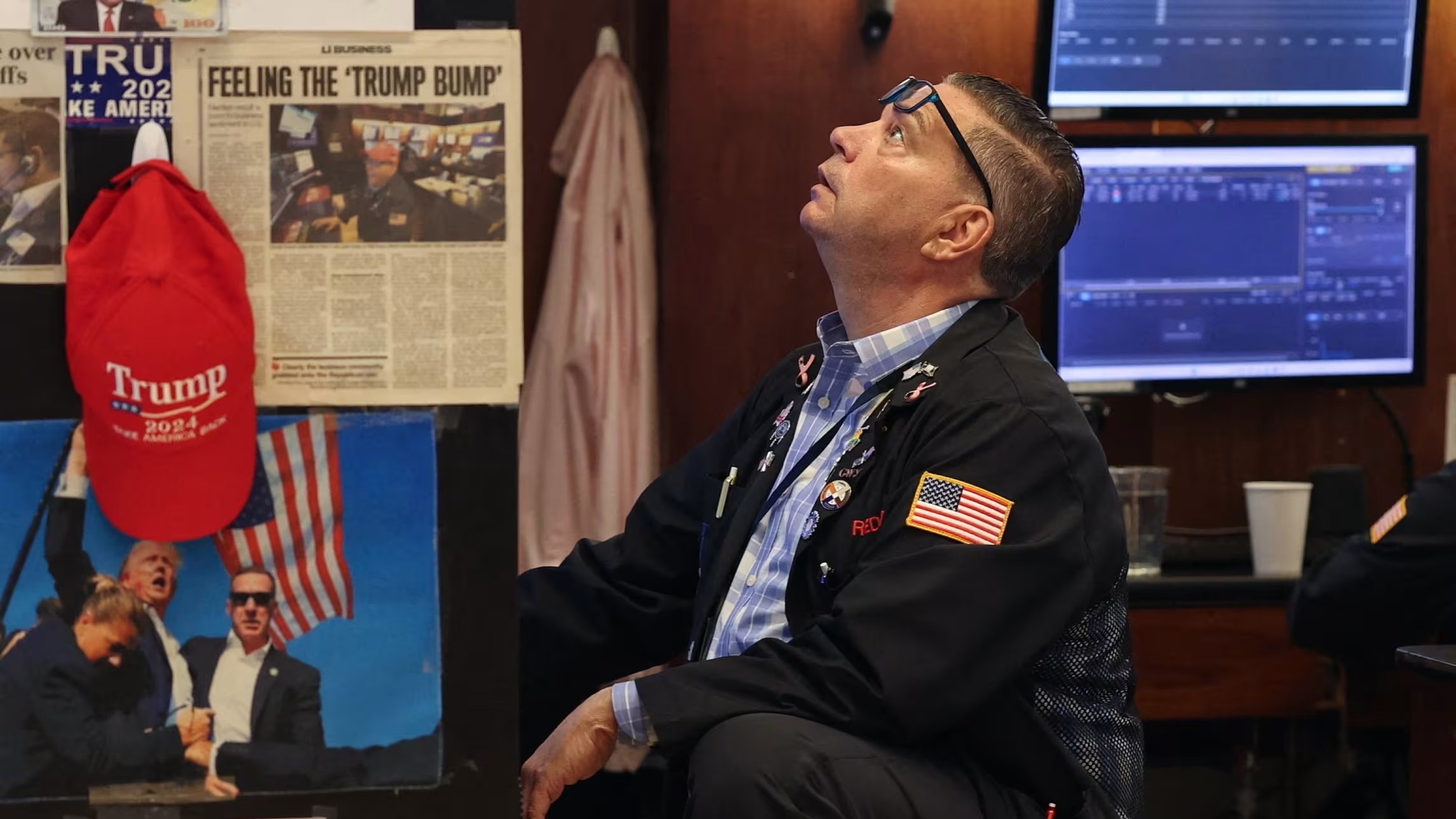
The article examines whether American exceptionalism, characterized by the US's dominant financial markets, stable institutions, and economic resilience, remains valid amid political and economic challenges such as trade protectionism, rising federal debt, and global shifts in investment. Despite recent uncertainties, US assets continue to attract significant foreign investment, supported by the dollar's status and the strength of US companies, especially in technology. However, concerns about long-term sustainability and the potential for diversification are prompting some investors to reconsider their reliance on US assets, exploring alternatives like Europe and China.
Ruchir Sharma, chair of Rockefeller International, warns of a massive bubble in U.S. financial markets, driven by unprecedented global investment in American assets. U.S. companies now dominate 70% of the leading global stock index, despite the U.S. economy comprising only 27% of global GDP. This concentration of investment is drawing capital away from other markets, potentially destabilizing them. Sharma's concerns are echoed by other experts, who note the risks of a "mother of all bubbles" in U.S. markets, exacerbated by foreign capital inflows and market sentiment.
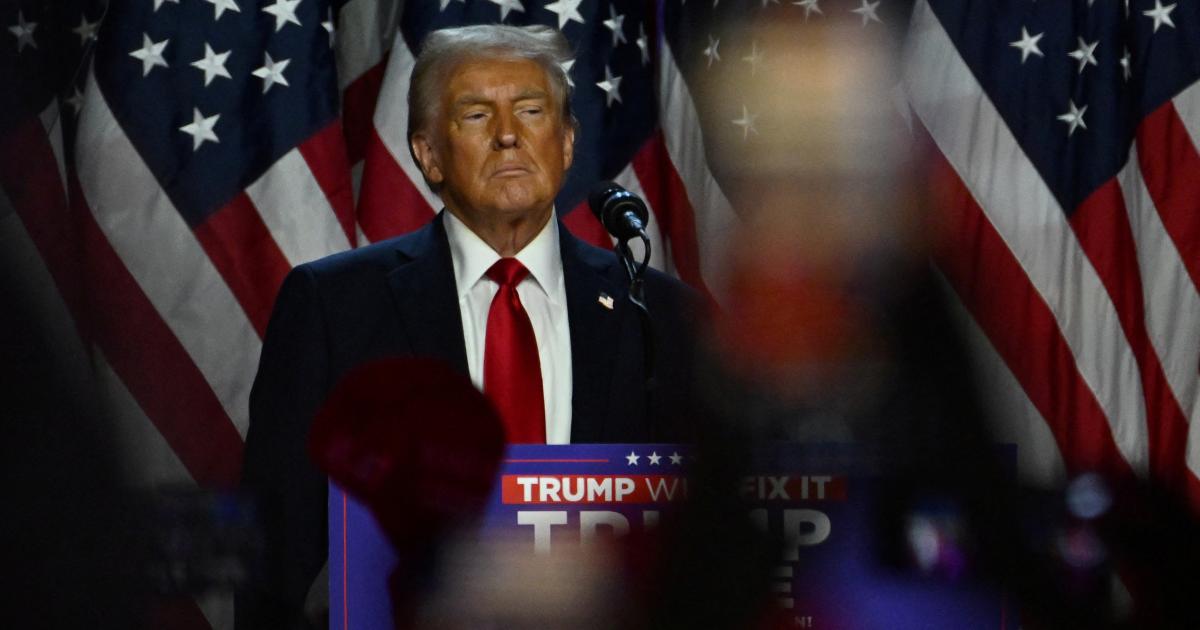
Donald Trump has won a second term as U.S. President, securing both the popular vote and the Electoral College, and Republicans have strengthened their hold on Congress. Trump's foreign policy in his second term is expected to be more cohesive and aligned with his "America First" agenda, marking a departure from traditional American ideals and signaling the end of American exceptionalism. His administration is likely to face increased corruption and challenges in global diplomacy, as foreign leaders are now more familiar with his tactics.
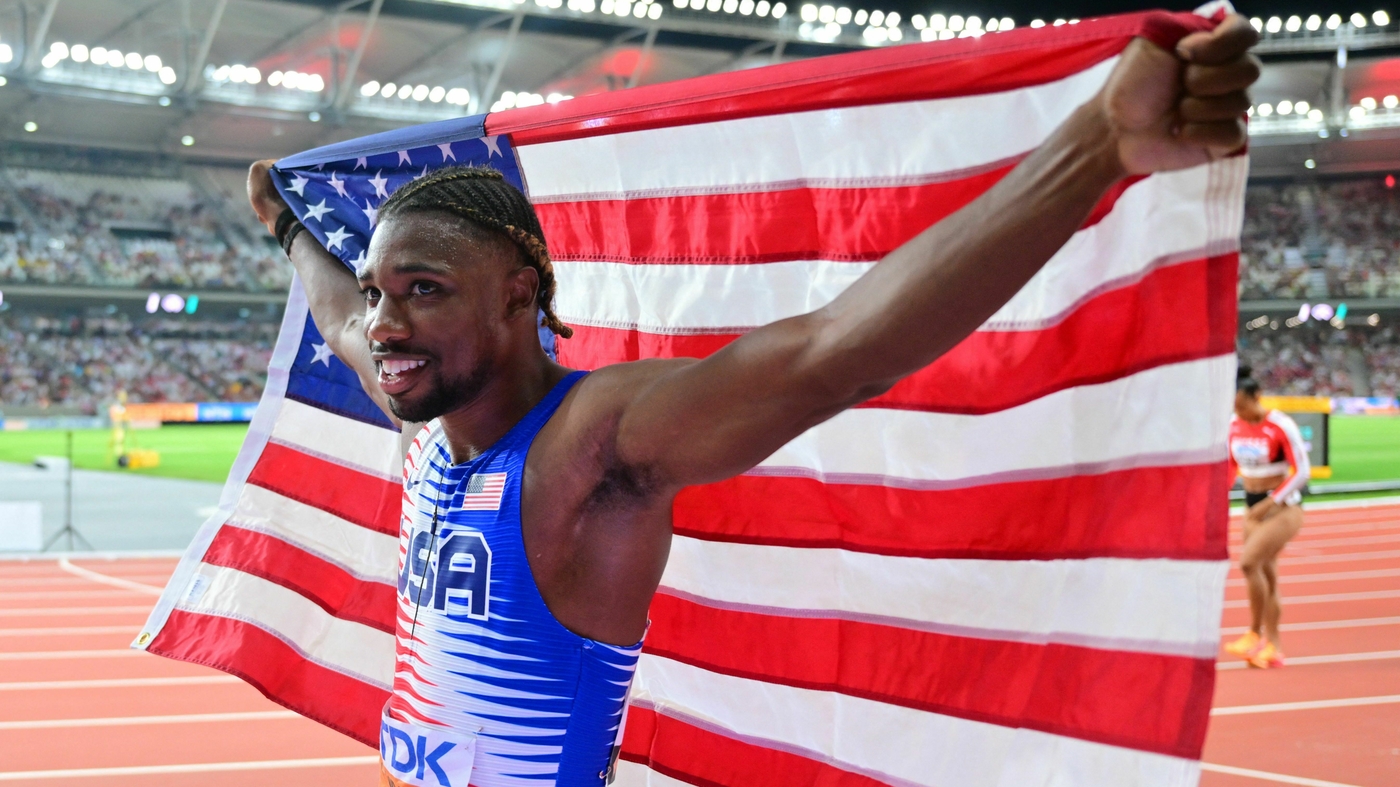
Track and field star Noah Lyles questioned why NBA title winners are referred to as "world champions," sparking a debate on American exceptionalism. Lyles, who recently won multiple events at the World Athletics Championships, expressed his belief that the NBA does not represent the world and that true world champions should include athletes from multiple countries. His comments received mixed reactions, with some basketball players taking offense and others agreeing with his perspective. The discussion highlights the perception of American exceptionalism in sports and the belief that American athletes are the best in the world. Lyles believes that showcasing inclusivity is crucial for the growth of his sport.