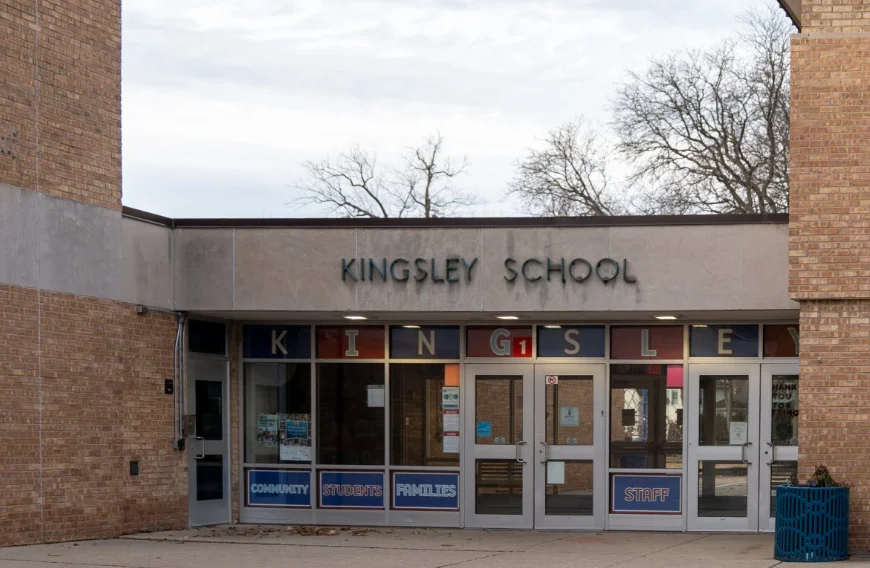
The District 65 school board in Evanston/Skokie voted unanimously to begin the process of closing Kingsley Elementary School, as part of a broader plan to address a significant budget deficit, with hearings scheduled for January and a reevaluation of Lincolnwood Elementary planned for October. The district aims to stabilize finances by meeting specific fiscal and utilization targets, but faces community concerns and debates over the impact of closures.
California faces a $2.9 billion budget shortfall in 2023, the fourth consecutive year of multibillion-dollar deficits, despite increased revenues; the state plans to prioritize education investments, rebuild reserves, and address federal funding losses, while lawmakers debate spending and cuts amid ongoing fiscal challenges.
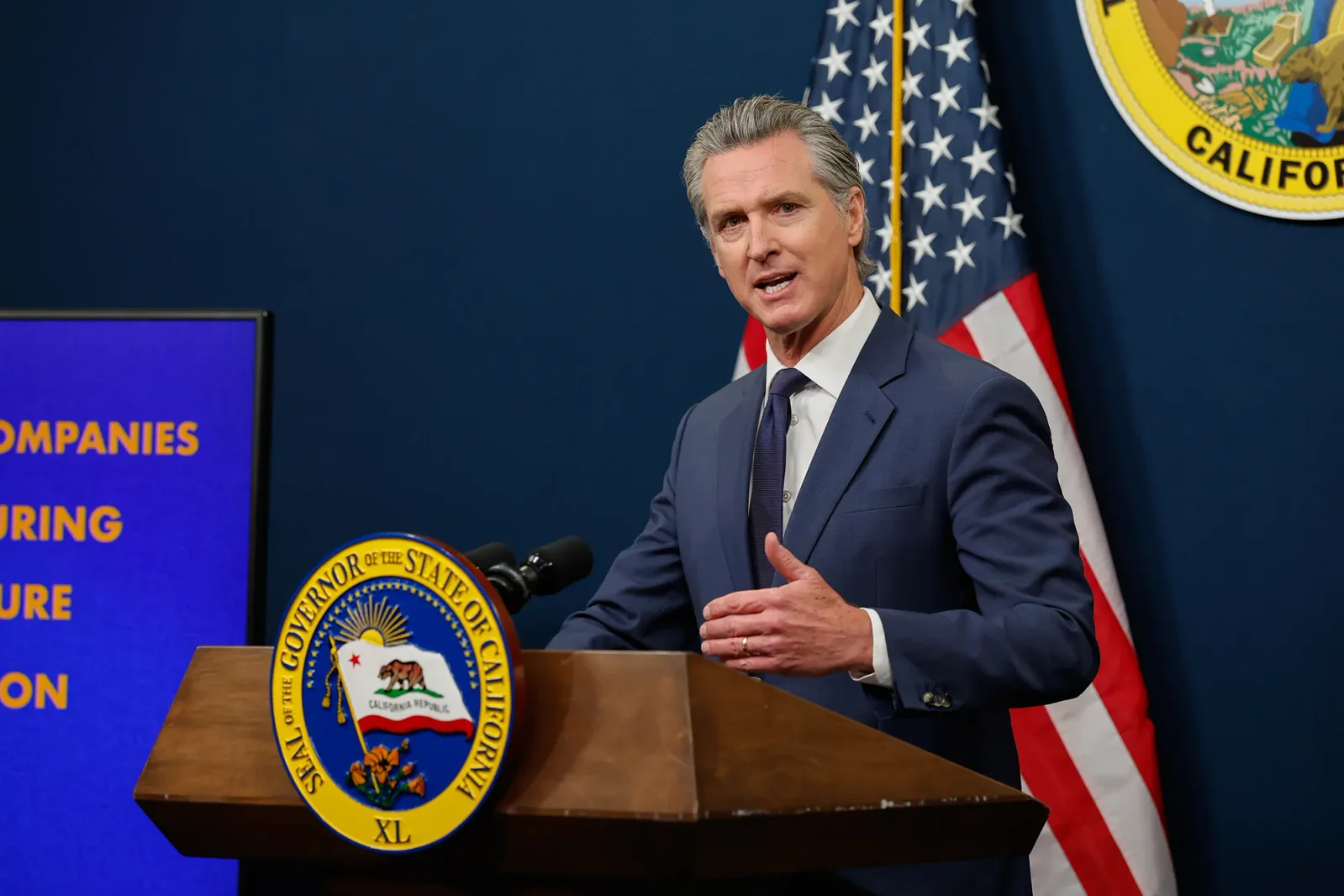
California faces an $18 billion deficit as Gov. Gavin Newsom prepares to release his final budget plan, with options limited to raising taxes or cutting spending, both politically challenging. The state's financial situation is worsened by federal funding cuts and increased spending, particularly on health care programs like Medi-Cal. Political considerations and the upcoming gubernatorial transition influence decisions, with little appetite for tax hikes on high earners or significant spending cuts, raising concerns about long-term fiscal stability and the governor's legacy.
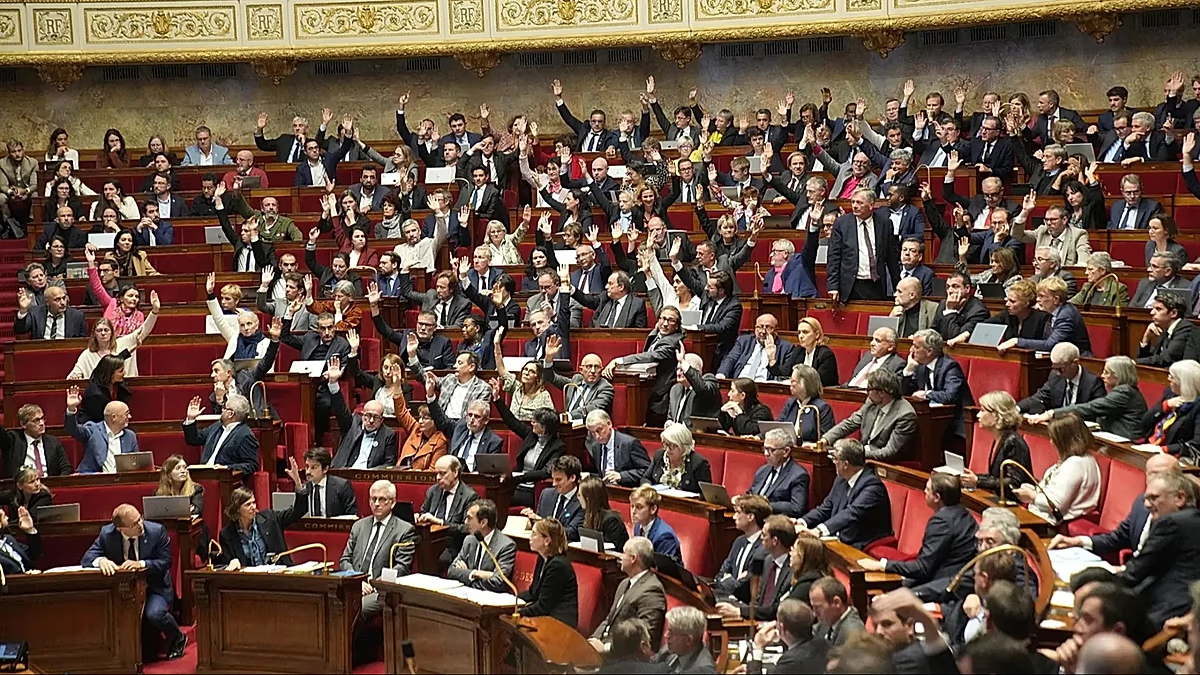
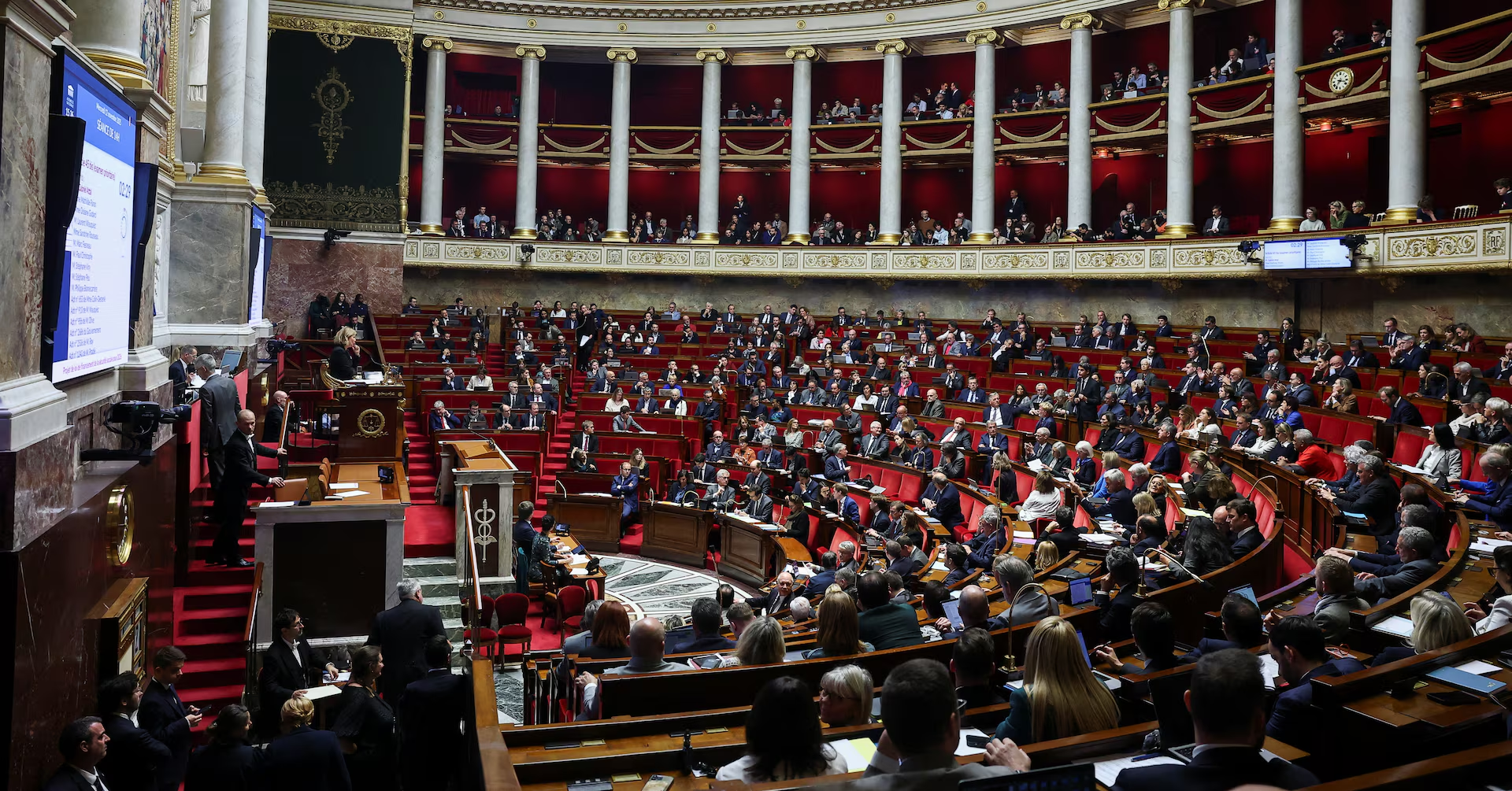
France's National Assembly approved a measure to suspend controversial pension reforms, including a plan to raise the retirement age, as part of broader budget negotiations amid political turmoil and economic challenges, such as a high public deficit and government instability.
French lawmakers voted to suspend a controversial pension reform, including a freeze on raising the pension age, as part of broader budget negotiations amid political instability and economic concerns, with the move seen as a temporary measure to maintain government stability and address fiscal challenges.
French Prime Minister Sebastien Lecornu survived two no-confidence votes, allowing for a contentious debate on the budget and pension reforms amid political instability, with implications for France's economic outlook and government stability.
Russia's economy is facing increasing pressure due to declining oil revenues, mounting budget deficits, and the need for tax hikes and spending cuts, which may push Putin towards seeking a peace deal amid growing economic instability and potential sanctions escalation.
France is currently facing severe political and economic instability, with its fiscal outlook worse than Italy's, as ongoing government crises and disagreements over the 2026 budget threaten to lead to another government collapse, drawing unfavorable comparisons to Italy's recent stability under Prime Minister Giorgia Meloni.
France is experiencing political and financial instability, with President Macron facing challenges over budget deficit issues and potential government changes if Bayrou's government falls, amid diplomatic tensions with Israel and rising online anti-tax protests.
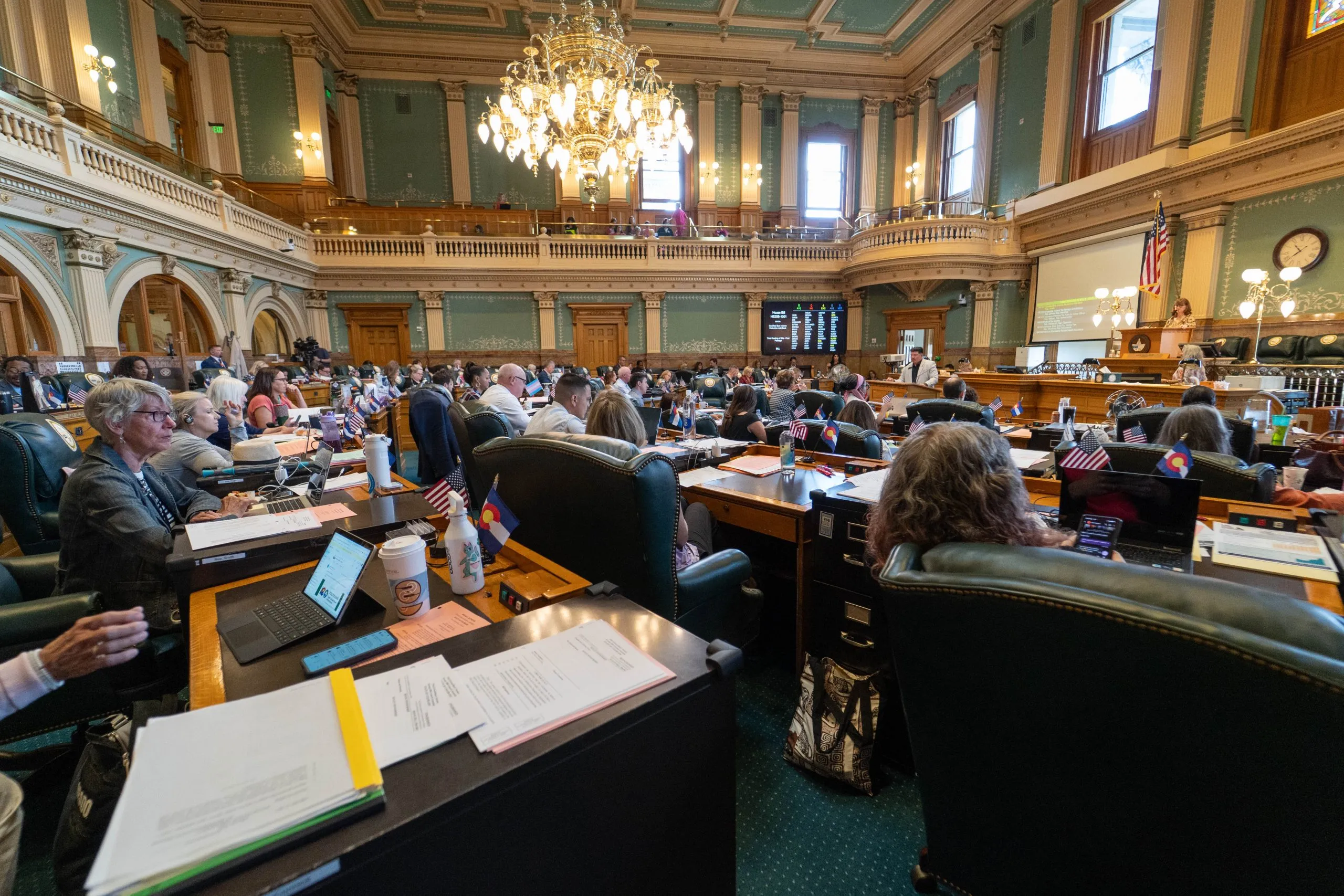
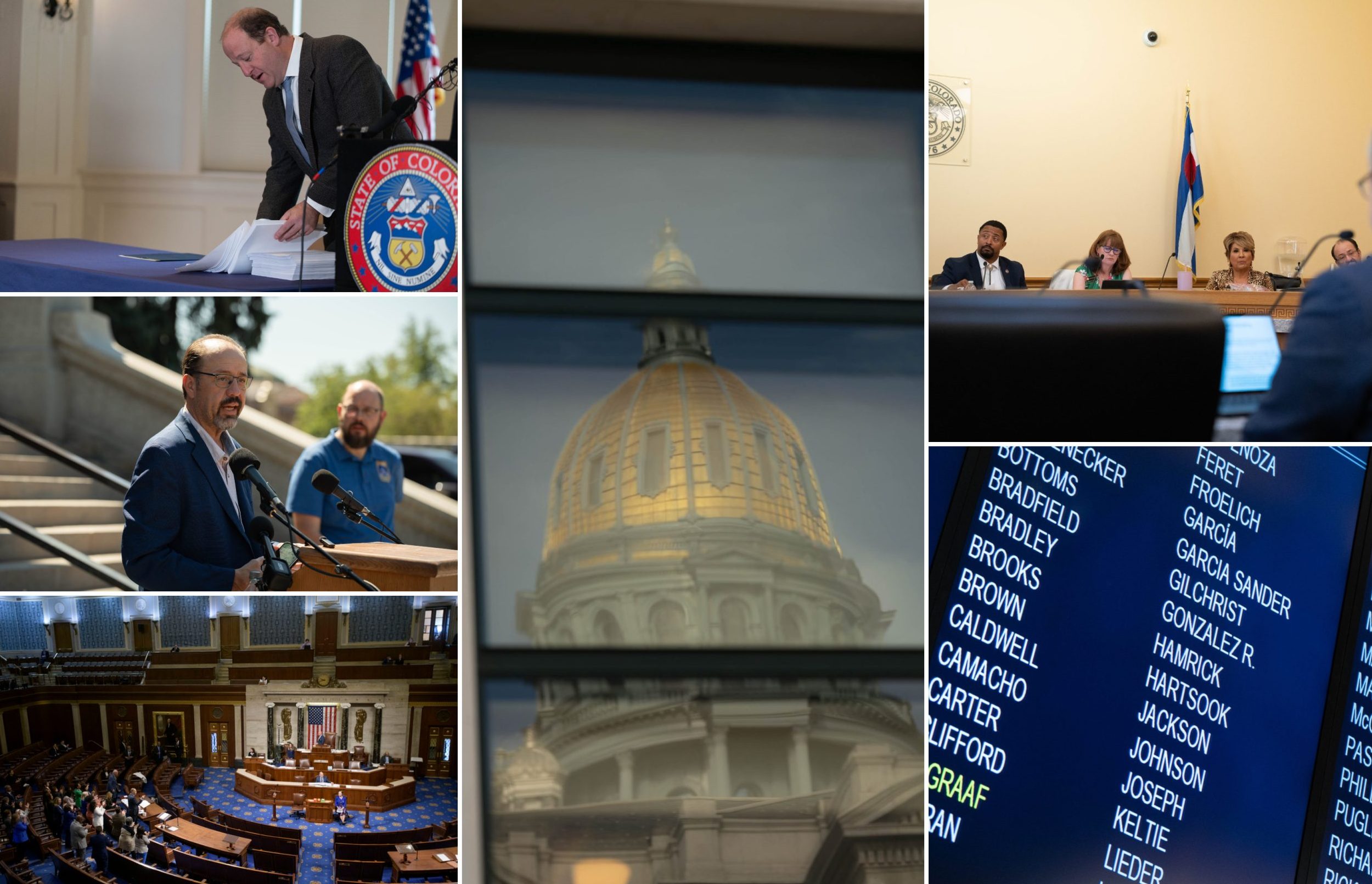
Democratic Colorado lawmakers are phasing out approximately $150 million in tax breaks to help address a $750 million budget shortfall, focusing on closing loopholes and increasing revenue through targeted legislation, while facing opposition from Republicans who favor spending cuts over tax increases.
Colorado's special legislative session focuses on addressing a $750 million budget shortfall caused by federal tax law changes, with Democrats proposing tax loophole closures and program cuts, while also debating AI regulations, healthcare funding, and adjustments to ballot measures, amidst Republican opposition and negotiations.
Scott Gilmore, a long-serving Denver city employee and husband of Councilmember Stacie Gilmore, was laid off amid city budget cuts, leading to accusations of retaliation and a lack of transparency in the process. The layoffs are part of a broader effort to address a significant budget deficit, and have sparked criticism from city officials and union representatives.
US tariff revenue hit a record $28 billion in July, but the overall budget deficit widened to $291 billion, reflecting ongoing fiscal challenges. Tariff income for the year is projected to reach $300 billion, potentially exceeding expectations, yet the deficit continues to grow due to increased interest costs and social spending, with the fiscal year ending with a significant shortfall.
The US Treasury plans to issue more short-term debt, such as Treasury bills, to fund a growing budget deficit, continuing a strategy that increases borrowing without raising long-term interest rates, despite previous disapproval from Treasury officials. This approach, driven by technical needs and debt management strategies, carries risks if interest rates rise, potentially increasing the government's debt burden.
France's recent budget proposals highlight a broader European crisis of aging populations, high debt levels, and fiscal constraints, risking bankruptcy without major reforms in digitization, decarbonization, and defense. The situation is compounded by political resistance, demographic decline, and rising borrowing costs, raising concerns about the stability of European economies and the global impact of rising U.S. debt and bond yields.