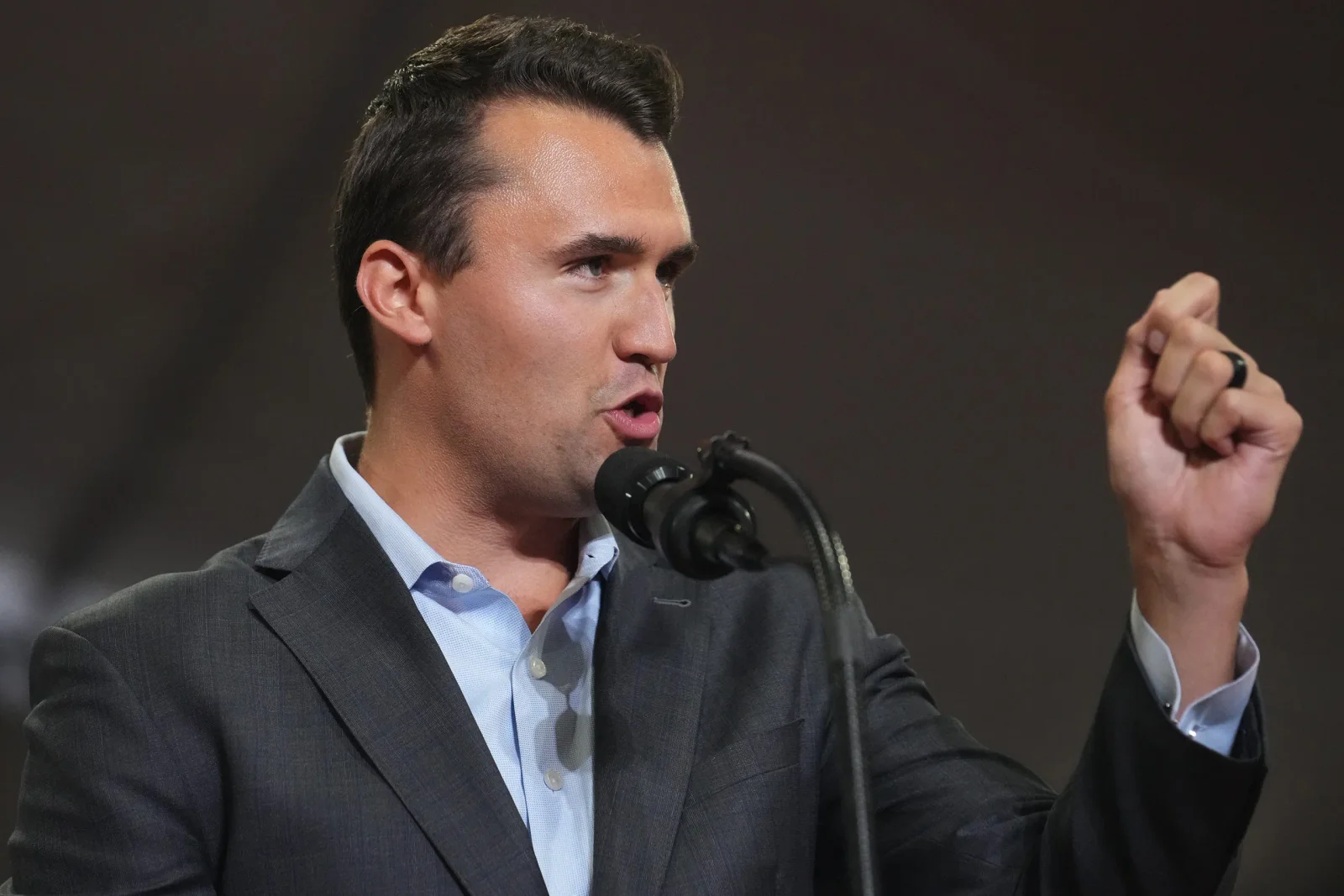
The Texas American Federation of Teachers is suing the Texas education agency, claiming that its investigation and reporting policy on teachers' social media posts about Charlie Kirk violate free speech rights, as the agency's actions have led to disciplinary measures based solely on speech, without clear impact on school operations.
The article emphasizes the importance of teaching AI and computing skills in schools to prevent a social divide, as AI becomes increasingly integrated into decision-making processes. Experts warn that understanding AI is crucial for empowerment and critical evaluation, and that neglecting this education could leave some children disempowered in a future dominated by automated systems.
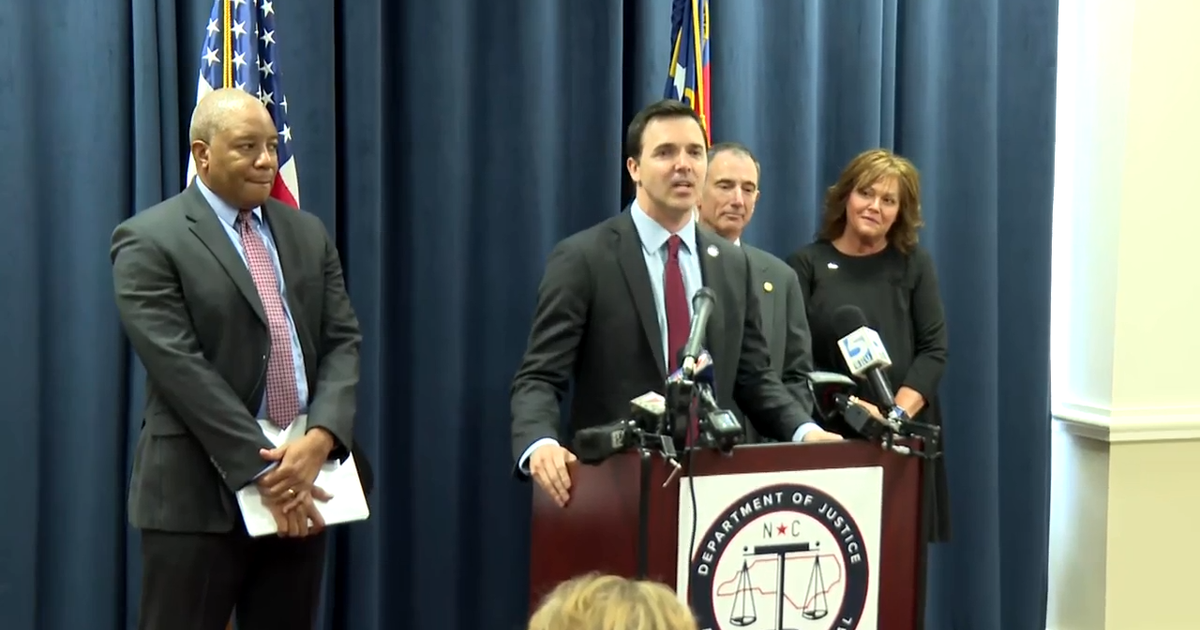
North Carolina sued the Trump administration over nearly $50 million in federal grants cut from programs supporting rural and low-income schools, arguing the cuts were unlawful and could lead to program closures and layoffs, with the state claiming the funding was vital during emergencies like hurricanes.
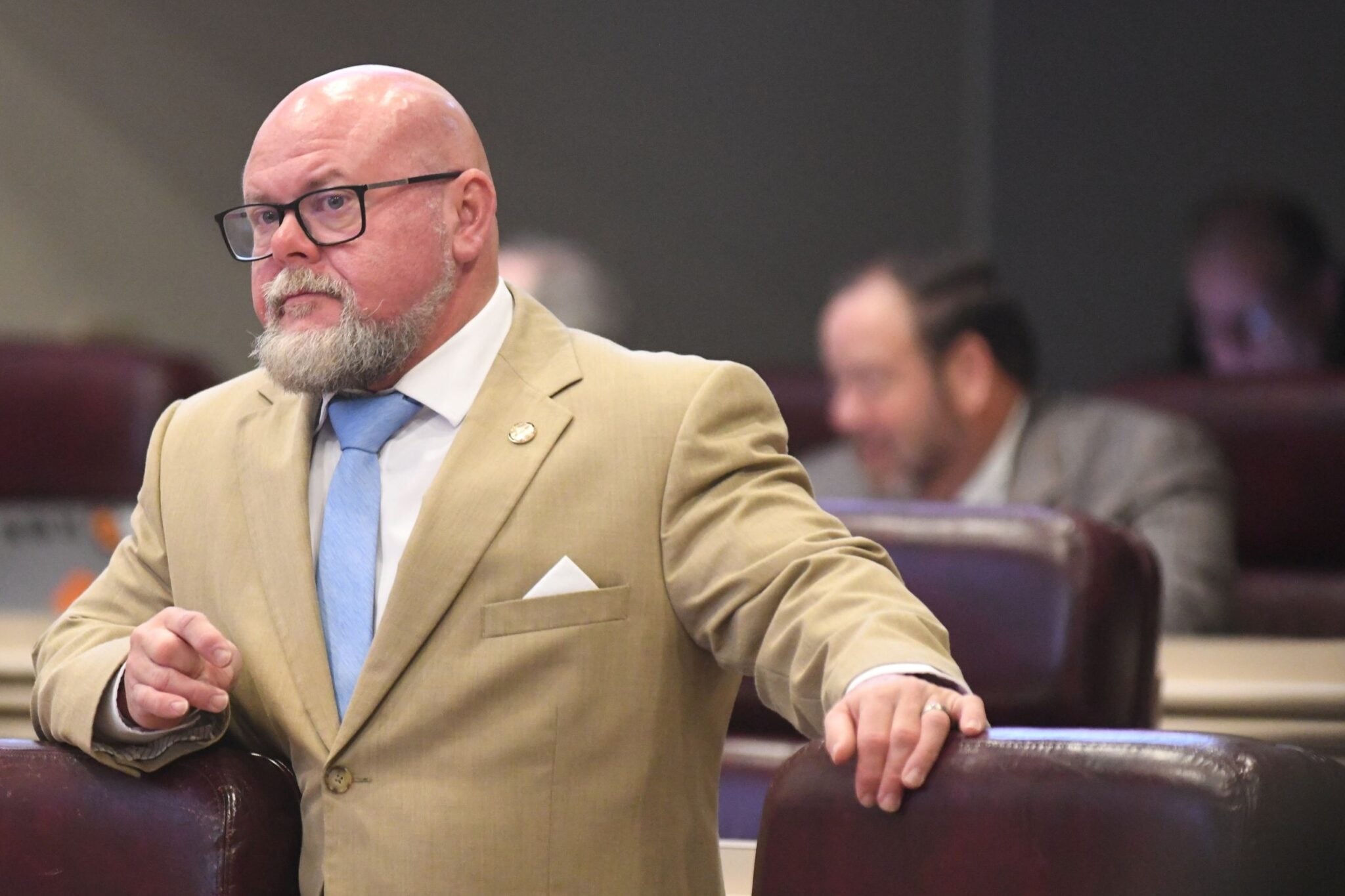
An Alabama lawmaker proposes a bill to establish signing days for military enlistment and trade schools in public high schools, aiming to boost recruitment and workforce development by aligning these events with existing athletic signing days. The bill would require schools to provide accommodations for these signing ceremonies, and some schools already practice similar celebrations. The legislation has previously passed the House and is expected to face little opposition.
The Trump administration will begin garnishing the wages of defaulted student loan borrowers starting in January, affecting around 1,000 people initially, with the number expected to rise. The government can seize up to 15% of a borrower's after-tax income, leaving them with at least $217.50 weekly, as part of its efforts to recover federal debts amid a rising default rate among over 42 million student loan holders with more than $1.6 trillion in debt.
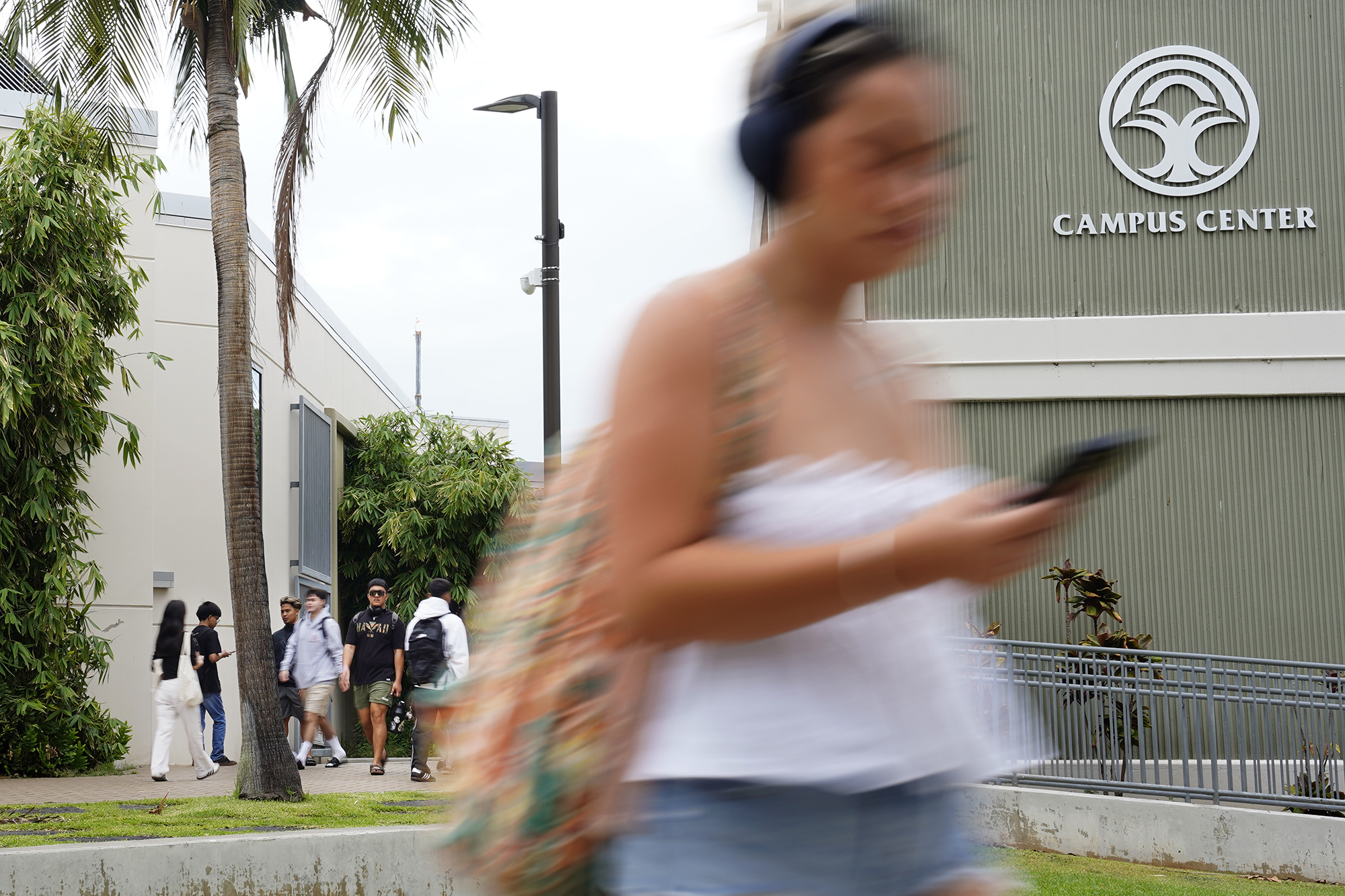
The U.S. Department of Education, led by Secretary Linda McMahon, is reviewing and potentially ending federal programs serving Native Hawaiians and other minority groups, citing constitutional concerns about race-based funding, which could threaten over $12 million in funding for Hawaii's Native Hawaiian initiatives. This move has been condemned by Hawaii's congressional delegation as an attack on minority-serving institutions.
The UK Supreme Court ruled that Christian religious education in Northern Ireland schools is unlawful due to its lack of objective, critical, and pluralistic framework, sparking responses from religious leaders who emphasize Christianity's foundational role in Western society and call for a balanced approach to religious education. The ruling affects non-Catholic schools' curricula but not Catholic schools, prompting discussions on religious values and education reform.
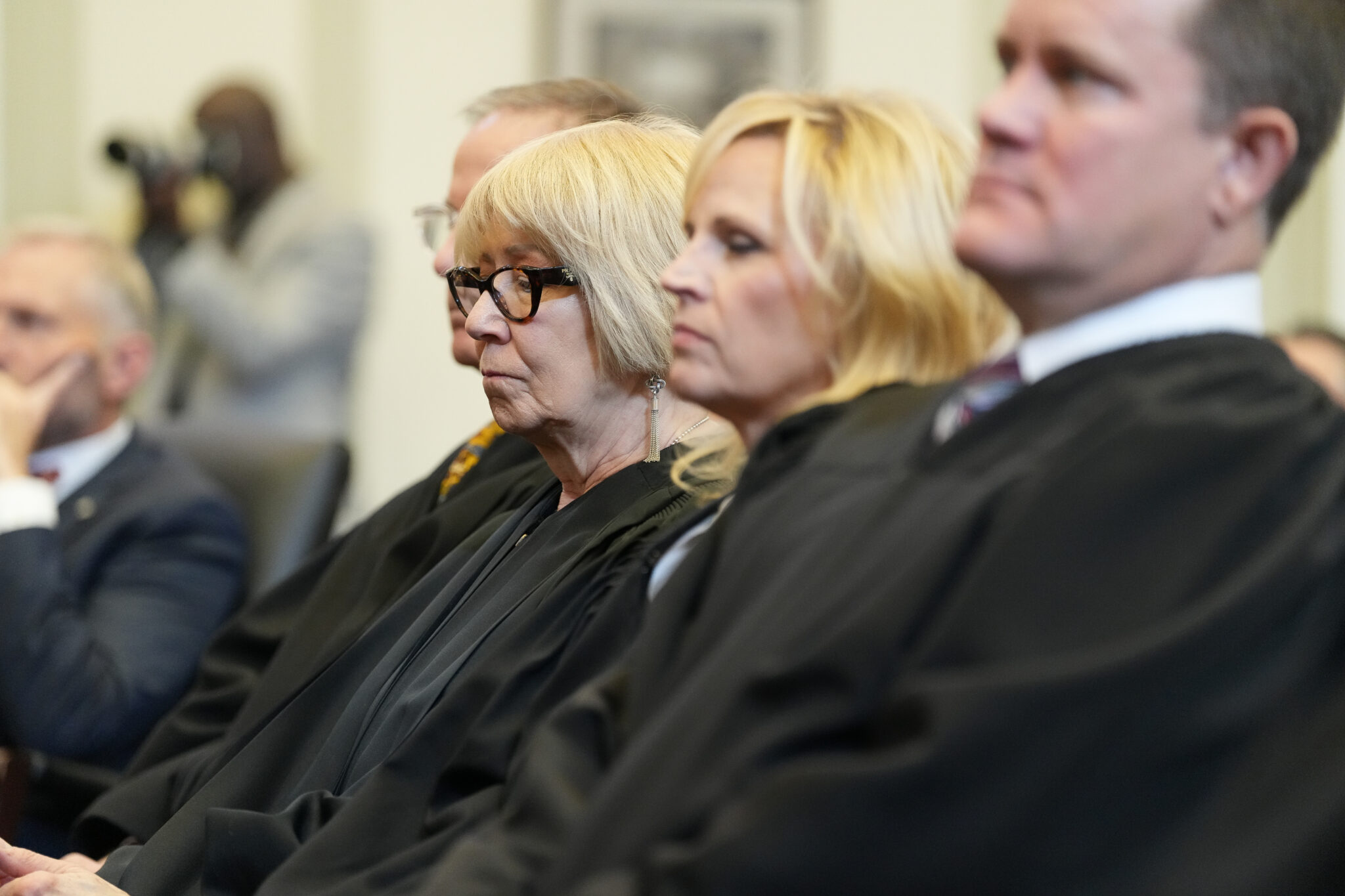
The Oklahoma Supreme Court permanently invalidated the state's controversial social studies standards due to violations of open meeting laws during their approval process, including inadequate notice and undisclosed content changes, leading to the standards being unenforceable and prompting a rewrite by the new state superintendent.
Cities and unions are suing the Trump administration over a new rule that could deny loan forgiveness to public workers based on their employer's activities, with concerns it may be used to target organizations or jurisdictions with policies opposing the administration's views. The rule defines 'substantial illegal purpose' broadly, potentially affecting workers in organizations involved in lawful activities related to immigration, LGBTQ+ rights, or racial justice, and raises questions about the scope of the Department of Education's authority. Critics argue the rule contradicts Congress's original intent for PSLF and could lead to staffing crises in public service sectors.
The article discusses the emerging movement to reduce the emphasis on bachelor's degrees in the U.S., driven by concerns over rising costs, questionable ROI, and changing labor market needs, while highlighting the lack of broad, effective alternatives and the risks associated with shifting away from traditional higher education pathways.
The Trump administration's aggressive tactics to influence higher education, including criticizing elite universities and proposing policy changes, have alienated many schools, complicating efforts to build broad support for its agenda, especially regarding research funding and campus policies.
The Oklahoma State Department of Education plans to rescind its mandate requiring Bible instruction in schools, citing the decision as best left to individual districts and questioning the use of taxpayer funds. This move follows legal challenges and opposition from school districts that chose not to comply, and it signals a shift away from previous mandates under former Superintendent Walters, who had promoted religious and ideological initiatives in schools.
California has passed Assembly Bill 1454, a comprehensive literacy law focusing on evidence-based reading instruction, including phonics, with teacher training and new textbooks, aiming to improve literacy rates among students, especially in early grades, supported by significant funding and ongoing implementation efforts.
In Texas, new legislation restricts public schools from supporting LGBTQ+ clubs and assisting with gender transitions, leading to varied implementation across districts and impacting transgender students and their families.
Zohran Mamdani proposes ending the city's gifted and talented program for kindergarteners, aligning with former Mayor de Blasio's 2021 plan, citing concerns over fairness and segregation, while facing criticism from opponents like Andrew Cuomo who advocate for expanding rigorous educational opportunities and maintaining mayoral control of schools.