France's political and economic turmoil, marked by a high debt-to-GDP ratio and a potential government collapse, raises concerns about stability in the eurozone, with risks of contagion and broader economic impacts if the crisis escalates.
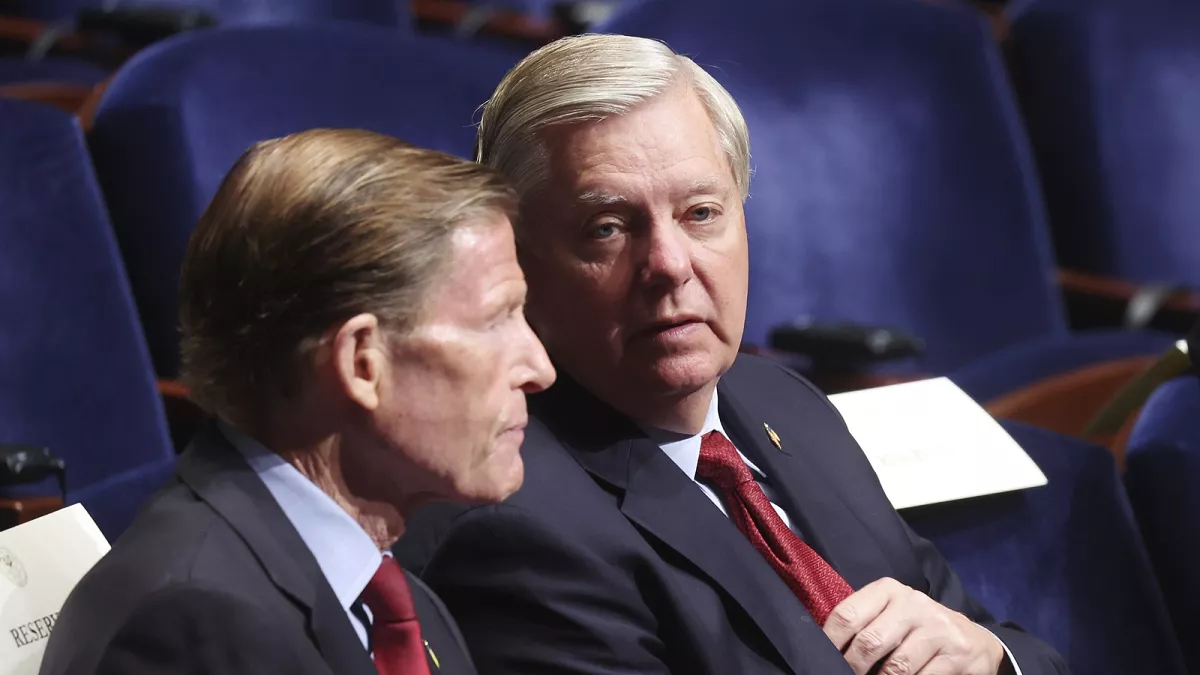
A bipartisan US Senate bill aims to impose severe sanctions on Russia, including a 500% tariff on Russian energy exports, to pressure Vladimir Putin into peace negotiations in Ukraine. While intended to isolate Russia and hold China accountable, the bill risks significant economic damage to the EU and global trade, with potential exemptions and enforcement challenges complicating its implementation.
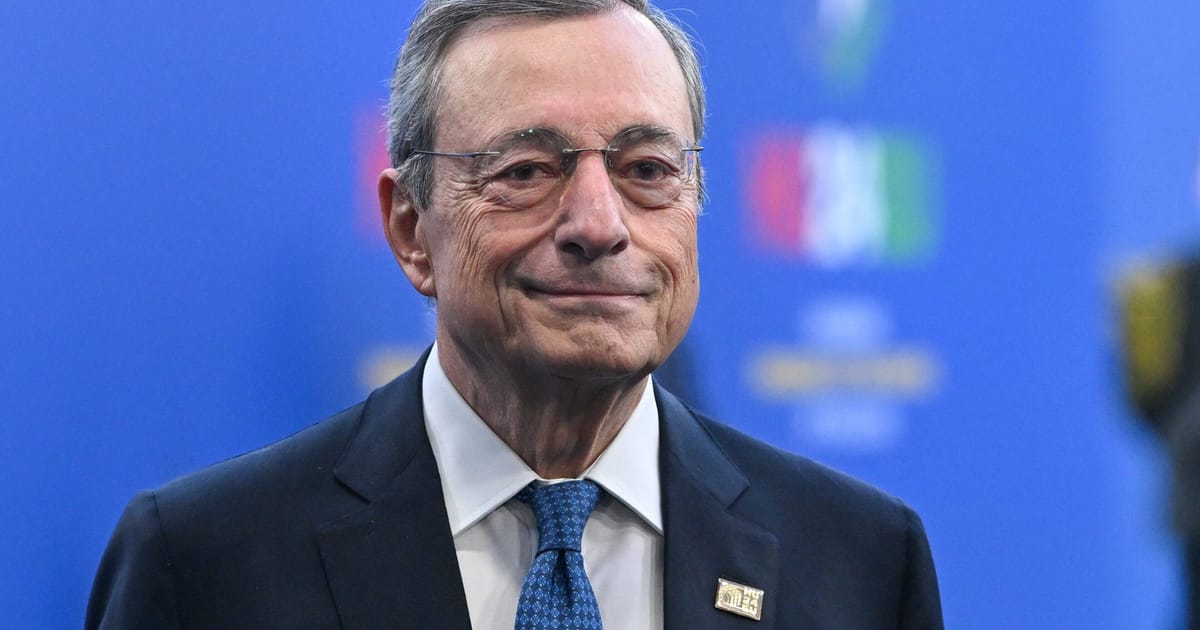
European Central Bank President Mario Draghi has emphasized the increased urgency for the European Union to address its economic challenges following Donald Trump's election as U.S. President. Draghi's warning comes amid concerns over potential trade tensions and economic policy shifts under the new U.S. administration, highlighting the need for the EU to strengthen its economic strategies.
The European Union (EU) has the third-largest economy in the world, with a combined GDP of $16.6 trillion in 2022. However, the economic might of the EU is concentrated in a few member states, with Germany, France, and Italy accounting for more than half of the EU's GDP. The top five countries, including Spain and the Netherlands, make up nearly 70% of the EU's GDP. Additionally, the EU heavily relies on the services sector, which contributes over 70% of its economic output. The EU faces challenges such as high energy costs, inflation, and stagnant wage growth, and the IMF projects a modest growth of 0.7% for the EU in 2023.